
Navigating the complexities of sales tax in New York can be a daunting task for both residents and visitors. This essential guide aims to demystify the intricacies of this vital fiscal component, offering a clear understanding of its implications for a wide array of transactions, from everyday purchases to the more specialized expenditures often associated with travel and leisure. Understanding New York’s sales tax is crucial for budgeting, compliance, and making informed decisions, particularly when planning a trip or engaging in commerce within the Empire State.
The Fundamentals of New York Sales Tax
Sales tax in New York is a tax levied by the state and local governments on the sale of tangible personal property and specified services. It is a consumption tax, meaning it is ultimately borne by the end consumer. The tax rate varies depending on the location within New York, with the state imposing a base rate and counties or metropolitan commuter transportation districts adding their own surcharges. This means that two seemingly similar purchases made just a few miles apart can have different tax amounts.
State and Local Components
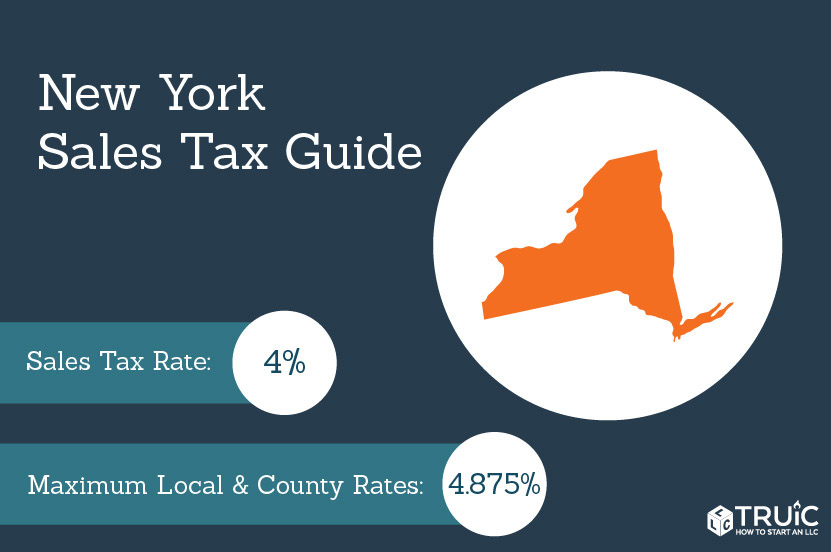
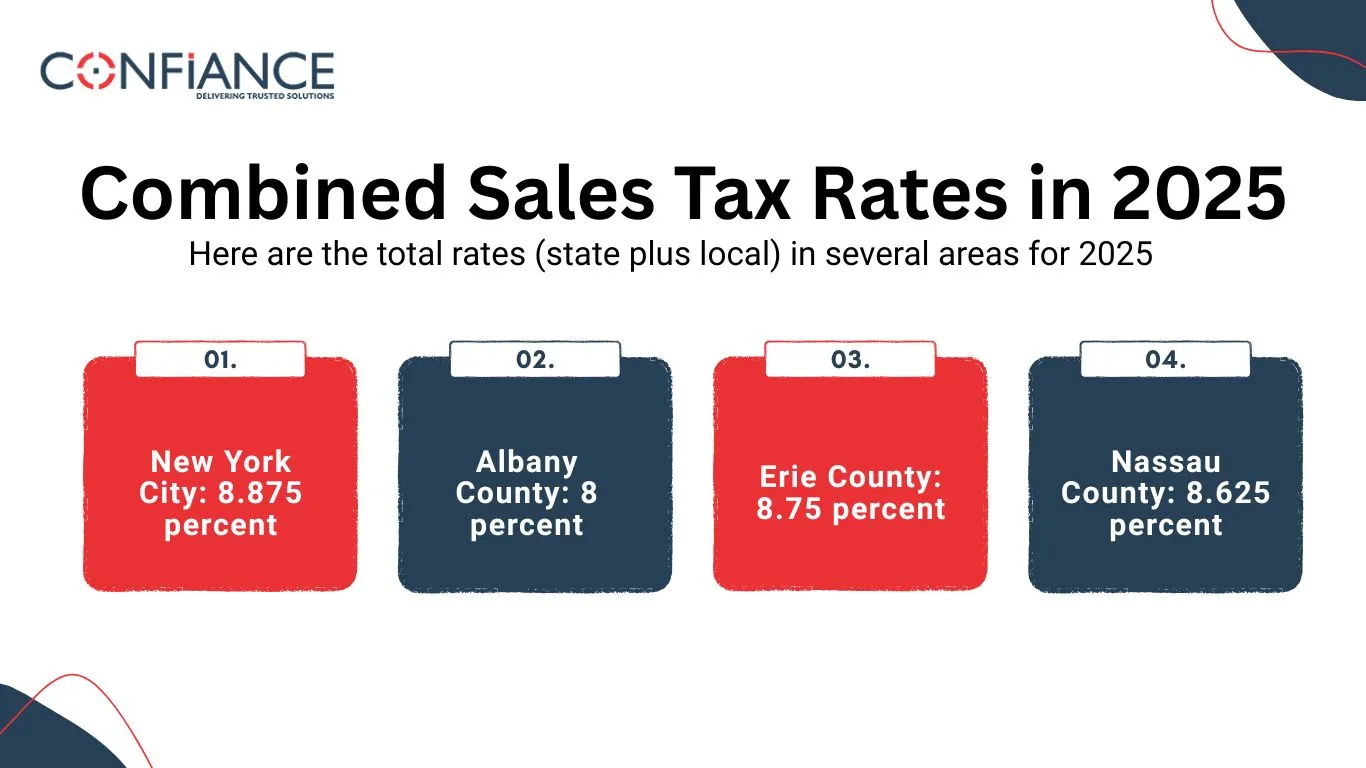
The New York State Department of Taxation and Finance oversees the collection of sales tax. The standard state sales tax rate is 4%. However, this is frequently augmented by local sales taxes. For instance, New York City has one of the highest combined rates in the state, currently standing at 8.875%, which includes a 4.5% state rate, a 3.875% city rate, and a 0.5% metropolitan commuter transportation district surcharge. Other counties may have lower or higher combined rates, making it imperative to check the specific rate for the jurisdiction where a transaction occurs.
Taxable Goods and Services
Generally, tangible personal property is subject to sales tax. This includes items like clothing, electronics, furniture, and groceries (though some exceptions apply to certain food items). Beyond tangible goods, a range of services are also taxable in New York. These can include services related to:
- Repairs and Maintenance: Services to repair or maintain tangible personal property.
- Information Services: Certain telecommunication services and information access services.
- Interior Decorating and Designing: Services provided by interior decorators and designers.
- Interior and Exterior Cleaning and Maintenance Services: For real property.
- Security Services: Protection services.
- Athletic and Sport Club Memberships: Dues and fees.
- Amusement and Recreational Services: Entrance fees to amusement parks, theaters, and sporting events.
It’s important to note that the list of taxable services is extensive and subject to change. Businesses and consumers alike should consult the official New York State Department of Taxation and Finance for the most current and comprehensive list.
Exemptions and Exceptions
While the scope of sales tax in New York is broad, several important exemptions and exceptions exist. These are designed to alleviate the tax burden on essential items or to encourage certain economic activities.
Food and Groceries
Most basic groceries, such as fruits, vegetables, meat, poultry, fish, dairy products, bread, and cereals, are exempt from sales tax when purchased from a grocery store or supermarket. However, prepared foods, such as hot meals, sandwiches, and items purchased from delis or restaurants, are generally taxable. This distinction can sometimes be a point of confusion for travelers seeking quick meal options.
Clothing and Footwear
Essential clothing and footwear items priced under $110 are generally exempt from sales tax. This exemption is intended to make basic apparel more affordable for all residents. However, items that are not considered essential, such as athletic apparel, certain accessories (like jewelry and hats), and formal wear, may still be taxable.
Prescription Medications and Medical Supplies
Prescription drugs and most medical supplies are exempt from sales tax, recognizing their essential nature for public health. Over-the-counter medications and non-prescription medical items, however, are typically taxable.
Specific Services
Certain services are also exempt. For example, basic cable television services, certain household cleaning services, and educational services are typically not subject to sales tax. Non-profit organizations, when making qualifying purchases, may also be eligible for exemptions.
Sales Tax Implications for Travelers
For visitors to New York, understanding sales tax is particularly relevant when planning and experiencing a trip. The cumulative effect of sales tax on various expenditures, from accommodation to souvenirs, can significantly impact a travel budget.
Accommodation and Lodging
While the base state sales tax applies to hotel stays, cities and other localities often impose additional occupancy taxes or fees. In New York City, for example, hotel room charges are subject to state sales tax, Metropolitan Commuter Transportation District surcharge, and a city hotel room occupancy tax. This means that the final price of a hotel room can be considerably higher than the advertised base rate. Travelers should factor these taxes into their accommodation budgets when booking stays at places like the Plaza Hotel or Marriott Marquis.
Dining and Entertainment
Dining out in New York involves sales tax on food and beverages purchased from restaurants, bars, and cafes. As mentioned earlier, prepared foods are taxable. This applies to everything from a quick slice of pizza in Times Square to a fine dining experience in the West Village. Similarly, tickets to attractions, Broadway shows, concerts, museums like the Metropolitan Museum of Art, and professional sporting events are generally subject to sales tax.
Shopping and Souvenirs
Shopping is a major draw for many visitors to New York. From the luxury boutiques on Fifth Avenue to the unique shops in Brooklyn, purchases of tangible goods will incur sales tax based on the location of the store. While essential clothing under $110 is exempt, most other retail items, including electronics, fashion accessories, and souvenirs, are taxable.
Shipping Considerations
If a traveler purchases items and has them shipped to their home address outside of New York, they are generally not required to pay New York sales tax on those items. Instead, they may be responsible for any use tax or sales tax levied by their home state upon arrival. However, if the item is delivered to a New York address (e.g., to a hotel or a friend’s residence), New York sales tax will apply.
Business and Compliance
For businesses operating in or selling into New York, understanding and complying with sales tax regulations is paramount. This includes registering with the state, collecting the correct tax amounts, and remitting them to the Department of Taxation and Finance.
Registration and Licensing
Businesses that sell taxable goods or services in New York must obtain a Certificate of Authority from the state. This registration allows them to legally collect sales tax from their customers. The process involves applying for the certificate and providing necessary business information.
Collection and Remittance
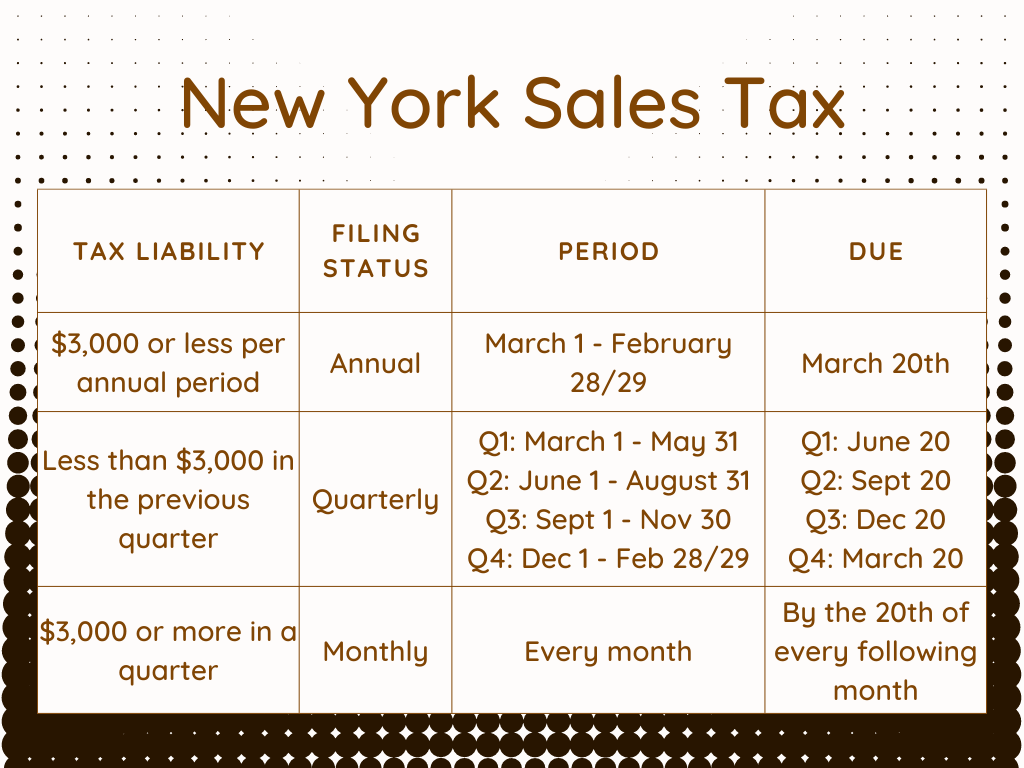
Once registered, businesses are responsible for collecting the appropriate sales tax on all taxable sales. The tax rate can vary significantly by location, so businesses must be diligent in applying the correct rate based on the situs of the sale (where the transaction takes place or where the goods are delivered). Sales tax returns must be filed and payments remitted to the state on a regular basis, typically monthly, quarterly, or annually, depending on the business’s sales volume.
Audits and Penalties
The New York State Department of Taxation and Finance conducts audits to ensure compliance. Failure to collect or remit the correct amount of sales tax can result in significant penalties, interest, and back taxes. Businesses should maintain accurate records of all sales and tax collected to facilitate smooth audits.
Specific Scenarios and Nuances
Beyond the general rules, several specific scenarios and nuances are worth noting, particularly for those engaging in commerce or travel within New York.
Online Purchases
Purchases made online are also subject to New York sales tax. If a business has a physical presence in New York (known as “nexus”), they are generally required to collect and remit sales tax on sales made to New York residents, regardless of where the business is physically located. This includes many large e-commerce retailers. For out-of-state vendors without nexus, the consumer is technically responsible for paying use tax, though this is often difficult to enforce.
Tangible Personal Property vs. Real Property
Sales tax applies to tangible personal property. Transactions involving real property, such as the sale of land or buildings, are generally not subject to sales tax, though they may be subject to other taxes like real estate transfer taxes. Services performed on real property can be complex. For instance, construction services are generally not taxable, but maintenance and repair services on existing real property typically are.
Digital Products
The taxability of digital products in New York has evolved. While historically many digital products were not taxed, recent changes have made certain digital goods and services taxable. This includes things like pre-written computer software delivered electronically, digital audio-visual works, and digital audio works. It is crucial for businesses to stay abreast of these changing definitions.
Car Rentals and Vehicle Purchases
Renting a vehicle in New York is subject to sales tax on the rental charges, in addition to any applicable taxes or fees imposed by New York City or other localities. When purchasing a vehicle in New York, sales tax is calculated based on the purchase price and is typically paid at the time of registration. If a vehicle is purchased outside of New York and brought into the state for use, New York use tax may be applicable, though credits for sales tax paid to other states may be available.
Conclusion
Sales tax in New York is a multifaceted system that impacts nearly every aspect of commerce and daily life within the state. For residents, it’s an ongoing consideration for budgeting and purchasing decisions. For visitors, it’s a crucial factor in planning travel expenses, from booking a room at a Times Square hotel to enjoying a meal at a local restaurant or picking up souvenirs. Businesses must diligently adhere to registration, collection, and remittance requirements to ensure compliance and avoid penalties. By understanding the fundamentals, exemptions, and specific implications, individuals and businesses can navigate the landscape of New York sales tax with greater confidence and clarity, making their interactions with the Empire State both more informed and more financially sound.
LifeOutOfTheBox is a participant in the Amazon Services LLC Associates Program, an affiliate advertising program designed to provide a means for sites to earn advertising fees by advertising and linking to Amazon.com. Amazon, the Amazon logo, AmazonSupply, and the AmazonSupply logo are trademarks of Amazon.com, Inc. or its affiliates. As an Amazon Associate we earn affiliate commissions from qualifying purchases.