
Understanding the financial landscape of renting in New York City is crucial for anyone considering a long-term stay, from students and young professionals to families and established residents. The city, a global epicenter of culture, finance, and innovation, commands premium prices for its diverse housing stock. This guide delves into the average rent, breaking down the factors that influence these costs and offering insights into navigating this dynamic market.
The notion of an “average rent” in New York City is a complex one, as it can fluctuate significantly based on numerous variables. These include the borough, neighborhood, type of apartment, amenities offered, and even the time of year. However, by examining available data and trends, we can paint a comprehensive picture of what prospective renters can expect.
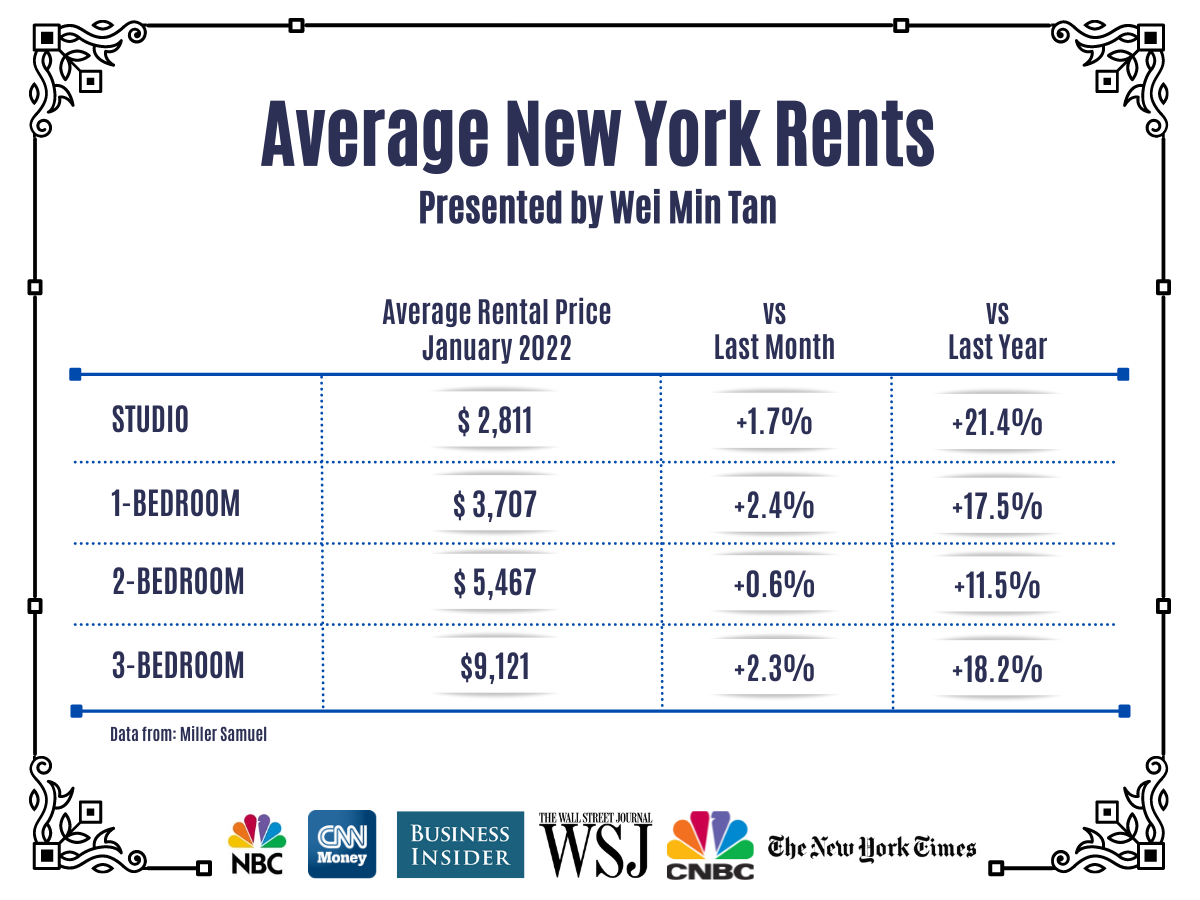
Understanding the Averages: Borough by Borough Breakdown
New York City is comprised of five distinct boroughs, each offering a unique living experience and, consequently, varying rental costs.
Manhattan: The Pinnacle of Premium
As the most iconic and densely populated borough, Manhattan consistently boasts the highest average rents. Its desirability stems from its unparalleled access to employment, world-class dining, entertainment, and cultural institutions like the Metropolitan Museum of Art and Central Park.
- Studio Apartments: Expect average rents to range from $3,000 to $4,000+.
- One-Bedroom Apartments: Rents can typically fall between $3,500 and $5,000+.
- Two-Bedroom Apartments: These often command prices from $5,000 to $7,000+, with luxury options exceeding this significantly.
- Three-Bedroom Apartments and Beyond: These are less common and more expensive, with average rents easily starting at $7,000 and climbing into the five-figure range for prime locations.
Neighborhoods within Manhattan such as SoHo, Tribeca, and the Upper East Side are known for their exceptionally high rental prices, reflecting their exclusivity and premium amenities. Even more affordable areas like Harlem or Washington Heights will still present costs that are considerably higher than national averages.
Brooklyn: A Tale of Two Cities
Brooklyn offers a more diverse range of rental options and prices compared to Manhattan. Popular neighborhoods like Williamsburg, Park Slope, and Dumbo are highly sought after for their vibrant communities, trendy shops, and proximity to Manhattan, leading to rents that often rival those of the island.
- Studio Apartments: Average rents can range from $2,500 to $3,500.
- One-Bedroom Apartments: Expect prices between $3,000 and $4,500.
- Two-Bedroom Apartments: These often range from $4,000 to $5,500+.
However, as you move further east or south within Brooklyn, such as in neighborhoods like Bay Ridge or Coney Island, rental prices become more accessible, offering a more budget-friendly alternative for those seeking a New York City address.
Queens: The Borough of Diversity and Value
Queens is the largest borough by land area and the most ethnically diverse. It offers a wide spectrum of housing options, from bustling urban centers to more suburban enclaves. Neighborhoods like Long Island City have seen significant development and rising rents, especially for apartments with easy commutes to Midtown Manhattan.
- Studio Apartments: Average rents typically fall between $2,000 and $3,000.
- One-Bedroom Apartments: Expect prices from $2,300 to $3,500.
- Two-Bedroom Apartments: These can range from $2,800 to $4,000+.
Areas like Flushing, Jamaica, and parts of Astoria offer relatively more affordable rental markets within Queens, making it an attractive option for those prioritizing value.
The Bronx: An Emerging Rental Market
The Bronx is the only mainland borough of New York City and offers some of the most affordable rental prices in the city. While historically considered less desirable than its counterparts, areas like Riverdale and neighborhoods with improving infrastructure are attracting new residents.
- Studio Apartments: Average rents can range from $1,500 to $2,300.
- One-Bedroom Apartments: Expect prices between $1,800 and $2,800.
- Two-Bedroom Apartments: These typically range from $2,200 to $3,200+.
As The Bronx continues to develop, rental prices are gradually increasing, but it remains the most budget-friendly option among the five boroughs.
Staten Island: Suburban Charm and Affordability
Staten Island offers a more suburban feel and generally lower rental costs compared to the other boroughs, partly due to its less direct commute to key business districts. It appeals to those seeking a quieter pace of life while still being connected to the city.
- Studio Apartments: Average rents typically range from $1,400 to $2,000.
- One-Bedroom Apartments: Expect prices between $1,600 and $2,400.
- Two-Bedroom Apartments: These can range from $1,900 to $2,800+.
Factors Influencing Rental Costs

Beyond the borough and neighborhood, several other critical factors dictate the average rent in New York City.
Apartment Size and Type
The most obvious determinant of rent is the size and type of dwelling.
- Studios and One-Bedrooms: These are the most sought-after for single individuals or couples, driving up demand and prices.
- Multiple-Bedroom Units: While offering more space, these can be more affordable on a per-room basis, making them attractive for roommates or families.
- Duplexes and Triplexes: These larger, often more luxurious units come with significantly higher price tags.
- Condominiums vs. Co-ops vs. Rentals: Rental apartments in buildings designed solely for renting often have different pricing structures than units within a condominium or co-operative building where individual owners might list their apartments.
Building Amenities
Modern amenities can substantially increase rental costs. Buildings offering features such as:
- Doorman and Concierge Services: These add a layer of security and convenience, justifying higher rents.
- In-Unit Laundry: A highly prized amenity in New York City, where laundromats are commonplace.
- Fitness Centers and Swimming Pools: Access to these facilities within the building adds significant value.
- Roof Decks and Outdoor Spaces: Offering prime city views and recreational areas.
- Pet-Friendly Policies: While not always a direct cost increase, in high-demand areas, pet-friendly buildings can command slightly higher rents due to the broader appeal.
- High-End Finishes: Stainless steel appliances, granite countertops, and hardwood floors are standard in many newer or renovated buildings, contributing to the overall rent.
Proximity to Transportation and Amenities
Apartments located close to major subway lines, commuter rail stations, and desirable amenities like parks, restaurants, and shopping districts will invariably command higher rents. The convenience of a short commute to a major employment hub like Midtown Manhattan or the Financial District is a significant factor for most renters.
Market Trends and Seasonality
The rental market in New York City is subject to fluctuations. Generally, the spring and summer months (April to August) see increased demand as people move for jobs, internships, or school. This seasonality can lead to slightly higher rents during these peak periods. Conversely, the winter months (November to February) may offer more negotiation power for renters due to lower demand.
Concessions and Rental Deals
Landlords and rental agencies sometimes offer concessions to attract tenants, especially during slower market periods. These can include:
- One Month Free Rent: A common incentive that effectively lowers the monthly rent over the lease term.
- Waived Broker Fees: In New York City, broker fees can be substantial (often 10-15% of the annual rent), so waiving this fee can be a significant saving.
- Reduced Security Deposits: While less common, some deals might offer a lower initial cash outlay.
When comparing rental prices, it’s crucial to consider any offered concessions to understand the true cost of living.
Navigating the New York City Rental Market
Renting in New York City requires preparation and a clear understanding of your budget and priorities.
Budgeting Effectively
Before you begin your search, establish a realistic budget. A common rule of thumb is to spend no more than 30% of your gross monthly income on rent, though in New York City, many residents exceed this due to high costs. Factor in not only rent but also utilities, internet, renter’s insurance, and potential commuting costs.
Understanding Lease Terms and Requirements
New York City rental agreements are legally binding contracts. Familiarize yourself with typical lease terms, including:
- Lease Duration: Most leases are for 12 months, but 18-month or 24-month leases may sometimes be available.
- Rent Payment: Understand when rent is due and how it should be paid.
- Maintenance and Repairs: Know your landlord’s responsibilities for upkeep.
- Subletting Policies: If you anticipate needing to sublet, ensure the lease permits it.
Landlords will typically require proof of income (often at least 40 times the monthly rent annually), a credit check, and references. For those with less-than-perfect credit or lower incomes, a guarantor might be necessary.

Utilizing Rental Resources
Numerous online platforms and real estate agencies specialize in New York City rentals. Websites like StreetEasy, Zillow, and Apartments.com are invaluable for browsing listings, comparing prices, and understanding neighborhood trends. Working with a reputable real estate agent can also provide access to exclusive listings and expert guidance through the often-intense rental process.
In conclusion, while the average rent in New York City is undeniably high, a thorough understanding of the market dynamics, borough variations, and influencing factors can empower prospective renters to find suitable accommodation within their budget. Careful planning, diligent searching, and a realistic appraisal of costs are key to a successful long-term stay in this vibrant metropolis.
LifeOutOfTheBox is a participant in the Amazon Services LLC Associates Program, an affiliate advertising program designed to provide a means for sites to earn advertising fees by advertising and linking to Amazon.com. Amazon, the Amazon logo, AmazonSupply, and the AmazonSupply logo are trademarks of Amazon.com, Inc. or its affiliates. As an Amazon Associate we earn affiliate commissions from qualifying purchases.