
The allure of Brooklyn as a travel destination is multifaceted, drawing visitors with its vibrant cultural scene, historic neighborhoods, and burgeoning culinary landscape. Understanding the prevailing weather conditions, specifically the current temperature, is a crucial element for any traveler planning a visit to this dynamic New York City borough. Whether one is arriving for a brief urban exploration or an extended stay, knowing the mercury’s reading provides immediate context for packing, itinerary planning, and overall comfort. Brooklyn experiences a four-season climate, each with its distinct character, and the current temperature offers a snapshot of this ever-evolving atmospheric tapestry.

Understanding Brooklyn’s Climate
Brooklyn, situated at the westernmost end of Long Island, is subject to the influential climate patterns of the northeastern United States. This region is characterized by distinct seasonal variations, from the crisp chill of winter to the humid warmth of summer, with spring and autumn offering transitional periods of milder weather. The proximity to the Atlantic Ocean moderates some of the more extreme temperatures that might be experienced further inland, but it also contributes to the humidity levels, particularly during the summer months. Consequently, the current temperature in Brooklyn is not merely a single figure but a key indicator of the prevailing atmospheric conditions that will shape a visitor’s experience.
Seasonal Variations and Their Impact on Travel
-
Spring (March – May): As winter recedes, Brooklyn awakens to a period of gradual warming. Temperatures begin to climb, and the city sheds its winter coat of snow and ice. This season is ideal for exploring outdoor attractions such as Prospect Park or the Brooklyn Botanic Garden. The current temperature during spring often signals the transition from cool to pleasant, encouraging alfresco dining and leisurely strolls through neighborhoods like DUMBO or Greenwich Village (though technically in Manhattan, its proximity makes it a common excursion). Packing layers is advisable, as spring can still bring cooler days and occasional rain showers.
-
Summer (June – August): Summers in Brooklyn are typically warm to hot and can be humid. Temperatures frequently reach into the 80s and 90s Fahrenheit. This is a peak tourist season, with visitors flocking to enjoy Coney Island, Governors Island, and the many outdoor festivals and events that dot the summer calendar. The current temperature during these months will be a critical factor for activities such as exploring the Brooklyn Bridge or enjoying a rooftop bar. Light, breathable clothing, sunscreen, and staying hydrated are paramount. The heat can be intense, making indoor attractions or shaded park areas appealing during the midday sun.
-
Autumn (September – November): Autumn in Brooklyn is often celebrated for its picturesque beauty as the leaves change color in its numerous parks. The weather is generally mild and pleasant, with temperatures gradually decreasing throughout the season. Early autumn can still offer comfortable warmth, while late autumn can become quite chilly. This is an excellent time for walking tours, visiting museums like the Brooklyn Museum, and enjoying the vibrant fall foliage. The current temperature will guide decisions on whether a light jacket or a heavier coat is necessary.
-
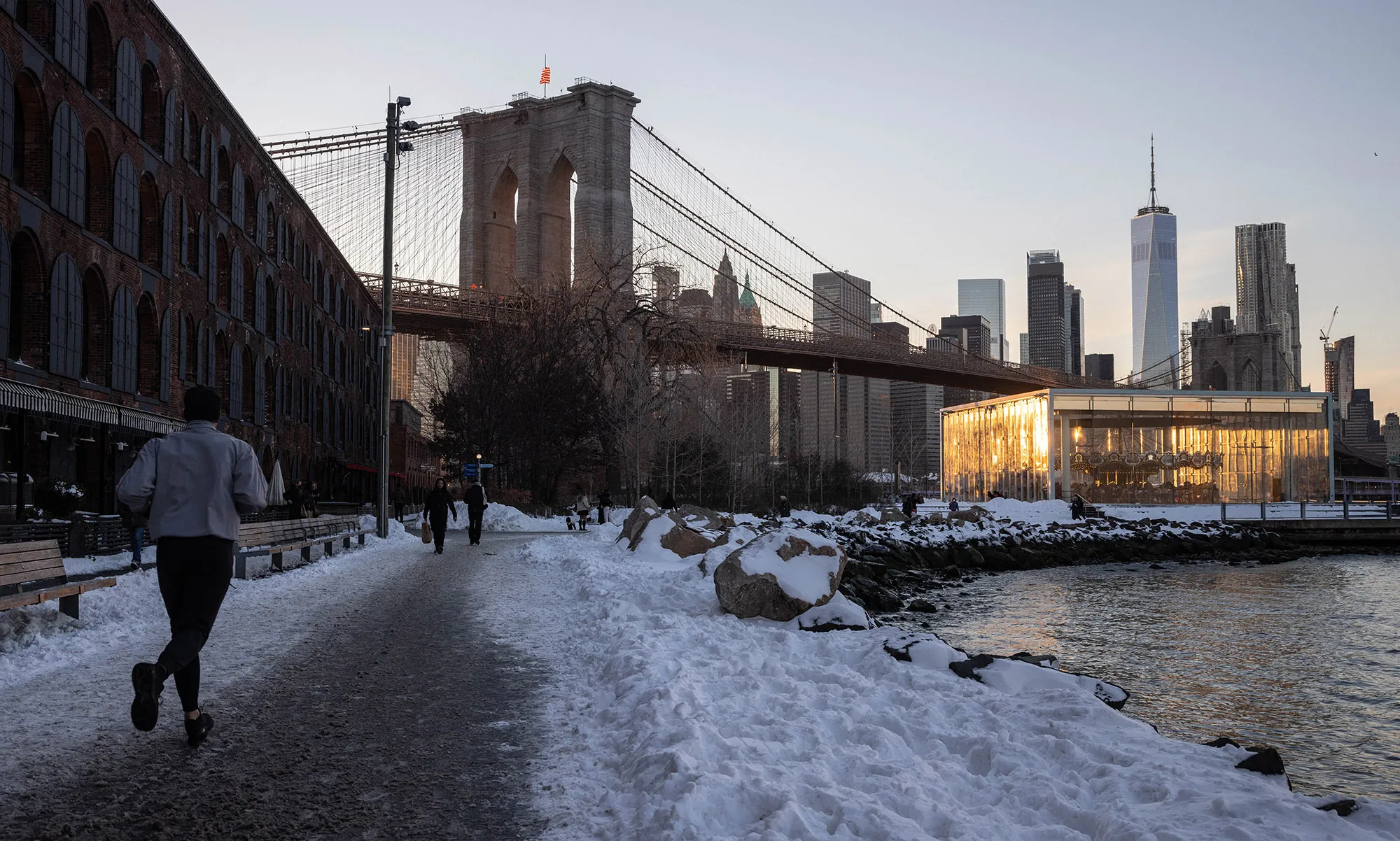
Winter (December – February): Winters in Brooklyn are cold, with temperatures often dropping below freezing. Snowfall is common, transforming the urban landscape into a winter wonderland, albeit one that requires careful navigation and warm attire. While not as popular for outdoor activities as other seasons, winter offers opportunities for ice skating, visiting festive holiday markets, and enjoying the cozy ambiance of the borough’s many cafes and restaurants. The current temperature is a vital piece of information for anyone braving the winter elements for a New York City adventure.
Factors Influencing Brooklyn’s Temperature
The temperature in Brooklyn is influenced by a confluence of geographical and meteorological factors. Its coastal location plays a significant role, as does its position within the larger New York City metropolitan area. Understanding these influences can provide a more nuanced appreciation of the current temperature readings and their implications for a traveler.
Urban Heat Island Effect
As a densely populated and highly developed urban area, Brooklyn experiences the urban heat island (UHI) effect. This phenomenon occurs when built environments, such as cities, absorb and retain more heat than rural areas. The prevalence of concrete, asphalt, and buildings, coupled with reduced vegetation, leads to higher temperatures in urban centers compared to surrounding natural landscapes. This means that even if the general forecast for the wider region indicates a certain temperature, the actual temperature within Brooklyn might be a few degrees warmer, especially at night. This effect can be particularly noticeable in densely built neighborhoods.
Proximity to the Atlantic Ocean
The Atlantic Ocean exerts a moderating influence on Brooklyn’s climate. Coastal breezes can cool the area during warmer months, offering some respite from the heat. Conversely, in winter, the ocean can prevent temperatures from dropping as severely as they might inland. However, this proximity also contributes to higher humidity levels, especially during the summer, which can make the perceived temperature feel warmer than the actual dry-bulb reading. Understanding this interplay between land and sea is key to interpreting the current temperature data.
Weather Systems and Air Masses
The temperature in Brooklyn is directly dictated by the prevailing weather systems and air masses moving across the northeastern United States. Cold fronts can bring sharp drops in temperature, often accompanied by wind and precipitation, while warm fronts can usher in milder or hotter conditions. High-pressure systems generally lead to stable, clear weather, whereas low-pressure systems are associated with more dynamic and potentially extreme weather. The current temperature is thus a dynamic reflection of these larger atmospheric movements.
Planning Your Visit Based on Current Conditions
Armed with the knowledge of the current temperature and an understanding of Brooklyn’s climate, travelers can make informed decisions to enhance their visit. This information is not just a statistic; it’s a practical tool for optimizing experiences and ensuring comfort.
Packing Essentials
The most immediate application of the current temperature is in determining appropriate attire.
- Warm Weather: If the temperature is high and humidity is significant, lightweight, moisture-wicking fabrics are essential. Think cotton, linen, and performance synthetics. Sun hats, sunglasses, and high-SPF sunscreen are non-negotiable for any outdoor exploration, whether it’s visiting the Brooklyn Museum or walking across the Brooklyn Bridge. Comfortable walking shoes are paramount, as exploring Brooklyn often involves considerable foot travel.
- Cool or Cold Weather: When the temperature dips, layering becomes the strategy. Start with a base layer to wick away moisture, add an insulating layer such as fleece or wool, and top it off with a windproof and water-resistant outer shell. A warm hat, gloves, and a scarf are crucial for protecting extremities from the cold, especially if planning outdoor activities like visiting the Brooklyn Botanic Garden during a crisp autumn or even a mild winter day. Waterproof footwear is recommended during colder months to handle potential rain or snow.
Itinerary Adjustments
The current temperature can significantly influence the feasibility and enjoyment of planned activities.
- Heat Advisory: On days with high temperatures, it’s wise to schedule strenuous outdoor activities for the cooler parts of the day, such as early morning or late evening. Midday can be reserved for indoor pursuits like visiting the New York Transit Museum in Downtown Brooklyn, exploring the shops and galleries in DUMBO, or enjoying a meal at one of the borough’s acclaimed restaurants. Staying hydrated is crucial, and frequent breaks in air-conditioned spaces will be necessary.
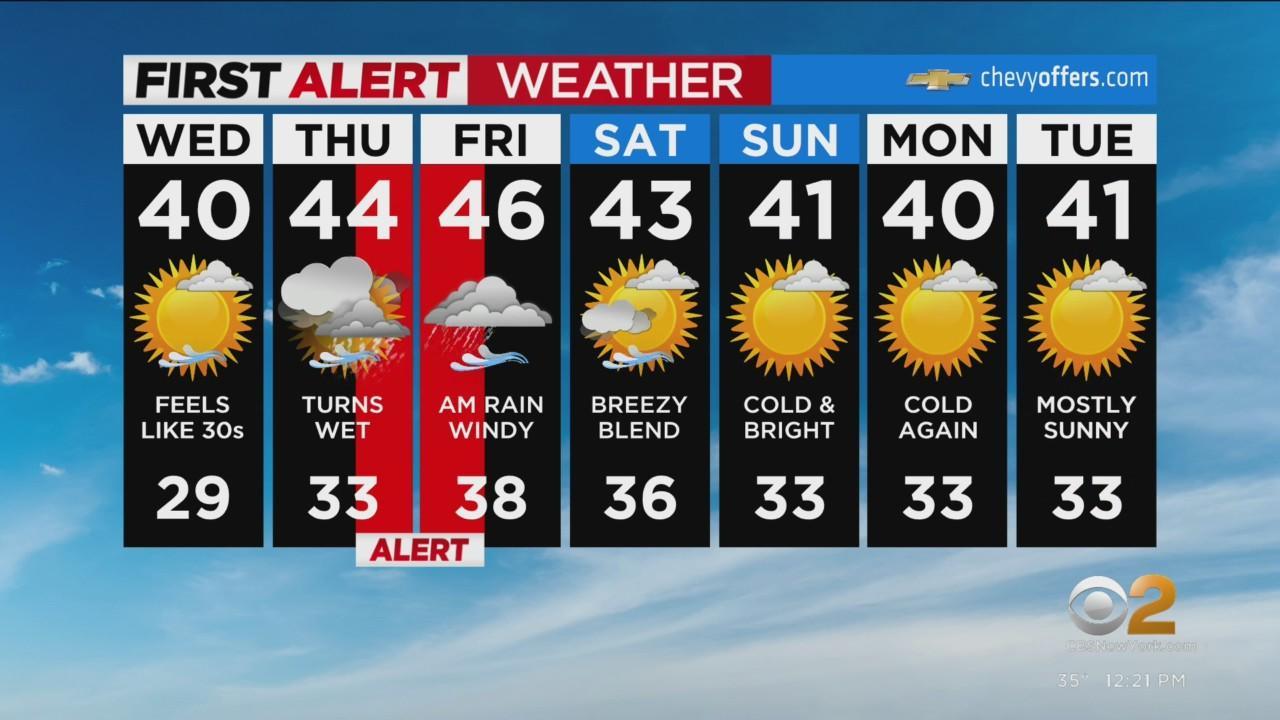
- Cold Snap: During cold spells, outdoor exploration requires more robust planning. Consider shorter excursions, focusing on well-known landmarks like the Brooklyn Bridge or scenic spots in Prospect Park during daylight hours. Warming up in cafes or museums becomes a welcome part of the itinerary. If snow is present, activities like ice skating at Aviator Sports and Event Center might become an option, but checking conditions and accessibility is vital.
Accommodation Choices
While not directly dictated by the current temperature, the prevailing weather can subtly influence accommodation preferences for longer stays. During hot summer months, properties with air conditioning and perhaps a pool or proximity to water (like a hotel with views of the East River) might be more desirable. In winter, proximity to public transportation and in-room heating are essential considerations. Many hotels in Brooklyn, such as the The William Vale or the 1 Hotel Brooklyn Bridge, offer amenities designed to cater to various weather conditions, ensuring comfort year-round.
In conclusion, the current temperature in Brooklyn is more than just a weather report; it is an integral piece of information that empowers travelers to make the most of their visit. By understanding the underlying climate patterns and the immediate atmospheric conditions, one can effectively plan, pack, and adapt, ensuring a memorable and comfortable experience in this vibrant and diverse corner of New York City.
LifeOutOfTheBox is a participant in the Amazon Services LLC Associates Program, an affiliate advertising program designed to provide a means for sites to earn advertising fees by advertising and linking to Amazon.com. Amazon, the Amazon logo, AmazonSupply, and the AmazonSupply logo are trademarks of Amazon.com, Inc. or its affiliates. As an Amazon Associate we earn affiliate commissions from qualifying purchases.