
New York, a state renowned for its towering skyscrapers, bustling metropolises, and diverse natural landscapes, holds a fascinating aspect of its identity within its official designations. While many readily associate the Empire State with icons like the Statue of Liberty or the vibrant energy of Times Square, its connection to the natural world is equally profound. Beyond the urban sprawl lies a rich tapestry of ecosystems, from the majestic Adirondack Mountains to the serene shores of Lake Ontario. Understanding the state animal offers a unique lens through which to appreciate this multifaceted identity, revealing a creature that embodies resilience, adaptability, and a significant role in the ecological narrative of New York.

The question of “What Is The New York State Animal?” leads us to an exploration that goes beyond mere trivia. It delves into the history, symbolism, and ecological importance of a chosen species. The designation of a state animal is not arbitrary; it often reflects characteristics that the state wishes to champion or acknowledge in its natural heritage. For New York, this choice speaks volumes about its natural resources and the values it holds dear in preserving its wild spaces.
The Majestic Beaver: A Symbol of Industry and Resilience
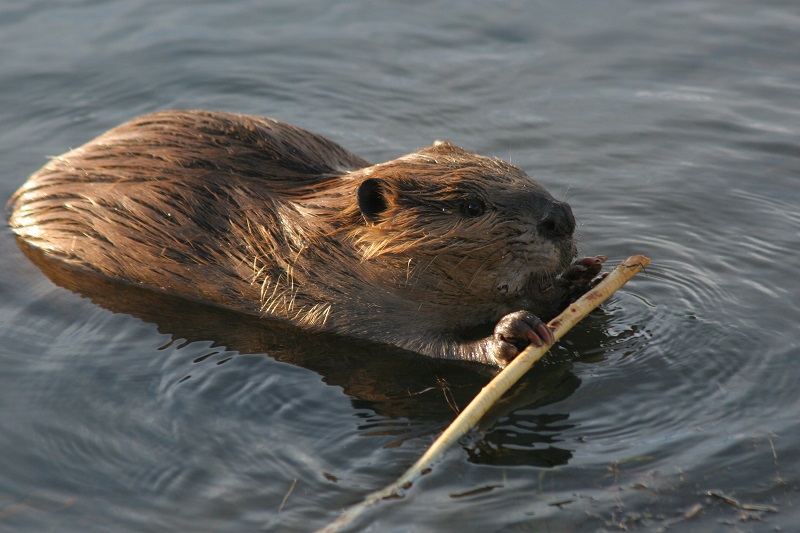
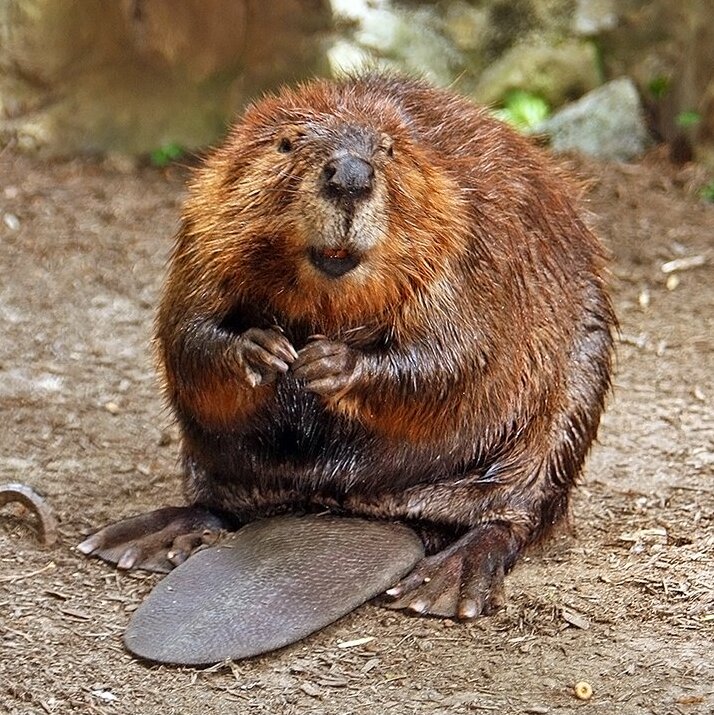
The official New York State Animal is the American Beaver (Castor canadensis). This remarkable semiaquatic rodent holds this distinguished title, a recognition of its significant ecological impact and its historical importance to the state. Beavers are not just builders of dams; they are ecosystem engineers, shaping landscapes in ways that benefit a multitude of other species.
Ecological Significance of the Beaver
The beaver’s most iconic behavior – dam construction – is a cornerstone of its ecological importance. By meticulously felling trees and weaving branches and mud, beavers create wetlands, ponds, and marshes. These man-made aquatic habitats are crucial for biodiversity.
- Water Management: Beaver dams act as natural regulators of water flow. They slow down rivers and streams, reducing erosion and mitigating the impact of floods downstream. The impounded water also serves as a vital reservoir during dry periods, ensuring a water supply for various flora and fauna.
- Habitat Creation: The creation of wetlands by beavers opens up new living spaces for an astonishing array of organisms. Amphibians, reptiles, fish, and numerous bird species rely on these beaver-created ponds for breeding, foraging, and shelter. Insects thrive in the calmer waters, forming the base of the food web.
- Nutrient Cycling: The decomposition of wood and plant matter in beaver ponds releases nutrients into the water, enriching the ecosystem. This process supports aquatic vegetation, which in turn provides food and habitat for other creatures.
- Forest Health: While beavers are known for felling trees, their selective foraging can actually promote forest diversity. By clearing out underbrush and creating openings, they allow sunlight to reach the forest floor, encouraging the growth of new saplings and a wider variety of plant species.
Historical Importance in New York
The history of the American Beaver in New York is deeply intertwined with the early development of the region. The fur trade was a dominant economic force during the colonial era, and beaver pelts were highly sought after in Europe for their warmth and luxurious texture, used in making hats and other apparel.
- Economic Engine: Fortunes were made and lost in the pursuit of beaver pelts. Trading posts, such as those established by the Dutch and later the English, sprung up along rivers and waterways, fostering commerce and influencing the expansion of settlements. The Iroquois Confederacy, in particular, played a crucial role in the fur trade, establishing extensive networks for trapping and trade.
- Exploration and Settlement: The demand for beaver pelts drove exploration deeper into the wilderness of New York. Trappers and traders ventured into remote areas, charting rivers and territories, which in turn facilitated further settlement and the eventual growth of cities like Albany, a major hub for the fur trade.
- Conservation Efforts: The intense trapping of beavers led to their near extinction in New York by the mid-19th century. Recognizing the ecological and historical loss, conservation efforts began to gain momentum. Reintroduction programs and the establishment of protected areas have been instrumental in the recovery of the beaver population. The designation of the beaver as the state animal serves as a constant reminder of this successful conservation story and the importance of protecting wildlife.
The story of the American Beaver in New York is a testament to the interconnectedness of nature and human history. It highlights how a single species can profoundly influence an environment and how dedicated conservation can bring a species back from the brink.
Beyond the Beaver: Other Notable State Symbols
While the American Beaver holds the title of the New York State Animal, the state boasts a rich array of other official symbols, each representing different facets of its identity and natural heritage. These designations often complement the overarching narrative of New York as a state that values both its wild places and its urban dynamism.
The Bluebird: A Symbol of Hope and Beauty
The New York State Bird is the Eastern Bluebird (Sialia sialis). This small, vibrantly colored thrush is often seen in open woodlands, meadows, and fields, areas that are increasingly being restored and managed for wildlife.
- Aesthetic Appeal: The striking cerulean blue of the male bluebird, contrasted with its rust-colored breast, makes it a visually appealing creature. Its cheerful song is also a welcome sound in the countryside.
- Ecological Indicator: Bluebirds are insectivores, playing a role in controlling insect populations. Their presence can be an indicator of healthy grassland and meadow habitats, making them a symbol of successful habitat conservation.
- Conservation Success: Like the beaver, the Eastern Bluebird faced population declines due to habitat loss and competition from invasive species. However, concerted conservation efforts, including the widespread installation of nest boxes, have led to a significant recovery in their numbers across New York and the broader Northeastern United States. This recovery mirrors the positive trajectory of the American Beaver.
The Rose: Emblem of Floral Beauty
The New York State Flower is the Rose. This choice, officially designated in 1957, celebrates a flower that is widely cultivated and admired for its beauty, fragrance, and symbolic meaning.
- Cultural Significance: Roses have held cultural significance across civilizations for centuries, often symbolizing love, beauty, and passion. In New York, the rose reflects the state’s appreciation for aesthetics and its role as a global center of art and culture.
- Horticultural Importance: New York has a vibrant horticultural tradition, with numerous gardens, arboretums, and flower shows dedicated to the cultivation of a wide variety of plant species, including roses.
- Ubiquitous Presence: From public gardens in New York City‘s Central Park to private gardens across the state, roses are a familiar and beloved sight, adding color and fragrance to the Empire State‘s landscape.
The Sugar Maple: A Pillar of the Forest
The New York State Tree is the Sugar Maple (Acer saccharum). This majestic hardwood is a quintessential symbol of the Northeastern United States and plays a vital role in the state’s economy and natural beauty.
- Economic Contribution: The Sugar Maple is the primary source of New York‘s renowned maple syrup. The process of tapping trees and boiling sap to create syrup is a cherished tradition and an important part of the state’s agricultural economy, particularly in rural areas.
- Autumn Spectacle: In the fall, Sugar Maple trees put on a breathtaking display of color, with their leaves transforming into brilliant shades of red, orange, and yellow. This autumn foliage is a major draw for tourists, contributing significantly to New York‘s tourism industry. Many travelers plan visits to regions like the Catskill Mountains and the Adirondacks specifically to witness this natural phenomenon.
- Ecological Role: As a dominant tree species in many of New York‘s forests, the Sugar Maple provides habitat and food for a variety of wildlife. Its dense canopy offers shade, and its seeds nourish forest creatures.
The American Beaver, the Eastern Bluebird, the Rose, and the Sugar Maple collectively paint a picture of New York as a state deeply connected to its natural world. Each symbol tells a story of ecological significance, historical impact, and enduring beauty, enriching the identity of the Empire State.
Experiencing New York’s Natural Heritage: Beyond the City Lights
While New York City is undeniably a global icon, the Empire State offers a wealth of natural experiences that extend far beyond its urban heart. Recognizing the state animal, the American Beaver, and other natural symbols can serve as an invitation to explore the wilder side of New York.
Visiting Beaver Habitats
The American Beaver thrives in aquatic environments, and their presence can often be detected by the signs of their industrious work: dams, lodges, and freshly gnawed trees. Many state parks and wildlife refuges across New York provide opportunities to observe these fascinating creatures and their handiwork.
- Adirondack Park: This vast wilderness area, the largest state park in the contiguous United States, is home to numerous beaver populations. Exploring the numerous lakes, ponds, and rivers within the Adirondacks offers a high probability of encountering beaver activity. Kayaking or canoeing on a calm morning can provide exceptional viewing opportunities.
- Montezuma National Wildlife Refuge: Located in the Finger Lakes region, this refuge is a critical stopover point for migratory birds and a haven for diverse wildlife, including beavers. The refuge offers numerous trails and observation areas that provide excellent vantage points for wildlife viewing.
- Local Parks and Waterways: Even closer to urban centers, many smaller state and local parks feature streams and ponds where beavers have established themselves. Researching local nature preserves or environmental centers can reveal nearby opportunities to witness beaver-driven landscapes. Remember to observe from a respectful distance to avoid disturbing these wild animals.
The Allure of Autumn Foliage
The vibrant display of autumn leaves, largely driven by the Sugar Maple, transforms New York‘s landscapes into a breathtaking spectacle. This natural phenomenon draws visitors from around the world, offering a different kind of wildlife and nature appreciation.
- Adirondack Mountains Scenic Drives: Routes like the Adirondack Northway (I-87) offer access to spectacular fall colors. Numerous smaller roads wind through charming towns and offer panoramic vistas of mountains ablaze with color.
- Catskill Mountains Region: Known for its charming villages and rolling hills, the Catskills provide another prime location for experiencing fall foliage. Hiking trails offer immersive experiences amidst the changing leaves.
- Finger Lakes Wine Country: While famous for its wineries, the rolling hills surrounding the Finger Lakes also put on a magnificent autumn show, combining the beauty of nature with the enjoyment of local produce and wine.
Birdwatching and Naturalist Adventures
The Eastern Bluebird is just one of many avian species that make New York a birdwatcher’s paradise. From coastal wetlands to mountain forests, the state’s diverse habitats support an incredible variety of birdlife.
- Coastal Habitats: Areas like Jamaica Bay Wildlife Refuge in Queens, New York City, offer crucial habitats for shorebirds and waterfowl.
- Forests and Woodlands: The Allegheny State Park in western New York provides excellent opportunities for observing forest-dwelling birds.
- Nature Centers and Guided Tours: Many state parks and wildlife refuges offer guided nature walks and birdwatching tours led by experienced naturalists. These programs are an excellent way to learn about the local flora and fauna and to increase the chances of spotting specific species.
Exploring the natural heritage of New York, from the industrious beaver to the vibrant bluebird and the fiery maple, offers a rich and rewarding experience. It’s an opportunity to connect with the wild beauty that exists alongside the state’s celebrated urban centers, revealing a deeper, more nuanced understanding of the Empire State.
LifeOutOfTheBox is a participant in the Amazon Services LLC Associates Program, an affiliate advertising program designed to provide a means for sites to earn advertising fees by advertising and linking to Amazon.com. Amazon, the Amazon logo, AmazonSupply, and the AmazonSupply logo are trademarks of Amazon.com, Inc. or its affiliates. As an Amazon Associate we earn affiliate commissions from qualifying purchases.