
The concept of a pangram—a sentence or phrase that contains every letter of the alphabet—is a fascinating linguistic puzzle. While its application in daily life might seem niche, for a publication as influential as The New York Times, even a fleeting mention can spark curiosity. When the title asks, “What Is The New York Times Pangram Today?”, it hints at a deeper engagement with language, perhaps a subtle nod to the publication’s editorial precision, or even a playful exploration of the everyday through a unique lens. This inquiry, however, doesn’t directly align with the core themes of travel, hotels, tourism, accommodation, landmarks, or lifestyle as typically defined by travel-centric content. Instead, it steers towards a more abstract, almost intellectual pursuit. To truly explore this title within a relevant context, we must pivot and consider how the idea of a pangram, or the spirit it represents, might touch upon the world of travel and exploration, even if indirectly.

The Pangram as a Metaphor for Experiencing the World
While The New York Times pangram itself might not be a destination or a specific attraction, the essence of a pangram—completeness, encompassing everything—can serve as a powerful metaphor for the ideal travel experience. Imagine a traveler aiming to capture the “pangrammatic” essence of a city or a region. This involves not just seeing the iconic sights but immersing oneself in the local culture, savoring authentic cuisine, engaging with its history, and understanding its nuances.
Seeking the Quintessential Experience
A traveler seeking a pangrammatic journey in, say, Paris, wouldn’t just tick off the Eiffel Tower, the Louvre Museum, and Notre Dame Cathedral. They would strive to experience the city’s full spectrum. This might involve:
- Culinary Adventures: Beyond fine dining at Michelin-starred restaurants, this includes exploring local bakeries for the perfect croissant, sampling cheeses at a bustling market like Marché des Enfants Rouges, and perhaps even taking a cooking class to understand the art of French cuisine.
- Cultural Immersion: Wandering through the less-trodden streets of Montmartre, attending a jazz performance in a small club, visiting independent art galleries, and engaging in conversations with locals—these are the elements that add depth beyond the surface-level tourist trail.
- Historical Tapestry: While grand historical sites are important, understanding the lives of ordinary Parisians throughout history, from the Latin Quarter to the Marais district, provides a more complete picture.
- Everyday Moments: The simple act of enjoying a coffee at a sidewalk café, observing the city’s rhythm, or taking a leisurely stroll along the River Seine contributes to the mosaic of a truly comprehensive experience.
This pursuit of completeness mirrors the linguistic feat of the pangram. It’s about experiencing all the “letters”—the diverse facets—that make a destination unique.
The “New York Times Pangram” as a Hypothetical Travel Guide
If The New York Times were to create a travel guide titled “The New York Times Pangram Today,” it would likely be an exceptionally curated and in-depth exploration of a specific locale. It would aim to provide a comprehensive, letter-by-letter unveiling of a destination’s character, offering insights that go far beyond standard tourist brochures.
Deconstructing a “Pangrammatic” City
Let’s imagine such a guide focusing on New York City. A “pangrammatic” approach would necessitate covering every conceivable aspect, not just the obvious.
H3: Iconic Landmarks and Their Untold Stories
While everyone knows Times Square or Central Park, a pangrammatic guide would delve deeper. It might include:

- The “X” Factor: Discovering the city’s less-celebrated “X” landmarks—perhaps a quirky museum dedicated to something obscure, or a street known for its unique architecture that starts with an X sound in its name.
- Historical Echoes: Uncovering the stories behind lesser-known historical sites, such as the Tenement Museum or the Fraunces Tavern, which played crucial roles in shaping the city’s identity.
- Architectural Marvels: Beyond the Empire State Building and One World Trade Center, exploring the diverse architectural styles across neighborhoods like Greenwich Village and Brooklyn Heights.
H3: Culinary Alphabet of Flavors
A pangrammatic food guide for New York City would be an ambitious undertaking:
- From A to Z of Cuisines: Sampling everything from authentic Afghan cuisine in Queens to Zalukia (if it were a recognized food item, highlighting the imaginative aspect) in a lesser-known eatery. This would encompass immigrant culinary traditions that form the city’s gastronomic backbone.
- Street Food to Haute Cuisine: Exploring the vibrant street food scene from hot dog carts to halal stands, alongside the avant-garde creations in world-renowned restaurants like Le Bernardin.
- Beverage Exploration: Covering everything from classic New York cheesecake and bagels to the burgeoning craft beer and cocktail culture.
H3: The Pulse of Local Life and Activities
A truly comprehensive guide would capture the daily rhythm and diverse activities available:
- Arts and Entertainment Beyond Broadway: Venturing into the vibrant off-Broadway theater scene, exploring art galleries in Chelsea, catching live music in the East Village, or attending a performance at Lincoln Center.
- Neighborhood Narratives: Understanding the distinct character and culture of each borough—Manhattan, Brooklyn, Queens, The Bronx, and Staten Island—each offering its own unique set of experiences.
- Recreational Pursuits: From kayaking on the Hudson River to ice skating in Rockefeller Center during winter, to simply people-watching in Washington Square Park.
The Pangram as a Philosophical Approach to Exploration
The title “What Is The New York Times Pangram Today?” can also be interpreted as a call to a philosophical approach to travel. It suggests a desire for completeness, for understanding every facet of a place, for experiencing the full spectrum of what a destination has to offer. This is not merely about checking off a list of attractions, but about engaging with the soul of a location.
Beyond the Tourist Gaze
A pangrammatic approach to travel encourages travelers to look beyond the obvious and seek out authentic experiences. This involves:
- Active Engagement: Rather than passively observing, the pangrammatic traveler actively participates. This could mean learning a few phrases in the local language, volunteering for a community project, or attending a local festival.
- Curiosity and Open-mindedness: Approaching each journey with a genuine desire to learn and understand, free from preconceived notions. This is what allows for the discovery of unexpected gems and unique perspectives.
- Appreciating the Mundane: Recognizing that even the seemingly ordinary aspects of daily life—the local market, the public transportation, the neighborhood café—contribute to the rich tapestry of a place.
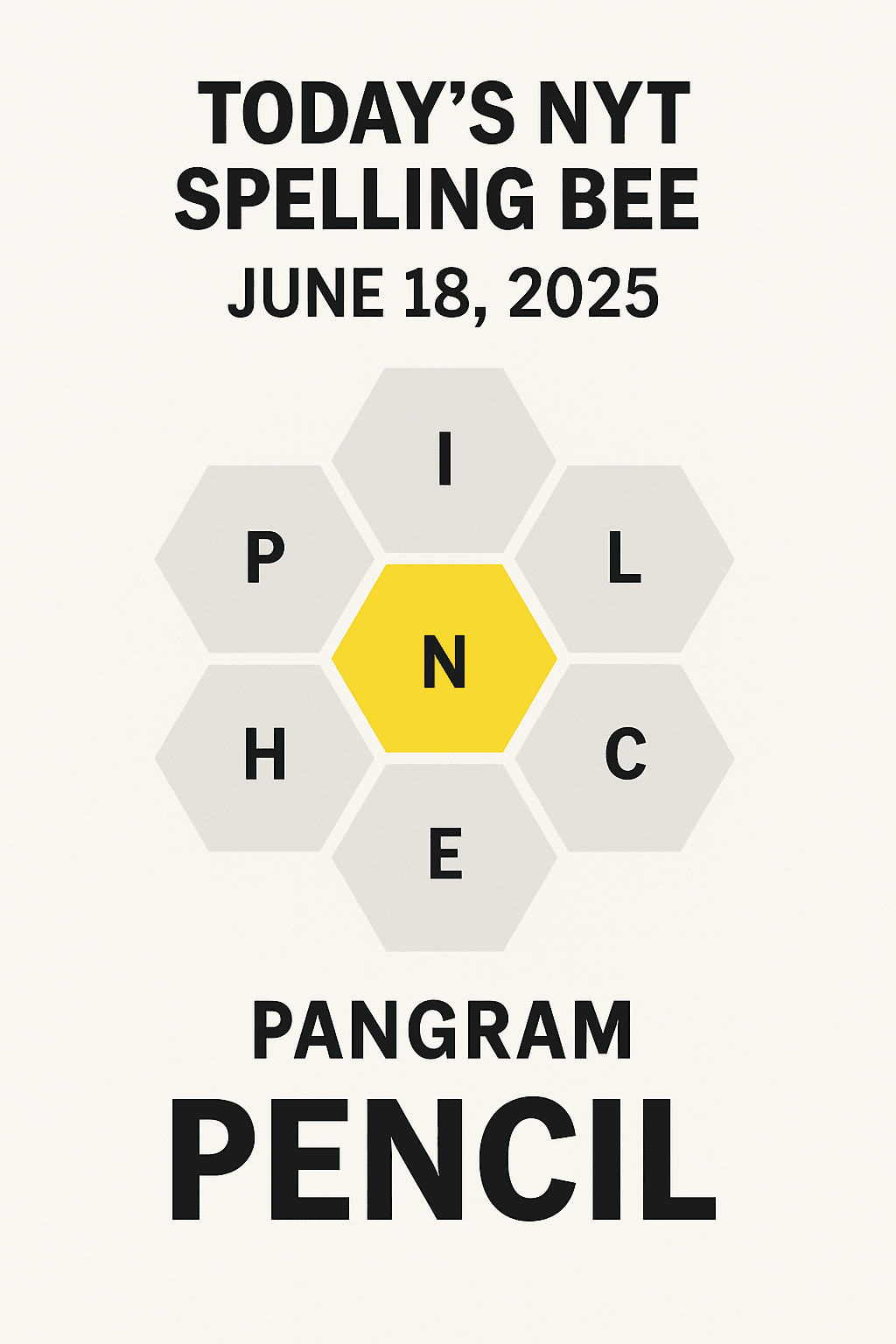
The New York Times as a Chronicler of Completeness
If The New York Times were to publish a “pangram” today, it would likely be a deep dive into a specific aspect of a destination, presented with the publication’s characteristic rigor and insight. It wouldn’t be a literal pangram sentence but rather an article that aims for a comprehensive portrayal, touching upon all significant elements. For instance, a feature on Kyoto, Japan might explore not just its serene temples and gardens but also its vibrant culinary scene, its traditional crafts, its modern art movement, and the subtle nuances of its social etiquette.
This philosophical lens transforms the title from a linguistic curiosity into an invitation to explore the world with a profound sense of thoroughness and appreciation. The “New York Times Pangram” isn’t just a sentence; it’s a mindset—a commitment to experiencing the world in its entirety, letter by letter, facet by facet.
LifeOutOfTheBox is a participant in the Amazon Services LLC Associates Program, an affiliate advertising program designed to provide a means for sites to earn advertising fees by advertising and linking to Amazon.com. Amazon, the Amazon logo, AmazonSupply, and the AmazonSupply logo are trademarks of Amazon.com, Inc. or its affiliates. As an Amazon Associate we earn affiliate commissions from qualifying purchases.