
New York, a state synonymous with iconic skylines, sprawling natural beauty, and a rich tapestry of cultures, is not a singular entity but a mosaic of distinct regions, each offering a unique flavor and experience. Understanding these geographical and cultural divisions is key to unlocking the full spectrum of what this dynamic state has to offer, whether you are a seasoned traveler seeking new horizons, a curious explorer of local heritage, or a discerning individual looking for specific experiences. From the bustling metropolis that never sleeps to the serene landscapes of its upstate territories, New York’s regions cater to every whim and interest, promising an unforgettable journey.
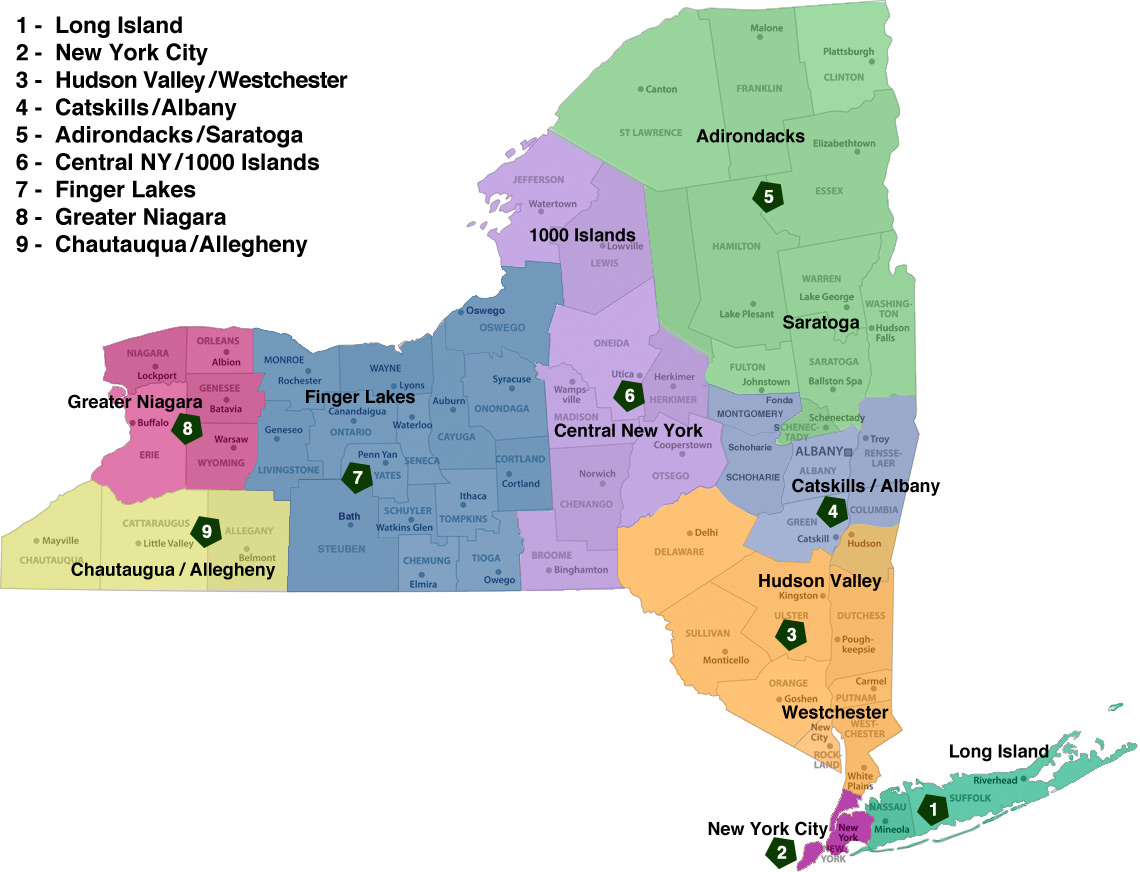
Understanding New York’s Geographic Diversity
The state of New York is broadly divided into several key regions, each characterized by its geography, history, and dominant industries. These divisions help to contextualize the state’s identity and provide a framework for understanding its diverse attractions and offerings.
The Metropolitan Heart: New York City and Its Environs
At the epicenter of New York’s global recognition lies New York City, a pulsating hub of commerce, culture, and creativity. This urban sprawl itself is often considered a region, encompassing five distinct boroughs: Manhattan, Brooklyn, Queens, The Bronx, and Staten Island. Each borough possesses its own unique character, from the towering skyscrapers and world-class museums of Manhattan to the vibrant artistic communities and diverse culinary scenes of Brooklyn and Queens.
Beyond the immediate city limits, the metropolitan region extends into parts of Long Island, a suburban expanse known for its picturesque beaches, affluent communities, and wine country. The northern reaches of the metropolitan influence also touch upon areas of the Hudson Valley, blurring the lines between urban and rural. This region is defined by its density, its unparalleled access to global transit, and its role as a magnet for international tourism and business.
The Majestic Hudson Valley
Stretching north from the outskirts of New York City, the Hudson Valley is a region steeped in American history and breathtaking natural beauty. This fertile river valley, carved by the mighty Hudson River, is dotted with historic estates, charming towns, and significant landmarks that played pivotal roles in the nation’s founding.
Historical Significance and Presidential Estates
The Hudson Valley served as a critical strategic corridor during the American Revolutionary War, with sites like West Point and Fort Montgomery bearing testament to its military importance. It was also the favored retreat of many influential figures. The opulent estates of figures like Franklin D. Roosevelt in Hyde Park and Theodore Roosevelt in Oyster Bay (though technically on Long Island, its historical ties often link it to the broader Hudson Valley narrative) offer a glimpse into America’s past leadership. The Vanderbilt Mansion National Historic Site and KyKuit, the Rockefeller Estate further showcase the region’s aristocratic heritage.
Natural Beauty and Recreational Opportunities
Beyond its historical resonance, the Hudson Valley is celebrated for its picturesque landscapes. The Shawangunk Mountains, often referred to as “The Gunks,” offer world-class rock climbing and stunning vistas. Numerous state parks, including Bear Mountain State Park and Harriman State Park, provide extensive hiking trails, boating opportunities, and family-friendly recreation. The fertile land also supports a burgeoning agricultural scene, with numerous farms, orchards, and wineries contributing to the region’s gastronomic appeal.
The Unspoiled Wilderness: The Adirondacks and Catskills
To the north and west of the Hudson Valley lie two of New York’s most significant natural treasures: the Adirondack Mountains and the Catskill Mountains. These regions represent the wilder, more untamed side of the state, offering a stark contrast to the urban intensity of New York City.
The Adirondack Park: A Mountainous Paradise
The Adirondack Park is the largest state park in the contiguous United States, a vast wilderness of mountains, lakes, and forests. It is a haven for outdoor enthusiasts, offering unparalleled opportunities for hiking, camping, fishing, boating, and skiing. The High Peaks Wilderness Area, with its numerous peaks over 4,000 feet, is a mecca for serious hikers and mountaineers. Lake Placid, famous for hosting two Winter Olympic Games, remains a year-round destination for sports and recreation, with attractions like the Olympic Museum and the Olympic Jumping Complex. The sheer scale and pristine nature of the Adirondacks make it a critical ecological resource and a cherished escape for those seeking tranquility and adventure.
The Catskills: Rolling Hills and Cultural Retreats
The Catskill Mountains, often depicted in art and literature, offer a gentler, more rolling terrain compared to the rugged Adirondacks. This region has a rich history as a resort destination, particularly for New Yorkers seeking respite from the summer heat. Famous for its “Borscht Belt” era of Jewish resorts, the Catskills have reinvented themselves as a destination for nature lovers, artists, and those seeking a more laid-back escape. The Catskill State Park provides numerous hiking trails, including access to the iconic Kaaterskill Falls, one of New York’s tallest cascading waterfalls. The region’s charming towns, like Woodstock and Phoenicia, have attracted a bohemian and artistic community, contributing to a vibrant local culture that blends nature with creativity.
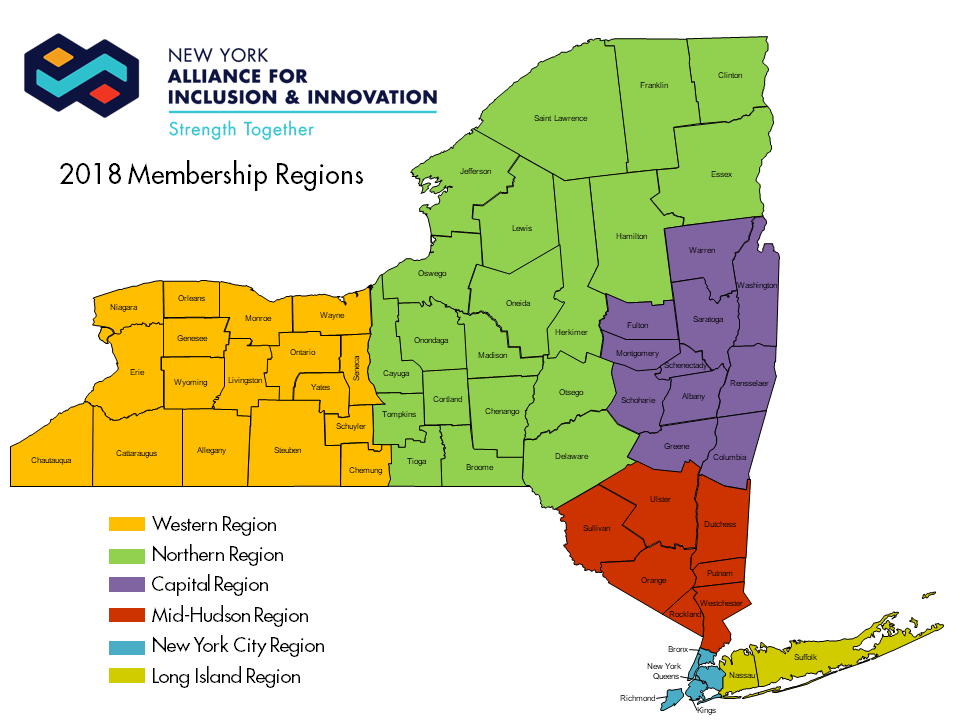
The Agricultural Heartland: Western New York and the Finger Lakes
Moving further west, New York transforms into a landscape of rolling farmland, pristine lakes, and vibrant communities. This region is known for its agricultural bounty and its stunning geographical features.
The Finger Lakes: Wine, Water, and Wonder
The Finger Lakes region is an internationally renowned destination for wine enthusiasts, boasting over 100 wineries and a unique terroir influenced by the glacial lakes. The distinctively long, narrow lakes, resembling fingers, offer breathtaking scenery and ample opportunities for boating, fishing, and swimming. Towns like Skaneatune and Geneva serve as gateways to exploring the wineries and the natural beauty of the area. Beyond wine, the region is known for its charming lakeside communities, historical sites like the Erie Canal, and natural wonders such as Watkins Glen State Park, famous for its dramatic gorges and waterfalls.
Western New York: From Industry to Natural Wonders
Western New York encompasses a diverse array of landscapes and experiences. Buffalo, the state’s second-largest city, is undergoing a renaissance, with a revitalized waterfront, a burgeoning culinary scene, and a rich architectural heritage. Its proximity to Niagara Falls makes it a gateway to one of the world’s most spectacular natural wonders. The region also includes areas known for their agricultural production, particularly in fruits and vegetables. The unique microclimates along the southern shores of Lake Erie and Lake Ontario support extensive fruit orchards, contributing to the region’s reputation as a producer of apples, cherries, and grapes.
The Northern Frontier: The St. Lawrence Valley and Thousand Islands
At the northernmost edge of the state, along the border with Canada, lies the St. Lawrence Valley and the iconic Thousand Islands. This region is defined by the majestic St. Lawrence River, a vital waterway connecting the Great Lakes to the Atlantic Ocean.
The Thousand Islands: A Glimpse of Grandeur
The Thousand Islands is an archipelago of 1,864 islands scattered across the river between New York and Ontario, Canada. This region is synonymous with luxurious Gilded Age estates, like the magnificent Boldt Castle, a testament to a bygone era of opulence and romantic architecture. Boat tours are the quintessential way to experience the islands, offering glimpses of hidden coves, waterfront mansions, and the sheer natural beauty of the river. The area is also a prime destination for fishing, sailing, and kayaking, attracting visitors who appreciate its serene waters and picturesque settings.
The St. Lawrence River: A Lifeline of Commerce and Nature
The St. Lawrence River itself is a critical component of the region, supporting significant commercial shipping traffic through the Saint Lawrence Seaway. Beyond its economic importance, the river is a vital ecological corridor, home to diverse wildlife and offering opportunities for nature observation. Towns along the river, such as Alexandria Bay and Clayton, serve as charming hubs for exploring this unique waterway and its surrounding natural beauty.
Central New York: A Crossroads of History and Innovation
Central New York occupies a strategic position within the state, bridging the gap between the metropolitan areas and the more remote regions. It is a land of historical significance, agricultural productivity, and burgeoning innovation.
The Mohawk Valley and the Cradle of Innovation
The Mohawk Valley has been a crucial corridor for centuries, first for Native American tribes and later for westward expansion. Towns like Utica and Rome have a rich industrial past and are now diversifying with new industries and cultural attractions. The region is also home to universities and research institutions that are driving innovation in areas like technology and advanced manufacturing.

The Oneida Lake Region and Agricultural Landscapes
Oneida Lake, the largest lake entirely within New York, is a central feature of the region, offering recreational opportunities and supporting local economies. Central New York is also characterized by its extensive agricultural lands, producing a variety of crops and dairy products. The region’s network of canals, including remnants of the Erie Canal, speaks to its historical importance as a transportation hub.
In conclusion, New York is a state of remarkable regional diversity. Each area, from the urban intensity of New York City to the wild expanse of the Adirondacks, the historical charm of the Hudson Valley, the wine-laden beauty of the Finger Lakes, and the tranquil waters of the Thousand Islands, offers a distinct and compelling experience. To truly understand and appreciate the multifaceted nature of New York, one must explore its varied regions, discovering the unique character and offerings that make this state a world-class destination.
LifeOutOfTheBox is a participant in the Amazon Services LLC Associates Program, an affiliate advertising program designed to provide a means for sites to earn advertising fees by advertising and linking to Amazon.com. Amazon, the Amazon logo, AmazonSupply, and the AmazonSupply logo are trademarks of Amazon.com, Inc. or its affiliates. As an Amazon Associate we earn affiliate commissions from qualifying purchases.