
Understanding the nuances of New York State income tax is a crucial element for any traveler or temporary resident planning an extended stay within its borders. While often associated with bustling metropolises like New York City, the Empire State encompasses a diverse landscape, from the scenic Adirondack Mountains to the vibrant vineyards of the Finger Lakes. For those considering a trip that extends beyond a typical vacation, or perhaps a longer-term accommodation, grasping the tax implications is part of a well-rounded travel plan. This guide aims to demystify the state income tax for New York, offering insights relevant to travelers and those exploring longer stays in this dynamic region.
Understanding the Basics of New York State Income Tax
The New York State income tax is levied on various types of income earned by residents and non-residents who conduct activities within the state. This includes wages, salaries, tips, business income, capital gains, dividends, and interest. The tax structure is progressive, meaning that higher earners pay a larger percentage of their income in taxes. This system is designed to generate revenue for state services, infrastructure, and public programs that enhance the quality of life for its residents and visitors alike.
Residency and Tax Liability
Determining residency is paramount when considering New York State income tax. Generally, you are considered a resident if you have a domicile in New York and spend more than 183 days in the state during the tax year. Even if you are not a full-time resident, you may be subject to taxes on income earned from sources within New York. This distinction is particularly relevant for travelers who might be spending extended periods for work, study, or long-term leisure. For instance, someone renting an apartment in New York City for several months to explore its cultural attractions, such as the Metropolitan Museum of Art or catching Broadway shows, might need to consider their tax obligations.
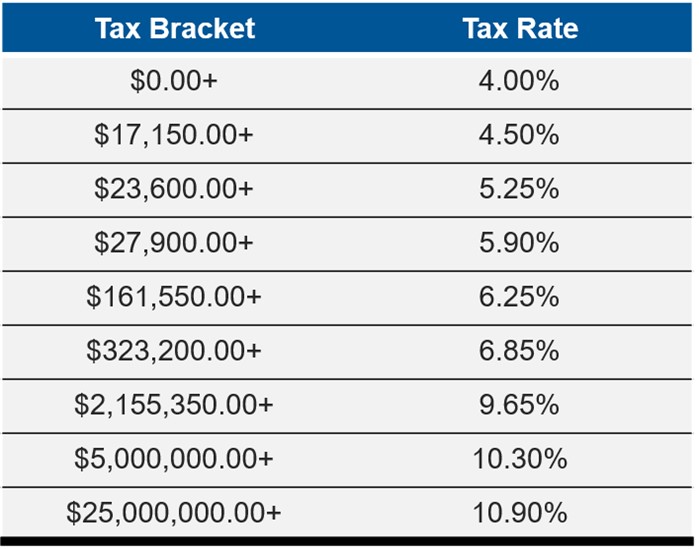
Tax Brackets and Rates
New York State income tax rates vary based on your income level and filing status (e.g., single, married filing jointly, head of household). The state employs a tiered system, with different rates applied to different portions of your income. These rates can change annually, so it’s always advisable to consult the most current information from the New York State Department of Taxation and Finance.
For example, in recent years, tax rates have ranged from a low of 4% for lower income brackets to over 8.82% for higher income brackets. These rates apply to taxable income, which is your gross income minus allowable deductions and exemptions. Understanding these brackets is essential for budgeting, especially if you are planning a prolonged stay or a significant expenditure in the state.
Navigating Tax Implications for Travelers and Long-Term Visitors
While most short-term tourists are unlikely to incur significant state income tax liabilities, those planning extended stays, working remotely from New York, or engaging in business activities within the state may find themselves subject to these taxes.
Income Earned While in New York
If you are traveling to New York for work, even if it’s a temporary assignment or freelance gig, the income generated from those services performed within the state is generally taxable by New York. This applies whether you are staying in a hotel in Buffalo or renting a vacation home in the Catskill Mountains. The key is where the services are rendered.
For those who are exploring the possibility of long-term accommodation, such as renting an apartment in Albany for a season to explore the state’s historical sites like the New York State Museum, understanding your residency status and its tax implications becomes important.
Special Considerations for Non-Residents
New York has specific rules for non-residents. If you are not a resident but earn income from a New York source, you will likely need to file a non-resident tax return and pay taxes on that income. This could include income from rental properties owned in New York, investments in New York businesses, or any services performed within the state’s boundaries. For instance, a digital nomad working remotely from a café in Syracuse while vacationing might need to be aware of these rules.

Deductions and Credits Available
New York offers various deductions and credits that can help reduce your overall tax liability. These can include deductions for dependents, medical expenses, student loan interest, and contributions to retirement accounts. There are also specific credits available, such as the Empire State Child Credit or the Earned Income Tax Credit, designed to benefit certain taxpayers. If you are considering a longer stay, especially for work or to establish a temporary residence, exploring these can be beneficial for your financial planning.
Practical Advice for Travelers and Extended Visitors
For travelers, the primary concern regarding New York State income tax is typically minimal unless their stay involves earning income. However, for those planning more immersive experiences, such as extended stays in a suite at a resort in the Hamptons or renting a villa for several months to explore the region’s wineries and culinary scene, understanding tax obligations is a prudent step.
Filing Your Return
If you determine that you owe New York State income tax, you will need to file a tax return. Residents file Form IT-201, while non-residents file Form IT-203. The filing deadline is typically April 15th, coinciding with the federal tax filing deadline. Extensions can be requested if needed.
Seeking Professional Advice
Given the complexities of tax law, especially when dealing with residency and income sourcing, seeking advice from a qualified tax professional is highly recommended. They can help you navigate the intricacies of New York State income tax, ensure you are taking advantage of all eligible deductions and credits, and help you comply with all filing requirements. This is especially true if you are undertaking a significant move or a long-term work assignment in the state.
The Role of Local Taxes and Other Considerations
Beyond the state income tax, it’s worth noting that some localities within New York may also impose local income taxes. For instance, residents and individuals working in New York City are subject to the city’s income tax in addition to the state tax. This is a crucial detail for anyone spending a significant amount of time or earning income in the city.
New York City Income Tax
The New York City tax rates are separate from the state rates and are also progressive. Understanding both the state and city tax obligations is vital for accurate financial planning if you are residing or working within the five boroughs. This includes areas famous for their attractions like Central Park or landmarks like the Statue of Liberty.
Sales Tax and Other Visitor-Related Taxes
While not income tax, visitors should also be aware of New York’s sales tax, which applies to most retail purchases, meals, and services. The state sales tax rate is 4%, with additional local sales taxes that can bring the total rate higher in many areas. Understanding these varying rates can help budget for your travel expenses, whether you’re shopping in Manhattan or enjoying a meal upstate.
Conclusion
For the average traveler, the intricacies of New York State income tax are unlikely to be a primary concern. However, for those planning extended stays, engaging in temporary work, or considering establishing a longer-term presence for leisure or personal pursuits, a thorough understanding of the state’s tax system is essential. By being informed about residency rules, tax brackets, potential deductions, and local tax impositions, travelers and visitors can navigate their time in the Empire State with greater confidence and preparedness, ensuring a smoother and more enjoyable experience. Whether you are drawn to the urban energy of New York City, the natural beauty of the Adirondacks, or the cultural offerings of its many cities, a little tax knowledge can go a long way in enhancing your overall travel experience.
LifeOutOfTheBox is a participant in the Amazon Services LLC Associates Program, an affiliate advertising program designed to provide a means for sites to earn advertising fees by advertising and linking to Amazon.com. Amazon, the Amazon logo, AmazonSupply, and the AmazonSupply logo are trademarks of Amazon.com, Inc. or its affiliates. As an Amazon Associate we earn affiliate commissions from qualifying purchases.