
Navigating the financial landscape of any destination is crucial for travelers, and understanding the tax implications can significantly impact your budget. When planning a trip to New York, whether for leisure, business, or a prolonged stay, grasping the intricacies of its tax rates is paramount. This guide delves into the various tax components that a visitor or temporary resident might encounter, offering clarity and empowering informed decision-making. From sales tax on souvenirs in Times Square to potential taxes on accommodation and income for longer stays, we will break down what you need to know to make your New York experience both enjoyable and financially sound.
Sales and Use Tax in New York
The most commonly encountered tax for visitors in New York is the sales and use tax. This tax applies to the retail sale of tangible personal property and certain services. The rate can vary significantly depending on the specific location within New York, as it includes a state component, a local (county) component, and in some cases, a metropolitan commuter transportation district (MCTD) surcharge.
State Sales Tax
The standard New York State sales tax rate is 4%. This forms the base rate for most transactions across the state. However, this is rarely the final rate you will pay.
Local Sales Tax
Each county in New York has the authority to impose its own local sales tax. These rates can range from 0% to over 8%. For instance, New York City has a substantial local sales tax. The combined state and local rate can therefore reach significant levels.
Metropolitan Commuter Transportation District (MCTD) Surcharge
In the 12 counties that comprise the Metropolitan Commuter Transportation District, an additional 0.375% surcharge is levied. This district includes New York City, as well as Nassau, Suffolk, Orange, Rockland, Putnam, Dutchess, and Westchester counties. This surcharge is specifically for the benefit of the Metropolitan Transportation Authority.
Combined Rates and Examples
To illustrate, let’s consider some common tourist destinations:
-
New York City: Visitors shopping on Fifth Avenue or dining in Greenwich Village will typically face the highest combined rate. This is a combination of the 4% state tax, New York City’s 4.5% local tax, and the 0.375% MCTD surcharge, resulting in a total sales tax rate of 8.875%. This applies to most goods and services, from purchasing a designer handbag at Bergdorf Goodman to enjoying a Broadway show ticket.
-
Long Island (Nassau and Suffolk Counties): These counties are part of the MCTD. The combined rate is 4% (state) + 3.125% (local) + 0.375% (MCTD surcharge) = 7.5%. So, a purchase made in Hempstead or near the beaches of Montauk would be subject to this rate.
-
Upstate New York (e.g., Albany, Buffalo, Rochester): While these cities are outside the MCTD, they still have local sales taxes. For example, Albany County’s rate might be 4% (state) + 4% (local) = 8%. Similarly, Erie County (where Buffalo is located) has a combined rate of 8.75%. The specific local rates can fluctuate, so it’s always wise to check current figures for the particular county you are visiting.
Exemptions and Exceptions
Certain goods and services are exempt from sales tax in New York. These often include:
- Most food and beverages purchased for off-premises consumption (groceries).
- Prescription medications.
- Certain clothing and footwear items priced under $110 per article.
- Newspapers and magazines.
- Services such as professional services (legal, accounting), real estate brokerage, and certain repair services on clothing and footwear may also be exempt or taxed at different rates depending on the service.
Use Tax
Use tax is complementary to sales tax and applies when you purchase tangible personal property or services outside New York for use or consumption within New York, and sales tax was not paid at the time of purchase. For example, if you buy an item online from an out-of-state retailer who does not collect New York sales tax, you are generally liable for New York use tax at the applicable rate. This is crucial for individuals who might be residing in New York for an extended period, such as students at Columbia University or professionals on assignment.
Taxes on Accommodation
When you book a hotel, resort, or vacation rental in New York, you will encounter additional taxes and fees beyond the standard sales tax. These are often levied by the state, city, and sometimes tourism promotion agencies.

Hotel Room Occupancy Taxes
These taxes are levied on the rental of hotel rooms and similar accommodations. The rates vary significantly by location.
-
New York City: This is one of the areas with the highest occupancy taxes. The combined rate can be substantial, often exceeding 14.75% of the room rate. This includes state, city, and Metropolitan Transportation Authority surcharges. For example, a room at the iconic Plaza Hotel or a more budget-friendly option in Midtown will have this tax added.
-
Other Areas: Outside New York City, occupancy tax rates can range from a few percent to over 10%, depending on the county and specific municipality’s regulations. Some popular tourist destinations or convention hubs may have higher rates to fund local tourism initiatives.
Additional Fees
Beyond occupancy taxes, hotels often charge mandatory fees, such as:
- Resort Fees: Common in higher-end hotels and resorts, these fees cover amenities like Wi-Fi, gym access, pool usage, or local calls, even if you don’t use them.
- Service Fees: These can cover various services provided by the hotel.
- Housekeeping Fees: Sometimes charged separately, especially for extended stays.
It is essential to review the total price, including all taxes and fees, before confirming a booking at any accommodation, whether it’s a luxury suite at the Ritz-Carlton or a cozy bed and breakfast in the Hudson Valley.
Income and Other Taxes for Longer Stays
For individuals who are not just tourists but plan to work, study, or establish a temporary residence in New York, understanding income tax and other potential liabilities becomes critical.
Resident vs. Non-Resident Status
New York has a progressive income tax system. Whether you are considered a resident or a non-resident for tax purposes significantly impacts your tax obligations.
-
Resident: A New York resident is generally taxed on all income, regardless of where it is earned. Residency is typically determined by domicile (your permanent home) and the amount of time spent in New York. Spending more than 183 days in the state can also lead to residency status, even if your domicile is elsewhere.
-
Non-Resident: A non-resident is only taxed on income derived from New York sources. This could include income from employment performed in New York, business conducted in the state, or rental income from property located in New York.
New York State Income Tax Rates
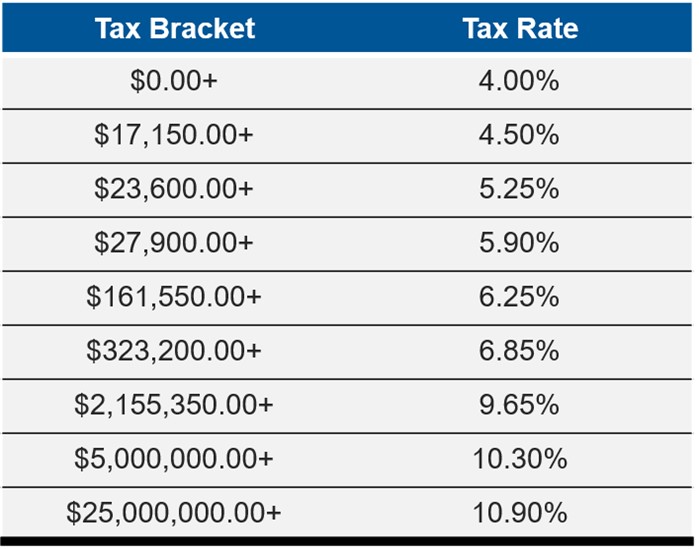
New York State income tax rates are progressive, meaning they increase as your income increases. For the 2023 tax year, the rates range from 4% to 10.9% for the highest earners. These rates apply to taxable income after deductions and exemptions.
New York City Income Tax
In addition to state income tax, residents of New York City are also subject to a city income tax. This tax is levied on New York City residents and, in some cases, on non-residents who earn income within the city. The New York City income tax rates are also progressive, adding another layer to your tax burden if you live and work within the five boroughs.
Other Potential Taxes
- Property Taxes: If you own property in New York, you will be subject to local property taxes, which can vary significantly depending on the municipality and the assessed value of the property. This is typically not a concern for short-term visitors.
- Business Taxes: Businesses operating in New York are subject to various state and local business taxes, including corporate franchise tax, unincorporated business tax, and sales tax on business-to-business transactions if applicable.
Making Informed Financial Decisions
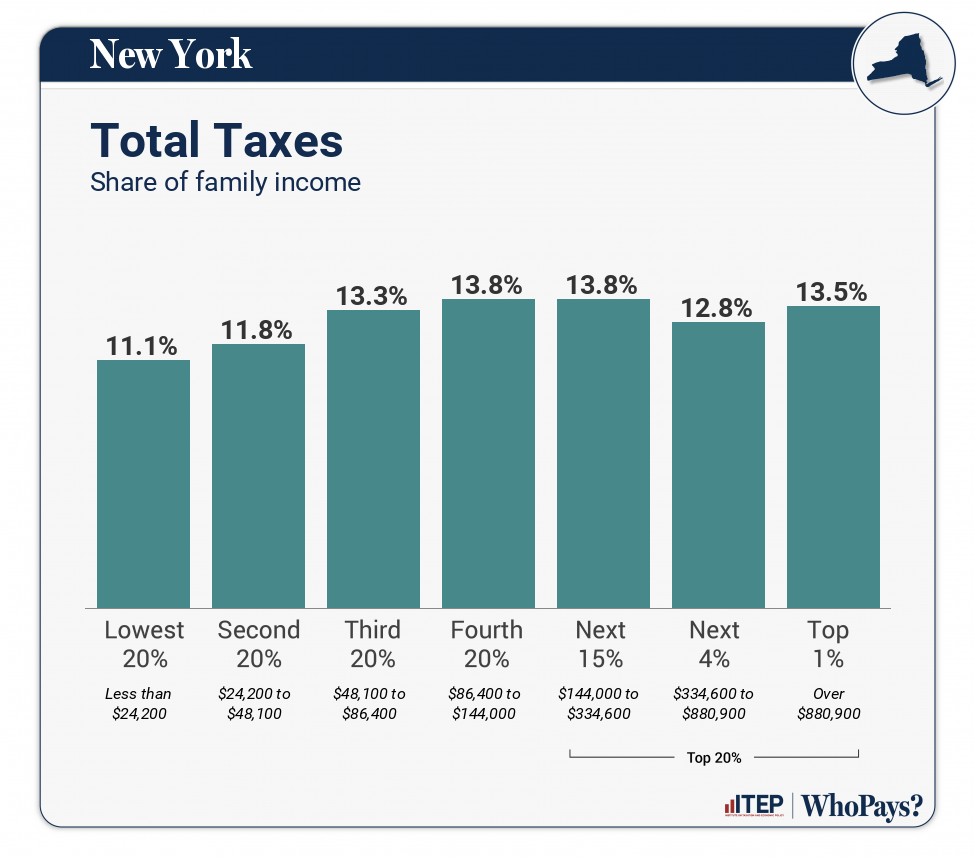
Understanding the tax landscape in New York empowers you to budget more effectively and avoid unexpected expenses. Whether you are planning a brief visit to see the Statue of Liberty and Central Park, a week-long stay enjoying the cultural offerings of Broadway, or a longer period for work or study, being aware of sales tax, occupancy taxes, and potential income tax implications is crucial.
Always check the most current tax rates for the specific locations you plan to visit or reside in, as these can change. Local government websites and the New York State Department of Taxation and Finance are excellent resources for up-to-date information. By factoring these costs into your travel plans, you can ensure a smoother and more predictable financial experience in the Empire State.
LifeOutOfTheBox is a participant in the Amazon Services LLC Associates Program, an affiliate advertising program designed to provide a means for sites to earn advertising fees by advertising and linking to Amazon.com. Amazon, the Amazon logo, AmazonSupply, and the AmazonSupply logo are trademarks of Amazon.com, Inc. or its affiliates. As an Amazon Associate we earn affiliate commissions from qualifying purchases.