
Navigating the complexities of time zones is an essential part of modern global interaction, and for travelers, business professionals, and anyone connecting with the vibrant metropolis of New York, understanding its temporal framework is paramount. The city that never sleeps operates under a specific and consistent time zone, one that influences everything from flight schedules and meeting arrangements to the very rhythm of daily life for its millions of residents and visitors. This fundamental piece of information is not merely a detail; it’s a critical component of planning and experiencing all that New York City has to offer.
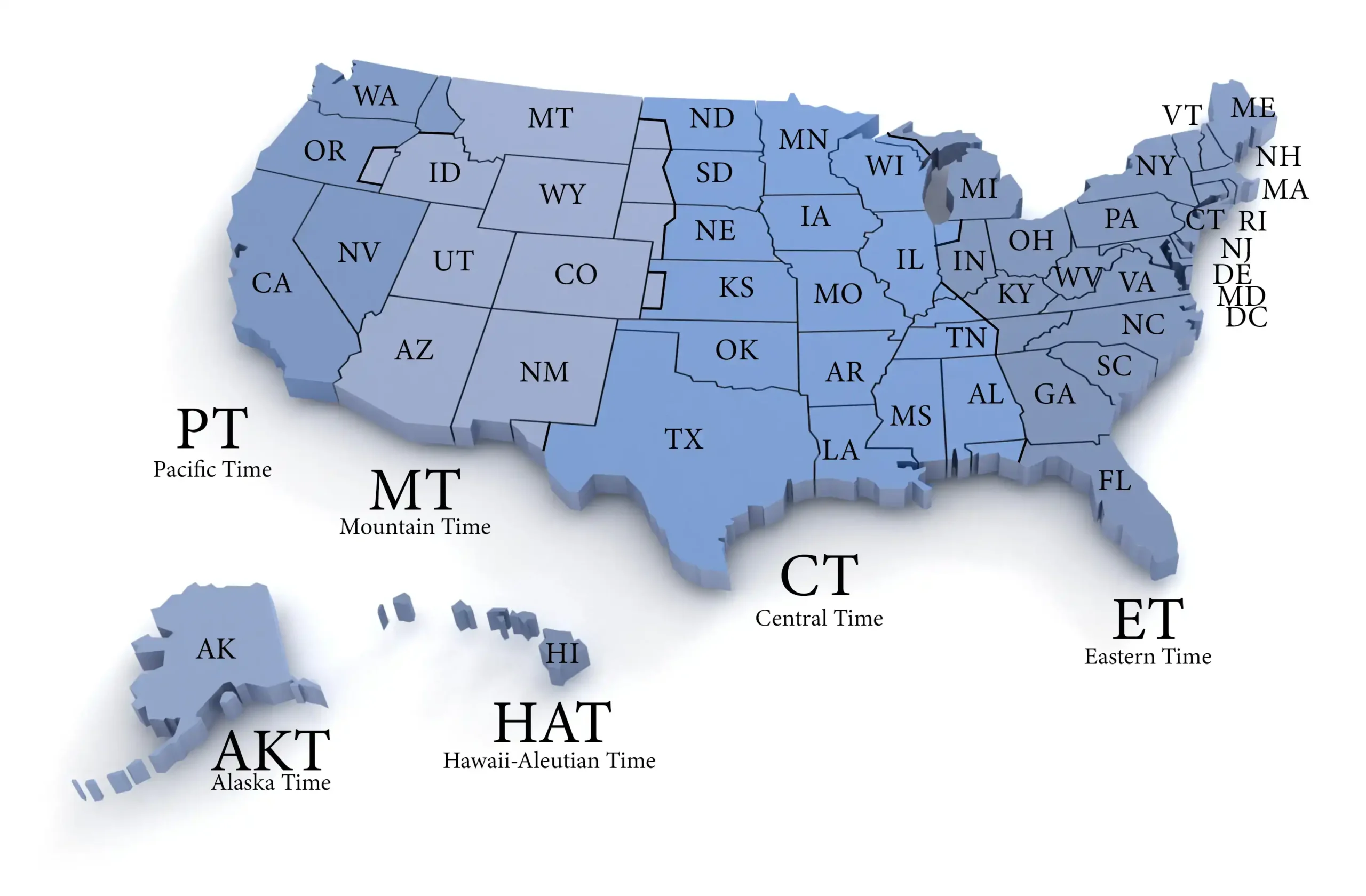
Eastern Standard Time: The Temporal Anchor of New York
At its core, New York observes Eastern Standard Time (EST) during the winter months and Eastern Daylight Time (EDT) during the warmer months. This designation places it within the North American time zone system, specifically as part of the Eastern Time Zone. This zone stretches across a significant portion of the eastern United States, from the Atlantic coast westward to the edges of the central time zone. For New York City, this translates to a UTC (Coordinated Universal Time) offset of UTC-5 for EST and UTC-4 for EDT. This consistent temporal reference point is what allows seamless coordination with other parts of the country and the world.
Understanding Daylight Saving Time
The transition between EST and EDT, commonly known as Daylight Saving Time, is a practice observed in New York and many other regions. In the United States, Daylight Saving Time typically begins on the second Sunday in March and ends on the first Sunday in November. On these dates, clocks are adjusted forward by one hour in the spring and backward by one hour in the fall.
- Spring Forward: As Daylight Saving Time commences, clocks in New York are moved forward one hour. This means that 2:00 AM EST becomes 3:00 AM EDT. This change is designed to make better use of daylight during the longer days of summer.
- Fall Back: When Daylight Saving Time concludes, clocks are set back one hour. 2:00 AM EDT reverts to 1:00 AM EST. This adjustment brings the time back in line with standard solar time.
The observance of Daylight Saving Time means that the UTC offset for New York fluctuates throughout the year. This is a critical consideration for anyone scheduling international calls, planning travel itineraries, or coordinating with individuals in different time zones. For instance, a business meeting scheduled for 10:00 AM in New York during EDT will be one hour earlier in UTC than a meeting scheduled for 10:00 AM during EST. This seemingly small shift can have significant implications for global communication and operations.
Geographical and Political Context
The Eastern Time Zone, and by extension New York, is a significant hub for finance, culture, and media. Its time zone status aligns it with other major financial centers like Toronto and Mexico City, facilitating crucial market operations. Politically, it also aligns with Washington D.C., the nation’s capital, allowing for synchronized governmental activities and communications. This broad geographical and political alignment underscores the importance of the Eastern Time Zone in the fabric of North American life.
Implications for Travelers and Business Professionals
For those planning a visit to New York, whether for leisure or business, understanding the time zone is a fundamental step. It impacts everything from booking flights and hotel rooms to scheduling tours and appointments.
Travel Planning
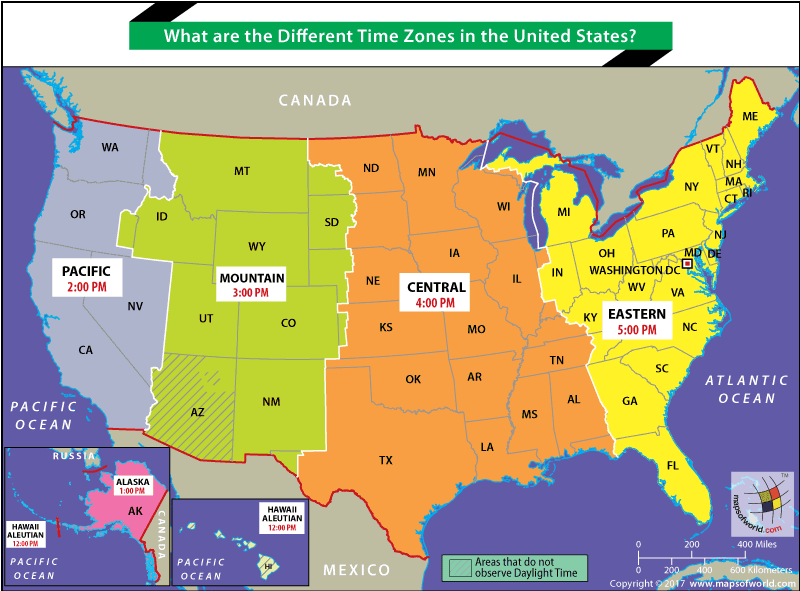
When booking flights to major New York airports such as John F. Kennedy International Airport (JFK), LaGuardia Airport (LGA), or Newark Liberty International Airport (EWR), flight schedules will be listed in local New York time. This means that if you are traveling from a different time zone, you must account for the difference when calculating arrival times and making onward travel arrangements within the city. For instance, if you are flying from Los Angeles, which observes Pacific Time (PT), you will need to consider the three-hour difference between Pacific Time and Eastern Time.
Similarly, when booking accommodation, especially if you are arriving late at night or departing early in the morning, knowing the local time in New York is essential to avoid any misunderstandings with check-in or check-out times. Many hotels, such as the iconic Plaza Hotel or the modern Ritz-Carlton New York, Central Park, will operate their front desks and services according to EST or EDT.
Business Coordination
In the realm of international business, the time zone of New York plays a crucial role. As a global financial powerhouse, Wall Street operates during EST/EDT, influencing market openings and closings worldwide. Businesses that have operations or clients in New York must meticulously manage their schedules to ensure effective communication and timely execution of tasks.
- International Calls: Scheduling conference calls with colleagues or clients in Europe, for example, requires careful consideration of the time difference. A call scheduled for 9:00 AM EDT in New York would be 2:00 PM in London (during BST) or 3:00 PM in Paris (during CEST). Conversely, a call with someone in Tokyo would necessitate very early morning or late evening coordination from New York.
- Project Deadlines: Project managers coordinating with teams across different continents must factor in the time zone differences when setting deadlines and expecting deliverables. What might be the end of the workday in New York could be the beginning of it for a team in Asia.
- Synchronization of Systems: For businesses relying on synchronized data or automated processes, understanding the exact time zone and any potential shifts due to Daylight Saving Time is critical to prevent system errors or data discrepancies.
Navigating Time Zones Effectively
While the concept of time zones might seem straightforward, in practice, it requires diligence. Here are some tips for effectively managing time zone differences when interacting with or planning for New York.
Utilize Online Tools and Apps
Numerous online resources and mobile applications are available to help you easily convert times between different zones. Websites like TimeandDate.com or built-in features on smartphones allow you to add New York as a saved location and instantly see the current time there, as well as convert it to your local time. These tools are invaluable for real-time communication and planning.
Confirm Time Zones Explicitly
When scheduling important meetings or calls, it is always advisable to explicitly confirm the time zone. Instead of saying “Let’s meet at 10 AM,” it’s more precise to say, “Let’s meet at 10 AM EST/EDT [New York] time.” This eliminates any ambiguity, especially when working with international partners who may use different conventions or have different understandings of Daylight Saving Time.
Be Aware of Daylight Saving Time Transitions
The dates for the beginning and end of Daylight Saving Time can vary slightly by country and region. While the United States has a standardized schedule, other parts of the world may not observe it, or they may observe it on different dates. When coordinating with international parties, always verify their local timekeeping practices, particularly around the spring and autumn transition periods. This is especially relevant if your business or travel plans coincide with these transition weeks, as the time difference can temporarily change.
Consider Jet Lag
For travelers arriving in New York from distant time zones, jet lag is a significant factor. The eastward journey typically leads to more pronounced jet lag than westward travel, as the body struggles to adjust to earlier wake-up times. Planning your itinerary to allow for adjustment, staying hydrated, and exposing yourself to natural light at appropriate times can help mitigate the effects of jet lag, ensuring you can fully enjoy your time exploring iconic landmarks like the Empire State Building or experiencing Broadway shows.

The Enduring Significance of New York’s Time Zone
The temporal framework of New York is more than just a setting on a clock; it is an intrinsic part of its identity and its role in the global landscape. As a nexus of commerce, culture, and innovation, the consistent and well-understood Eastern Time Zone provides a stable anchor for its operations. For travelers aiming to experience the dazzling lights of Times Square or business leaders coordinating international ventures, this temporal knowledge is an indispensable tool. By understanding and respecting the time zone of New York, whether it’s EST or EDT, individuals can navigate its dynamic environment with greater ease, ensuring seamless connections and successful endeavors in this iconic American city.
LifeOutOfTheBox is a participant in the Amazon Services LLC Associates Program, an affiliate advertising program designed to provide a means for sites to earn advertising fees by advertising and linking to Amazon.com. Amazon, the Amazon logo, AmazonSupply, and the AmazonSupply logo are trademarks of Amazon.com, Inc. or its affiliates. As an Amazon Associate we earn affiliate commissions from qualifying purchases.