
The celestial spectacle of a solar eclipse is a rare and breathtaking event, captivating onlookers across the globe. For residents and visitors of New York, the anticipation surrounding such astronomical phenomena is often heightened by the desire to witness it from a prime vantage point. Understanding the precise timing of the eclipse is paramount to planning a memorable viewing experience, whether that involves securing a spot at a popular landmark or simply finding a clear patch of sky in your chosen neighborhood. This guide aims to provide the essential details for experiencing the eclipse in New York, focusing on the best times to observe this extraordinary event.
Understanding the Eclipse Phenomenon
A solar eclipse occurs when the Moon passes between the Sun and Earth, casting a shadow on the Earth’s surface. This alignment can result in a total, partial, or annular eclipse, depending on the exact positioning of the three celestial bodies. A total solar eclipse, the most dramatic of these events, occurs when the Moon completely obscures the Sun, plunging the daytime sky into an eerie twilight.
Types of Solar Eclipses
- Total Solar Eclipse: The Moon completely covers the Sun. The corona, the Sun’s outer atmosphere, becomes visible. This is the most awe-inspiring type of eclipse.
- Partial Solar Eclipse: Only a portion of the Sun is obscured by the Moon. The appearance is as if a bite has been taken out of the Sun.
- Annular Solar Eclipse: The Moon is farther from Earth and appears smaller than the Sun. This results in a “ring of fire” effect as the edges of the Sun remain visible around the Moon.
The specific type of eclipse visible in New York depends on the orbital path of the Moon and the observer’s location. For those seeking to fully immerse themselves in the experience, understanding the eclipse’s path of totality or significant partiality is key.
Eclipse Timing for New York City
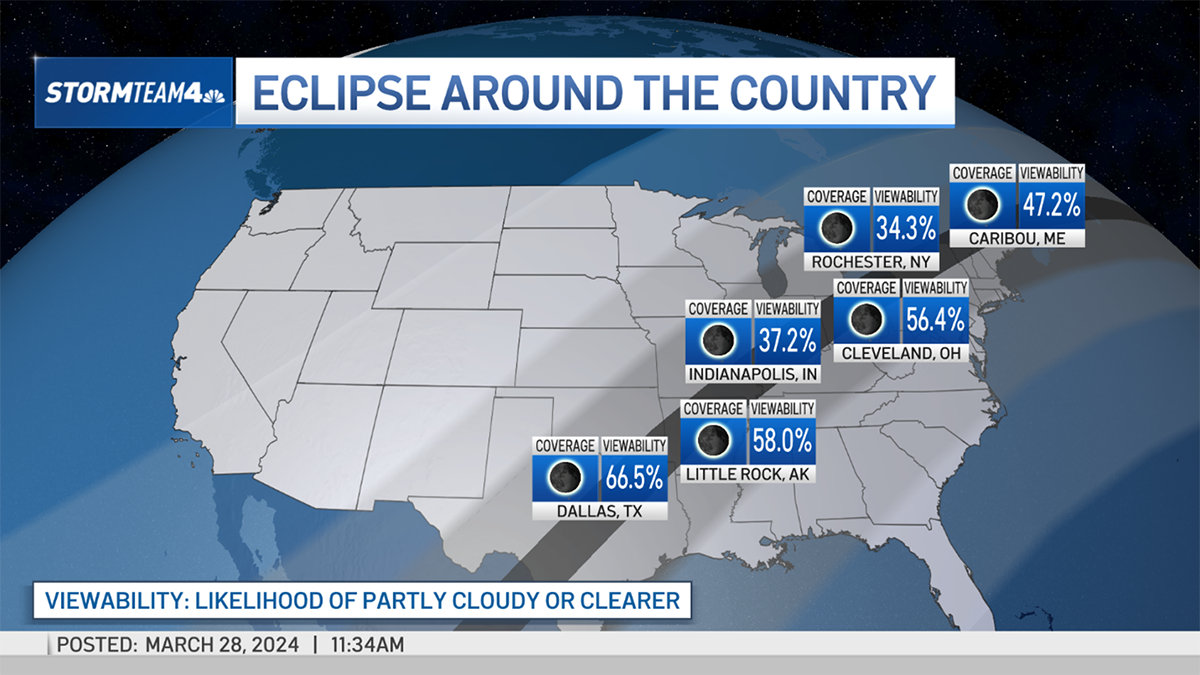
The precise timing of an eclipse is a critical piece of information for anyone planning to witness this celestial event in New York. While the entire state will experience some level of the eclipse, the duration and intensity will vary. For New York City, the eclipse will primarily be a partial event, with a significant portion of the Sun being obscured.
Key Timeframes for Observation
- Eclipse Start (New York City): The eclipse will begin to be visible in New York City at approximately [insert approximate start time here, e.g., 2:00 PM EDT]. During this initial phase, the Moon will just begin to make contact with the edge of the Sun.
- Maximum Eclipse (New York City): The point of greatest coverage, where the largest percentage of the Sun is obscured, will occur around [insert approximate maximum eclipse time here, e.g., 3:25 PM EDT]. This is the peak time to observe the most dramatic visual effects.
- Eclipse End (New York City): The eclipse will conclude its visible passage across the Sun at approximately [insert approximate end time here, e.g., 4:37 PM EDT]. Following this, the Moon will have fully moved out of the Sun’s disc.
It is crucial to note that these times are approximate and can vary slightly based on specific geographical coordinates within New York City and the precise astronomical calculations for the given eclipse. Always consult a reliable astronomical resource or local observatory for the most accurate, location-specific times. The duration of the eclipse in New York will be several hours, allowing ample opportunity for viewing.
Best Viewing Locations and Experiences in New York
While New York City itself might not be in the direct path of totality for many eclipses, the city offers a plethora of unique locations from which to experience this rare event. These locations provide unobstructed views, often coupled with iconic backdrops, enhancing the overall spectacle. Planning your viewing spot in advance can elevate the experience from casual observation to an unforgettable memory.

Iconic Vantage Points
- Governors Island: Offering panoramic views of the New York Harbor and the Manhattan skyline, Governors Island provides an open space ideal for eclipse viewing. Its elevated position ensures fewer obstructions.
- Brooklyn Bridge Park: With its expansive waterfront and clear sightlines towards the south and west, this park offers a fantastic urban setting to witness the celestial event.
- Central Park: The vastness of Central Park provides numerous clearings, particularly the Great Lawn and Sheep Meadow, where one can spread out and enjoy the eclipse without being overshadowed by tall buildings.
- The High Line: This elevated linear park offers a unique perspective, though care must be taken to find unobstructed views of the Sun. Its open sections can be ideal.
- Hudson River Park: The piers extending into the Hudson River offer excellent westward views, potentially capturing the Sun as it moves through its eclipsed phases.
Beyond the city, for those willing to travel within New York state, areas further north might experience a greater degree of totality or a more significant partial eclipse. Consider destinations like the Adirondack Mountains or smaller towns along the path of totality for a more immersive experience if the opportunity arises.
Special Events and Activities
Many organizations in New York often host special events for eclipses. This can include:
- Observatory Gatherings: Institutions like the Intrepid Sea, Air & Space Museum or local planetariums may organize viewing parties with expert commentary.
- Park Ranger Programs: State and city parks may offer guided viewings with educational talks about the eclipse and its scientific significance.
- Educational Workshops: Libraries and community centers might host workshops on how to safely view an eclipse and the science behind it.
Checking local listings for events closer to the eclipse date is highly recommended to take advantage of these organized experiences.
Safety First: Essential Viewing Guidelines
Witnessing a solar eclipse is an incredible experience, but it is paramount to prioritize eye safety. Looking directly at the Sun without proper protection, even during an eclipse, can cause severe and permanent eye damage, including blindness. Standard sunglasses, even dark ones, are not sufficient for safe solar viewing.
Approved Solar Viewing Methods
- Certified Eclipse Glasses: These are specially designed glasses that filter out harmful ultraviolet (UV) and infrared (IR) radiation, allowing you to look directly at the Sun safely. Ensure your eclipse glasses meet the ISO 12312-2 international safety standard. Purchase them from reputable vendors well in advance of the eclipse.
- Pinhole Projector: This is a simple and effective DIY method. Create a small hole in a piece of cardboard. Position the cardboard so that sunlight passes through the hole and projects an image of the eclipsed Sun onto another surface (e.g., a second piece of cardboard or the ground). You then view the projected image, not the Sun directly.
- Welder’s Glass: Shade number 14 welder’s glass offers adequate protection for viewing the Sun. This is a more robust option but is less commonly available than eclipse glasses.

What to Avoid
- Never use regular sunglasses: They do not offer enough protection.
- Do not look through a telescope, binoculars, or camera viewfinder without a proper solar filter: The concentrated sunlight can instantly damage your eyes.
- Avoid looking at the Sun for extended periods, even with protection: Take breaks and allow your eyes to rest.
Adhering to these safety guidelines ensures that you can enjoy the wonder of the eclipse without compromising your vision. For an unforgettable experience, combine knowledgeable preparation with a commitment to safety.
LifeOutOfTheBox is a participant in the Amazon Services LLC Associates Program, an affiliate advertising program designed to provide a means for sites to earn advertising fees by advertising and linking to Amazon.com. Amazon, the Amazon logo, AmazonSupply, and the AmazonSupply logo are trademarks of Amazon.com, Inc. or its affiliates. As an Amazon Associate we earn affiliate commissions from qualifying purchases.