
Understanding the minimum wage in New York State is crucial for both employees and employers, especially for those working in or planning visits to the vibrant tourism and hospitality sectors across the state. As a popular global destination, New York attracts millions of visitors annually, and the economic landscape directly impacts the experiences of everyone involved. This guide delves into the current minimum wage, its regional variations, and its implications for the tourism industry.
Understanding Minimum Wage in New York State
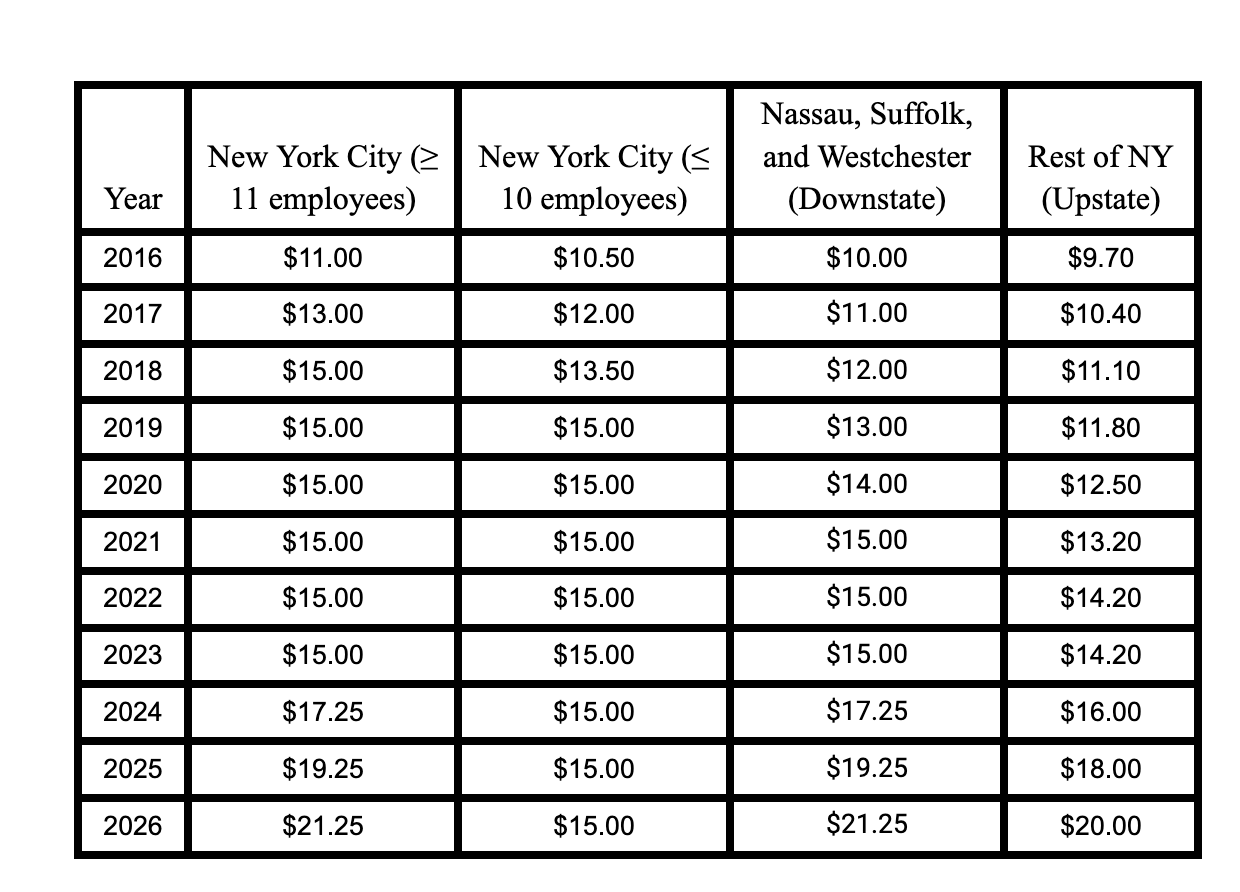
The minimum wage in New York State is not a single, uniform rate. Instead, it is differentiated based on geographic location within the state, primarily distinguishing between New York City and its surrounding suburban areas, and the rest of the state. This tiered system reflects the varying costs of living and economic conditions across different regions.
Current Minimum Wage Rates
As of January 1, 2024, the minimum wage rates in New York State are as follows:
-
New York City, Long Island, and Westchester County: $16.00 per hour. This rate applies to employees working in New York City, Nassau, Suffolk, and Westchester counties. These areas have the highest cost of living in the state, necessitating a higher minimum wage to ensure a more equitable standard of living.
-
Rest of New York State: $15.00 per hour. This rate applies to employees in all other counties of New York, including regions like the Capital Region, Western New York, and the North Country. While lower than the metropolitan area rate, this wage still represents a significant increase from previous years and is intended to support workers across the state.
These rates are subject to annual adjustments based on economic indicators, ensuring they keep pace with inflation and the cost of living. Employers are required to display posters detailing current minimum wage rates in conspicuous places where employees can see them.
Tipped Minimum Wage
A critical aspect of minimum wage in the hospitality sector is the treatment of tipped employees. In New York, employers can pay a lower cash wage to service employees who receive tips, with the understanding that tips will bring their total earnings up to the standard minimum wage. However, if tips do not reach the standard minimum wage, the employer must make up the difference.
-
New York City, Long Island, and Westchester County: The cash wage for tipped service employees is $13.35 per hour. This means that if a tipped employee does not earn at least $16.00 per hour through their base wage plus tips, the employer must supplement their earnings to reach $16.00.
-
Rest of New York State: The cash wage for tipped service employees is $12.50 per hour. Similarly, if a tipped employee in these regions does not earn at least $15.00 per hour (base wage + tips), the employer must cover the difference.
It’s important for both employers and employees in the food service industry, which is a cornerstone of New York’s tourism appeal, to be thoroughly familiar with these regulations. This includes understanding the “tip credit” system and ensuring compliance to avoid penalties.
Minimum Wage and the Tourism Industry
The minimum wage in New York State has a direct and significant impact on its robust tourism and hospitality sectors. From iconic hotels and restaurants in New York City to charming bed and breakfasts in the Adirondacks, a large segment of the state’s workforce is employed in roles directly or indirectly serving tourists.
Impact on Businesses
For businesses in the tourism sector, such as hotels, restaurants, tour operators, and entertainment venues, the minimum wage directly affects labor costs. Higher minimum wages can lead to increased operating expenses. Businesses may respond in several ways:
-
Price Adjustments: Some establishments might increase prices for services, accommodations, or food and beverages to offset higher labor costs. This could potentially affect the affordability of travel for some visitors.
-
Operational Efficiencies: Businesses may invest in technology or streamline operations to improve productivity and reduce reliance on labor. This could involve self-check-in kiosks at hotels or enhanced online booking systems for tours.
-
Staffing Models: Some might adjust staffing levels or scheduling to optimize labor expenditure. This can sometimes lead to changes in service availability or the overall guest experience.
-
Focus on Value: Businesses may emphasize the value proposition of their offerings, highlighting unique experiences or superior service to justify any price increases and retain competitiveness.
Impact on Workers
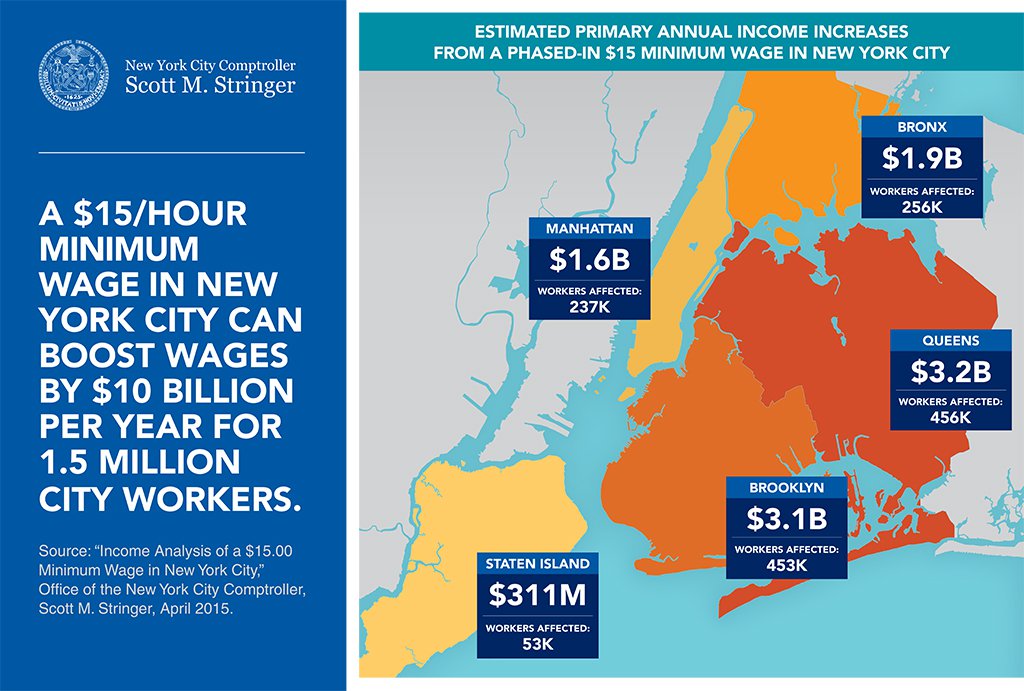
Conversely, for the thousands of individuals employed in the New York tourism industry, an increased minimum wage translates into greater purchasing power and improved living standards. This is particularly significant for entry-level positions and roles that historically paid lower wages.
-
Improved Livelihoods: Higher wages can help workers afford better housing, healthcare, and education, contributing to a more stable workforce. This is essential for maintaining service quality in the hospitality sector.
-
Reduced Turnover: A more competitive wage can lead to reduced employee turnover, which is a significant cost for businesses in terms of recruitment and training. A stable, experienced workforce generally leads to better customer service.
-
Stimulated Local Economies: As workers have more disposable income, they tend to spend it locally, which can benefit small businesses, shops, and restaurants within tourist destinations, creating a positive economic cycle.
The New York State Department of Labor monitors these wage rates and provides resources for both employers and employees. Staying informed about the latest updates is crucial for navigating the economic landscape of travel and tourism in the state.
Future Trends and Considerations
The minimum wage in New York State is a dynamic factor, subject to ongoing legislative review and economic conditions. Understanding the trajectory of minimum wage policies is vital for long-term planning within the tourism sector.
Scheduled Increases
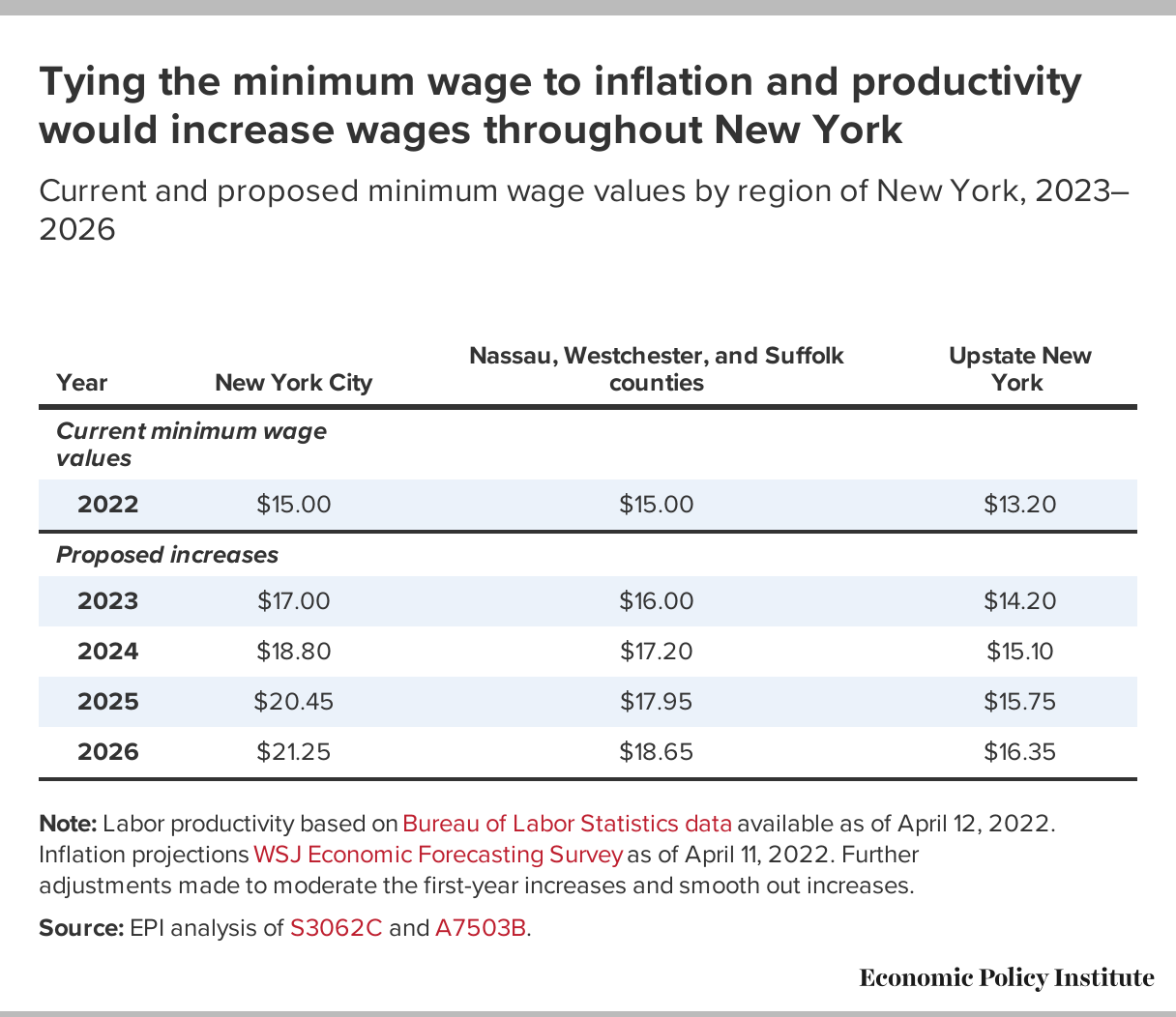
New York State has a history of scheduled minimum wage increases. These are often tied to inflation or specific economic benchmarks, ensuring that the wage continues to provide a living income as costs rise. For example, future adjustments are typically announced well in advance, allowing businesses to prepare for upcoming changes.
Regional Economic Disparities
While the statewide minimum wage aims for fairness, the significant economic disparities between regions like New York City and upstate areas continue to be a topic of discussion. Some argue for a more localized approach to minimum wage, while others advocate for a uniform rate to simplify compliance. The tourism industry, which spans diverse economic environments from the bustling streets of Manhattan to the serene landscapes of the Catskills, is directly influenced by these ongoing debates.
The Role of Tourism in Wage Debates
The tourism industry is often at the forefront of minimum wage discussions due to its large workforce and reliance on customer spending. As a major economic driver for New York, the health of its tourism sector is closely watched. Policies that impact labor costs for hotels, restaurants, and attractions can have ripple effects throughout the state’s economy, influencing everything from hotel rates in Niagara Falls to admission prices at museums in Saratoga Springs.
For travelers planning a trip to New York, understanding these economic factors can provide a deeper appreciation for the local context. The experiences you have, the services you receive, and even the prices you encounter are all part of a complex economic ecosystem shaped by policies like the minimum wage.
Navigating Minimum Wage in New York’s Tourism Hubs
Exploring the diverse tourism offerings of New York State means engaging with a wide array of businesses, each operating under the state’s minimum wage laws. From the glittering lights of Times Square to the serene beauty of the Finger Lakes, the impact of minimum wage regulations is felt by both those who work in and those who visit these iconic locations.
New York City: A Global Tourism Powerhouse
In New York City, the $16.00 per hour minimum wage is a significant factor for the vast hospitality industry that caters to millions of international and domestic tourists each year. Iconic hotels like the Plaza Hotel and countless restaurants, Broadway theaters, and attractions all employ a large workforce at or near the minimum wage. The higher rate here reflects the intense cost of living and the global standard expected for service in such a prominent tourist destination. For visitors, this may translate to higher costs for services, but it also means that the individuals providing those services are earning a wage that better supports them in one of the world’s most expensive cities.
Upstate Destinations: Balancing Affordability and Economic Growth
Beyond the metropolis, destinations like the Adirondack Mountains, the Thousand Islands, and historic cities like Albany and Buffalo offer different, yet equally compelling, tourism experiences. Here, the $15.00 per hour minimum wage applies. While lower than in New York City, it still represents a substantial increase and aims to support local economies. Businesses in these regions may find labor costs more manageable, potentially allowing for more competitive pricing on accommodations and activities, making these areas attractive for budget-conscious travelers or those seeking a more relaxed pace and greater value. However, the impact of wage increases is still keenly felt, pushing businesses to innovate and optimize to remain competitive.
The Tipped Worker Experience Across the State
The distinction in tipped minimum wages also plays out across the state. In a bustling New York City diner or a Michelin-starred restaurant, the cash wage is $13.35 per hour. In a charming trattoria in Syracuse or a family-run pub in Rochester, the cash wage is $12.50 per hour. This difference can influence the total earnings of servers and bartenders, a critical component of the service experience for many tourists. Understanding these variations can offer a clearer picture of the economic realities faced by workers in different tourism hubs across New York.
By staying informed about New York State’s minimum wage laws, travelers can gain a more nuanced understanding of the economic landscape that shapes their journeys. This awareness not only enriches the travel experience but also fosters a greater appreciation for the hardworking individuals who contribute to making New York a premier travel destination.
LifeOutOfTheBox is a participant in the Amazon Services LLC Associates Program, an affiliate advertising program designed to provide a means for sites to earn advertising fees by advertising and linking to Amazon.com. Amazon, the Amazon logo, AmazonSupply, and the AmazonSupply logo are trademarks of Amazon.com, Inc. or its affiliates. As an Amazon Associate we earn affiliate commissions from qualifying purchases.