
Navigating the intricacies of sales tax can be a daunting task for any traveler planning a trip to the Empire State. While the allure of New York City‘s iconic skyline, the serene beauty of the Adirondack Mountains, or the historical significance of places like Niagara Falls often takes center stage, understanding the financial landscape, including sales tax, is crucial for a smooth and budget-conscious experience. This guide aims to demystify New York State sales tax, providing travelers with the essential knowledge to anticipate and manage this aspect of their journey.
Understanding the Basics of New York State Sales Tax
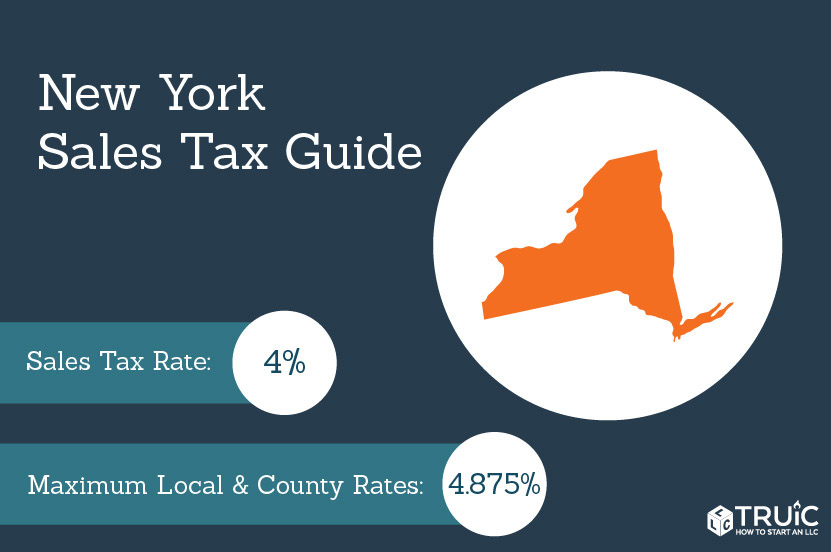
New York State sales tax is a levy imposed by the state government on the retail sale of tangible personal property and specified services. It’s a critical component of the state’s revenue stream, funding public services and infrastructure. For travelers, this translates to an additional cost on most purchases, from accommodation and dining to souvenirs and attraction tickets. The tax rate is not uniform across the state; it’s a composite of the state rate, local county rates, and, in some cases, metropolitan commuter transportation district (MCTD) rates.
State and Local Components
The New York State imposes a base state sales tax rate. However, this rate is augmented by local taxes levied by counties and, in certain regions, by MCTDs. This means that a purchase made in New York City will likely have a higher combined sales tax rate than one made in a more rural county. It is vital for travelers to be aware that the tax rate can fluctuate significantly depending on the specific geographic location within the state where their transactions occur. This complexity often leads to confusion, but a general understanding of the layered tax structure is the first step to navigating it effectively.
Taxable Goods and Services
Generally, tangible personal property, such as clothing, electronics, and gifts, is subject to sales tax. However, there are several notable exceptions. For instance, groceries purchased at a supermarket are typically exempt from sales tax. Similarly, prescription medications are also not taxed. When it comes to services, the rules are more nuanced. While some services are taxable, others are not. For example, repair services for tangible personal property are generally taxable, but certain professional services might be exempt.
Accommodation, a key component of any traveler’s budget, is also subject to sales tax. Hotels, motels, and other short-term lodging providers collect and remit this tax to the state. This includes the base state rate, county tax, and any applicable MCTD tax. The total tax on a hotel stay can add a significant percentage to the nightly rate, making it an important factor to consider when booking accommodations.
Where Sales Tax Applies to Travelers
For visitors exploring the diverse offerings of New York State, sales tax will be a recurring consideration across various aspects of their trip. Understanding these specific areas will help in accurate budgeting and avoiding unexpected expenses.
Accommodation and Lodging
When booking a hotel in cities like New York City, a stay at a resort in the Catskills, or a vacation rental in the Finger Lakes region, travelers will encounter sales tax. This tax is typically calculated on the room rate and any associated fees, such as resort fees or service charges. The specific rate will vary based on the hotel’s location. For instance, a hotel in Manhattan will have a higher combined tax rate than a hotel in a town in upstate New York. It’s always advisable to check the estimated tax breakdown when making a reservation.
Dining and Entertainment
The culinary delights of New York are a major draw for many tourists. From fine dining establishments in New York City to casual eateries across the state, meals purchased at restaurants are generally subject to sales tax. This also extends to purchases from delis, caterers, and even some food trucks. Similarly, tickets to Broadway shows, sporting events at venues like Yankee Stadium, concerts, museum admissions, and other forms of paid entertainment will usually include sales tax.
Shopping and Souvenirs
No trip is complete without a bit of retail therapy, and in New York, this means factoring in sales tax on most purchases. Whether you’re buying designer clothing in SoHo, unique crafts in a charming upstate village, or a classic “I Love New York” souvenir, the sales tax will be added at the point of sale. While certain essential items like groceries are exempt, most other retail goods are taxable.
Transportation and Tours
The cost of getting around and experiencing guided tours also incorporates sales tax. This can include taxi fares, ride-sharing services, and tickets for public transportation in certain instances, though MTA fares often have their own unique tax structures. Organized tours, whether a bus tour of Manhattan, a boat tour around Ellis Island, or an excursion to wine country in the Finger Lakes, will typically have sales tax included in the ticket price.
Navigating Sales Tax for a Smoother Trip
While sales tax is an unavoidable aspect of travel in New York State, there are strategies to help travelers manage it effectively.
Understanding Local Variations
The most significant variable in New York sales tax is its local component. New York City has one of the highest combined rates in the state. Understanding that rates can differ by as much as a few percentage points between neighboring counties can influence decisions about where to shop or dine, especially for larger purchases. Travelers can often find current sales tax rates for specific counties by consulting the New York State Department of Taxation and Finance website, though this might be more detailed than a casual traveler needs. A general awareness is usually sufficient.
Exemptions and Special Cases
While many purchases are taxable, there are specific exemptions that travelers should be aware of. As mentioned, groceries are generally exempt, which can be a significant saving if you plan to self-cater some meals. Certain clothing items below a specific price threshold may also be exempt in some jurisdictions, though this is less common for typical tourist purchases. For travelers with specific needs, such as purchasing medical equipment, it is always wise to inquire about potential exemptions at the point of sale.
Budgeting and Planning
The most effective way to handle sales tax is through careful budgeting. When researching hotels, dining options, and attractions, it’s a good practice to mentally add an estimated percentage for sales tax to the listed prices. This will provide a more realistic picture of the total cost of your trip and prevent any unwelcome surprises. Many booking platforms will provide an estimated tax breakdown during the checkout process, which is invaluable for accurate financial planning.
Recognizing Taxable Services
Beyond tangible goods, understanding which services are taxable is also important. For instance, if you’re hiring a local guide for a private tour or utilizing specific professional services, it’s prudent to confirm whether sales tax will apply. While most tourist-oriented services will clearly indicate their pricing with tax included, less common services might require a direct inquiry.
Frequently Asked Questions for the Traveler
Addressing common queries can further clarify the role of sales tax in a traveler’s experience in New York.
Is Everything Taxable in New York?
No, not everything is taxable. Groceries, prescription medications, and certain other essential items are typically exempt. The taxability of services can be more complex and depends on the specific service provided.
How Much is Sales Tax in New York City?
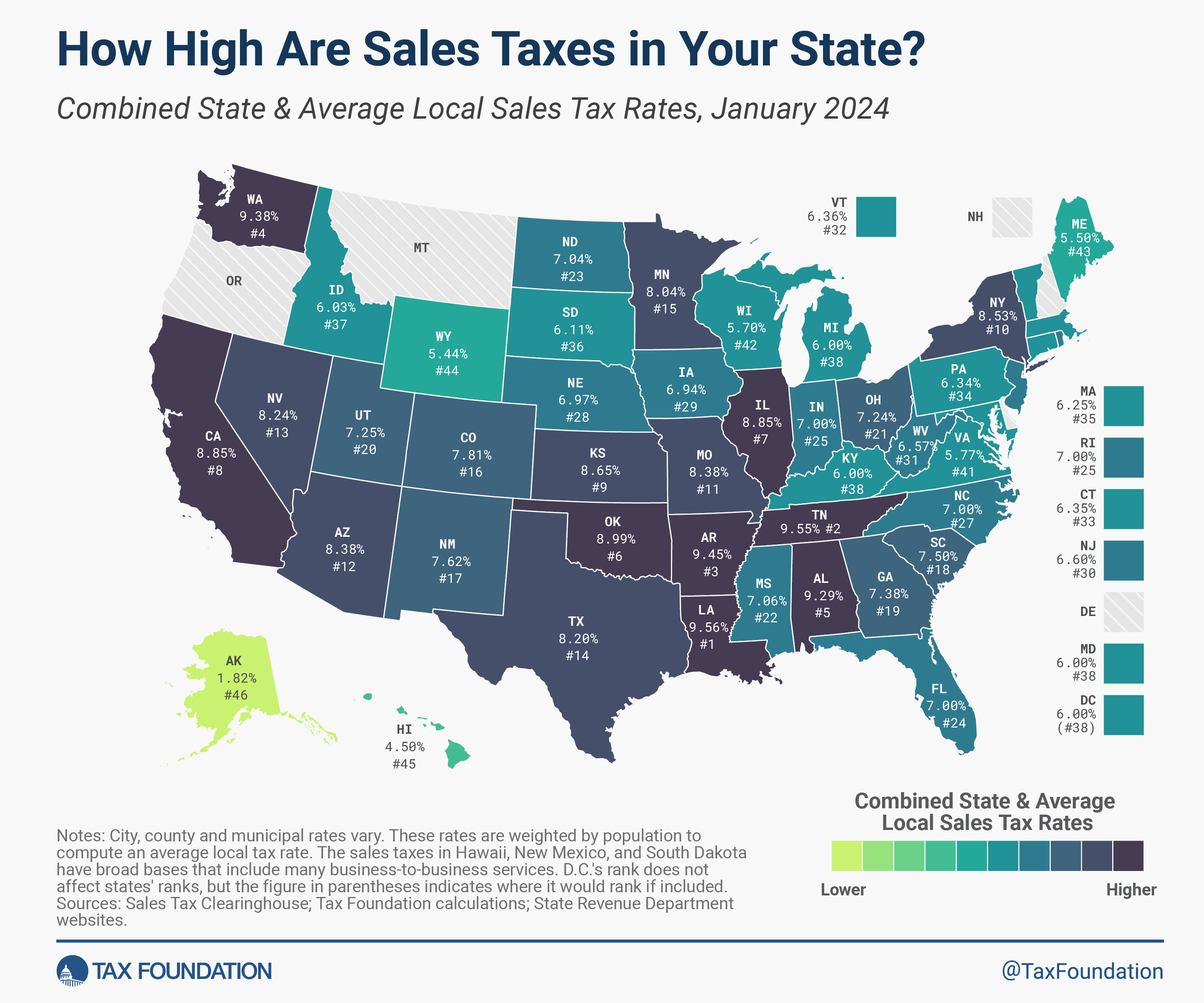
The combined state and local sales tax rate in New York City is currently 8.875%. This rate applies to most taxable goods and services.
Can Tourists Get a Sales Tax Refund?
Generally, tourists cannot get a sales tax refund in New York State on purchases made for personal use. This is different from some international destinations where tax refund schemes exist for visitors.
Does the Tax Rate Change by County?
Yes, the sales tax rate varies significantly by county. Each county has its own local sales tax rate, which is added to the state sales tax rate. Some regions also have additional taxes for specific purposes, such as transportation.
Where Can I Find the Most Accurate Sales Tax Information?
For the most precise and up-to-date information, the New York State Department of Taxation and Finance is the official source. Their website provides detailed rate schedules and information on taxable and exempt items and services.
By understanding these fundamental aspects of New York State sales tax, travelers can better plan their budgets, make informed purchasing decisions, and ultimately enjoy a more seamless and enjoyable exploration of all that this vibrant state has to offer, from the bustling streets of New York City to the natural wonders of Niagara Falls.
LifeOutOfTheBox is a participant in the Amazon Services LLC Associates Program, an affiliate advertising program designed to provide a means for sites to earn advertising fees by advertising and linking to Amazon.com. Amazon, the Amazon logo, AmazonSupply, and the AmazonSupply logo are trademarks of Amazon.com, Inc. or its affiliates. As an Amazon Associate we earn affiliate commissions from qualifying purchases.