
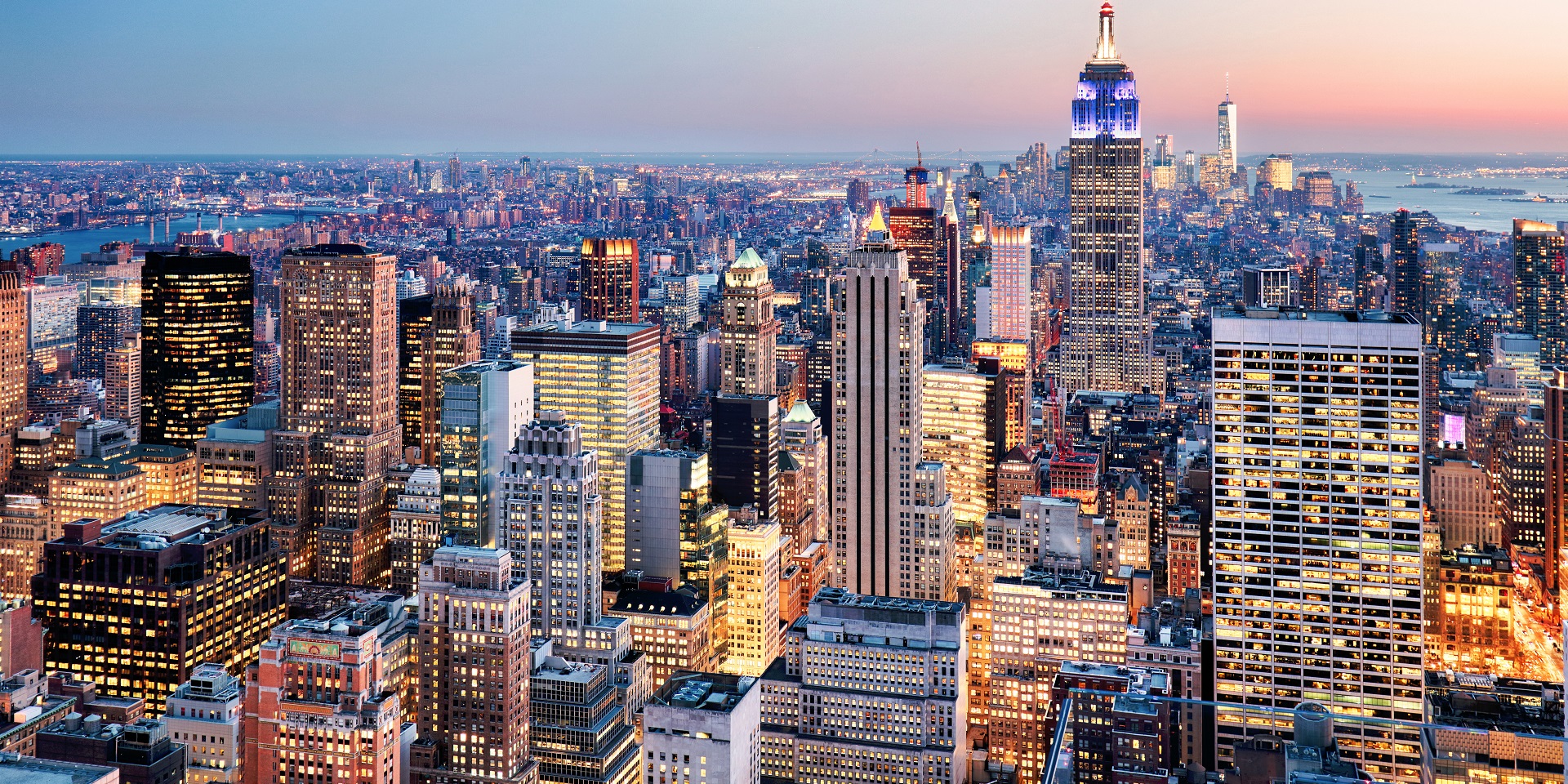
The question, “What’s the weather like today in [New York]?” is a deceptively simple one, yet it opens the door to a complex tapestry of meteorological phenomena that shape the experience of this iconic metropolis. Beyond the immediate concern of what to wear or whether to pack an umbrella, the weather in [New York City] plays a profound role in its daily rhythm, influencing everything from pedestrian flow in [Times Square] to the ambiance of a sunset viewed from the [Empire State Building]. Understanding the nuances of its climate is essential for any traveler seeking to truly immerse themselves in the city’s vibrant life, whether planning a visit during the crisp air of autumn or the steamy embrace of summer.

The city’s geographical position, nestled along the [Atlantic Ocean] and bisected by the [Hudson River], creates a unique microclimate. This coastal influence, combined with its position on the eastern seaboard of the [United States], results in a humid subtropical climate characterized by four distinct seasons, each with its own signature weather patterns. This variability means that a single trip to [New York] can offer a dramatically different sensory experience depending on the time of year.
Seasonal Shifts and Their Impact on the Urban Landscape
The allure of [New York] is often tied to its seasonal transformations. Each turn of the calendar brings with it a palpable shift in the atmosphere, affecting not just the temperature and precipitation, but also the very spirit of the city.
Spring: A Gentle Awakening
As winter’s icy grip loosens, [New York] awakens to the gentle caress of spring. Typically beginning in March and extending through May, this season is marked by a gradual warming trend. Early spring can still be quite cool, with average temperatures hovering in the 40s and 50s Fahrenheit (4-15°C), often accompanied by lingering winter chill and occasional late snowfalls. However, as April progresses into May, temperatures climb into the comfortable 60s and 70s Fahrenheit (15-25°C).
Rainfall becomes more frequent during this period, contributing to the lush greenery that begins to adorn [Central Park] and other urban oases. The iconic cherry blossoms in parks like the [Brooklyn Botanic Garden] signal the true arrival of spring, drawing crowds eager to witness their ephemeral beauty. This is a fantastic time for outdoor exploration, with pleasant temperatures ideal for strolling through neighborhoods like [Greenwich Village] or enjoying a leisurely bike ride across the [Brooklyn Bridge]. However, travelers should still pack layers, as mornings and evenings can remain brisk, and unexpected showers are common.
Summer: The Energetic Pulse
Summer in [New York], from June to August, is characterized by heat and humidity. July and August are typically the warmest months, with average daily temperatures frequently reaching into the 80s and even 90s Fahrenheit (27-37°C), often accompanied by high humidity levels that can make the air feel thick and heavy. Thunderstorms are a regular occurrence, often providing brief but intense bursts of rain and dramatic lightning displays that illuminate the cityscape.
Despite the heat, summer is arguably the city’s most vibrant season. Outdoor concerts fill the air with music, street festivals pop up on every corner, and residents flock to rooftop bars for panoramic views and cool evening breezes. Outdoor dining becomes a central part of the [New York] experience, with countless restaurants spilling onto sidewalks and plazas. Visitors should be prepared for the heat by staying hydrated, seeking shade during the hottest parts of the day, and embracing air-conditioned interiors. Evenings offer some respite, with temperatures often dropping into the more manageable 70s Fahrenheit (21-25°C).
Autumn: A Palette of Golden Hues
Autumn in [New York], spanning September to November, is widely considered one of its most picturesque seasons. The oppressive heat of summer gives way to crisp, cool air, with September often retaining a pleasant warmth before gradually cooling into October and November. Average temperatures in September and October typically range from the 60s to 70s Fahrenheit (15-25°C), while November sees a noticeable drop into the 40s and 50s Fahrenheit (4-15°C).
This is the season of changing foliage, transforming parks like [Prospect Park] and the [High Line] into breathtaking displays of red, orange, and gold. The clear, crisp air is perfect for exploring the city on foot, visiting iconic landmarks like the [Statue of Liberty] or taking a ferry to see the skyline from the water. The fashion scene also reflects the season, with New Yorkers embracing elegant layers. While generally drier than summer, autumn can still bring rain, so packing a light jacket and umbrella is advisable. The lead-up to Thanksgiving in November can bring colder snaps, a prelude to the winter ahead.
Winter: The Icy Serenity
Winter in [New York], from December to February, is defined by its cold temperatures and potential for snow. December often begins with mild, crisp days, but by January and February, temperatures regularly dip below freezing, averaging in the 20s and 30s Fahrenheit (-6 to 4°C). Snowfall is a common feature, with the city occasionally experiencing significant blizzards that transform the urban landscape into a serene, white wonderland.
While the cold may deter some outdoor activities, winter has its own unique charm. The festive decorations and holiday markets in [Bryant Park] and [Union Square] create a magical atmosphere. Ice skating rinks, such as the one at [Rockefeller Center], become popular gathering spots. Bundling up in warm clothing is essential, and embracing the cozy indoor offerings – world-class museums like the [Metropolitan Museum of Art], Broadway shows, and intimate cafes – becomes a key part of the winter experience. Despite the chill, the potential for a snow-covered [Manhattan] offers a starkly beautiful and unforgettable spectacle.
Understanding Precipitation Patterns
Beyond temperature, precipitation is a crucial element of [New York]’s weather. The city receives a moderate amount of rainfall spread throughout the year, with no truly “dry” season. However, the type of precipitation varies dramatically by season.
Rainfall: A Year-Round Feature
Spring and summer often bring showers and thunderstorms, while autumn can see more prolonged periods of rain. Winters are characterized by snow, with the frequency and intensity of snowfalls being a key variable from year to year. A typical winter can see several inches to over a foot of snow. The coastal location means that the [Atlantic Ocean] can influence storm systems, sometimes leading to significant weather events that can impact travel and daily life.
Snowfall and its Impact
When snow falls in [New York], it has a transformative effect. Streets and buildings are dusted with white, creating picturesque scenes that are a staple of holiday cards and travel brochures. However, heavy snowfall can also lead to disruptions. Public transportation may experience delays, and plows work tirelessly to keep major arteries clear. For visitors, snow can be a magical experience, offering opportunities for winter photography and a chance to see the city in a different light. However, it necessitates careful planning regarding footwear and clothing.
Microclimates Within the Metropolis
It’s also important to recognize that [New York] isn’t a monolith when it comes to weather. Microclimates exist, influenced by proximity to water, the presence of tall buildings, and green spaces.
Waterfront Breezes and Urban Canyons
Areas along the [East River] and [Hudson River] often experience more pronounced breezes, which can provide welcome relief on warm summer days but can also make waterfront locations feel significantly cooler in spring and autumn. The dense urban core of [Manhattan], with its towering skyscrapers, can create “urban canyon” effects, where wind speeds can be amplified or funneled, and buildings can block sunlight, leading to temperature variations even within short distances.
Green Spaces as Temperature Regulators
Parks like [Central Park] act as significant green lungs for the city, offering a slight cooling effect during hot summer months due to the presence of trees and vegetation. These areas can also be more sheltered from the wind compared to exposed avenues. When planning activities, considering these microclimatic differences can enhance comfort and enjoyment. For instance, a park picnic might be more pleasant in the morning during summer, while a walk along the waterfront might be ideal in the late afternoon.
Preparing for Your [New York] Weather Experience
Ultimately, understanding the weather in [New York] is about preparedness and embracing the city’s dynamic nature.
Layering is Key
Regardless of the season, the most effective strategy for dressing in [New York] is layering. Even in summer, air-conditioned interiors can be cool, and evenings can offer a refreshing breeze. In cooler months, layering allows you to adapt to fluctuating temperatures throughout the day.
Essential Travel Gear
Beyond clothing, consider items like a sturdy, waterproof umbrella, comfortable walking shoes (essential for exploring the city), sunglasses, and sunscreen, even on cloudy days. If visiting during winter, warm gloves, a scarf, and a hat are indispensable.

Staying Informed
Local weather forecasts for [New York City] are readily available through numerous apps and websites. Staying informed about daily and hourly changes will allow you to adjust your plans accordingly, ensuring you can make the most of every moment in this ever-evolving urban landscape, no matter what the sky above the [Empire State Building] or the streets of [SoHo] may bring.
LifeOutOfTheBox is a participant in the Amazon Services LLC Associates Program, an affiliate advertising program designed to provide a means for sites to earn advertising fees by advertising and linking to Amazon.com. Amazon, the Amazon logo, AmazonSupply, and the AmazonSupply logo are trademarks of Amazon.com, Inc. or its affiliates. As an Amazon Associate we earn affiliate commissions from qualifying purchases.