
The question “When did Sandy hit New York?” delves into a pivotal moment in the city’s modern history, a period marked by widespread disruption and a profound demonstration of resilience. While not a direct query about a tourist attraction or a hotel review, understanding the timing and impact of Superstorm Sandy is crucial for appreciating the context of any visit to New York City and its surrounding areas. This powerful storm, which made landfall on October 29, 2012, reshaped landscapes, impacted vital infrastructure, and left an indelible mark on the lives of millions. For travelers and those interested in the city’s contemporary history, grasping the timeline of Sandy’s arrival is key to understanding the ongoing recovery efforts and the city’s enduring spirit.
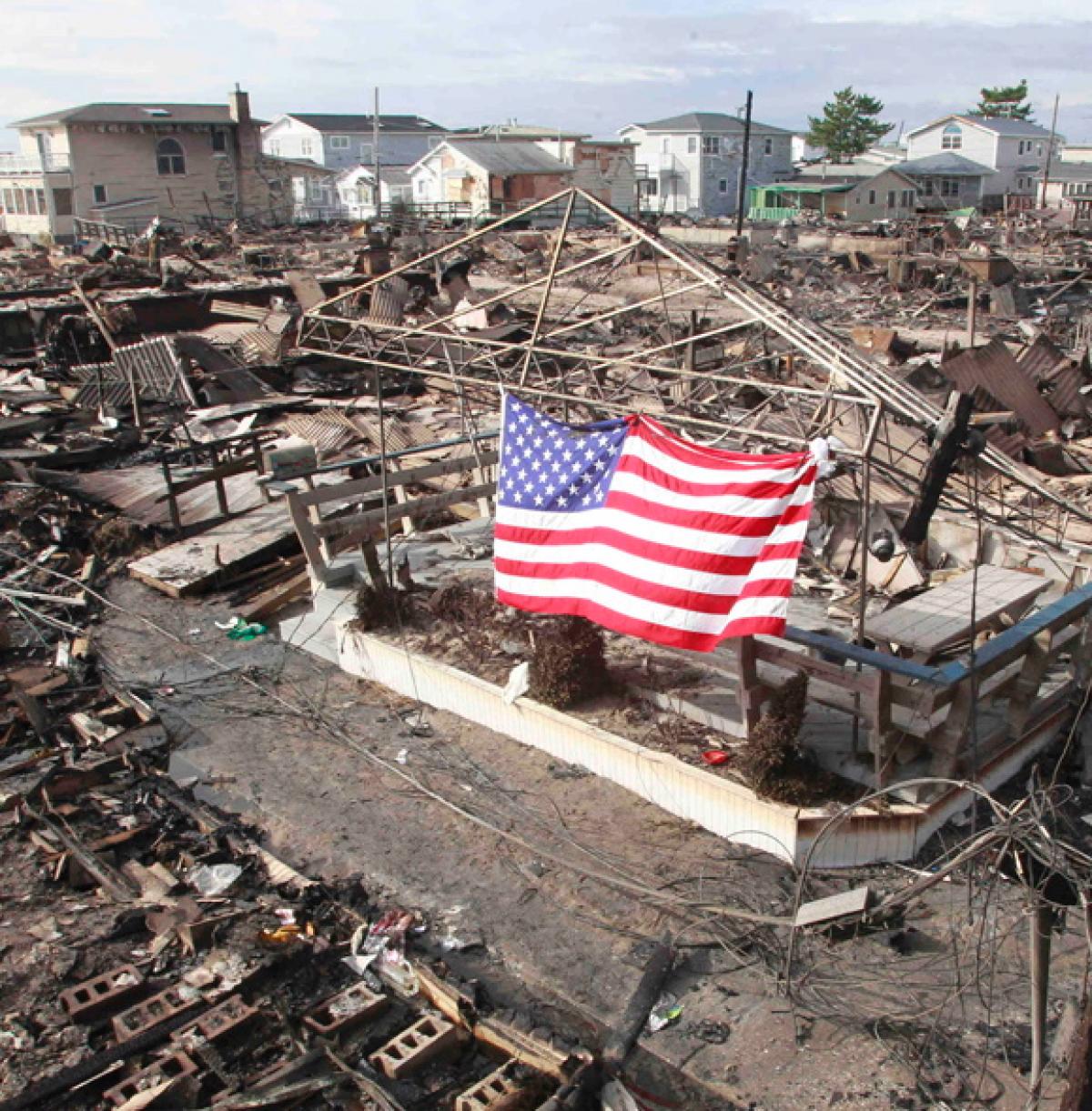
The Arrival and Immediate Aftermath
The anticipation surrounding Superstorm Sandy began days before its direct impact on the Northeastern United States. Meteorologists closely tracked its development in the Caribbean Sea and its unpredictable path. As the storm intensified and its projected trajectory shifted towards the Mid-Atlantic and New England coasts, officials in New York began issuing warnings and preparing for a potentially catastrophic event.
A Storm of Unprecedented Scale
Sandy was unique for its immense size and the convergence of several meteorological factors that amplified its destructive potential. It was a “superstorm” that merged with a cold front, a rare phenomenon that caused it to turn westward and move inland with immense force. The storm surge, a critical threat to coastal areas, was projected to be exceptionally high due to a full moon and the storm’s unusual track, which pushed water directly into bays and estuaries.
Landfall and the Surge
On the evening of October 29, 2012, Sandy officially made landfall near Brigantine, New Jersey, a location that placed the brunt of its fury directly in the path of New York City and its surrounding coastal communities. The storm surge, exceeding 13 feet in some areas, inundated low-lying neighborhoods. Lower Manhattan experienced severe flooding, impacting the financial district and vital transportation hubs. The iconic Statue of Liberty and Ellis Island were also submerged, though they sustained less structural damage than many mainland areas. Power outages were widespread, plunging millions into darkness.
Immediate Impacts on Infrastructure
The immediate aftermath of Sandy revealed the vulnerability of New York’s critical infrastructure. Subway tunnels, the lifeblood of the city’s transportation system, were flooded, leading to an unprecedented shutdown of the entire MTA network. Airports, including JFK International Airport and LaGuardia Airport, experienced significant disruptions due to flooding and power failures. Bridges and tunnels were closed as a precautionary measure, further isolating communities. The extensive power outages, some lasting for weeks, presented a profound challenge to residents and businesses alike.
The Repercussions for New York’s Tourism Landscape
The impact of Superstorm Sandy on New York City’s tourism sector was immediate and multifaceted. While the city’s core attractions in Midtown Manhattan and Central Park largely remained operational, albeit with some closures for safety assessments, the coastal areas and outer boroughs bore the brunt of the storm’s destructive force.
Coastal Communities and Rebuilding Efforts

Areas like the Rockaways in Queens and parts of Coney Island in Brooklyn suffered immense damage to boardwalks, amusement parks, and residential buildings. The iconic Coney Island Boardwalk was significantly damaged, and many businesses that relied on seasonal tourism faced an uncertain future. The recovery in these areas has been a testament to the resilience of their communities, with ongoing rebuilding efforts aimed at restoring their vibrant appeal to visitors.
Impact on Hotels and Accommodation
While hotels in central Manhattan generally fared well, some accommodations in low-lying areas and closer to the coast experienced direct flooding and power outages. The temporary closure of transportation networks also affected visitor access to certain hotels and attractions. The recovery process for the hospitality industry involved significant repairs, the restoration of power, and a renewed focus on preparedness for future extreme weather events. For travelers planning a visit, understanding the potential for localized disruptions, even years later, remains a consideration.
Lessons for Future Visitors
For those planning a trip to New York, especially in the years following Sandy, a deeper appreciation for the city’s vulnerability and its remarkable recovery is invaluable. It highlights the importance of checking travel advisories, understanding local emergency procedures, and being prepared for potential weather-related disruptions. The experience also underscores the broader narrative of New York as a city that can withstand immense challenges and emerge stronger. This resilience is, in itself, a remarkable aspect of the city’s character, often felt by those who experience its vibrant spirit firsthand.
The Enduring Legacy and Preparedness
The impact of Superstorm Sandy on New York extended far beyond the immediate physical destruction. It served as a wake-up call, prompting significant discussions and investments in climate resilience, infrastructure upgrades, and emergency preparedness.
Infrastructure Enhancements
In the wake of the storm, extensive efforts were made to fortify New York’s critical infrastructure against future extreme weather. This included reinforcing subway systems against flooding, upgrading the electrical grid, and implementing new building codes for coastal development. Projects like the MTA’s comprehensive flood protection measures and the construction of seawalls and other coastal defenses in vulnerable areas are ongoing testaments to the lessons learned from Sandy. These improvements, while not always directly visible to the casual tourist, contribute to the city’s long-term safety and operational stability.
Community Resilience and Spirit
Perhaps one of the most profound legacies of Sandy is the demonstration of community resilience and the unwavering spirit of New Yorkers. Neighbors helped neighbors, volunteers mobilized in the hundreds of thousands, and charitable organizations worked tirelessly to provide aid. This collective effort in the face of adversity became a powerful symbol of the city’s strength and its ability to come together during times of crisis. This spirit of solidarity is a significant, though intangible, aspect of the New York experience that continues to resonate.

A Historical Context for Travelers
Understanding the timeline and impact of Superstorm Sandy provides a valuable historical context for anyone visiting New York City. It allows for a deeper appreciation of the city’s ongoing recovery and its commitment to building a more resilient future. While the immediate crisis has passed, the memory of Sandy serves as a reminder of the powerful forces of nature and the incredible capacity of human communities to adapt and rebuild. For travelers interested in the city’s contemporary narrative, this chapter of its history is as important as any architectural marvel or historical landmark.
LifeOutOfTheBox is a participant in the Amazon Services LLC Associates Program, an affiliate advertising program designed to provide a means for sites to earn advertising fees by advertising and linking to Amazon.com. Amazon, the Amazon logo, AmazonSupply, and the AmazonSupply logo are trademarks of Amazon.com, Inc. or its affiliates. As an Amazon Associate we earn affiliate commissions from qualifying purchases.