
The allure of the wilderness, the quiet anticipation, and the connection to nature are powerful draws for many. Hunting, for some, is not merely a sport but a profound engagement with the natural world, a tradition passed down through generations, and a vital part of managing wildlife populations. For enthusiasts in New York State, understanding the precise timing of hunting seasons is paramount. This knowledge ensures compliance with regulations, maximizes opportunities, and fosters a respectful coexistence with the diverse wildlife that calls New York home. The state’s varied geography, from the vast forests of the Adirondacks to the rolling hills of the Finger Lakes, supports a rich tapestry of game species, each with its own unique season dictated by biological cycles, conservation goals, and hunter demand.
Navigating the landscape of hunting regulations can seem complex, given the multitude of game animals, specialized hunting methods, and specific geographical zones within New York State. The New York State Department of Environmental Conservation (DEC) is the governing body responsible for establishing and enforcing these regulations. Their comprehensive guidelines are designed to ensure the sustainability of wildlife populations and to provide a safe and fair hunting experience for all. This article aims to demystify the opening dates for the most popular hunting seasons, providing a clear overview for both novice and experienced hunters seeking to plan their excursions into the natural beauty of New York.
Understanding New York’s Hunting Seasons Framework
The opening of hunting seasons in New York State is not a monolithic event but rather a carefully orchestrated series of openings for different species and in different regions. The DEC categorizes game into several broad groups, each with its own set of regulations and seasonal windows. These include big game, small game, and migratory birds. The timing of these seasons is determined by a complex interplay of factors, including the breeding and birthing cycles of the animals, population dynamics, habitat conditions, and the need to minimize conflicts with other outdoor recreational activities.
Big Game Seasons: Deer and Bear
The most anticipated hunting seasons in New York State are undoubtedly those for big game, primarily white-tailed deer and black bear. These seasons are further divided into archery, muzzleloading, and regular firearm seasons, each with its own distinct start and end dates and specific zone regulations.
Archery Season
The archery season for deer typically opens earlier than other firearms seasons, allowing hunters to pursue deer with bows and arrows. This season often begins in the early fall, usually in late September or early October. This early opening takes advantage of the deer’s increased activity as they prepare for winter and before the heavier foliage begins to impede visibility. The archery season allows for a more stealthy approach and often extends for several weeks, providing a significant opportunity for hunters.
- Northern Zone Archery: Generally opens earlier in the fall, often in late September.
- Southern Zone Archery: Usually opens slightly later, typically in early October.
Muzzleloading Season
Following the archery season, the muzzleloading season offers another distinct opportunity for pursuing big game. This season emphasizes traditional hunting methods, requiring hunters to use muzzleloading firearms. The dates for this season are carefully chosen to fall between the archery and regular firearm seasons, providing a unique hunting experience.
- Northern Zone Muzzleloading: Often falls in mid-October.
- Southern Zone Muzzleloading: Typically occurs in late October or early November, before the regular firearms season.
Regular Firearm Season
The regular firearm season for deer is arguably the most popular and widely observed hunting period. This season generally opens in late November, coinciding with the deer’s rutting season when bucks are actively searching for does. This increased activity can lead to higher encounters for hunters. The firearm season is usually divided into Northern and Southern Zones, each with specific opening and closing dates.
- Northern Zone Regular Firearm Season: Often opens in mid-November.
- Southern Zone Regular Firearm Season: Typically begins in late November, following the muzzleloading season and extending into early December.
Bear Hunting Seasons
Bear hunting seasons often run concurrently with deer seasons in certain areas, particularly in the Adirondack Mountains and the Catskill Mountains. Specific regulations and season dates for bear can vary significantly by Wildlife Management Unit (WMU), so consulting the official DEC hunting guide is crucial.
Small Game Seasons: Squirrels, Rabbits, and More
Beyond big game, New York State offers abundant opportunities for small game hunting. These seasons are generally longer and more numerous, catering to a wide array of hunting interests and providing excellent opportunities for those who enjoy tracking smaller quarry.
Squirrel Seasons
Squirrel hunting is a popular pastime, especially for younger hunters and those looking for a less demanding hunting experience. The seasons for gray squirrels and fox squirrels typically open in early fall, often in September, and extend through the winter months, providing extended opportunities to hunt these agile woodland creatures.
- Gray Squirrels and Fox Squirrels: Seasons usually open in September and run through February.

Rabbit Seasons
The pursuit of Eastern Cottontail rabbits and Snowshoe Hares provides another dimension to small game hunting. Rabbit seasons generally commence in the fall, often in October or November, and continue into the winter, offering a chance to hunt in crisp autumn air or through snow-covered fields.
- Eastern Cottontails: Seasons typically open in October or November and run through March.
- Snowshoe Hares: Seasons may have slightly different opening dates and often a shorter duration, usually opening in November and closing in March.
Other Small Game
New York also supports seasons for various other small game species, including Ruffed Grouse, Ring-necked Pheasant, Quail, and Woodcock. Each of these species has specific opening dates and regulations, often dictated by their reproductive cycles and habitat requirements.
- Ruffed Grouse: Seasons typically open in early fall, often in late September or early October.
- Ring-necked Pheasant: Seasons usually begin in the fall, with specific opening dates varying by region and game farm releases.
- Bobwhite Quail: While populations are more limited, seasons, if open, usually occur in the fall.
- American Woodcock: These migratory birds have a distinct season, typically opening in early October.
Migratory Bird Seasons: Waterfowl and Doves
Migratory bird hunting, particularly for waterfowl like ducks and geese, and for mourning doves, adds another layer of complexity and excitement to the hunting calendar. These seasons are heavily influenced by federal regulations and the migratory patterns of the birds themselves, leading to staggered openings and specific hunting zones.
Waterfowl Seasons
Ducks and geese are migratory species, and their hunting seasons are set by the U.S. Fish and Wildlife Service in conjunction with state wildlife agencies. New York State is divided into different zones for waterfowl hunting, with season dates varying to coincide with peak migration periods. These seasons typically open in early fall and can extend through the late fall and early winter.
- Early Season (e.g., Teal): May open as early as September.
- Late Season (Ducks and Geese): Often begins in October or November and can run through January.
Dove Seasons
Mourning dove hunting is a popular activity in early fall. The seasons are typically set to open in September and extend for several weeks, offering a chance to hunt these fast-flying birds in agricultural fields and open woodlands.
- Mourning Dove: Seasons usually open in early September.
Navigating Regulations and Planning Your Hunt
The precise opening dates for any given hunting season in New York State can fluctuate slightly from year to year. Therefore, it is absolutely imperative for all hunters to consult the most current official hunting regulations published by the New York State Department of Environmental Conservation (DEC). These detailed guides, often available online and in print at licensing vendors, provide the definitive opening and closing dates for all species, as well as specific zone information, bag limits, and any special rules that may apply.
The Importance of the Official Hunting Guide
The DEC publishes comprehensive hunting and trapping guides annually. These guides are the ultimate authority on all hunting regulations in New York. They clearly delineate:
- Season Dates: The exact start and end dates for every game species.
- Zone Information: New York is divided into different wildlife management zones (e.g., Northern Zone, Southern Zone, and various waterfowl zones), each with its own specific regulations.
- Bag Limits: The maximum number of animals a hunter can legally take per day or per season.
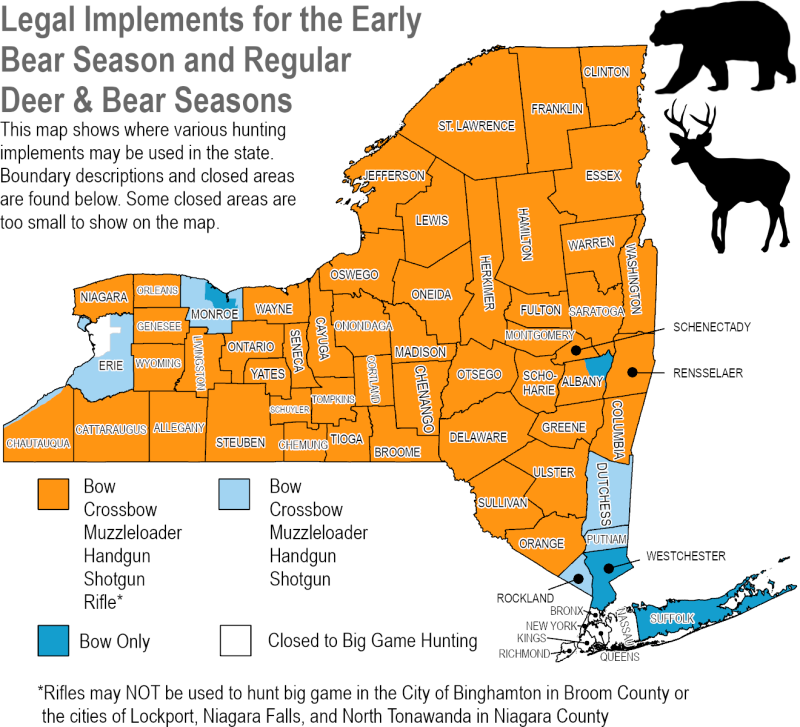
- Legal Methods of Take: Permitted firearms, archery equipment, and other hunting methods.
- Licensing Requirements: Information on obtaining the necessary hunting licenses and permits.
- Hunter Education: Requirements for hunter safety courses.

Essential Planning Tips for Hunters
Successful and responsible hunting involves more than just knowing the season start dates. Thorough preparation is key to a safe and enjoyable experience.
- Acquire Licenses Early: Hunting licenses can be purchased online through the DEC website or from authorized license vendors. It’s advisable to do this well in advance of the season to avoid any last-minute complications.
- Study the Regulations: Read the entire hunting guide for the current year. Pay close attention to any changes from previous years. Ignorance of the law is not a defense.
- Scout Your Hunting Location: Familiarize yourself with the areas you plan to hunt. Understand the terrain, identify potential game sign, and be aware of any private property boundaries. Popular areas like the Allegany State Park or the Monogahela National Forest (though much of it is in West Virginia, adjacent New York areas share similar ecosystems) often require advanced planning.
- Prepare Your Equipment: Ensure your firearms, bows, ammunition, clothing, and other gear are in good working order and appropriate for the anticipated weather conditions.
- Hunt Safely: Always practice firearm safety, be aware of your surroundings, and let someone know your hunting plans. The DEC strongly emphasizes hunter safety, and completing a hunter education course is mandatory for new hunters.
By adhering to the regulations and engaging in diligent planning, hunters can fully appreciate the opportunities New York State offers, contributing to wildlife management and enjoying a deeply rewarding connection with the outdoors.
LifeOutOfTheBox is a participant in the Amazon Services LLC Associates Program, an affiliate advertising program designed to provide a means for sites to earn advertising fees by advertising and linking to Amazon.com. Amazon, the Amazon logo, AmazonSupply, and the AmazonSupply logo are trademarks of Amazon.com, Inc. or its affiliates. As an Amazon Associate we earn affiliate commissions from qualifying purchases.