
As the crisp autumn air begins to bite and the vibrant foliage of New York starts to fade, a familiar anticipation builds among residents and visitors alike: the eagerly awaited arrival of snow. For many, a snowy New York conjures images of picturesque streets dusted in white, the iconic silhouette of the Empire State Building softened by a fluffy blanket, and the magical ambiance of the holiday season amplified by a fresh snowfall. Understanding when this winter wonderland typically descends upon the city is crucial for those planning winter excursions, seeking the quintessential New York experience, or simply yearning for the cozy charm that only snow can bring.

While predicting the exact date of the first snowfall is an elusive art, meteorological data and historical trends offer valuable insights into when New York City can expect its winter transformation. This guide delves into the typical snowfall patterns, the factors influencing their arrival, and how to best prepare for and embrace the snowy season in the heart of Manhattan and its surrounding boroughs.
Understanding Winter in New York City
New York City experiences four distinct seasons, with winter being a period of significant change. The transition from fall to winter is gradual, with temperatures steadily dropping throughout November. Snowfall is not a daily occurrence during the winter months, but rather a series of events that can dramatically alter the cityscape.
The Average First Snowfall
Historically, the first measurable snowfall in New York City typically occurs in late November or early December. However, this is an average, and the actual timing can vary considerably from year to year. Some years see snow gracing the city as early as mid-November, while in others, residents might have to wait until well into December for the first flakes to fall.
Several factors contribute to this variability:
- Atmospheric Conditions: The precise alignment of cold air masses from the north and moisture-laden air from the south is paramount for snowfall. Without both, even if the temperature is frigid, snow cannot form.
- Jet Stream Patterns: The position and strength of the jet stream play a significant role in dictating weather patterns. A southward dip in the jet stream can bring colder air and storm systems to the Northeastern United States.
- Oceanic Influences: The Atlantic Ocean can influence storm development. Warmer ocean temperatures can sometimes fuel storms, but their interaction with cold air is complex and can lead to rain rather than snow if temperatures are too high.
Typical Snowfall Totals and Frequency
Once winter has settled in, snowfall can occur intermittently throughout December, January, February, and sometimes into early March. January and February are generally the coldest months and therefore the most likely to experience significant snow events.
- Average Annual Snowfall: New York City receives an average of about 25 to 30 inches of snow per year. This figure can fluctuate wildly. Some winters are mild with minimal snow, while others can bring blizzard conditions and considerably higher totals.
- Major Snowstorms: While not a regular occurrence, New York is susceptible to major snowstorms, often referred to as blizzards, that can dump a foot or more of snow in a single event. These storms can disrupt transportation, close schools, and transform the city into a breathtaking, yet challenging, landscape. The Nor’easter, a powerful storm system that typically develops off the Atlantic coast, is a common culprit for significant snowfalls in the region.
Planning Your Snowy New York Experience
For travelers and locals alike, knowing the general timeframe for snow in New York can enhance winter planning.
Ideal Times for a Winter Visit
If experiencing a snowy New York is a primary goal, the period from mid-December through February offers the highest probability.
- December: While the first snow often arrives earlier, December is when the city truly embraces its winter persona. The festive decorations are up, the ice skating rinks like the one at Rockefeller Center are buzzing, and the possibility of a white Christmas, while not guaranteed, adds to the enchantment.
- January & February: These are typically the snowiest months. While the holiday crowds have dispersed, the city offers a more serene, yet still vibrant, winter atmosphere. It’s an excellent time for indoor attractions, cozying up in a cafe, and witnessing the city transformed by snow.
Preparing for Winter Weather

Regardless of when you visit or reside in New York during winter, preparedness is key.
- Weather Forecasts: Stay updated on weather forecasts from reputable sources like the National Weather Service. They provide detailed predictions and alerts for winter storms.
- Appropriate Attire: Layers are essential. Invest in a warm, waterproof coat, insulated boots, a hat, gloves, and a scarf. Thermal base layers can make a significant difference in comfort during frigid temperatures and snow.
- Transportation: Snowfall can impact New York City’s public transportation system, including the subway and bus services. Be prepared for potential delays or cancellations. Taxis and ride-sharing services can also be less readily available during heavy snow. Many visitors opt to stay in hotels conveniently located near major transit hubs to minimize travel disruptions.
- Flexibility: If your travel plans are tied to specific outdoor activities, maintain a degree of flexibility. Snowstorms can sometimes lead to the closure of parks and attractions, or at least alter their accessibility.
Embracing the Snowy Cityscape
When the snow does fall, New York transforms into a place of unparalleled beauty and unique experiences.
Iconic Snowy Sights
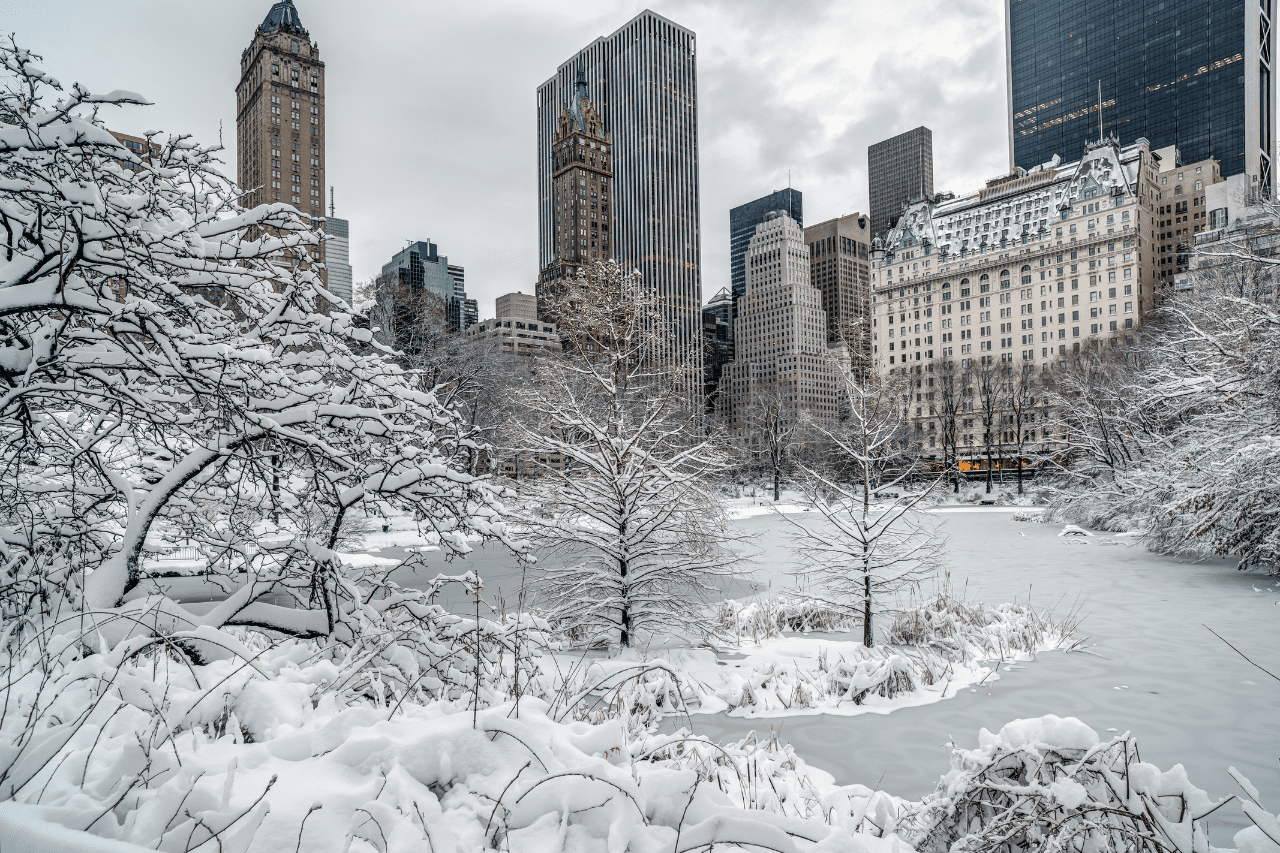
- Central Park: This vast green oasis becomes even more magical under a blanket of snow. Walking the winding paths, seeing the frozen ponds, and watching children (and adults) sledding down the gentle slopes is a quintessential New York winter experience.
- Fifth Avenue and Midtown: The glittering storefronts of Fifth Avenue and the bustling streets of Midtown take on a festive, almost ethereal quality when dusted with snow. The iconic Rockefeller Center Christmas Tree, if still standing after the holidays, is particularly stunning against a snowy backdrop.
- Residential Neighborhoods: Areas like the West Village, Greenwich Village, and parts of Brooklyn offer charming brownstone-lined streets that are incredibly picturesque when covered in snow.
Winter Activities and Attractions
- Ice Skating: Beyond Rockefeller Center, other popular ice skating rinks include the one at Bryant Park and Wollman Rink in Central Park.
- Museums and Galleries: New York’s world-class museums, such as the Metropolitan Museum of Art and the Museum of Modern Art, offer perfect refuge from the cold and an opportunity to immerse oneself in art and culture.
- Broadway Shows: A warm theatre is the ideal counterpoint to a cold winter’s day. Catching a Broadway performance is a classic New York experience that is particularly enjoyable during the winter months.
- Cozy Cafes and Restaurants: After a day of exploring in the cold, there’s nothing quite like warming up in a cozy cafe with a hot chocolate or enjoying a hearty meal in a charming restaurant. New York boasts an incredible culinary scene that caters to every taste.
The Science Behind the Snow: Meteorological Insights
While the romantic notion of snow falling is appealing, the science behind it is complex and fascinating, directly influencing when it’s gonna snow in New York.
Temperature Thresholds for Snow
For snow to form and reach the ground, several conditions must be met:
- Atmospheric Temperature: The temperature in the clouds where snowflakes originate must be at or below freezing (0°C or 32°F).
- Layer of Cold Air: Crucially, the entire atmospheric column from the cloud base to the ground must remain cold enough for the snowflakes to survive their descent. If the air near the surface is too warm, the snowflakes will melt and fall as rain or sleet.
- Moisture Availability: Sufficient water vapor must be present in the atmosphere to form ice crystals.
Types of Winter Precipitation
New York can experience a variety of winter precipitation types, depending on the precise temperature profile:
- Snow: Occurs when temperatures are consistently at or below freezing from cloud to ground.
- Sleet: Forms when snowflakes melt partially as they fall through a warmer layer of air, then refreeze into ice pellets as they enter a colder layer closer to the surface.
- Freezing Rain: Happens when snowflakes melt in a warm layer and then fall through a very shallow layer of sub-freezing air. The raindrops become supercooled and freeze upon contact with surfaces, creating hazardous ice.
- Rain: Falls when the entire atmospheric column is above freezing.
The delicate balance of these factors determines whether a winter storm delivers fluffy snow, icy sleet, or cold rain to New York City. Understanding these meteorological nuances helps demystify the timing of snowfall and appreciate the atmospheric ballet that brings winter’s magic to the city.
While the exact moment of the first snowflake remains a delightful mystery each year, the patterns and scientific principles governing winter weather in New York provide a reliable framework for anticipation. Whether you’re planning a winter escape or simply waiting for that first dusting of white, the promise of snow adds a unique and cherished dimension to the vibrant life of this iconic metropolis.
LifeOutOfTheBox is a participant in the Amazon Services LLC Associates Program, an affiliate advertising program designed to provide a means for sites to earn advertising fees by advertising and linking to Amazon.com. Amazon, the Amazon logo, AmazonSupply, and the AmazonSupply logo are trademarks of Amazon.com, Inc. or its affiliates. As an Amazon Associate we earn affiliate commissions from qualifying purchases.