
As the crisp air begins to bite and the leaves transform into a tapestry of fiery hues, the question on many minds, particularly those planning a visit to the bustling metropolis of New York City, is when exactly does winter descend? While the calendar date of December 21st marks the astronomical start of winter in the Northern Hemisphere, the tangible experience of a New York winter is a more nuanced affair, often beginning its subtle creep much earlier and lingering long after the vernal equinox. For travelers, understanding the seasonality of winter in New York is crucial for planning an itinerary that embraces the city’s unique, frost-kissed charm.

Embracing the Early Chill: November’s Transition
While official winter doesn’t begin until late December, November often signals the shift in New York’s atmosphere. The days noticeably shorten, and the temperature begins a steady decline. By mid-November, it’s not uncommon to experience frost on the ground in the early mornings, and the need for heavier outerwear becomes a daily reality. This period is an excellent time for visitors who appreciate the festive build-up without the peak holiday crowds. The city begins to twinkle with early holiday decorations, and the scent of roasted chestnuts and warm cider starts to waft from street vendors.
Thanksgiving Traditions and Early Winter Flavors
The highlight of November for many is Thanksgiving Day, a quintessential American holiday that is celebrated with grand parades, notably the iconic Macy’s Thanksgiving Day Parade. While the parade is a daytime event, the surrounding days can feel distinctly wintery. Families gather, and the culinary scene embraces hearty, warming dishes. This is the perfect time to explore cozy New York restaurants offering seasonal menus featuring pumpkin, squash, and rich stews.
The Pre-Holiday Glow
The weeks leading up to Christmas and New Year’s Eve transform New York into a winter wonderland. Iconic locations like Rockefeller Center and its majestic Christmas tree, Central Park, and Fifth Avenue become beacons of festive light. While the temperatures might hover just above freezing, the spirit of the season often imbues the city with a warmth that belies the dipping thermometer. This period offers a magical introduction to the winter season in New York, characterized by glittering lights, festive markets, and a palpable sense of anticipation.
The Heart of Winter: December to February
The period from December through February is undeniably the core of winter in New York. This is when the city truly embraces its frosty persona, with temperatures consistently dipping below freezing, and the likelihood of snowfall increasing significantly. For travelers, this means packing accordingly and being prepared for the possibility of winter weather impacting outdoor activities. However, it also unlocks a unique set of experiences that are only possible during these colder months.
The Magic of Snowfall
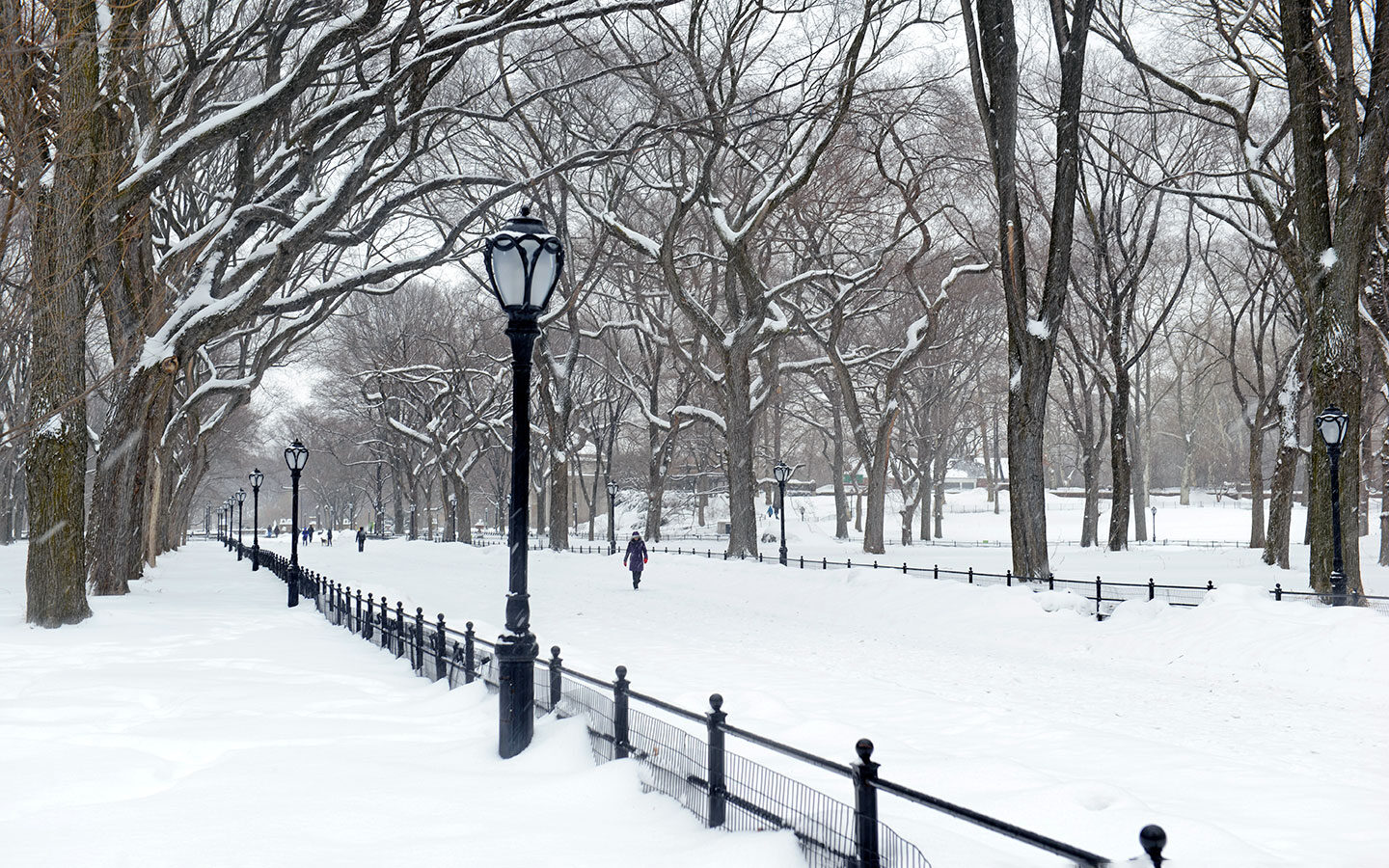
Snow in New York is a transformative event. When the flakes begin to fall, blanketing the city in white, the usual hustle and bustle takes on a serene quality. Parks like Central Park become picturesque landscapes, ideal for gentle strolls or invigorating snowball fights. Iconic landmarks are softened by a dusting of snow, creating a postcard-perfect scene. While snowfall can sometimes lead to transit disruptions, it often adds an unparalleled charm to the city, turning it into a truly magical destination.
Holiday Season Delights
December is synonymous with the holiday season in New York. From ice skating at Bryant Park to exploring the festive window displays on Fifth Avenue, the city is alive with holiday cheer. Many visitors flock to New York specifically during this time to experience its renowned festive atmosphere, including Broadway shows, Christmas markets, and the dazzling New Year’s Eve celebration in Times Square.
Embracing Winter Activities
The colder months offer a distinct set of activities. Ice skating is a beloved pastime, with rinks like the one at Rockefeller Center and Wollman Rink in Central Park drawing crowds. For those seeking indoor warmth, New York’s world-class museums, such as the Metropolitan Museum of Art and the American Museum of Natural History, provide cultural immersion and respite from the chill. The performing arts scene also thrives, with theaters offering a full calendar of captivating shows.
The Lingering Chill: March’s Farewell to Winter

As the calendar turns to March, the grip of winter in New York begins to loosen, though it often makes a final, frosty stand. The vernal equinox, typically occurring around March 20th or 21st, marks the astronomical start of spring. However, meteorological spring is a gradual transition, and March in New York can be a capricious month, capable of delivering both crisp, sunny days and lingering snow showers.
The Transition Month
Early March can still feel very much like winter. Temperatures may remain cold, and late-season snowstorms are not uncommon. This is a period of anticipation, where the city eagerly awaits the signs of spring. The days begin to lengthen noticeably, offering more daylight hours for exploration. While outdoor activities might still require warm clothing, there’s a subtle shift in the air, a promise of warmer days to come.
Signs of Spring’s Approach
As March progresses, the first subtle hints of spring begin to emerge. You might notice budding trees in Central Park or spot intrepid early spring flowers pushing through the still-chilly soil. The city’s energy starts to shift as well; people begin to spend more time outdoors, enjoying the lengthening daylight. Cafes with outdoor seating start to reappear, and the general mood becomes more optimistic.
Planning for the Cusp
For travelers visiting in March, it’s wise to pack for a range of temperatures. Layers are key, allowing visitors to adapt to fluctuating conditions. While the heavy snowfalls of January and February may be less frequent, the possibility remains. However, the unique charm of New York during this transitional period is its ability to offer both the lingering beauty of winter and the hopeful emergence of spring, creating a dynamic and ever-changing experience. This period often presents fewer crowds and potentially more affordable travel options as the peak winter season draws to a close.
Navigating a New York Winter: Practical Tips for Travelers
Understanding the nuances of New York’s winter allows for a more enjoyable and well-prepared visit. From the first hint of frost to the last lingering snowflake, the city offers a distinct charm that can be fully appreciated with a little forethought.
Dressing for the Elements
The most critical aspect of a New York winter visit is proper attire. Think layers. Thermal base layers, warm sweaters, insulated and waterproof outerwear, a hat, gloves, and a scarf are essential. Comfortable, waterproof boots are a must for navigating potentially icy sidewalks and snowy streets. Hand warmers can be a lifesaver during particularly cold days.
Transportation in Winter Conditions
New York’s public transportation system, particularly the subway, is generally robust and remains operational even during significant snowfall. However, above-ground transit like buses and taxis can experience delays. Walking is often the most efficient way to get around, especially for shorter distances, but always be mindful of weather conditions and wear appropriate footwear. Keeping an eye on weather forecasts and transit advisories is highly recommended.
Indoor Escapes and Winter Comfort
When the cold weather becomes too much to bear, New York offers an abundance of indoor attractions. From world-renowned museums like the Metropolitan Museum of Art and the MoMA to vibrant Broadway shows and cozy cafes, there are endless ways to stay warm and entertained. Enjoying a hot chocolate or a hearty meal in a welcoming restaurant is a quintessential New York winter experience.
Embracing the Season’s Schedule
Winter in New York is a time of transition and celebration. While the official start of winter is marked by the solstice, the experience is a gradual one, beginning in November and extending through March. By understanding these phases and preparing accordingly, travelers can fully immerse themselves in the unique magic and beauty of a New York winter, creating unforgettable memories in this iconic global city.
LifeOutOfTheBox is a participant in the Amazon Services LLC Associates Program, an affiliate advertising program designed to provide a means for sites to earn advertising fees by advertising and linking to Amazon.com. Amazon, the Amazon logo, AmazonSupply, and the AmazonSupply logo are trademarks of Amazon.com, Inc. or its affiliates. As an Amazon Associate we earn affiliate commissions from qualifying purchases.