
New York City, a vibrant metropolis that pulses with energy year-round, offers a distinct charm during its winter months. For many, the allure of a snow-dusted skyline, festive holiday decorations, and the cozy ambiance of its many eateries and attractions is a powerful draw. Understanding when to expect snow in New York is crucial for those planning a winter getaway, whether they seek the magic of a white Christmas or the thrill of winter sports in upstate regions.
Winter’s Embrace: Timing the Snowfall
The classic image of New York City blanketed in snow is largely a winter phenomenon. While the city can experience early or late season flurries, the most consistent snowfall typically occurs between December and February. However, the precise timing and intensity of snow events can vary significantly from year to year, influenced by a complex interplay of meteorological factors.

December: The Anticipation of Winter
December often marks the transition into winter. While the first half of the month can be unpredictable, with occasional cold snaps but not necessarily snow, the latter half sees a higher probability of winter weather. Snowfall in December can range from light dusting that enhances the festive atmosphere of Times Square and [Rockefeller Center](https://lifeoutofthebox.com/ એ Rockefeller-center) to more significant accumulations that can transform the city into a picturesque winter wonderland. The holiday season, with its iconic displays and events, often coincides with the early whispers of winter’s frosty touch. Visitors hoping for a quintessential snowy holiday experience should aim for mid-to-late December, while understanding that nature’s schedule is never guaranteed.
January: The Heart of Winter
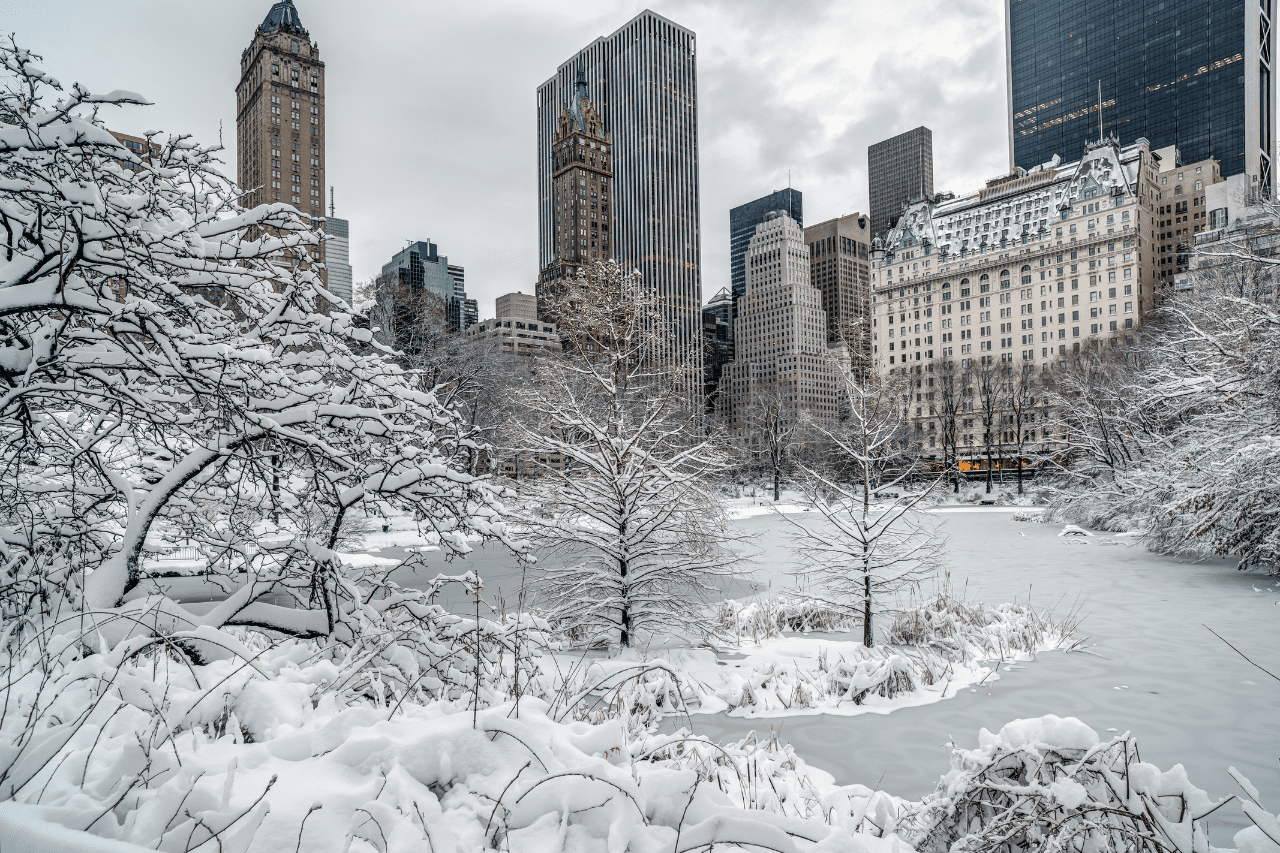
January is generally considered the coldest month in New York, and thus, it often brings the most substantial snowfall. This is the peak of the winter season for experiencing a true winter landscape. Snowfall can be frequent, sometimes occurring in multiple events throughout the month. These snowfalls can range from light, picturesque dustings that create beautiful photo opportunities to heavy snowstorms that can lead to school closures and transportation disruptions. For those who specifically seek out snowy conditions, January offers the highest likelihood of encountering them in New York City. The city’s parks, like Central Park, are particularly stunning when covered in a fresh layer of snow, offering a serene escape from the urban bustle.
February: Lingering Chill and Late-Season Snow
February continues the winter trend, with cold temperatures persisting and the potential for snowfall remaining high. While the frequency and intensity of snow might begin to slightly decrease compared to January, significant snow events are still quite possible. Historically, some of New York’s most memorable snowstorms have occurred in February. As the month progresses, a subtle shift towards longer daylight hours can be observed, but the wintry conditions often linger. For travelers looking to enjoy winter activities or simply experience the city under a blanket of snow, early to mid-February remains a favorable period.
March: The Transition to Spring
March represents a transitional period. While the beginning of the month can still see winter weather, including potential snowfalls, the latter half typically signals the approach of spring. Snow accumulation becomes less frequent and less likely as temperatures gradually rise. However, it’s not unheard of for late-season snowstorms to surprise the city, especially in early March. Those planning a visit in March should be prepared for a mix of weather conditions, with the possibility of cold snaps and snow, but also the increasing likelihood of milder days.
Beyond the City: Winter in Upstate New York
While the focus is often on the iconic skyline of New York City, upstate New York offers a profoundly different winter experience, often characterized by significantly more snowfall and a more robust winter sports scene. For travelers specifically seeking snow-covered landscapes and winter recreation, venturing beyond the metropolitan area is highly recommended.

The Adirondack Mountains: A Winter Sports Haven
The Adirondack Mountains are renowned for their heavy snowfall and winter beauty. Towns like Lake Placid, which has hosted the Winter Olympics twice, become prime destinations for skiing, snowboarding, ice skating, and bobsledding. Snowfall in this region can be substantial, often starting in November and continuing through April. The sheer volume of snow creates ideal conditions for winter sports enthusiasts. Resorts such as Whiteface Mountain offer challenging slopes, while many smaller, family-friendly mountains provide a gentler introduction to winter activities. The frozen lakes and snow-laden forests offer a picturesque backdrop for a truly immersive winter escape.
The Catskill Mountains: Accessible Winter Charm
Located closer to New York City, the Catskill Mountains also receive considerable snowfall, making them a popular destination for weekend winter getaways. Ski resorts like Hunter Mountain and Belleayre Mountain attract skiers and snowboarders with their well-groomed trails and stunning scenic views. The region’s charming towns offer a cozy retreat after a day in the snow, with opportunities for snowshoeing, cross-country skiing, and exploring local craft shops and eateries. The Catskills provide a more accessible, yet equally beautiful, winter experience compared to the more remote Adirondacks.
Western New York: Lake Effect Snowfall
Regions of Western New York, particularly those downwind of the Great Lakes, are known for experiencing “lake effect snow.” This phenomenon can lead to exceptionally heavy snow accumulations, especially in areas like Buffalo and the Tug Hill Plateau. While this can sometimes present challenges, it also creates incredible opportunities for winter recreation, including snowmobiling and enjoying vast expanses of untouched snow. The ski resorts in this part of the state benefit greatly from these consistent snow patterns, offering reliable conditions throughout the winter months.
Planning Your Snowy New York Adventure
Successfully planning a trip to New York with the expectation of snow requires a blend of flexibility and informed decision-making. Understanding the typical patterns is helpful, but embracing the unpredictability is key to enjoying what winter in New York has to offer.
Packing for the Cold
When traveling to New York during the snow season, proper attire is paramount. Layers are essential: a base layer to wick away moisture, an insulating layer for warmth (like fleece or down), and a waterproof and windproof outer shell. Don’t forget warm, waterproof boots, gloves or mittens, a hat that covers your ears, and a scarf. Thermal socks can make a significant difference in comfort. If you plan on engaging in snow sports, specialized gear will be necessary.
Transportation Considerations
Snowfall can impact travel within and around New York. In New York City, public transportation, including the subway system, generally continues to operate, though delays can occur. Flights in and out of major airports like JFK International Airport and LaGuardia Airport can be subject to delays or cancellations during severe weather. If driving, particularly upstate, ensure your vehicle is equipped for winter conditions with appropriate tires and carry emergency supplies. Renting a car with all-wheel drive or four-wheel drive is advisable for travel outside the city. Always check weather forecasts and travel advisories before and during your trip.
Embracing the Winter Experience
The magic of snow in New York lies not just in its visual appeal but also in the unique experiences it enables. Imagine ice skating at Bryant Park with the city skyline as your backdrop, or warming up with a hot chocolate from a street vendor after a stroll through a snow-covered Central Park. Consider visiting a cozy bookstore in the West Village or enjoying a leisurely brunch at a charming cafe. Upstate, the opportunities for adventure are even greater, from skiing world-class slopes to enjoying the serene beauty of snow-laden forests. Whether you seek urban elegance or outdoor adventure, New York in the snow offers a memorable and enchanting experience.
LifeOutOfTheBox is a participant in the Amazon Services LLC Associates Program, an affiliate advertising program designed to provide a means for sites to earn advertising fees by advertising and linking to Amazon.com. Amazon, the Amazon logo, AmazonSupply, and the AmazonSupply logo are trademarks of Amazon.com, Inc. or its affiliates. As an Amazon Associate we earn affiliate commissions from qualifying purchases.