
New York’s journey toward cannabis legalization is a multifaceted narrative, interwoven with evolving social attitudes, legislative debates, and a significant shift in public policy. For travelers and locals alike, understanding the timeline and implications of this landmark decision offers valuable insight into the changing landscape of the Empire State. While often framed as a singular event, the legalization of cannabis in New York was a process involving several key legislative milestones.
The Road to Adult-Use Cannabis Legalization
The most significant development in cannabis legalization in New York occurred on March 31, 2021, when Governor Andrew Cuomo signed the Marijuana Regulation and Taxation Act (MRTA) into law. This act officially legalized recreational marijuana for adults 21 years and older. The MRTA was a comprehensive piece of legislation that not only decriminalized possession and consumption for individuals but also established a framework for a regulated adult-use cannabis market.

Key Provisions of the MRTA
The MRTA brought about several crucial changes:
- Personal Possession and Cultivation: Adults can now possess up to three ounces of cannabis flower and up to 24 grams of cannabis concentrate. Home cultivation is also permitted, allowing individuals to grow up to six plants per household, with a maximum of twelve plants per dwelling. This aspect is particularly relevant for those considering longer stays or exploring unique experiential travel within New York State.
- Retail Dispensaries: The act authorized the creation of licensed retail dispensaries where adults can legally purchase cannabis products. The Office of Cannabis Management (OCM) was established to oversee the licensing and regulation of these dispensaries, as well as other aspects of the cannabis industry, including cultivation, processing, and distribution. The rollout of these dispensaries has been gradual, with initial licenses being awarded to social equity applicants.
- Social Equity Provisions: A core component of the MRTA is its commitment to social equity. The law aims to address the disproportionate impact of past cannabis prohibition on marginalized communities, particularly communities of color. This includes provisions for expungement of past cannabis convictions and prioritizing licensing for individuals from these communities.
- Taxation and Revenue Allocation: The MRTA implemented a cannabis tax structure, including a state excise tax based on THC content and a standard state sales tax. The revenue generated from these taxes is earmarked for various public services, including education, community reinvestment, and drug treatment and prevention programs.
The Significance of the MRTA for Tourism
The legalization of adult-use cannabis has had, and will continue to have, a notable impact on tourism in New York. While consumption is restricted to private spaces and designated areas (where permitted by local municipalities), the availability of legal cannabis products and the opening of dispensaries introduce a new dimension to the visitor experience. For those interested in exploring the cultural and social shifts within the state, understanding these legal changes is paramount.
Medical Marijuana in New York: A Precedent
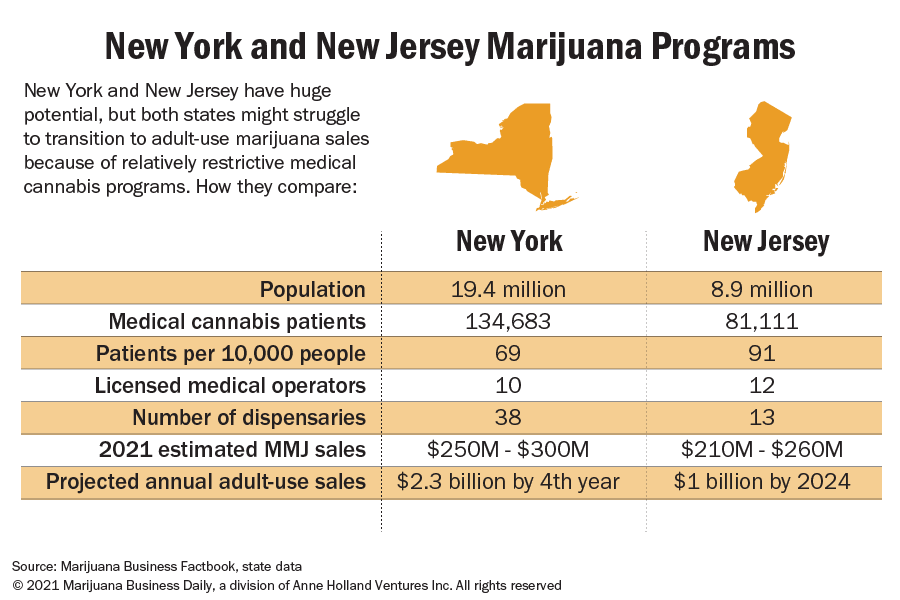
It is essential to distinguish the legalization of adult-use cannabis from the establishment of New York’s medical marijuana program. The ** NYS Medical Marijuana Program**, established by the ** Compassionate Care Act** in 2014, predates the MRTA by several years.
The Compassionate Care Act of 2014
The Compassionate Care Act allowed registered patients with qualifying debilitating medical conditions to access cannabis for therapeutic purposes. This program was initially quite restrictive, with a limited number of licensed organizations authorized to cultivate and dispense medical cannabis. The focus was strictly on patient care and symptom management, under the guidance of certified medical professionals.

Evolution of the Medical Program
Over the years, the medical marijuana program in New York saw amendments to expand the list of qualifying conditions and increase the number of registered organizations. This gradual expansion paved the way for broader acceptance and understanding of cannabis as a legitimate therapeutic agent, contributing to the eventual push for adult-use legalization.
Decriminalization: A Crucial First Step
Long before the MRTA, New York took significant steps toward decriminalizing marijuana possession. In 2012, then-Mayor Michael Bloomberg and Police Commissioner Ray Kelly announced changes to the NYPD’s enforcement of low-level marijuana offenses, moving away from arrests towards civil summonses for possession of small amounts of marijuana in public view.
The Impact of Decriminalization Policies
While not full legalization, these decriminalization efforts marked a turning point. They reduced the number of arrests for minor marijuana offenses, particularly in communities that had been disproportionately targeted. This policy shift began to alleviate some of the social and economic burdens associated with cannabis prohibition, fostering a more tolerant environment and laying the groundwork for more comprehensive reform. This period of decriminalization highlighted the public’s growing awareness and concern regarding the impact of existing laws on residents and visitors alike.
Navigating Cannabis in New York Today
For visitors and residents, understanding the legal status of cannabis in New York is crucial for responsible engagement with the substance.
Where and How to Consume Legally
Consumption of cannabis is generally permitted in private residences, including many hotel rooms (if allowed by the property owner) and private apartments. However, public consumption is largely prohibited, similar to tobacco. This means smoking or vaping cannabis in parks, on public streets, or in vehicles is not allowed. Local municipalities also have the authority to opt-out of allowing on-site consumption in licensed dispensaries. Travelers should always check local ordinances and property rules regarding cannabis use.
Purchasing Cannabis
Legitimate purchases of cannabis products for recreational use can only be made at licensed retail dispensaries. These dispensaries are regulated by the NYS Office of Cannabis Management and are required to adhere to strict safety and quality control standards. It is important to note that the illegal market for cannabis still exists, and purchasing from unlicensed sources carries risks. The development of a robust and accessible legal market remains a work in progress, with ongoing efforts to expand the number of licensed dispensaries across the state, including in popular tourist destinations like New York City.
The Future of Cannabis in New York
The legalization of cannabis in New York is an evolving story. The state continues to refine its regulatory framework, expand licensed retail access, and address the complexities of a newly established industry. For those planning a visit or exploring life within the state, staying informed about these developments will enhance understanding and ensure compliance with the latest laws and regulations. The transition from prohibition to a regulated market is a significant social and economic shift, offering new perspectives on New York’s dynamic cultural landscape.
LifeOutOfTheBox is a participant in the Amazon Services LLC Associates Program, an affiliate advertising program designed to provide a means for sites to earn advertising fees by advertising and linking to Amazon.com. Amazon, the Amazon logo, AmazonSupply, and the AmazonSupply logo are trademarks of Amazon.com, Inc. or its affiliates. As an Amazon Associate we earn affiliate commissions from qualifying purchases.