
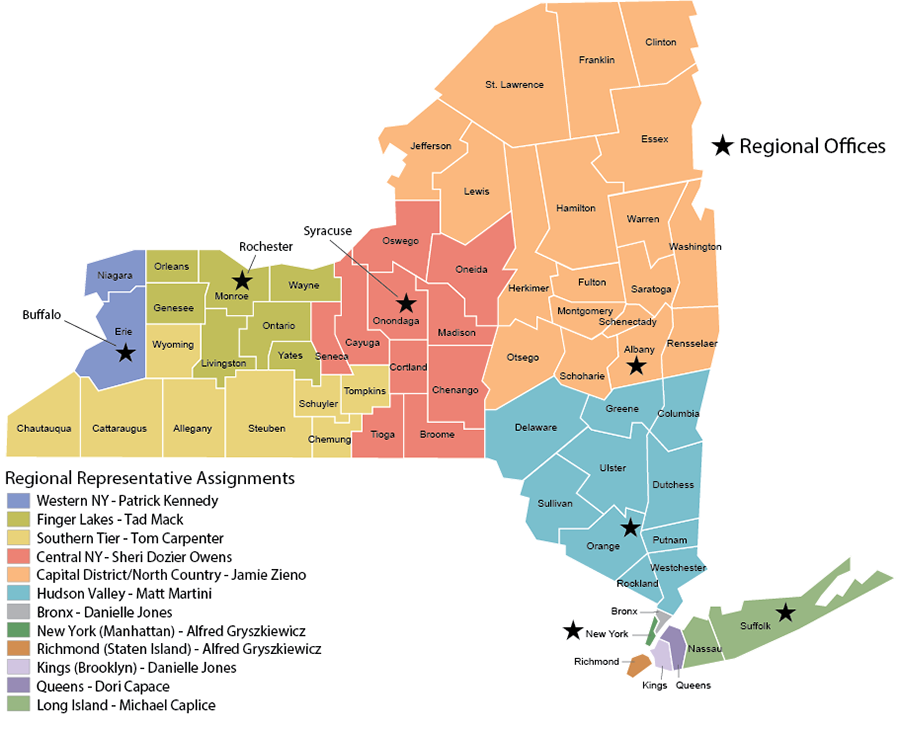
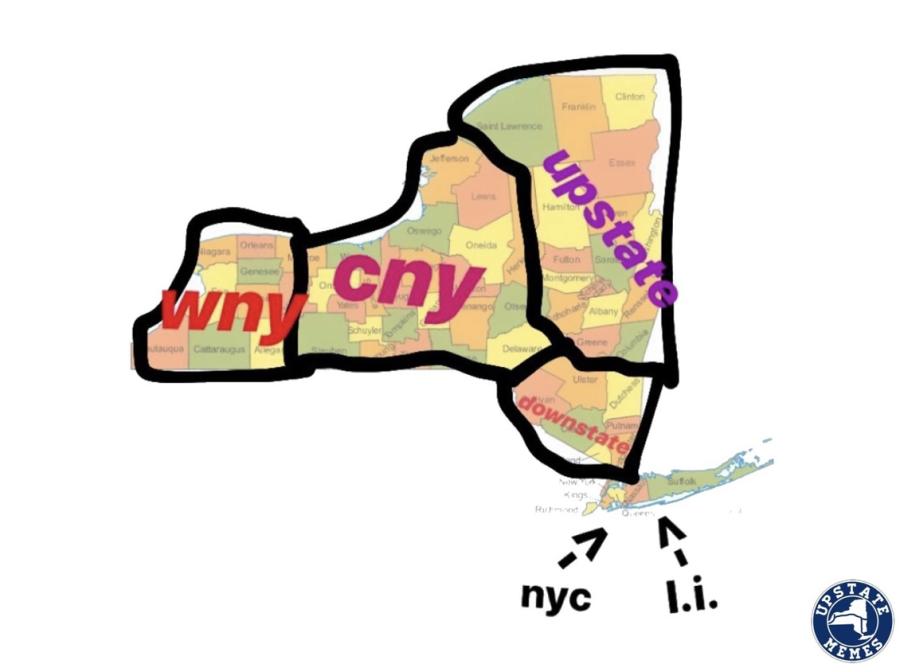
The notion of “Upstate New York” is as elusive as a mist rolling off the Adirondack Mountains. For many, it evokes images of sprawling forests, pristine lakes, charming small towns, and a distinct cultural identity separate from the hustle of New York City. Yet, pinpointing the precise geographical demarcation of Upstate New York proves to be a surprisingly complex and often debated topic. The answer, it seems, depends heavily on who you ask and their personal connection to the region. Is it a hard line on a map, or a more fluid concept defined by shared experiences and a particular way of life?

The Shifting Sands of Definition
The very ambiguity of “Upstate” serves as a testament to its enduring appeal. It’s not a formally recognized political or administrative boundary, but rather a cultural and geographical understanding that has evolved over time.
Geographic Perceptions
From a purely geographic standpoint, one might look to the Mohawk River Valley as a general dividing line, often considering areas north of Albany and the surrounding Capital Region as the true start of Upstate. This perspective aligns with broader geographical trends, such as the transition from more densely populated coastal areas to more rural and mountainous terrain. The Catskill Mountains are often included, though their southern proximity can lead to debate.
Conversely, some might argue that Upstate begins further north, encompassing the vast wilderness of the Adirondack Park, the Thousand Islands region along the St. Lawrence River, and the Finger Lakes. This definition emphasizes the significant natural beauty and recreational opportunities that characterize these areas.
Cultural and Historical Markers
Beyond geography, cultural and historical touchstones play a crucial role in shaping the perception of Upstate. Historically, the Erie Canal played a pivotal role in the development of many Upstate communities, connecting the Great Lakes to the Hudson River and fostering economic growth. Towns and cities that grew along its path, such as Syracuse, Rochester, and Buffalo, are undeniably considered Upstate.
The industrial heritage of cities like Utica and the agricultural bounty of regions like the Mohawk Valley also contribute to the Upstate identity. These areas share a common history of manufacturing, farming, and immigration that differentiates them from the more cosmopolitan centers downstate.
The “Downstate” Divide
The most common, albeit informal, marker for the beginning of Upstate is often perceived as anything north of the New York City metropolitan area. This includes suburban Westchester County, which, while geographically north of Manhattan, is often still considered part of the broader downstate sphere due to its close economic and cultural ties.
However, even this distinction is porous. The influence of New York City extends surprisingly far, with many weekend commuters and second-home owners populating areas that are geographically well into what many consider Upstate. This constant flow of people and ideas blurs the lines further, making a definitive border a moving target.
Exploring the Diverse Regions of “Upstate”
While the exact starting point remains a subject of friendly contention, the vast and varied landscapes that fall under the umbrella of “Upstate New York” offer a wealth of travel experiences. From the majestic peaks of the Adirondacks to the rolling vineyards of the Finger Lakes, each region possesses a unique charm and appeal.
The Adirondack Wilderness: Nature’s Grand Cathedral
For many, the Adirondack Mountains represent the quintessential Upstate experience. This vast, protected park offers unparalleled opportunities for outdoor recreation. Hiking trails abound, from challenging summit ascents to gentle strolls through dense forests. Kayaking and canoeing on crystal-clear lakes, such as Lake Placid or Saranac Lake, are popular summer pastimes. In winter, the region transforms into a snowy paradise, attracting skiers, snowboarders, and snowshoers to resorts like Whiteface Mountain.
The small towns nestled within the Adirondacks, such as Lake Placid (host of two Winter Olympics), Saranac Lake, and Old Forge, offer charming accommodations, local eateries, and unique artisanal shops. The presence of historic lodges and family-run inns adds to the rustic allure.
The Finger Lakes: A Symphony of Water and Wine
The Finger Lakes region, characterized by its string of long, narrow lakes, is a paradise for wine lovers and nature enthusiasts alike. The unique microclimates created by the lakes are ideal for viticulture, leading to a burgeoning wine industry with numerous wineries offering tastings and tours. Regions like the southern shores of Seneca Lake and Keuka Lake are particularly renowned.
Beyond the vineyards, the Finger Lakes boast stunning natural beauty, including dramatic gorges and waterfalls. Watkins Glen State Park is a must-visit, with its famed Gorge Trail featuring over 19 waterfalls. Charming towns like Skaneateles, Ithaca, and Geneva offer vibrant arts scenes, farm-to-table dining, and cozy bed and breakfasts.
The Capital Region and Beyond: History and Industry
As one moves south in the perceived Upstate region, the Capital Region centered around Albany offers a blend of history, government, and burgeoning cultural attractions. The New York State Museum provides insights into the state’s rich past, while the Empire State Plaza stands as an architectural marvel.
Further west, the former industrial powerhouses of Syracuse, Rochester, and Buffalo are experiencing a renaissance. These cities are reclaiming their industrial heritage, transforming old factories into trendy loft apartments, breweries, and cultural spaces. Rochester is known for its vibrant arts scene and the George Eastman Museum, while Buffalo boasts impressive architecture and a growing culinary scene, with nearby Niagara Falls being a world-renowned natural wonder.
The Experiential Definition of Upstate
Ultimately, the question of “Where does Upstate New York begin?” may be less about drawing a line on a map and more about an experiential understanding. It’s about the crisp autumn air, the smell of pine needles in the forest, the taste of freshly picked apples, the friendly wave from a passerby in a small town, and the quiet contemplation of a starlit sky unpolluted by city lights.
It’s the feeling of escaping the relentless pace of urban life and embracing a more grounded existence. It’s the appreciation for natural beauty that hasn’t been manicured or overly commercialized. It’s the sense of community that still thrives in many of its villages and towns.
The Rural Charm and Agricultural Roots
A significant aspect of the Upstate experience is its deep connection to agriculture. Rolling farmlands, apple orchards, and dairy farms are a common sight, contributing to the region’s identity and economy. Farm stands offer seasonal produce, and many communities celebrate local harvests with festivals. This agrarian heritage is a key differentiator from the more urbanized downstate areas.
A Haven for Outdoor Enthusiasts
Whether it’s the rugged trails of the Catskills, the serene waters of the Finger Lakes, or the vast wilderness of the Adirondacks, Upstate New York is a playground for outdoor enthusiasts. From challenging climbs to leisurely paddles, the opportunities for adventure are endless. The access to nature is a primary draw for visitors and residents alike, offering a refreshing counterpoint to the concrete jungles of the south.
Cultural Enclaves and Small-Town Life
Upstate New York is dotted with charming small towns, each with its own distinct character. From historic villages with preserved architecture to vibrant college towns pulsing with energy, these communities offer a glimpse into a different pace of life. Explore local boutiques, independent bookstores, and family-owned restaurants to discover the unique cultural tapestry of these locales. Festivals, farmers’ markets, and community events are the heartbeats of these towns, fostering a strong sense of belonging.
The Art of the Road Trip
Perhaps the best way to truly understand where Upstate begins is to embark on a road trip. Drive north from the metropolitan area, and at some point, the landscape will subtly shift. The buildings will become fewer and farther between, the trees will grow taller, and the sky will seem to open up. You might find yourself stopping at a roadside diner for a slice of pie, chatting with locals about the best fishing spots, or pulling over to admire a breathtaking vista. It’s in these spontaneous moments, these connections with the land and its people, that the true essence of Upstate New York reveals itself. The precise coordinates may remain debated, but the feeling of arriving in a place that is both familiar and wonderfully different is unmistakable.
LifeOutOfTheBox is a participant in the Amazon Services LLC Associates Program, an affiliate advertising program designed to provide a means for sites to earn advertising fees by advertising and linking to Amazon.com. Amazon, the Amazon logo, AmazonSupply, and the AmazonSupply logo are trademarks of Amazon.com, Inc. or its affiliates. As an Amazon Associate we earn affiliate commissions from qualifying purchases.