
The question of where “Upstate New York” begins is not merely a cartographical curiosity; it’s a nuanced exploration of regional identity, economic influence, and cultural perception. Unlike clearly defined political boundaries, the concept of Upstate New York is fluid, debated, and often depends on who you ask and what criteria they prioritize. This exploration delves into the commonly accepted geographical markers, historical context, and even the subjective feelings that delineate this vast and diverse region from its more metropolitan counterpart.
Defining the Boundaries: A Geographical and Historical Perspective
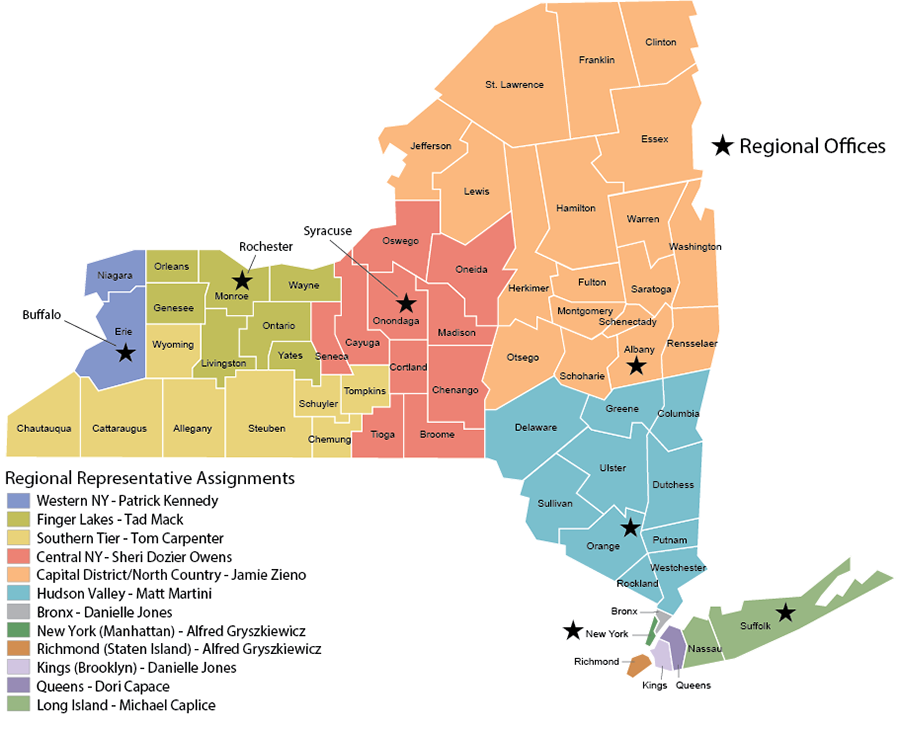
While there’s no official legislative act declaring the precise start of Upstate New York, a general consensus has emerged based on geographical features and historical development. The line is often drawn south of the New York City metropolitan area, extending northward to the Canadian border. However, the exact latitude and longitude remain a point of contention, particularly in the counties immediately surrounding the five boroughs.

The “Mid-Hudson” Divide
One of the most commonly cited dividing lines is the Mid-Hudson region. This area, encompassing counties like Dutchess, Orange, Putnam, and Ulster, often finds itself in a liminal space. Residents here may identify with aspects of both Downstate and Upstate cultures. For many, the commute and economic ties to New York City keep them tethered to the southern metropolitan influence, yet the rural landscapes, lower population densities, and distinct community characteristics begin to assert themselves.
Geographically, the Mid-Hudson Valley is characterized by the dramatic escarpment of the Shawangunk Mountains and the expansive Hudson River gorge, acting as a natural, albeit permeable, barrier. Historically, this region was an agricultural breadbasket and a site of early industrial development, setting it apart from the increasingly urbanized sprawl of the south.
Moving Northward: The Adirondack Frontier
As one travels further north, the definition of Upstate becomes more unambiguous. The counties bordering the Adirondack Mountains – such as Hamilton, Essex, and Franklin – are undeniably Upstate. This vast wilderness area, with its protected forests, pristine lakes, and rugged terrain, embodies the image many hold of Upstate New York: a place of natural beauty, outdoor recreation, and a slower pace of life.
The presence of major upstate cities like Albany, Syracuse, Rochester, and Buffalo further solidifies the concept of Upstate. These urban centers, while boasting their own unique characteristics and regional importance, are geographically distant from New York City and possess economies, cultural institutions, and social dynamics that are distinctly different from those of the metropolitan area.
Cultural and Economic Differentiators
Beyond geographical lines, the cultural and economic landscapes offer crucial insights into what constitutes Upstate New York. The perceived differences in lifestyle, cost of living, and dominant industries play a significant role in shaping regional identity.
Lifestyle and Perceptions
The perception of Upstate New York often conjures images of idyllic rural settings, charming small towns, and a strong connection to nature. This contrasts with the fast-paced, high-density urban environment of New York City and its immediate suburbs. While this is a broad generalization, it reflects a fundamental difference in the lived experience.
Upstate residents often experience a lower cost of living, particularly in housing, which allows for different lifestyle choices. The emphasis can shift towards outdoor pursuits, community engagement in smaller towns, and a more relaxed daily rhythm. This is not to say that Upstate lacks vibrant cultural scenes or economic opportunities; rather, these are often expressed differently. Cities like Rochester have renowned museums and a burgeoning craft beverage scene, while Buffalo is experiencing a renaissance with its revitalized waterfront and historic architecture.
Economic Drivers
The economic engines of Upstate New York have historically differed from those of the Downstate region. While New York City thrives on finance, media, fashion, and international commerce, Upstate has traditionally relied on manufacturing, agriculture, education, and, increasingly, technology and tourism.
Cities like Syracuse have a legacy of manufacturing, while the Finger Lakes region has become a major hub for wine production and tourism. The presence of major universities, such as Cornell University in Ithaca and the University at Albany, also contributes to the intellectual and economic landscape of Upstate, fostering innovation and attracting a skilled workforce. The decline of traditional industries in some areas has led to economic challenges, but also to diversification and the emergence of new growth sectors.
The Subjectivity of “Upstate”
Ultimately, the definition of Upstate New York is also deeply subjective, influenced by personal experience, family ties, and a sense of belonging. For someone born and raised in Albany, the concept of Upstate is an ingrained reality, a familiar landscape of home. For someone from New York City, “Upstate” might refer to weekend getaways to the Catskills or a summer vacation in the Adirondacks.
Interstate and Regional Highways as Markers
Major transportation arteries often serve as informal dividing lines. The New York State Thruway (I-90) and I-87 (Northway) are key conduits that connect various parts of the state. As one travels north on these highways, the density of development decreases, and the rural character becomes more pronounced. Exits leading to smaller towns and scenic routes are often considered gateways to Upstate.
The “Fall Line” of Population Density
A more abstract but equally valid differentiator is the “fall line” of population density. South of a certain point, urban and suburban sprawl becomes the dominant feature. As you move further north, the landscape opens up, punctuated by more dispersed settlements and vast tracts of undeveloped land. This transition, typically observed in the counties south of the Capital Region and the Mohawk Valley, marks a significant shift in the built environment and the associated lifestyle.

A Sense of Place
For many, “Upstate” is not just a location but a feeling. It’s the crisp air of a Catskills morning, the quiet hum of a small-town main street, the vastness of the Adirondack wilderness, or the unique charm of cities like Syracuse or Buffalo. This sense of place, cultivated through experiences and narratives, is perhaps the most powerful determinant of where Upstate New York truly begins for those who call it home or aspire to visit its many wonders. Whether seeking outdoor adventures in the Finger Lakes, exploring historic sites near Albany, or enjoying the vibrant cultural scene of Rochester, the journey north from New York City into the expansive territories of Upstate New York offers a rich tapestry of experiences that define this multifaceted region.
LifeOutOfTheBox is a participant in the Amazon Services LLC Associates Program, an affiliate advertising program designed to provide a means for sites to earn advertising fees by advertising and linking to Amazon.com. Amazon, the Amazon logo, AmazonSupply, and the AmazonSupply logo are trademarks of Amazon.com, Inc. or its affiliates. As an Amazon Associate we earn affiliate commissions from qualifying purchases.