
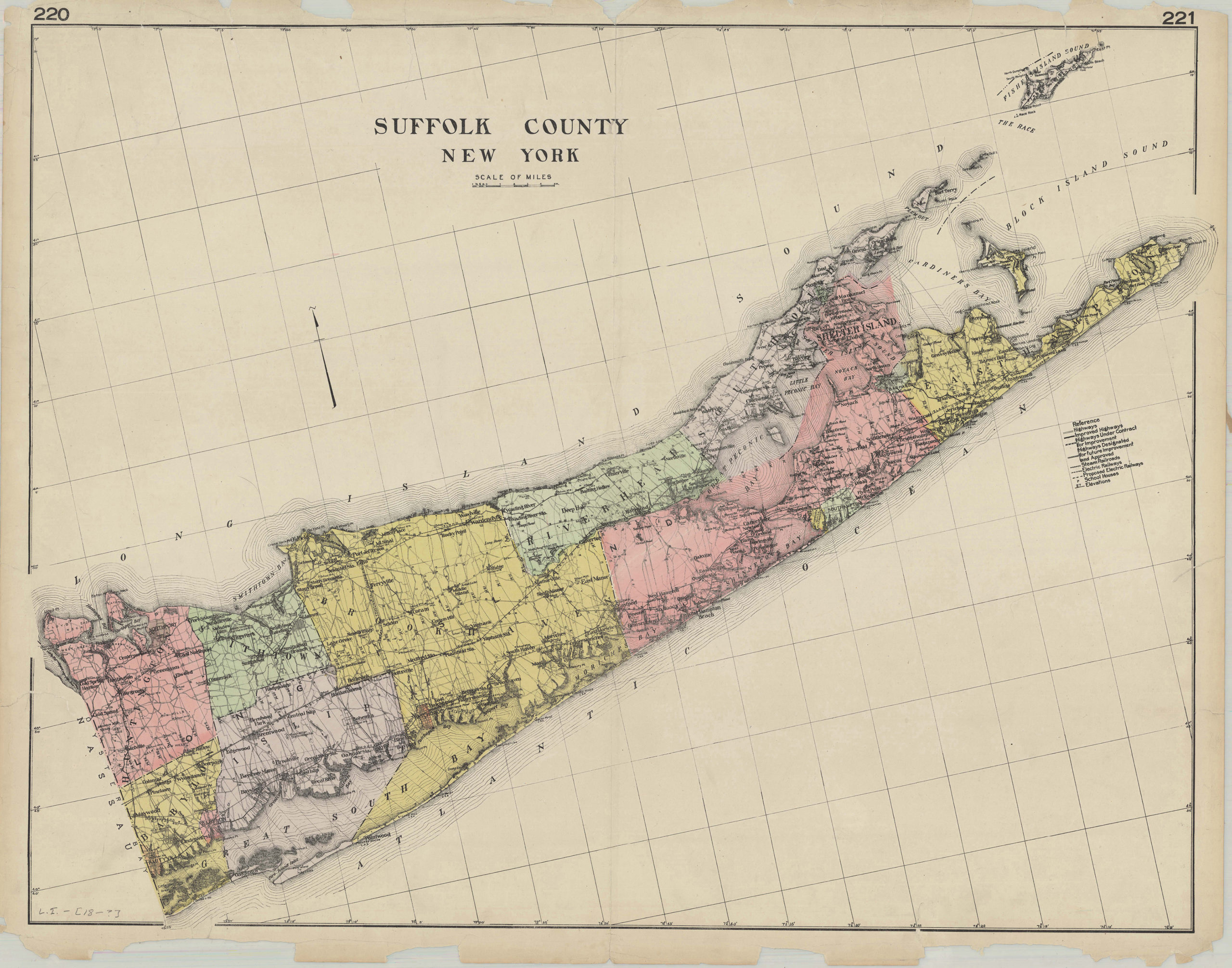
Suffolk County, a vast and diverse region on Long Island, represents the easternmost portion of the state of New York. Often perceived as a single entity, it is, in fact, a tapestry of distinct communities, from bustling suburban towns to serene coastal villages and sprawling rural landscapes. Its strategic location, bordering Nassau County to the west, the Long Island Sound to the north, and the Atlantic Ocean to the south, shapes its unique character and appeal. Understanding its geographical placement is the first step in appreciating the rich experiences it offers, whether one is seeking a vibrant day trip, a relaxing escape, or a deeper immersion into local culture and natural beauty.

Geographical Context and Boundaries
Suffolk County is the second-largest county in New York by land area, encompassing a significant portion of Long Island’s eastern two-thirds. Its western border is defined by Nassau County, which itself is a populous extension of New York City. To the north, the county is embraced by the tranquil waters of the Long Island Sound, a major waterway that separates Long Island from Connecticut. This northern coastline is dotted with picturesque harbors and beaches, offering a different coastal ambiance than its southern counterpart.
To the south, Suffolk County faces the formidable expanse of the Atlantic Ocean. This southern shore is famous for its extensive sandy beaches, barrier islands, and the powerful surf that draws surfers and beachgoers alike. The iconic Fire Island National Seashore, a car-free barrier island stretching for miles, is a prime example of this oceanic allure. The easternmost point of the county, and indeed of Long Island, culminates in the tip of the South Fork, home to the renowned Hamptons, and the North Fork, known for its vineyards.
The East–West Divide
The geographical division of Long Island into Nassau County and Suffolk County is more than just a line on a map; it often signifies a shift in atmosphere and lifestyle. While Nassau County is more densely populated and suburban, closely mirroring the urban sprawl of New York City, Suffolk County offers a greater degree of open space, natural beauty, and a more relaxed pace of life, particularly as one travels further east. This distinction is crucial for travelers looking to understand the nuances of Long Island’s diverse offerings.
Waterways and Coastlines
The extensive coastlines and numerous bays, inlets, and rivers are defining features of Suffolk County. The Great South Bay is a vast estuary that separates mainland Long Island from Fire Island, providing sheltered waters for boating, fishing, and a habitat for diverse marine life. Other significant waterways include the Peconic River on the North Fork and numerous creeks and streams that feed into the surrounding waters. These aquatic environments are not just scenic backdrops but are integral to the county’s economy and recreational activities.
Key Regions Within Suffolk County
Suffolk County is broadly divided into distinct geographical and cultural regions, each possessing its own unique charm and appeal. Understanding these sub-regions helps in navigating the county’s vast landscape and identifying specific points of interest.
The West Islip and Huntington Areas
Closer to Nassau County, areas like West Islip and Huntington offer a blend of suburban convenience and access to waterfront activities. Huntington, in particular, boasts a vibrant downtown with a lively arts scene, restaurants, and the historic Paramount Theatre. These areas serve as gateways to the rest of Suffolk, providing essential amenities and a taste of Long Island’s accessible coastal lifestyle.
The Hamptons and the South Fork
Perhaps the most internationally recognized part of Suffolk County, the Hamptons comprise a collection of affluent villages and hamlets on the South Fork. Towns like Southampton, East Hampton, Sag Harbor, and Montauk are synonymous with luxury, pristine beaches, high-end shopping, and celebrity sightings. The eastern tip of the South Fork, near Montauk, offers dramatic cliffs and the iconic Montauk Point State Park with its historic lighthouse. This region epitomizes a sophisticated beach resort destination.
The North Fork and the East End
The North Fork, in contrast to the glamour of the Hamptons, presents a more bucolic and agricultural landscape. Famous for its burgeoning wine industry, the North Fork is home to dozens of wineries, many offering tastings and tours amidst rolling vineyards. Towns like Greenport provide a charming maritime experience with a working waterfront, boutiques, and seafood restaurants. The Peconic Bay, a significant body of water separating the forks, is a hub for sailing and aquaculture, particularly for oysters. This region offers a more relaxed, farm-to-table, and vineyard-hopping experience.
Central Suffolk and the Pines Barrens
Central Suffolk is characterized by a mix of suburban development, significant industrial parks, and vast tracts of protected natural land, most notably the Long Island Pine Barrens. This ecological preserve offers opportunities for hiking, birdwatching, and appreciating a unique coastal plain ecosystem. Towns in this region, such as Smithtown and Ronkonkoma, serve as important commercial and transportation hubs, with Long Island MacArthur Airport located in Ronkonkoma.
Traveling to and Within Suffolk County

Suffolk County is accessible by a variety of transportation methods, catering to different travel preferences. Its location on Long Island means it is well-integrated into the greater New York metropolitan area transportation network.
By Air
The primary airport serving Suffolk County is Long Island MacArthur Airport (ISP) in Ronkonkoma. While it handles domestic flights, many international travelers and those coming from further afield may fly into John F. Kennedy International Airport (JFK) or LaGuardia Airport (LGA) in New York City, or Newark Liberty International Airport (EWR) in New Jersey, and then arrange ground transportation.
By Train
Long Island Rail Road (LIRR) is a vital artery connecting Suffolk County to New York City and other parts of Long Island. The LIRR has numerous branches that extend throughout Suffolk, making it a convenient option for day-trippers and commuters alike. Key stations include Huntington, Ronkonkoma, and branches serving the North and South Forks, including Greenport, Southampton, and Montauk.
By Car
Driving is a popular way to explore Suffolk County, especially for those wishing to visit multiple locations or access areas not directly served by public transportation. Major roadways include the Long Island Expressway (I-495), which runs the length of the island, and the Sunrise Highway (NY-27), which also traverses much of the county. Traffic can be a significant factor, particularly during peak hours and summer weekends, especially for access to the Hamptons.
Local Transportation
Once in Suffolk County, options for getting around depend on the specific area. In more populated towns, ride-sharing services and local taxi companies are available. For exploring areas like the North Fork wine region or the Hamptons, renting a car or utilizing shuttle services, particularly during tourist season, is often recommended. Many visitors opt for chauffeured services or private car hire for convenience, especially when visiting multiple wineries or estates. For destinations like Fire Island, private ferries are the sole mode of transport.
Attractions and Experiences
Suffolk County offers a diverse array of attractions, from pristine natural landscapes and historical sites to world-class cultural institutions and recreational activities. Its location along the coast and its rich agricultural heritage contribute to its unique appeal.
Beaches and Coastal Areas
The southern coastline is renowned for its expansive sandy beaches, such as those in Jones Beach State Park, Robert Moses State Park, and the various beaches of the Hamptons, including Main Beach in East Hampton. The northern coast along the Long Island Sound offers calmer waters and more intimate beaches, ideal for families and watersports. Fire Island provides miles of undeveloped, pristine shoreline with a unique, car-free atmosphere.
Wine and Agriculture
The North Fork is a celebrated wine region, boasting numerous vineyards and wineries that produce award-winning wines. Visitors can enjoy wine tastings, vineyard tours, and scenic drives through picturesque farmland. Beyond wine, Suffolk County’s agricultural roots are evident in its many farm stands, orchards, and pick-your-own farms, offering fresh local produce, especially during the summer and fall seasons.
History and Culture
Suffolk County is steeped in history, with numerous historical sites and museums. The Long Island Maritime Museum in West Sayville showcases the region’s seafaring heritage. The historic villages of the North Fork, such as Greenport, offer a glimpse into 19th-century maritime life. The Hamptons also feature historic homes and museums, reflecting its evolution from fishing villages to glamorous resort destinations. The Old Whalers Church in Sag Harbor is a notable example.
Nature and Outdoor Recreation
The Long Island Pine Barrens provide extensive opportunities for hiking, biking, and nature observation. Coastal areas offer kayaking, paddleboarding, and boating. Fishing is a popular activity in both saltwater and freshwater locations. Wildlife viewing is abundant, particularly for bird species along the coast and in protected habitats.
In conclusion, Suffolk County is a multifaceted destination offering a wide spectrum of experiences. Its geographical positioning on Long Island, with its extensive coastlines and diverse interior, makes it a significant entity within New York State. From the vibrant energy of its western towns to the serene beauty of its eastern reaches, Suffolk County invites exploration and promises a memorable journey for every visitor.
LifeOutOfTheBox is a participant in the Amazon Services LLC Associates Program, an affiliate advertising program designed to provide a means for sites to earn advertising fees by advertising and linking to Amazon.com. Amazon, the Amazon logo, AmazonSupply, and the AmazonSupply logo are trademarks of Amazon.com, Inc. or its affiliates. As an Amazon Associate we earn affiliate commissions from qualifying purchases.