
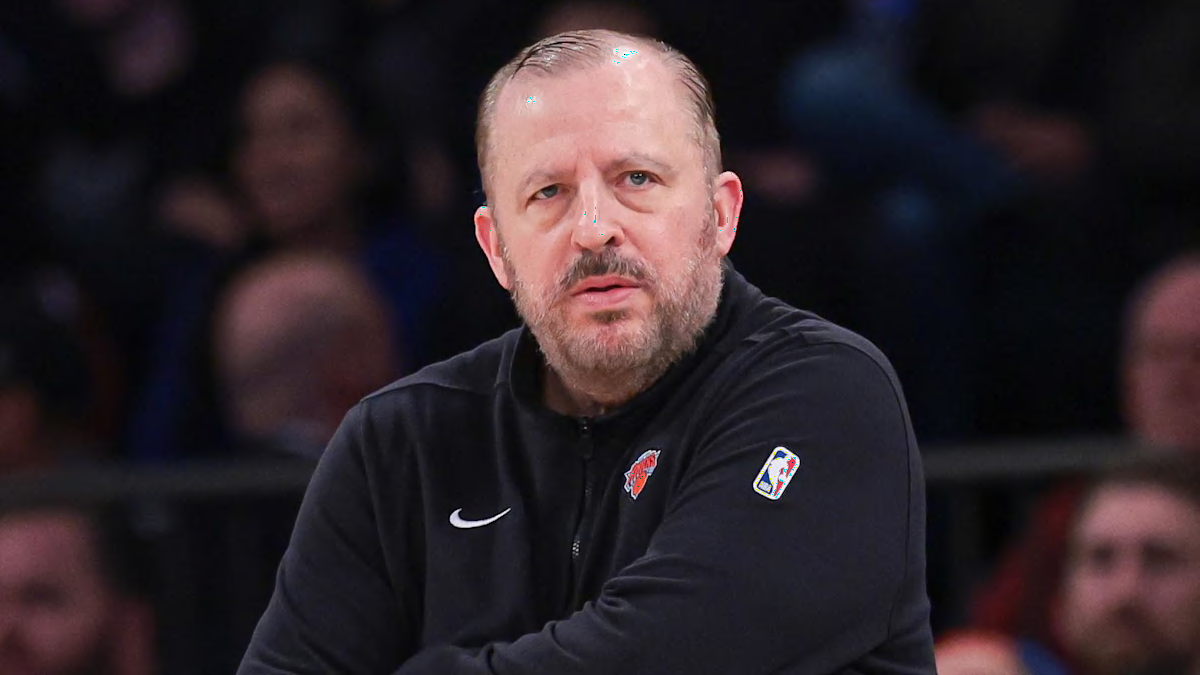
The question of who coaches the New York Knicks is a perennial one, particularly for fans who have weathered the team’s storied, yet often turbulent, history. The bench boss holds a unique position, not just as a tactical architect but as a cultural figure within the vibrant tapestry of New York City. The coach of the Knicks is tasked with navigating the intense spotlight, managing expectations, and, ultimately, striving for the championship glory that has eluded the franchise for decades. This role transcends Xs and Os; it’s about leadership, resilience, and the ability to connect with a passionate fanbase that demands nothing less than excellence.
The Strategic Vision: On-Court Philosophy
The coach’s primary responsibility lies in shaping the team’s on-court identity. This involves developing a cohesive playing style that leverages the strengths of the roster while mitigating weaknesses. It’s a delicate balancing act, requiring a deep understanding of basketball strategy, player personnel, and the evolving landscape of the National Basketball Association.
Offensive Systems
A successful Knicks coach must implement an offensive system that can consistently generate points against elite competition. This could manifest in various forms, from a fast-paced, up-tempo attack that thrives on transition opportunities, to a more deliberate, half-court offense that emphasizes ball movement, screening, and shot creation. Key considerations include:
- Pace and Tempo: Does the team aim to push the ball relentlessly, or will it prioritize controlled possessions? The choice impacts player conditioning, defensive strategy, and offensive execution.
- Playmaking: Who are the primary initiators of the offense? Is it a dominant point guard, a versatile wing, or a system that distributes playmaking duties across multiple players?
- Spacing and Shooting: The modern NBA is heavily reliant on three-point shooting. A coach must design offensive sets that create open looks for shooters and draw defenders away from the paint.
- Post Presence: While less dominant than in previous eras, a strong post scorer can still be a valuable asset. The coach must decide how to integrate a low-post threat into the offensive flow.
Defensive Schemes
Defense is often cited as the bedrock of championship teams, and the Knicks are no exception. The coach’s defensive philosophy dictates the team’s intensity, communication, and ability to adapt to opposing offenses.
- Man-to-Man vs. Zone: The decision to predominantly play man-to-man defense, requiring individual accountability, or to employ zone defenses, which offer more collective protection, is crucial. Each has its advantages and disadvantages depending on the personnel and the opponent.
- Pressure and Trapping: Will the Knicks employ aggressive defensive schemes, looking to force turnovers and disrupt offensive rhythm, or will they opt for a more conservative approach, focusing on containing dribble penetration and contesting shots?
- Rotations and Help Defense: The effectiveness of any defensive scheme hinges on disciplined rotations and timely help defense. The coach must instill this discipline and ensure players understand their responsibilities when a teammate is beaten.
- Transition Defense: Preventing easy baskets in transition is paramount. The coach must ensure the team sprints back and communicates effectively to prevent the opposition from scoring before the defense is set.
Building a Winning Culture: Beyond the X’s and O’s
The influence of a Knicks coach extends far beyond the whiteboard. Building a winning culture is an intangible but critical component of sustained success. This involves fostering accountability, promoting player development, and instilling a sense of collective purpose.
Player Development and Motivation
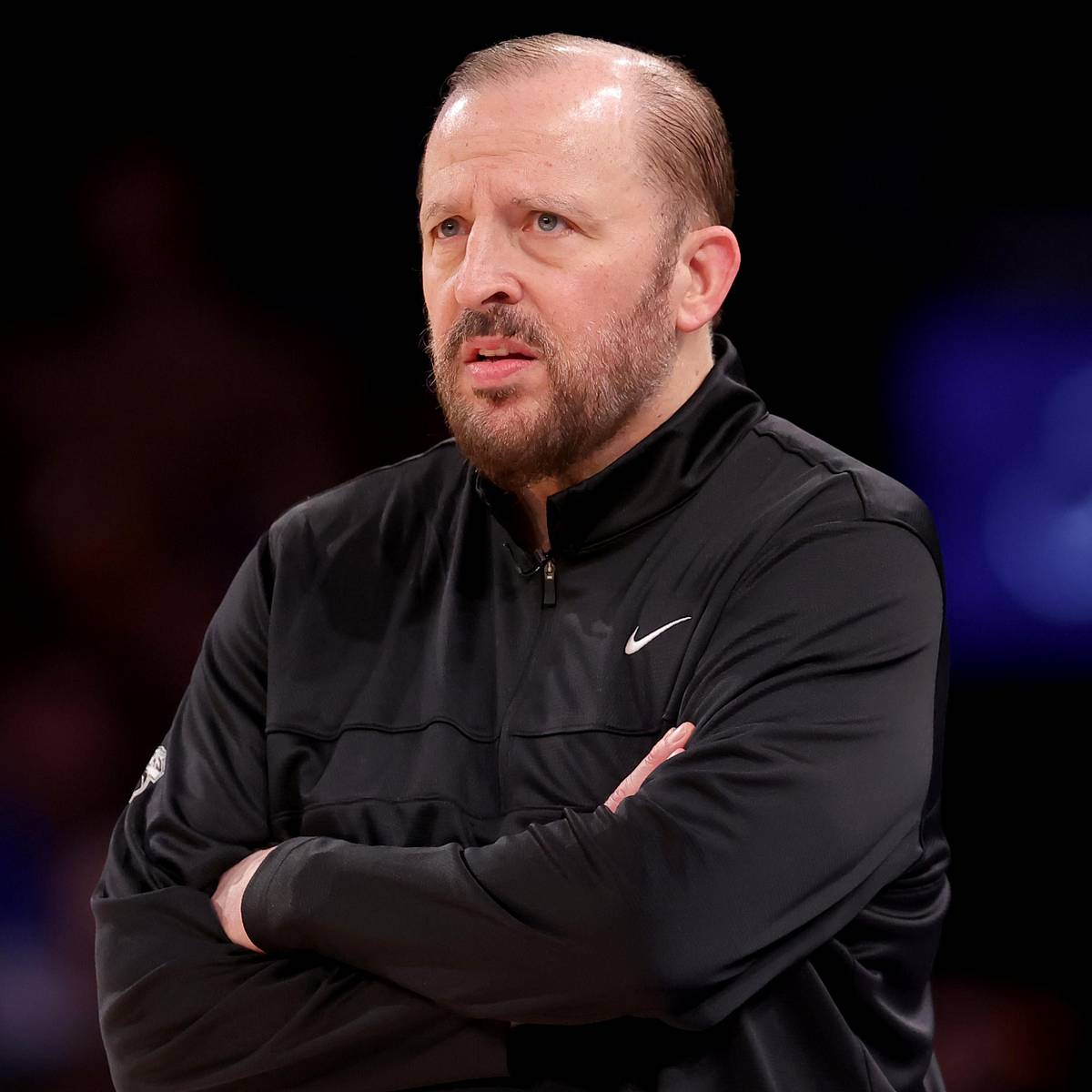
A coach’s ability to identify and nurture talent is paramount. This includes not only developing the skills of young players but also maximizing the potential of veteran players.
- Individual Skill Enhancement: Providing targeted coaching and training to improve specific aspects of a player’s game, whether it’s shooting, dribbling, or defensive footwork.
- Mental Toughness: Equipping players with the mental fortitude to handle pressure, bounce back from adversity, and maintain focus throughout a long season.
- Motivation Strategies: Understanding what drives each individual player and employing a variety of motivational techniques to keep the team engaged and performing at a high level.
Team Chemistry and Cohesion
A team is more than just a collection of talented individuals; it’s a unit that must function harmoniously. A successful coach prioritizes building strong relationships and fostering a sense of camaraderie.
- Communication: Encouraging open and honest communication between players and coaches, as well as amongst players themselves.
- Conflict Resolution: Effectively addressing and resolving any interpersonal conflicts that may arise within the locker room.
- Shared Goals: Ensuring that all players are aligned with the team’s overarching objectives and are willing to make sacrifices for the greater good.
Handling the Spotlight: The [Madison Square Garden] Factor
Coaching the New York Knicks means operating under an intense microscope. Madison Square Garden, the “World’s Most Famous Arena,” is a crucible where every decision, every win, and every loss is amplified.
- Media Scrutiny: Navigating a relentless barrage of questions from local and national media outlets. This requires a thick skin, an ability to deliver clear and concise messages, and a willingness to deflect criticism away from players when necessary.
- Fan Expectations: The Knicks fanbase is known for its passion and high expectations. A coach must be able to manage these expectations, inspire hope, and connect with the supporters, even during challenging periods.
- Public Relations: The coach is a public figure, representing the franchise. Their demeanor and public statements can significantly impact the team’s image and the fans’ perception.
The Historical Lens: A Legacy of Coaching Greats
The lineage of coaches who have led the New York Knicks is a significant part of the team’s narrative. From legendary figures who brought championship glory to those who navigated periods of rebuilding, each has left their indelible mark. Understanding this history provides context for the challenges and opportunities faced by the current coach.
Championship Era Coaches
The golden era of Knicks basketball in the 1970s was shaped by visionary leaders. Coaches like Red Holzman instilled a disciplined, team-oriented approach that led to two NBA championships. His emphasis on fundamentals, defense, and unselfish play became the hallmark of those successful Knicks squads. The ability to blend individual talent with a collective identity was the key to their enduring success.
Modern Era Struggles and Rebuilding Efforts
In the decades since their championship triumphs, the Knicks have experienced periods of both promise and significant struggle. Coaches have been tasked with rebuilding rosters, implementing new systems, and attempting to recapture the magic of past eras. This often involves navigating salary cap complexities, the draft, and free agency, all while trying to compete in a highly competitive Eastern Conference. The constant turnover on the coaching staff in some periods highlights the immense pressure to deliver immediate results.

The Impact of Coaching on Franchise Identity
The coach plays a pivotal role in defining the franchise’s identity. Whether it’s a reputation for tough defense, an exciting offensive style, or a commitment to player development, the coach’s philosophy often becomes synonymous with the team. For the New York Knicks, the pursuit of a coach who can instill a winning mentality and guide the team back to consistent contention remains a central theme in their ongoing story. The individual at the helm of the Knicks is not just managing a basketball team; they are stewarding a piece of New York history and a source of immense passion for millions of fans.
LifeOutOfTheBox is a participant in the Amazon Services LLC Associates Program, an affiliate advertising program designed to provide a means for sites to earn advertising fees by advertising and linking to Amazon.com. Amazon, the Amazon logo, AmazonSupply, and the AmazonSupply logo are trademarks of Amazon.com, Inc. or its affiliates. As an Amazon Associate we earn affiliate commissions from qualifying purchases.