
Understanding your representation in the New York State Assembly is a fundamental aspect of civic engagement, especially for those interested in how local policies and state-level decisions impact their lives, communities, and the broader tourism and hospitality landscape of the Empire State. Identifying your Assembly Member provides a direct conduit to advocate for issues related to tourism development, infrastructure improvements, cultural preservation, and the economic vitality that the travel industry brings to New York State. This guide will navigate you through the process of discovering who represents you and how to connect with their office, empowering you to participate more effectively in the governance that shapes New York.
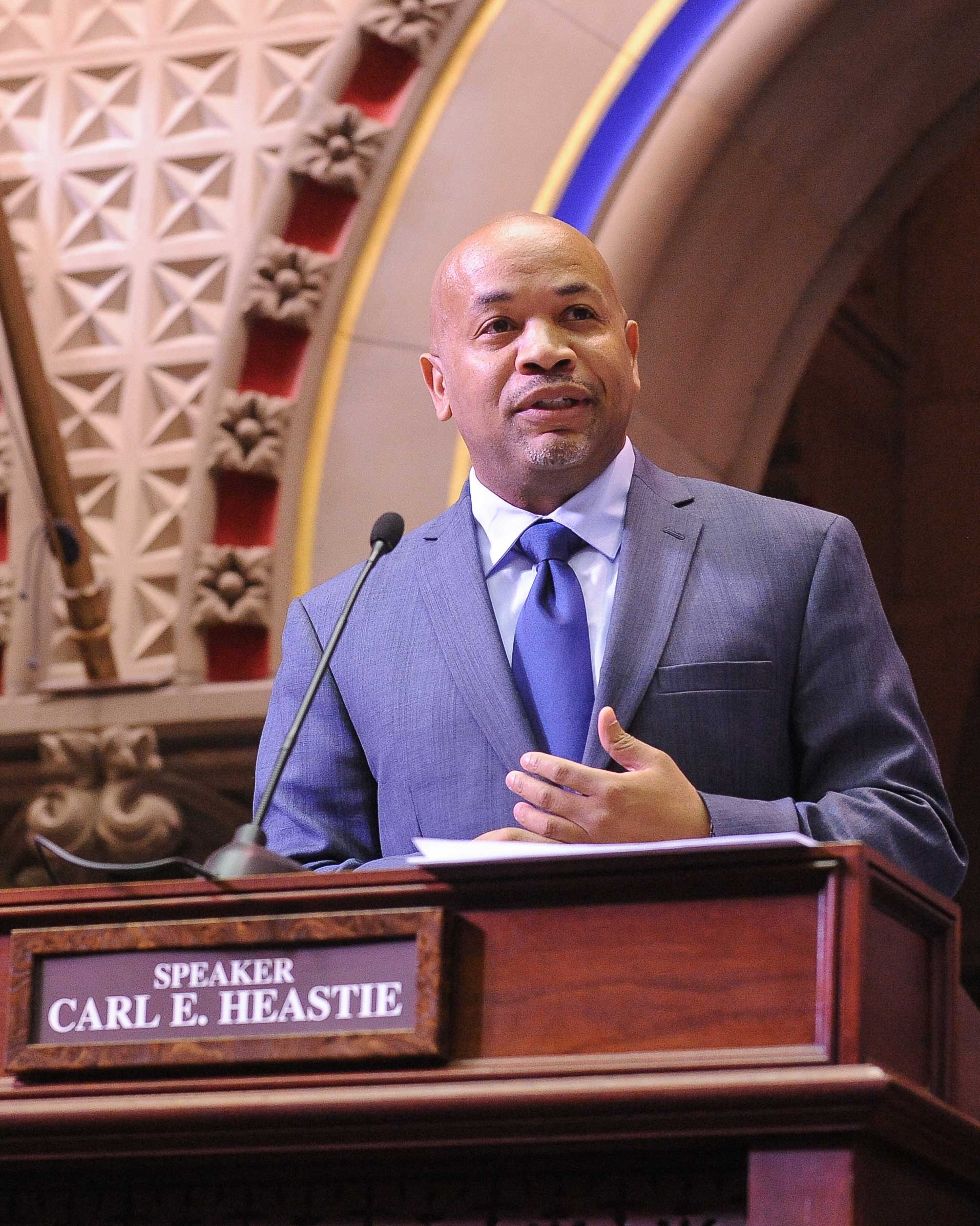
Understanding Your District
The New York State Assembly is comprised of 150 members, each representing a specific geographic district within the state. These districts are drawn to ensure roughly equal population representation. For residents of New York State, knowing your district is the crucial first step in identifying your elected representative. Your district is determined by your residential address. It’s a direct reflection of your community and the unique characteristics that define it, whether you reside in the bustling heart of New York City, a charming small town in the Adirondacks, or an agricultural region in Upstate New York.
Geographic Boundaries and Their Impact
The boundaries of each Assembly district are meticulously defined and can be subject to redistricting over time to reflect population shifts. These boundaries are not arbitrary; they are designed to encompass communities with shared interests and concerns. For individuals involved in the tourism sector, understanding these boundaries is paramount. A district might encompass renowned attractions like Niagara Falls, the historic sites of the Hudson Valley, or a significant portion of the Catskill Mountains. The policies and priorities of the Assembly Member representing such a district will invariably be influenced by the needs and opportunities of its prominent tourist destinations and the businesses that support them.
Local Identity and Representation
Your Assembly district reflects your local identity. Whether you are part of a community focused on preserving its local culture and heritage, promoting its unique culinary scene, or developing new adventure tourism experiences, your Assembly Member is intended to be your voice in Albany. They are tasked with understanding the specific challenges and potential of your area, including those that affect the tourism industry, such as infrastructure development, marketing initiatives, and regulatory frameworks that govern businesses from small bed and breakfasts to large resort hotels.
Methods to Identify Your Assembly Member
Fortunately, the New York State Assembly provides accessible tools to help constituents identify their representative. These resources are designed to be user-friendly and are publicly available, ensuring that every resident can exercise their right to know and engage with their elected officials. The most common and effective method involves utilizing online lookup tools.
Online District Finder Tools
The primary resource for identifying your Assembly Member is the official New York State Assembly website. They typically offer a “Find Your Representative” or “District Lookup” tool. To use this feature, you will need to enter your street address, including your city and zip code. The system will then cross-reference your address with the defined district boundaries and display the name of your current Assembly Member. This is often the quickest and most accurate way to obtain the information.
Understanding the Information Provided

Once you have identified your Assembly Member, the website will usually provide a wealth of information beyond just their name. This typically includes their official portrait, their party affiliation, their district office address and phone number, their legislative contact information in Albany, and often a biography detailing their background, priorities, and committee assignments. For those interested in how state policy affects the tourism and hospitality sector, noting their committee assignments can be particularly insightful. An Assembly Member serving on committees related to tourism, economic development, consumer affairs, or cultural development may have a more direct impact on the issues you care about.
Alternative Methods
If you encounter difficulties with online tools or prefer a more direct approach, you can also contact the New York State Assembly main office by phone or email. They will be able to assist you in identifying your representative based on your address. Additionally, many local government websites or county election boards may also provide access to this information, especially during election cycles.
Engaging with Your Assembly Member
Knowing who your Assembly Member is is only the first step. The true value lies in engaging with their office to advocate for your interests and contribute to the dialogue surrounding issues that affect New York State and its vibrant tourism economy. Effective communication and engagement can lead to positive changes and ensure that the needs of the tourism and hospitality industry are considered in state-level decision-making.
Communicating Your Concerns
There are several ways to communicate with your Assembly Member. The most direct method is to write a letter or send an email to their office. When writing, be clear, concise, and specific about the issue you wish to discuss. If you are advocating for tourism-related initiatives, such as improved signage for attractions, funding for local festivals, or support for small businesses in the hospitality sector, provide concrete examples and explain the potential impact. Remember to include your full name and address to confirm you are a constituent.
Attending Constituent Meetings and Town Halls
Many Assembly Members hold regular constituent meetings or town hall events in their districts. These gatherings provide an excellent opportunity to meet your representative in person, ask questions, and voice your concerns directly. Town halls often cover a range of local issues, and you may find discussions relevant to tourism, economic development, or community infrastructure. This face-to-face interaction can be highly effective in making your perspective known and building a relationship with their office.
Understanding Their Legislative Priorities
By reviewing their biography, voting record, and stated priorities on their official website, you can gain insight into what matters most to your Assembly Member. If their priorities align with the advancement of tourism, such as supporting infrastructure projects that enhance visitor access to places like the Thousand Islands or promoting the unique attractions of the Finger Lakes, your advocacy will likely resonate more deeply. Understanding their existing focus allows you to tailor your communication and present your concerns in a way that connects with their existing legislative agenda.

The Role in Tourism and Hospitality
Your Assembly Member plays a critical role in shaping the environment in which tourism and hospitality businesses operate. They vote on legislation that can affect everything from marketing budgets for Empire State Development to regulations impacting hotels, restaurants, and cultural institutions. By staying informed and actively engaging, you can influence decisions that support job creation, economic growth, and the preservation of New York State’s rich cultural and natural heritage, ensuring that the state remains a premier destination for travelers worldwide.
LifeOutOfTheBox is a participant in the Amazon Services LLC Associates Program, an affiliate advertising program designed to provide a means for sites to earn advertising fees by advertising and linking to Amazon.com. Amazon, the Amazon logo, AmazonSupply, and the AmazonSupply logo are trademarks of Amazon.com, Inc. or its affiliates. As an Amazon Associate we earn affiliate commissions from qualifying purchases.