
Understanding Representation in the Empire State
Navigating the political landscape of a populous and diverse state like New York can feel like an intricate undertaking, especially when seeking to understand who represents your interests in the United States Congress. The state, a powerhouse of culture, finance, and innovation, is divided into numerous congressional districts, each represented by a Member of Congress. These representatives play a crucial role in shaping legislation that impacts everything from local infrastructure to national policy, making it essential for constituents to know their voice in Washington D.C.

The Structure of Congressional Representation
The United States Congress is a bicameral legislature composed of the House of Representatives and the Senate. Both chambers are involved in lawmaking, but their composition and responsibilities differ. For the purpose of this discussion, “Congressman” typically refers to a member of the House of Representatives, although the term can sometimes be used colloquially to refer to any member of Congress.
The House of Representatives
The House of Representatives is designed to be closer to the people, with representation based on state population. Each state is allocated a certain number of representatives, and these representatives are elected from specific geographic districts within their state. The total number of representatives in the House is fixed at 435.
New York, as one of the most populous states, has a significant number of representatives in the House. The exact number can fluctuate slightly based on decennial census data and subsequent reapportionment. Currently, New York has 27 congressional districts, each sending one representative to the House. These representatives are elected every two years.
The Senate
Each state, regardless of population, is represented by two Senators in the Senate. This ensures that less populous states have an equal voice in the Senate as more populous ones. New York has two Senators, who serve six-year terms. While they are part of Congress, when someone asks “Who is the Congressman for New York?”, they are most often inquiring about the Representatives in the House.
Identifying Your Specific Representative
The most direct way to answer “Who is the Congressman for New York?” is to understand that there isn’t a single Congressman for the entire state. Instead, each of the 27 congressional districts has its own elected representative. Therefore, the answer is specific to the congressional district in which an individual resides.
The Role of District Boundaries
Congressional districts are drawn by state legislatures, a process known as redistricting, which typically occurs after each census. The boundaries of these districts are crucial, as they determine which constituents fall under the purview of a particular representative. For example, someone living in Manhattan’s Upper East Side will have a different Congressman than someone living in Buffalo.
Tools for Finding Your Representative
Fortunately, identifying your specific representative is a straightforward process thanks to resources provided by the U.S. Congress and various non-partisan organizations.
The Official Congress Website
The most reliable source is the official website of the U.S. Congress. By entering your zip code, the website can typically direct you to both your Representative in the House and your two Senators. This is an invaluable tool for any constituent seeking to engage with their elected officials.
Other Online Resources
Numerous other websites offer similar functionality. Many reputable news organizations and civic engagement platforms provide tools that allow users to input their address and discover their elected representatives at federal, state, and local levels. These can be particularly helpful for those who prefer a more user-friendly interface.
The Diverse Delegation of New York
The congressional delegation from New York is as diverse as the state itself. Representing a wide array of urban, suburban, and rural communities, these Members of Congress bring a variety of perspectives and priorities to the legislative process. Their districts encompass some of the most iconic and economically significant areas in the nation, including the bustling metropolis of New York City, the picturesque Hudson Valley, the agricultural heartland of Upstate, and the important economic hubs along the Great Lakes.
Key Districts and Their Representatives
While it’s impossible to list all 27 representatives here, understanding the general geographic distribution and the types of districts can provide insight.
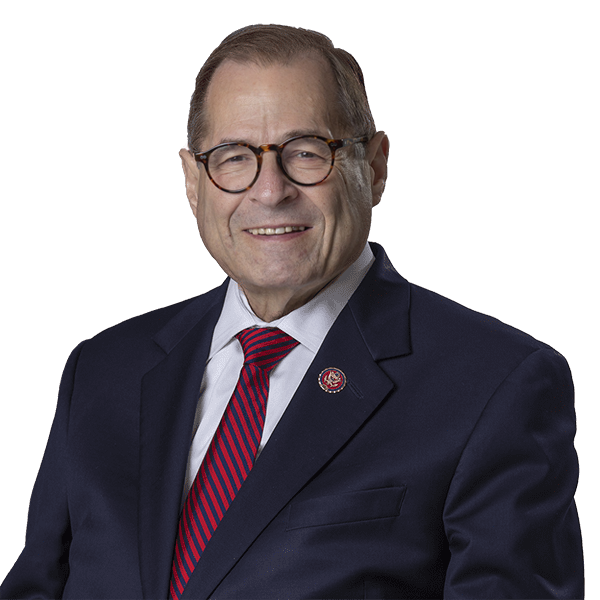
Congressional Districts within New York City
New York City is divided into multiple congressional districts, each representing a unique demographic and economic profile. Districts in Manhattan, for instance, might focus on issues related to finance, arts, and dense urban living, while those in Brooklyn or Queens could address concerns of diverse immigrant communities, housing, and local businesses. The representatives from these districts often play key roles in debates surrounding urban development, social services, and transportation.
Districts in Upstate and Suburban New York
Moving beyond New York City, the congressional districts in Upstate New York and its surrounding suburban areas often have different priorities. Representatives from these regions might focus more on issues such as agriculture, manufacturing, environmental protection, and infrastructure development for smaller cities and rural communities. The concerns of the residents in areas like Syracuse, Rochester, or Albany will shape the legislative agenda of their respective Members of Congress.
The Impact of New York’s Congressional Delegation
The collective voice of New York’s congressional delegation is significant in shaping national policy. With representatives serving on influential committees, they have the power to impact legislation across a broad spectrum of issues.
Committee Assignments
Members of Congress seek assignments to committees that align with their districts’ interests and their own policy expertise. Representatives from New York often hold prominent positions on committees such as Financial Services, Ways and Means, Energy and Commerce, and Transportation and Infrastructure, given the state’s economic importance and diverse needs. These assignments allow them to champion legislation that directly benefits their constituents and the state as a whole.
Legislative Priorities
The legislative priorities of New York’s representatives are varied. They might advocate for federal funding for mass transit in the metropolitan area, support for agricultural innovation in rural districts, or policies aimed at revitalizing manufacturing sectors. Their work in Washington D.C. directly influences the economic vitality, environmental quality, and social well-being of the communities they represent.
Engaging with Your Congressman
Understanding who your Congressman is is the first step; the next is understanding how to engage with them effectively. As a constituent, you have the right and the opportunity to make your voice heard on the issues that matter most to you.
The Importance of Constituent Communication
Members of Congress are elected to represent the interests of their constituents. Therefore, communication from the people they represent is vital. Whether it’s an opinion on a piece of legislation, a concern about a federal agency, or a suggestion for policy, engaging with your representative’s office ensures that your perspective is considered.
Methods of Communication
There are several ways to communicate with your Congressman or their staff:
- Emails and Letters: Sending a well-reasoned email or letter is a common and effective way to convey your views. Most congressional offices have dedicated staff to read and respond to constituent correspondence.
- Phone Calls: Calling the district office can be a more immediate way to express your opinion or to request assistance with a federal matter.
- Town Hall Meetings: Many representatives hold regular town hall meetings in their districts. These events provide an excellent opportunity to ask questions directly and engage in public dialogue.
- Social Media: While less formal, engaging with your representative on social media platforms can also be a way to voice opinions and stay informed.
Seeking Assistance with Federal Agencies
Beyond legislative advocacy, congressional offices often serve as a vital link for constituents facing issues with federal agencies. If you are experiencing difficulties with agencies such as the Internal Revenue Service (IRS), the Department of Veterans Affairs, or Social Security Administration, your Congressman’s casework staff can often provide assistance in navigating bureaucratic processes.
The Evolving Political Landscape of New York
The political representation of New York in Congress is not static. It is influenced by demographic shifts, evolving policy debates, and the regular electoral cycle. Understanding these dynamics is key to appreciating the ongoing efforts to represent the state’s diverse population.
Redistricting and its Impact
As mentioned, redistricting is a process that occurs every ten years following the U.S. Census. This process can lead to changes in congressional district boundaries, which in turn can alter the composition of New York’s congressional delegation. The drawing of these lines can sometimes be contentious, as it can affect the political balance within the state and influence which party holds certain seats.

Key Issues and Future Representation
The representatives from New York will continue to grapple with a range of critical issues. These include economic development, affordable housing, climate change, education, and healthcare. The specific priorities and legislative approaches of these representatives will shape New York’s influence in Congress and its trajectory in the years to come. Staying informed about who your representative is and what they stand for ensures that you can participate effectively in this ongoing democratic process.
LifeOutOfTheBox is a participant in the Amazon Services LLC Associates Program, an affiliate advertising program designed to provide a means for sites to earn advertising fees by advertising and linking to Amazon.com. Amazon, the Amazon logo, AmazonSupply, and the AmazonSupply logo are trademarks of Amazon.com, Inc. or its affiliates. As an Amazon Associate we earn affiliate commissions from qualifying purchases.