
The story of the founding of the New York Colony is not a simple tale with a single, definitive founder. Unlike some other colonial endeavors that can be neatly attributed to one visionary leader, the establishment of New York was a complex, multi-stage process involving various European powers, ambitious individuals, and shifting political landscapes. To understand who “founded” this pivotal colony, we must delve into its Dutch origins and the subsequent English takeover, examining the key figures and motivations at each juncture.
The Dutch Genesis: New Netherland and Its Architects
The earliest European presence and the actual founding of what would become New York, under a different name, originated with the Dutch. In the early 17th century, the Dutch Republic, a burgeoning maritime and commercial power, sought to expand its global reach. The Dutch West India Company, chartered in 1621, was instrumental in this expansion, aiming to establish trade routes and settlements in the Americas.
Henry Hudson’s Exploratory Voyage
The initial spark for Dutch interest in the region can be traced back to the 1609 voyage of the English explorer Henry Hudson, who was sailing under a Dutch commission. Hudson, searching for a westward passage to Asia, navigated and charted the river that now bears his name, the Hudson River. While his primary goal was not settlement, his discoveries revealed a rich territory with abundant natural resources, particularly beaver pelts, highly prized in Europe for their use in making felt hats. This voyage laid the geographical groundwork for future Dutch claims and exploration.
The Establishment of New Netherland
Following Hudson’s explorations, Dutch fur traders began frequenting the area. The Dutch West India Company, recognizing the commercial potential, officially claimed the territory in 1621 and named it New Netherland. The first permanent European settlement was established in 1624 at Fort Orange (present-day Albany), primarily as a trading post.
In 1626, a significant event occurred that has often been mythologized: the purchase of Manhattan Island from the indigenous Lenape people by Dutch colonists. The most prominent figure associated with this transaction is Peter Minuit, the then-Director-General of New Netherland. Minuit, acting on behalf of the Dutch West India Company, is credited with orchestrating the exchange of goods, valued at 60 Dutch guilders (reportedly worth around $24 at the time), for the island. While the concept of land ownership as understood by Europeans was alien to the Lenape, this transaction marked the formal establishment of Dutch control over the strategic island, on which the settlement of New Amsterdam would grow. Peter Minuit, therefore, is often considered a key architect of the initial Dutch colonial presence, laying the foundation for future development in the region.
The English Takeover and the Renaming of the Colony

The Dutch established a thriving, albeit diverse and often fractious, colony. However, their hold on New Netherland was always precarious, caught between the ambitions of their European rivals, France and England. The strategic location and economic potential of the colony made it a target, and the inevitable conflict between England and the Netherlands eventually led to its transfer.
The Role of the Duke of York
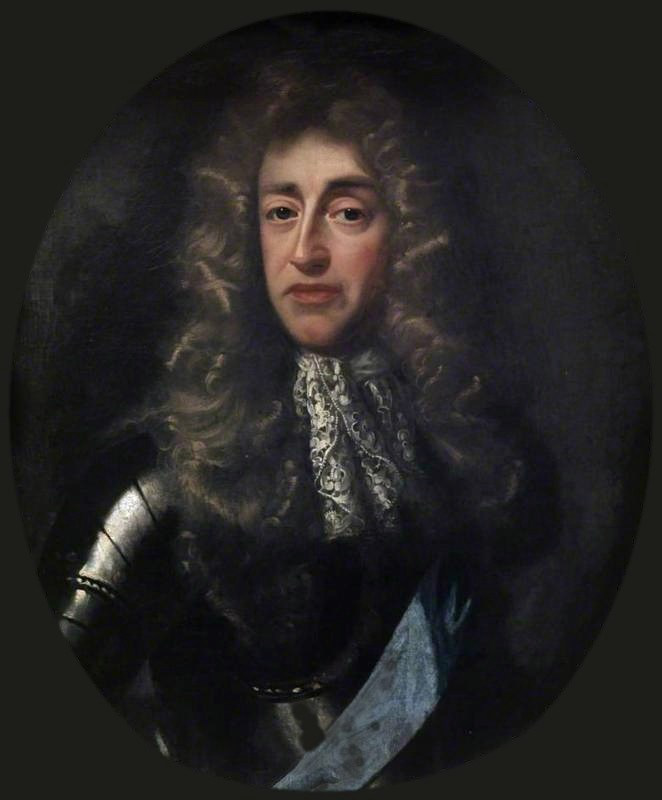
The pivotal moment in the transition from Dutch to English rule occurred in 1664. England, under King Charles II, granted a vast swathe of territory, including the Dutch colony, to his brother, James, Duke of York (later King James II). This grant was part of England’s broader policy of colonial expansion and consolidation in North America. The Duke of York, in whose honor the colony was subsequently renamed, was thus the titular “founder” of the English New York Colony.
The Bloodless Conquest
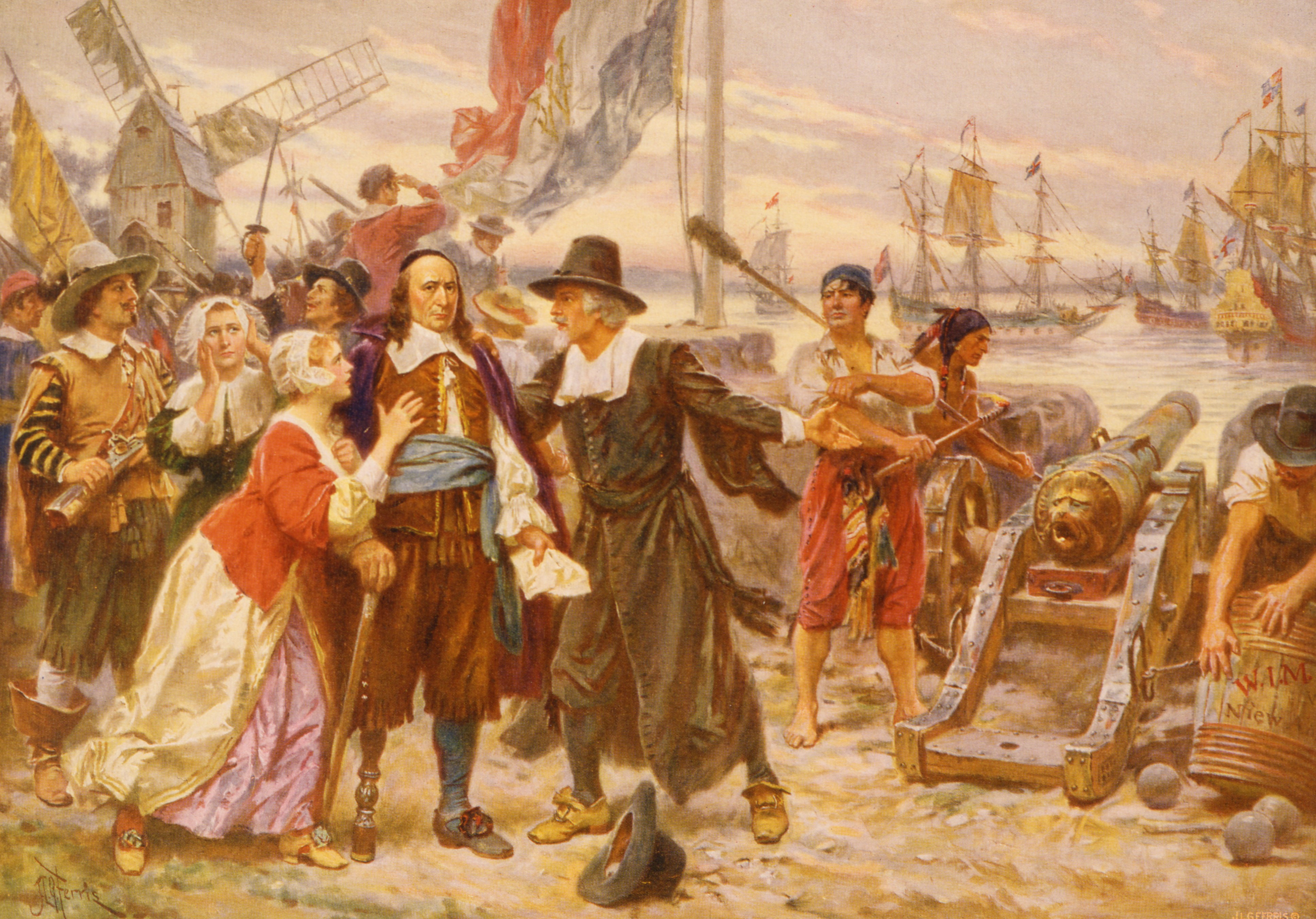
In August 1664, an English fleet arrived in New Amsterdam harbor, demanding surrender. The Director-General of New Netherland at the time, Peter Stuyvesant, was a staunch defender of Dutch interests and initially vowed to resist. However, facing overwhelming military superiority, the lack of support from the populace, and the potential for significant bloodshed, he was compelled to negotiate terms of surrender. The colony was handed over to the English without a major battle.
Upon taking control, the English officially renamed the colony New York in honor of the Duke of York. New Amsterdam was also renamed New York City. This marked the end of Dutch rule and the beginning of a new chapter under English administration, though the legacy of Dutch culture and influence would continue to shape the region for generations.
Defining “Founder”: A Nuance in Colonial History
The question of “who is the founder” of the New York Colony is therefore best answered with a nuanced understanding of its complex origins.
- For the initial European settlement and Dutch claim: Henry Hudson initiated the exploration, while Peter Minuit, as Director-General, was the key administrator responsible for establishing New Amsterdam on Manhattan Island and formalizing Dutch presence through transactions with indigenous peoples.
- For the English colony that bore the name “New York”: James, Duke of York, was the proprietor to whom the land was granted by the English Crown, and in whose honor it was named. His acquisition of the territory, and the subsequent English takeover, can be seen as the founding event of the colony in its English iteration.
It is crucial to acknowledge the indigenous peoples, the Lenape, whose ancestral lands were the very foundation upon which these European colonies were built. While not “founders” in the European sense, their presence and relationship with the land were integral to the early history of the region. The colonial narrative is often incomplete without recognizing their deep connection to this territory, which they called home long before the arrival of Europeans. The story of the New York Colony is a testament to the intricate web of exploration, commerce, political maneuvering, and intercultural exchange that characterized the Age of Exploration and the establishment of European powers in the Americas.
LifeOutOfTheBox is a participant in the Amazon Services LLC Associates Program, an affiliate advertising program designed to provide a means for sites to earn advertising fees by advertising and linking to Amazon.com. Amazon, the Amazon logo, AmazonSupply, and the AmazonSupply logo are trademarks of Amazon.com, Inc. or its affiliates. As an Amazon Associate we earn affiliate commissions from qualifying purchases.