
The political landscape of New York City is a dynamic and ever-evolving entity, reflecting the vibrant spirit and diverse interests of its inhabitants. Each mayoral election brings with it a wave of anticipation, speculation, and often, significant change. Understanding the trajectory of this global metropolis requires a keen eye on its leadership, particularly the individual at the helm of its intricate governance. This exploration delves into the identity of the current mayor, examining the forces that shaped their ascent and the potential implications for the city’s future, especially through the lens of tourism and urban development.

The office of the Mayor of New York City is one of immense responsibility. The mayor presides over a city that is a global nexus of finance, culture, fashion, and of course, tourism. From the iconic skyline dotted with architectural marvels to the bustling streets teeming with life and culinary delights, New York City draws millions of visitors annually. The mayor’s policies and vision, therefore, have a profound impact on the visitor experience, shaping everything from public safety and transportation to the preservation of cultural institutions and the development of new attractions.
The Mandate and the Candidate
Every mayoral election in New York City is a referendum on the city’s direction. Candidates emerge from various backgrounds, each articulating a unique vision for addressing the complex challenges and opportunities facing this sprawling urban center. The process of becoming mayor is a rigorous one, involving extensive campaigning, public debates, and the arduous task of building coalitions and garnering support across a diverse electorate.
The current mayor, a figure who has captured the city’s attention, ascended to power through a campaign that resonated with a significant portion of the populace. Their platform typically addresses key issues such as economic development, public safety, affordable housing, education, and environmental sustainability. For those interested in New York City as a destination, the mayor’s focus on these areas can translate into tangible benefits. For instance, initiatives aimed at improving public transportation can make navigating the city easier for tourists, while efforts to enhance public spaces can lead to more enjoyable experiences in areas like Central Park or along the Hudson River Greenway.
Campaign Promises and Their Implications for Tourism
During the campaign, candidates often outline specific proposals that directly or indirectly influence the tourism sector. These might include investments in marketing New York City as a premier destination, plans to improve the visitor infrastructure, or policies related to the arts and culture scene that enrich the city’s offerings. A mayor committed to supporting the Broadway theater district, for example, ensures that this vital cultural artery continues to thrive, drawing enthusiasts from around the globe. Similarly, a focus on revitalizing neighborhoods can lead to the emergence of new dining hotspots and unique local experiences that appeal to adventurous travelers.
The current mayor’s victory was not merely a personal triumph but a reflection of the electorate’s desire for a particular kind of leadership. Understanding the core tenets of their political philosophy provides insight into the potential future of New York City as a place to visit, live, and do business.
The Mayor’s Vision for a Global City

A mayor’s tenure is defined by their ability to translate vision into action. For New York City, a city that never sleeps and constantly reinvents itself, this means navigating a multitude of competing interests. The mayor’s approach to urban planning, economic development, and cultural preservation directly impacts the city’s appeal to both residents and visitors.
The current administration has articulated a clear agenda that seeks to balance the needs of a growing population with the imperative to maintain the city’s unique character. This often involves strategic investments in infrastructure, such as upgrading airports and public transit systems, which are critical for the smooth arrival and departure of millions of tourists. It also involves fostering an environment that supports innovation and creativity, the very engines that drive much of the city’s cultural output and attract a diverse range of international travelers.
Urban Development and Public Spaces
The development of new attractions and the enhancement of existing ones are often central to a mayor’s legacy. Whether it’s the creation of new green spaces, the renovation of historic landmarks like the Metropolitan Museum of Art or the American Museum of Natural History, or the support of burgeoning arts districts, these initiatives significantly shape the visitor experience. A mayor’s commitment to preserving the architectural heritage of neighborhoods like Greenwich Village or SoHo ensures that the city’s aesthetic appeal remains intact, offering a rich tapestry of visual experiences.
The mayor’s office also plays a crucial role in promoting New York City on the world stage. Through partnerships with tourism boards and international organizations, the administration can champion the city as a premier destination for business, leisure, and cultural exchange. This can lead to increased visitation, benefiting hotels, restaurants, retailers, and countless other businesses that rely on the influx of tourists.
Navigating Challenges and Seizing Opportunities
The role of mayor in New York City is inherently challenging. The city faces constant pressures related to economic fluctuations, social equity, and the impacts of global events. The current mayor’s leadership is being tested as they navigate these complexities while striving to uphold the city’s status as a global beacon.
For the tourism industry, this means that policies enacted by the mayor’s office can have a ripple effect. For example, efforts to address issues of street safety or cleanliness can directly influence a tourist’s perception of the city and their willingness to explore its various neighborhoods. Conversely, initiatives that promote accessibility for all residents and visitors, such as improving access to subway stations or public attractions, can broaden the appeal of New York City to a wider audience.
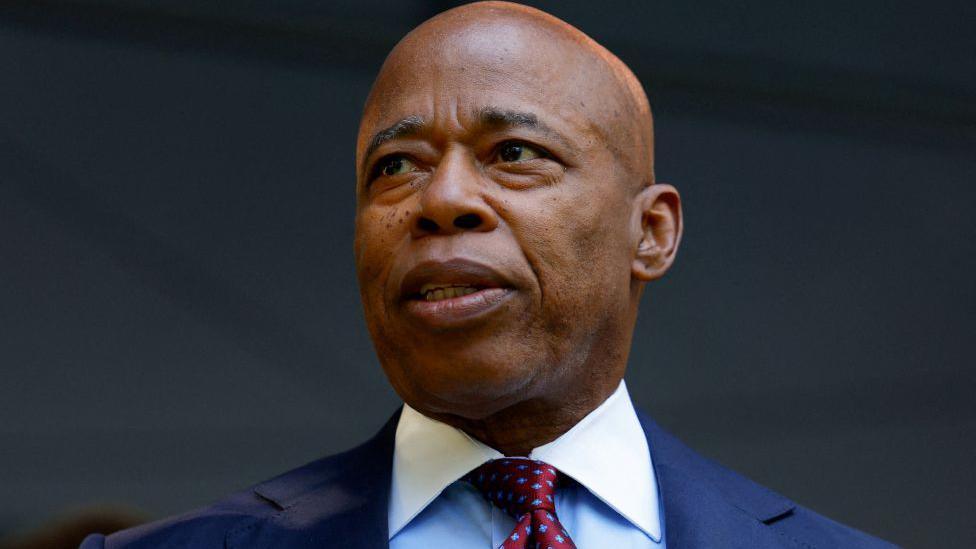
The Mayor’s Impact on the City’s Economic Engine
Tourism is a significant economic driver for New York City, supporting jobs and generating revenue. The mayor’s administration has a vested interest in ensuring the continued success of this sector. This can involve advocating for policies that support small businesses in the hospitality industry, encouraging the development of new hotels and attractions, and working to attract major events and conventions that bring large numbers of visitors to the city. The revitalization of areas like Times Square or the development of waterfront areas like those in Brooklyn demonstrate the tangible ways in which mayoral leadership can shape the urban landscape and enhance its appeal to tourists.
The ongoing work of the mayor’s office in shaping New York City is a narrative of adaptation, resilience, and ambition. As the city continues to evolve, so too will the priorities and actions of its chief executive, ensuring that New York City remains a vibrant, dynamic, and compelling destination for years to come. The current mayor’s commitment to progress and the well-being of all New Yorkers, including its vast array of visitors, will undoubtedly leave a lasting mark on the fabric of this extraordinary metropolis.
LifeOutOfTheBox is a participant in the Amazon Services LLC Associates Program, an affiliate advertising program designed to provide a means for sites to earn advertising fees by advertising and linking to Amazon.com. Amazon, the Amazon logo, AmazonSupply, and the AmazonSupply logo are trademarks of Amazon.com, Inc. or its affiliates. As an Amazon Associate we earn affiliate commissions from qualifying purchases.