
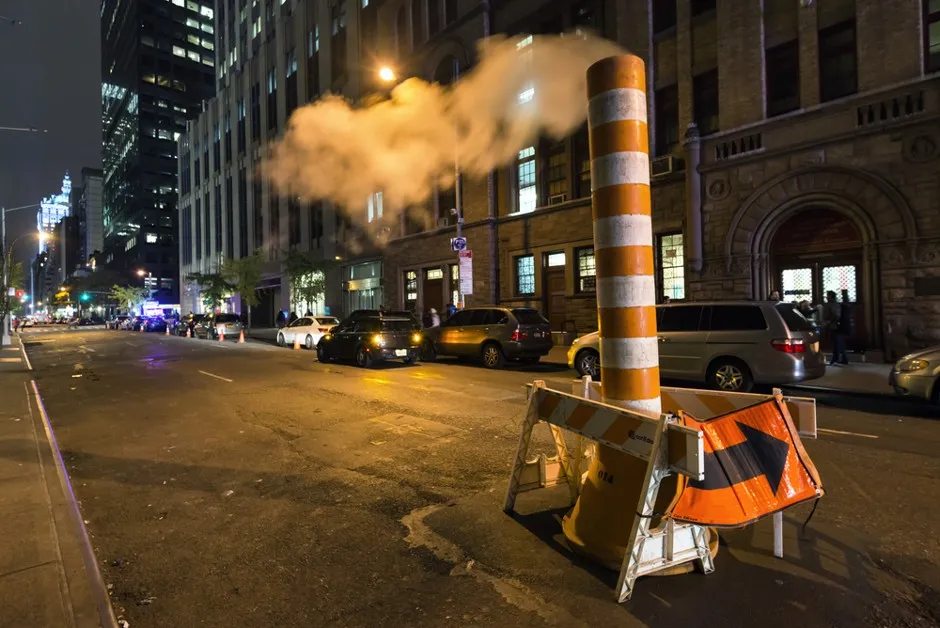
The enigmatic plumes of steam rising from grates and manholes across New York City have long been a defining, almost mythical, characteristic of its urban landscape. To the uninitiated traveler, it can appear as if the very streets are breathing, a phenomenon that adds a layer of mystique and often a touch of apprehension to exploring the bustling metropolis. For those visiting or even residing in New York, understanding the source of this urban exhalation enhances the appreciation of the city’s complex infrastructure and the ingenuity that keeps it running. This visual spectacle is not a product of geothermal activity or a secret underground ritual, but rather a consequence of a sophisticated, and largely unseen, network that powers the city.

The Urban Heating System: Con Edison’s Steam Network
At the heart of this steamy phenomenon lies the extensive steam distribution system operated by Consolidated Edison (Con Edison), the primary utility company for New York City. Established over a century ago, this network is one of the largest of its kind in the world, stretching for hundreds of miles beneath the city’s iconic streets. It’s a testament to early 20th-century urban planning, designed to provide heat and hot water to countless buildings, from grand pre-war apartment complexes to soaring modern skyscrapers.
How the Steam Network Functions
The process begins in massive boiler plants, primarily located in Manhattan. Here, water is heated to extreme temperatures under high pressure, transforming into superheated steam. This steam is then channeled through a labyrinth of insulated underground pipes, some as large as 20 feet in diameter, that snake beneath the city’s boroughs. As the steam travels through these pipes, it maintains its gaseous state due to high pressure and insulation. However, when the steam encounters cooler atmospheric conditions, or when it reaches its destination and begins to cool as it transfers heat, some of it condenses back into water, releasing vapor that escapes through the numerous openings in the street.
The Purpose of the Steam
The primary function of the Con Edison steam network is to provide a reliable and efficient form of heating for a significant portion of New York City’s buildings. This includes residential apartments, commercial offices, hospitals, and even some iconic cultural institutions. The system offers a centralized solution for heating needs, bypassing the need for individual boiler systems in many structures. Beyond simple heating, the steam is also used for domestic hot water and, in some commercial applications, for industrial processes and even air conditioning systems that utilize steam absorption chillers.
The Science Behind the Visible Steam
The visual manifestation of the steam network is a direct result of thermodynamics and atmospheric conditions. When the hot, pressurized steam, typically at temperatures exceeding 200 degrees Fahrenheit (93 degrees Celsius), comes into contact with the ambient air, which is often cooler, a rapid change of state occurs.
Condensation and Vaporization
As the steam loses heat to its surroundings, its molecules slow down and draw closer together. If the temperature drops sufficiently, the steam transitions from a gas to liquid water – a process known as condensation. This condensed water can then turn into visible water vapor or “steam” in the common understanding of the term, which then escapes through grates, manholes, and other ventilation points. The amount of visible steam depends on several factors:
- Ambient Temperature: On colder days, the temperature difference between the steam and the air is greater, leading to more rapid condensation and thus more visible steam. On warmer, humid days, the effect might be less pronounced.
- Humidity: High humidity in the outside air can amplify the visual effect, as the water vapor blends with the existing moisture in the atmosphere.
- Steam Pressure and Temperature: Variations in the pressure and temperature within the steam pipes can also influence the rate at which steam escapes and condenses.
- Ventilation Openings: The design and placement of street-level ventilation points play a role in how and where the steam becomes visible.
Safety Considerations
While visually dramatic, the steam escaping from New York City streets is generally not dangerous to the public when observed from a safe distance. Con Edison mandates that steam vents are clearly marked and advises the public to avoid direct contact with escaping steam or hot surfaces. The primary risks are associated with steam burns from direct contact and potential visibility impairment in dense fog-like conditions, particularly for pedestrians and drivers. Emergency services and city officials work together to manage any potential hazards related to steam releases, such as accidental ruptures or leaks.
Beyond the Steam: The Unseen Infrastructure
The visible steam is merely the tip of the iceberg, a constant reminder of the massive and complex underground infrastructure that supports the daily life of New York City. This network is not just about steam; it’s an integrated system that includes electrical power lines, water mains, and sewage systems, all contributing to the city’s functionality.
The Scale and Age of the System
The Con Edison steam system is an engineering marvel that has evolved over decades. Its immense scale is difficult to comprehend, with pipes weaving through every borough, serving millions of people. The age of some of these pipes means that maintenance and upgrades are a continuous and significant undertaking. Repair crews are constantly working to maintain the integrity of the system, often in challenging underground conditions. The sheer volume of steam produced and distributed daily is staggering, powering the comfort and operations of a global hub.
The Impact on Urban Aesthetics and Experience
The steaming streets have become an iconic element of the New York visual identity. They contribute to the city’s unique atmosphere, a characteristic often romanticized in films, literature, and photography. For tourists, the sight of steam rising against the backdrop of Manhattan’s skyline is an unforgettable experience, adding a sense of raw energy and urban dynamism to their visit. While some may find it a nuisance, particularly during periods of heavy steam output, it is an intrinsic part of the city’s charm and a testament to its enduring infrastructure. The phenomenon is deeply woven into the fabric of New York, a constant, visible reminder of the city’s relentless energy and the hidden systems that keep it alive.
The Future of Steam and Urban Heating
As New York City continues to evolve, so too do its infrastructure needs and environmental considerations. The future of extensive steam heating systems is a topic of ongoing discussion, balancing efficiency, cost, and sustainability.
Modernization and Sustainability Efforts
Con Edison is continuously investing in the modernization of its steam network, focusing on improving efficiency, reducing energy loss, and enhancing reliability. This includes upgrading aging infrastructure, improving insulation, and exploring more energy-efficient generation methods. The company also acknowledges the environmental impact of its operations and is working towards cleaner energy sources. The long-term vision may involve integrating renewable energy into steam production or exploring alternative heating and cooling solutions for buildings.

The Enduring Presence
Despite evolving technologies and environmental concerns, the Con Edison steam network, and the visible steam it generates, is likely to remain a prominent feature of the New York landscape for the foreseeable future. It is a vital component of the city’s heating infrastructure, deeply embedded in its operational fabric. For visitors and residents alike, the steaming streets serve as a constant, visual cue to the immense and intricate systems that underpin the daily life of one of the world’s most dynamic cities. They are a part of the city’s storied past, its robust present, and its thoughtfully planned future.
LifeOutOfTheBox is a participant in the Amazon Services LLC Associates Program, an affiliate advertising program designed to provide a means for sites to earn advertising fees by advertising and linking to Amazon.com. Amazon, the Amazon logo, AmazonSupply, and the AmazonSupply logo are trademarks of Amazon.com, Inc. or its affiliates. As an Amazon Associate we earn affiliate commissions from qualifying purchases.