
The Genesis of a Nickname: Unearthing the Origins of “The Big Apple”
The moniker “The Big Apple” for New York City is so ingrained in the global consciousness that it often feels as ancient as the city itself. Yet, like many enduring nicknames, its origins are not immediately obvious and have been the subject of much speculation and even some mythologizing. While the image of a colossal, gleaming apple adorning the skyline might spring to mind, the true story is far more grounded, rooted in the grit and rhythm of early 20th-century American life. The popularization of the term is largely credited to a sports journalist, John J. Fitz Gerald, who covered horse racing for the New York Morning Telegraph.

Fitz Gerald, an Irish-American journalist born in New York City in 1893, began using the term in the early 1920s. His fascination with the city’s vibrant, often chaotic, racing scene led him to a unique linguistic discovery. He heard stable hands and jockeys in New Orleans referring to New York City as “the big apple.” To them, racing in New York represented the pinnacle, the ultimate prize, the most lucrative and exciting circuit to compete in. Winning a race in New York was akin to biting into the biggest, most desirable apple.
Fitz Gerald, intrigued by this colorful slang, decided to adopt it. He began incorporating “The Big Apple” into his racing columns, often prefacing it with phrases like “the land of apples” or “the big apple country.” He even explained his usage in a 1924 column: “The Big Apple. The dream of every lad that ever threw a leg over a thoroughbred and the goal of all horsemen. There’s only one Big Apple. That’s New York.” His consistent use of the term, amplified by the readership of his widely circulated newspaper, began to embed “The Big Apple” into the vernacular of those connected to the horse racing world.
The Musical Influence: Jazz and the Spread of the Nickname
While Fitz Gerald may have been the first to document and popularize the term in print, it was the burgeoning jazz scene that truly propelled “The Big Apple” into wider public consciousness. In the 1930s and 1940s, jazz musicians adopted the nickname with enthusiasm. For them, New York City, particularly the vibrant clubs of Harlem and Greenwich Village, represented the ultimate stage for their art. Playing in New York was the ultimate achievement, a chance to perform in front of discerning audiences and established musicians, thus taking a “bite out of the Big Apple.”
The jazz community’s embrace of “The Big Apple” was multifaceted. It served as a term of aspiration, a symbol of success and artistic fulfillment. A musician who could make a name for themselves in New York had truly arrived. The phrase was even immortalized in a popular 1930s song, “The Big Apple,” composed by, Fats Waller, a renowned jazz pianist and bandleader. The song, with its catchy melody and lyrics celebrating the city’s energetic allure, further cemented the nickname in the public imagination. This musical association lent a certain romance and glamour to the term, helping it transcend its humble origins in the stables.

The Tourism Board’s Revival: Rescuing and Reclaiming the Nickname
Despite its growing popularity, “The Big Apple” gradually faded from common usage by the mid-20th century. The city had acquired other nicknames, and the term’s original association with horse racing and the jazz scene had somewhat diminished its broad appeal. It was in the 1970s that the nickname experienced a remarkable resurgence, thanks largely to the efforts of the New York City Convention and Visitors Bureau, now known as NYC & Company.
In 1971, facing a fiscal crisis and a declining image, the city’s tourism board sought a way to invigorate its appeal and attract visitors. Charles Gillett, the president of the Convention and Visitors Bureau, recalled the old nickname and recognized its potential. He spearheaded a campaign to rebrand New York City as “The Big Apple,” aiming to present it as a vibrant, exciting, and desirable destination. The campaign involved distributing apples, using apple imagery in promotional materials, and emphasizing the city’s energetic spirit. This strategic marketing effort was incredibly successful, effectively rescuing and re-popularizing the nickname for a new generation. The campaign’s effectiveness underscored the power of a well-chosen nickname in shaping public perception and fostering a sense of identity.
Beyond the Nickname: The Cultural Significance of “The Big Apple”
The enduring appeal of “The Big Apple” lies not just in its catchy sound or its interesting etymology, but in what it represents. It has become synonymous with aspiration, opportunity, and the unyielding spirit of New York City. The city itself, a melting pot of cultures and dreams, often embodies the very idea of a “big prize” – a place where one can achieve greatness, find success, and experience a life of unparalleled vibrancy.
The nickname has also become a global ambassador for the city, instantly recognizable and evocative of its iconic landmarks, diverse neighborhoods, and relentless energy. Whether it’s the towering skyscrapers of Manhattan, the cultural richness of the outer boroughs, or the sheer intensity of its daily life, “The Big Apple” encapsulates it all. It’s a term that invites exploration, promising a taste of something extraordinary. The simple phrase conjures images of bustling streets, world-class dining, iconic attractions like the Statue of Liberty and Times Square, and the diverse tapestry of people who call it home. It’s a nickname that has transcended its origins to become an intrinsic part of the identity of one of the world’s most famous cities.
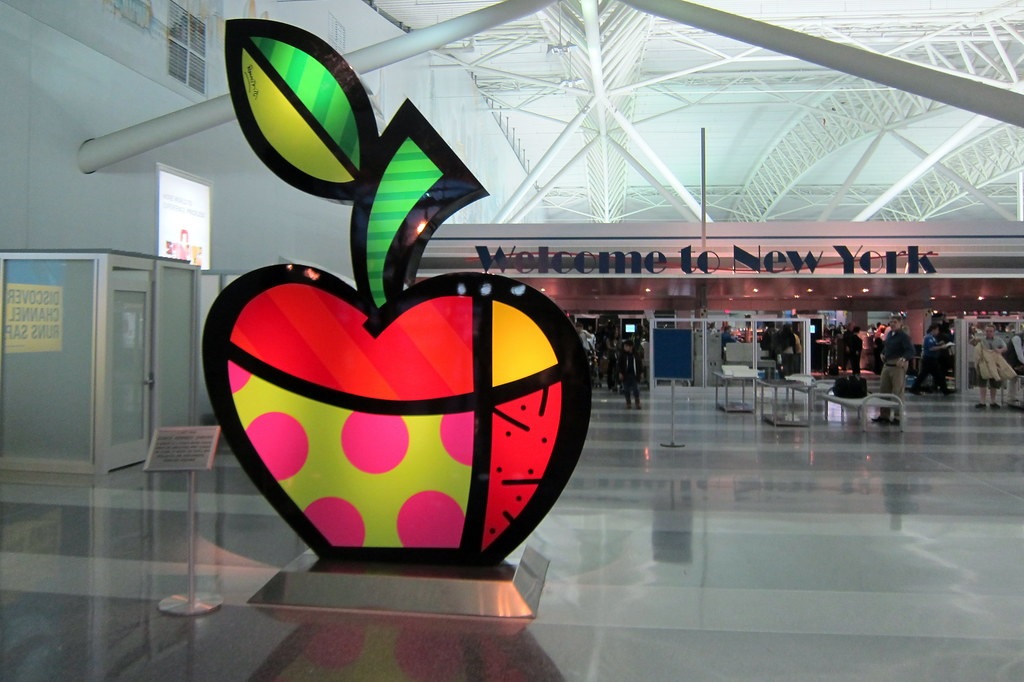
The Symbolism of the Apple: A Universal Image of Abundance
While the nickname’s origin is tied to specific historical contexts, the apple itself carries a rich symbolic meaning that resonates universally. Across many cultures and mythologies, the apple has long been associated with knowledge, temptation, fertility, and abundance. In the context of New York City, this symbolism of abundance and desirability is particularly apt. The city is a nexus of opportunity, a place where dreams are pursued and often realized, representing a bountiful harvest of experiences and possibilities.
The simple, familiar image of an apple offers a relatable and accessible entry point into understanding the city’s appeal. It’s a universal symbol that transcends language barriers, making the nickname easily digestible and memorable for international visitors. The color red, often associated with apples, can also evoke passion, excitement, and vitality – all qualities strongly linked to the character of New York. This inherent symbolic weight adds another layer to why “The Big Apple” has become such an enduring and beloved moniker. It’s more than just a nickname; it’s a potent metaphor for the allure and grandeur of New York City, a place that continues to draw millions seeking their own taste of its legendary bounty.
LifeOutOfTheBox is a participant in the Amazon Services LLC Associates Program, an affiliate advertising program designed to provide a means for sites to earn advertising fees by advertising and linking to Amazon.com. Amazon, the Amazon logo, AmazonSupply, and the AmazonSupply logo are trademarks of Amazon.com, Inc. or its affiliates. As an Amazon Associate we earn affiliate commissions from qualifying purchases.