
The persistent question of why New York leans so heavily Democratic is a complex one, rooted in a confluence of historical, demographic, and socioeconomic factors that have shaped the state’s political identity. Far from a monolithic entity, New York is a diverse tapestry of urban centers, suburban communities, and rural landscapes, each contributing to its overall political leanings. Understanding this dynamic requires a deep dive into the forces that have propelled the Democratic Party to consistent dominance in state-level elections and national representation.
The Urban Core: Engines of Democratic Support
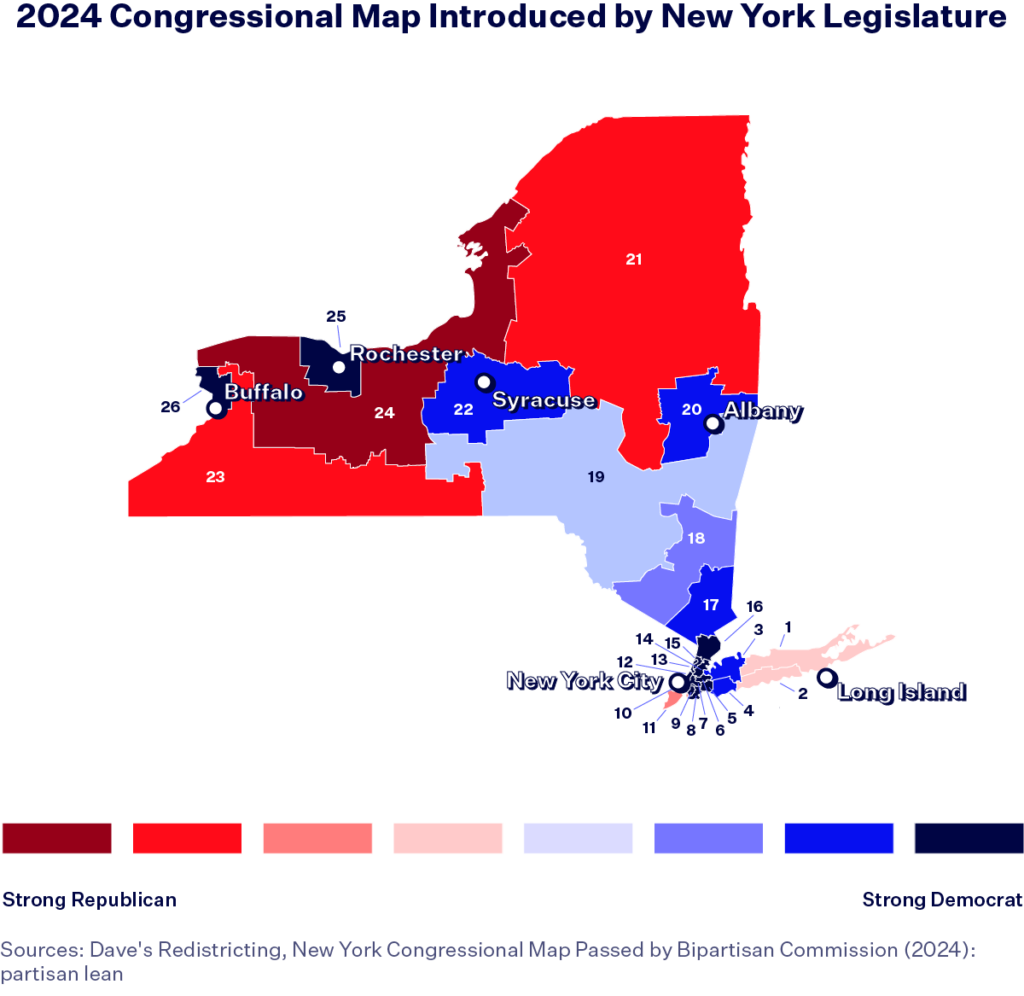
At the heart of New York’s Democratic stronghold lies its most populous and influential urban center: New York City. The city, a global hub of finance, culture, and diverse populations, has long been a bastion of progressive politics. Its densely populated boroughs – Manhattan, Brooklyn, Queens, the Bronx, and Staten Island – exhibit a consistently high voter turnout among a electorate that largely favors Democratic candidates.
Demographic Diversity and Political Alignment
The demographic makeup of New York City is a primary driver of its Democratic affiliation. The city is a melting pot of ethnicities, races, and socioeconomic backgrounds, with significant populations of African Americans, Hispanic/Latinos, Asians, and various immigrant communities. Historically, these groups have found common ground and political representation within the Democratic Party, drawn to its platform on social justice, economic equality, and civil rights. The party’s emphasis on robust social safety nets, worker protections, and public services resonates strongly with the diverse needs and aspirations of New York City’s residents.
The Influence of Public Sector Unions and Advocacy Groups
New York City also boasts a powerful union presence and a vibrant ecosystem of advocacy organizations. Public sector unions, representing teachers, transit workers, police officers, and other municipal employees, are significant political forces, often endorsing and mobilizing voters for Democratic candidates. Similarly, numerous non-profit organizations focused on issues such as affordable housing, environmental protection, and LGBTQ+ rights are deeply embedded in the city’s political landscape, advocating for policies typically aligned with the Democratic Party.
Economic Realities and Urban Priorities
The economic realities of a major metropolitan area also contribute to Democratic leanings. While New York City is a global financial powerhouse, it also grapples with significant income inequality, high housing costs, and demands for affordable services. The Democratic Party’s platform, which often includes proposals for progressive taxation, increased investment in public transportation, and expanded access to education and healthcare, tends to address these urban priorities more directly than its Republican counterpart.
The Suburbs: Shifting Tides and Evolving Demographics
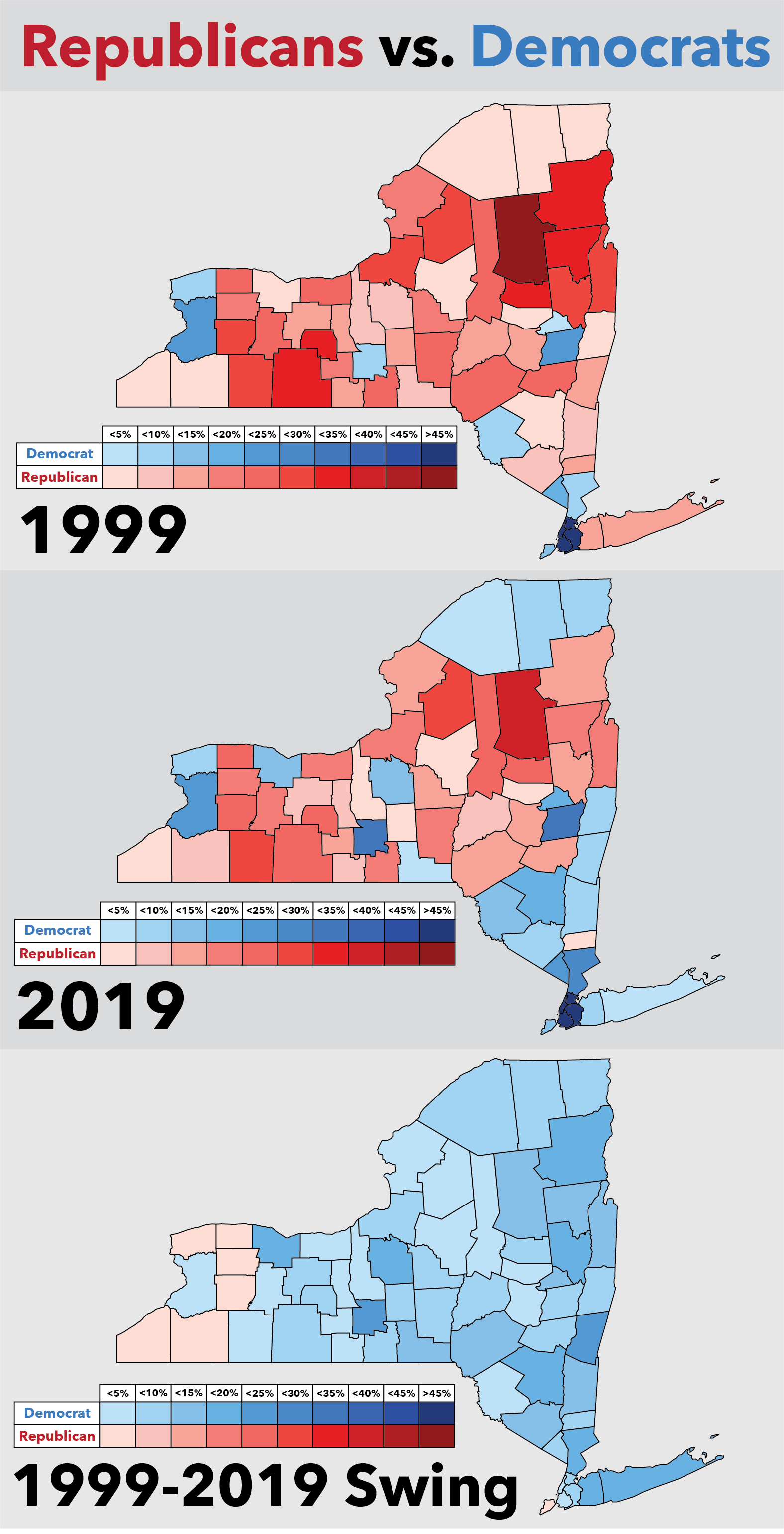
Beyond the immediate confines of New York City, the suburban counties surrounding the metropolis present a more nuanced political picture. Historically, many of these areas, particularly in Long Island and the counties north of the city like Westchester and Nassau, were considered more conservative. However, in recent decades, there has been a discernible shift, with many suburban areas demonstrating an increasing affinity for Democratic candidates, especially in congressional and state legislative races.
Suburbanization and Demographic Evolution
The evolution of suburban demographics plays a crucial role in this shift. As suburban areas have become more diverse, mirroring some of the urban centers they surround, their political leanings have also begun to change. Younger families, professionals, and a greater representation of minority groups have moved into these communities, bringing with them political preferences that are often more aligned with the Democratic Party’s platform. Issues such as education quality, environmental concerns, and social inclusivity often take precedence in these evolving suburban landscapes.
The “Exurban” Effect and Education Focus
The “exurban” areas, those further out from the urban core and often characterized by larger homes and more sprawling developments, can sometimes exhibit different voting patterns. However, even within these areas, a growing emphasis on quality public education and a concern for environmental preservation can lead to a more moderate or even Democratic voting inclination, especially when contrasted with national Republican platforms that may appear less supportive of these concerns.
The Upstate Divide: Rural Realities and Traditional Values
Moving further upstate, the political landscape of New York undergoes another significant transformation. The vast rural and semi-rural regions, encompassing areas like the Adirondacks, the Catskills, and the agricultural heartland, tend to lean more Republican. These areas often prioritize different sets of issues, reflecting their distinct economies and cultural values.
Economic Foundations: Agriculture, Industry, and Resource Management
The economic foundations of upstate New York are diverse but often distinct from those of the metropolitan areas. Agriculture remains a significant industry in many upstate counties, as does manufacturing and natural resource management. Concerns about regulations, property taxes, and the economic viability of these traditional industries can lead to a more conservative outlook, often favoring candidates who promise less government intervention and lower taxes.
Cultural Values and Social Conservatism
Cultural values also play a significant role in upstate New York’s political leanings. These regions often exhibit a stronger adherence to traditional social values, which may align more closely with the platform of the Republican Party. Issues related to gun rights, religious freedom, and community traditions can be particularly salient in these areas.
The Impact of Decline and Nostalgia
In some upstate communities that have experienced economic decline or population loss, there can be a sense of nostalgia for past prosperity and a yearning for a return to perceived traditional values. This sentiment can translate into a receptiveness to political messages that promise to “make things great again,” a theme that has resonated with certain segments of the upstate electorate.
Historical Trajectory: From Fusion to Modern Politics
The political landscape of New York has not always been as starkly divided as it appears today. Historically, the state has seen periods of political innovation and surprising alliances. For instance, in the early 20th century, the Progressive Era saw the rise of figures like Theodore Roosevelt, a Republican who championed many reforms that would later be associated with liberal movements. The state also experienced periods where third parties, such as the Conservative Party and the Working Families Party, played significant roles, sometimes influencing the outcomes of major party elections.
The Role of Tammany Hall and Urban Political Machines
In New York City, the legacy of powerful political machines like Tammany Hall undeniably shaped the Democratic Party’s dominance for generations. These machines, while often criticized for corruption, provided essential services and patronage to immigrant and working-class communities, cementing a loyal voter base for the Democrats.
The Shifting National Political Climate
The persistent Democratic leanings of New York are also intrinsically linked to the broader national political climate. As the Republican Party has increasingly embraced a more conservative platform on national issues, it has, in many ways, alienated voters in the more liberal urban and suburban areas of New York. Conversely, the Democratic Party’s evolution to encompass a broader range of social and economic justice issues has solidified its appeal among a significant portion of the state’s population.

Conclusion: A State of Contrasts
In conclusion, the question of why New York is Democratic is answered by acknowledging the state’s inherent diversity and the complex interplay of factors that shape its political consciousness. New York City, with its demographic vibrancy and progressive urban priorities, serves as the undeniable engine of Democratic support. The surrounding suburbs, increasingly diverse and influenced by evolving social and environmental concerns, are also shifting towards the blue. Meanwhile, upstate New York presents a contrasting picture, where traditional economies and values often align with Republican principles. This ongoing dynamic of urban strength, suburban evolution, and rural distinctiveness, all influenced by historical trajectories and national political currents, ensures that New York remains a fascinating case study in American political geography, consistently leaning Democratic while harboring significant pockets of diverse political thought.
LifeOutOfTheBox is a participant in the Amazon Services LLC Associates Program, an affiliate advertising program designed to provide a means for sites to earn advertising fees by advertising and linking to Amazon.com. Amazon, the Amazon logo, AmazonSupply, and the AmazonSupply logo are trademarks of Amazon.com, Inc. or its affiliates. As an Amazon Associate we earn affiliate commissions from qualifying purchases.