
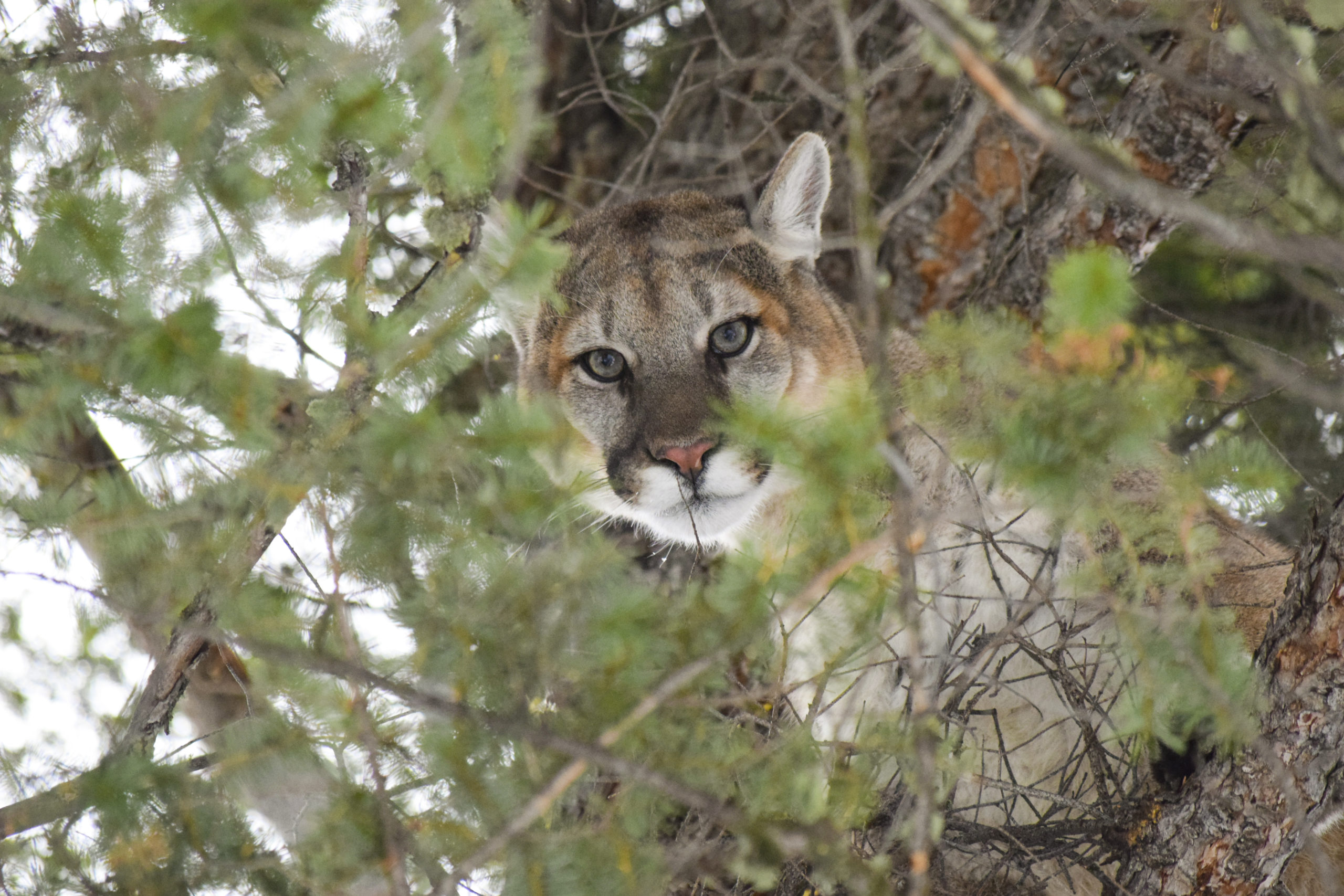
For many venturing into the vast natural landscapes of Oklahoma, the presence of apex predators can evoke a mix of awe and apprehension. Among the most enigmatic and often misunderstood of these creatures is the mountain lion, also known as the cougar or puma. The question, “Are there mountain lions in Oklahoma?” is not merely an academic one for those who explore the state’s diverse ecosystems, from the rugged Wichita Mountains to the dense forests of the Ouachitas. This article delves into the confirmed presence, habitat, and ecological role of these magnificent felines within the Sooner State, offering insights for visitors and residents alike who wish to understand and appreciate Oklahoma’s wild inhabitants.

The Confirmed Presence of Mountain Lions in Oklahoma
While once thought to be extirpated from Oklahoma, evidence has consistently pointed to the re-establishment and ongoing presence of mountain lions. The Oklahoma Department of Wildlife Conservation (ODWC) has played a crucial role in documenting these animals through various methods, including photographic evidence, track analysis, and reported sightings.
Historical Context and Recent Confirmations
Historically, mountain lions were present across much of North America, including Oklahoma. However, habitat loss, hunting, and human encroachment led to a significant decline in their populations. For many years, verified sightings were scarce, leading to speculation about their true status.
The narrative began to shift in the early 2000s. A landmark confirmation occurred in 2007 when a mountain lion was legally harvested in McCurtain County. This event, along with subsequent verified sightings and photographic evidence captured by trail cameras across the state, solidified the understanding that mountain lions were not only present but likely expanding their range. The ODWC officially recognized the presence of mountain lions in Oklahoma, acknowledging that individuals were likely dispersing from populations in neighboring states, such as Texas and Colorado.
Genetic Evidence and Population Dynamics
Beyond direct sightings, genetic analysis of scat and hair samples has provided further irrefutable evidence of mountain lion presence. These studies help researchers understand the origin of these animals, often indicating dispersal from established populations in the Rocky Mountains or the Edwards Plateau region of Texas. The ongoing influx of individuals suggests a healthy, albeit potentially transient, population structure. It is important to note that while these animals are present, they are generally solitary and elusive, making encounters rare.
Habitat and Distribution in Oklahoma
Understanding where mountain lions are found in Oklahoma is key to appreciating their place in the state’s ecosystems and for ensuring safe coexistence. These large cats are adaptable but tend to prefer areas with sufficient cover, prey, and water sources.
Preferred Habitats
Mountain lions are not confined to a single type of terrain. In Oklahoma, their presence has been documented in a variety of habitats, including:
- Rocky Mountains: The rugged terrain of the Wichita Mountains National Wildlife Refuge offers ideal conditions with its rocky outcrops, canyons, and diverse vegetation, providing ample hiding places and hunting grounds.
- Forests and Woodlands: The dense forests of southeastern Oklahoma, particularly the Ouachita Mountains, provide excellent cover for stalking prey. This region, with its mix of deciduous and coniferous trees, supports a healthy population of deer, a primary food source for mountain lions.
- River Bottoms and Riparian Areas: Areas along major rivers, such as the Canadian River and the Arkansas River, offer corridors for movement and access to water and prey. The dense vegetation along these waterways can also serve as effective cover.
- Agricultural and Rural Landscapes: While less preferred, mountain lions have been observed in areas bordering agricultural lands, especially where these connect to more natural habitats. They may move through pastures and fields, particularly during nocturnal hunting excursions.
Documented Sightings and Range Expansion
While most confirmed sightings have historically been concentrated in the western and southeastern parts of the state, there have been increasing reports and evidence of their presence extending into central and northeastern Oklahoma. This expansion suggests that individuals are exploring new territories and potentially establishing more permanent home ranges as food sources and suitable habitat allow. The ODWC continues to monitor these trends, encouraging the public to report any credible sightings.
The Ecological Role of Mountain Lions
As apex predators, mountain lions play a vital role in maintaining the health and balance of Oklahoma’s ecosystems. Their presence influences prey populations, vegetation, and the overall biodiversity of the areas they inhabit.
Prey Base and Predation Impact
The primary prey for mountain lions in Oklahoma consists of white-tailed deer. By preying on deer, mountain lions help to regulate deer populations, preventing overgrazing and the potential spread of diseases that can affect herds. In areas with healthy mountain lion populations, the deer herd remains healthier and more robust.
Beyond deer, mountain lions are opportunistic hunters and may also prey on smaller mammals such as rabbits, coyotes, raccoons, and even domestic animals if given the opportunity. However, studies generally indicate that their impact on livestock is minimal compared to other natural predators.
Impact on Vegetation and Biodiversity
By controlling herbivore populations, mountain lions indirectly influence vegetation. Reduced grazing pressure from deer can lead to increased plant diversity and healthier forest undergrowth. This, in turn, supports a greater variety of smaller wildlife, insects, and birds, contributing to a more biodiverse environment. The presence of an apex predator signals a healthy, functioning ecosystem.
Wildlife Viewing and Safety in Mountain Lion Country
For those who enjoy exploring the natural beauty of Oklahoma, encountering mountain lions, while rare, is a possibility. Understanding how to view wildlife responsibly and what precautions to take is essential for both human safety and the well-being of these animals.
Responsible Wildlife Observation
When visiting areas known to be inhabited by mountain lions, such as the Osage Hills State Park or the Black Mesa State Park, remember that you are in their natural habitat.
- Maintain Distance: Always observe wildlife from a safe distance. Use binoculars or a telephoto lens for closer views. Never approach, feed, or attempt to interact with a mountain lion.
- Stay on Trails: Stick to designated trails to minimize disturbance to wildlife and to reduce the chance of surprising an animal.
- Be Aware of Surroundings: Pay attention to signs of wildlife, such as tracks, scat, or disturbed vegetation. Make noise while hiking to avoid surprising animals.
- Travel in Groups: Hiking in groups can deter animals from approaching.

Safety Precautions and Encounter Protocols
While attacks are extremely rare, knowing what to do in the unlikely event of an encounter is prudent. The ODWC provides the following guidelines:
- Do Not Run: Running can trigger a predator’s chase instinct.
- Make Yourself Look Large: Raise your arms, open your jacket, and stand tall.
- Make Noise: Yell, clap your hands, or bang objects together to scare the animal away.
- Maintain Eye Contact: Do not look away, as this can be perceived as submission.
- If Attacked, Fight Back: Use any available object, such as rocks, sticks, or fists, to defend yourself. Mountain lions are known to be deterred by aggressive defense.
By respecting their space and understanding their behavior, visitors can enjoy Oklahoma’s wild landscapes while coexisting safely with its most elusive inhabitants. The continued presence of mountain lions in Oklahoma is a testament to the state’s rich natural heritage and the ongoing efforts to conserve its wildlife.
LifeOutOfTheBox is a participant in the Amazon Services LLC Associates Program, an affiliate advertising program designed to provide a means for sites to earn advertising fees by advertising and linking to Amazon.com. Amazon, the Amazon logo, AmazonSupply, and the AmazonSupply logo are trademarks of Amazon.com, Inc. or its affiliates. As an Amazon Associate we earn affiliate commissions from qualifying purchases.