
Navigating the intricacies of civic participation as a formerly incarcerated individual can be a complex endeavor, particularly concerning voting rights. In Oklahoma, the question of whether felons can vote in the 2024 elections is a pertinent one, with significant implications for democracy and the reintegration of citizens. This article aims to provide a clear and comprehensive overview of the current legal landscape, historical context, and practical considerations surrounding felony disenfranchisement and restoration of voting rights in the Sooner State. Understanding these nuances is crucial for any resident seeking to exercise their fundamental right to vote.
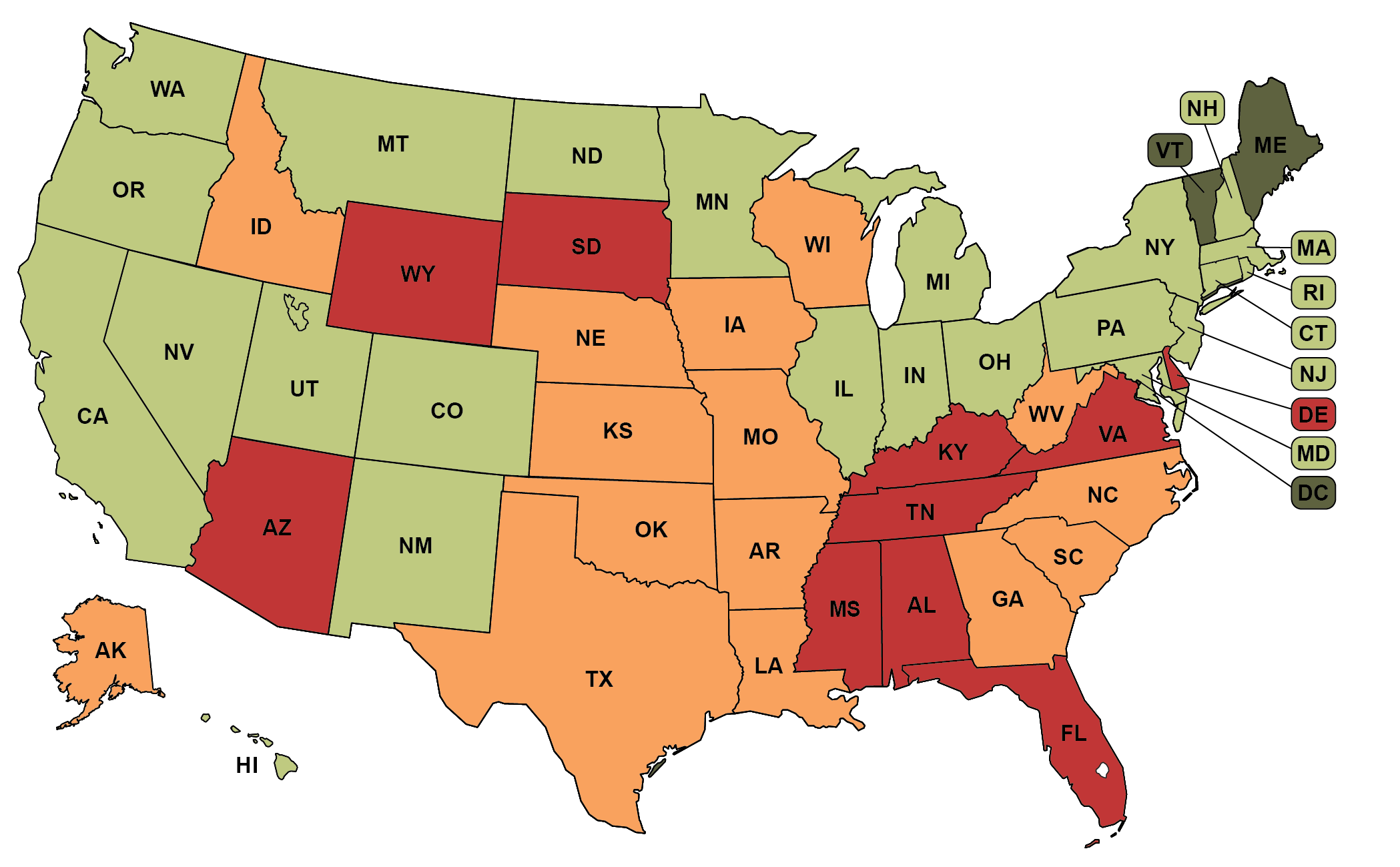
Understanding Felony Disenfranchisement in Oklahoma
Felony disenfranchisement refers to laws that restrict or deny voting rights to individuals convicted of certain crimes. In Oklahoma, the state constitution and subsequent legislation have historically imposed significant limitations on the voting privileges of individuals with felony convictions. The bedrock of these restrictions lies within Article III, Section 1 of the Oklahoma Constitution, which generally disqualifies convicted felons from voting. However, like many such laws across the United States, there are pathways to regain these rights, albeit with specific requirements and processes.
Historical Context of Voting Rights in Oklahoma
The history of voting rights in Oklahoma is intertwined with its development as a state and its evolving approach to criminal justice and civic engagement. Following its admission to the Union in 1907, Oklahoma inherited and adapted many of the disenfranchisement laws prevalent in the Southern states at the time. These laws often had disproportionate impacts on minority populations and were part of a broader effort to limit suffrage. Over the decades, there have been various legislative efforts and court challenges that have shaped the current framework for felony disenfranchisement and restoration. While the core constitutional prohibition has remained, specific statutes have been enacted to clarify the process for restoring voting rights, particularly following the completion of sentences.
The Impact of Felony Convictions on Voting Rights
A felony conviction in Oklahoma traditionally results in the loss of voting rights. This disenfranchisement is not automatic for all offenses; rather, it is tied to the nature of the crime and the completion of the sentence. Crucially, the definition of what constitutes a disqualifying felony and the conditions under which rights can be restored have been subject to legislative changes. For instance, a significant reform occurred with the passage of Senate Bill 1116 in 2018. This legislation aimed to broaden the scope of restored voting rights for many individuals with felony convictions, expanding access to the ballot box. However, certain felony offenses, particularly those involving moral turpitude or election fraud, may still carry permanent disenfranchisement or require a more complex restoration process.
Key Legislation and Reforms
The landscape of felony disenfranchisement in Oklahoma has been significantly altered by legislative reforms designed to increase voter participation among those with past convictions. Senate Bill 1116, enacted in 2018, was a landmark piece of legislation. It automatically restored voting rights for individuals who had completed their entire sentence, including parole and probation, for most felony offenses, except for specific disqualifying crimes. This meant that individuals no longer had to go through a formal application process or seek a pardon for many types of felony convictions. This reform was a pivotal moment, shifting the paradigm from a system requiring proactive steps for restoration to one where rights are automatically reinstated upon completion of the sentence for a majority of offenders.
Restoring Voting Rights in Oklahoma
For individuals who have been convicted of a felony in Oklahoma, the path to regaining the right to vote is largely dictated by the nature of their conviction and the completion of their sentence. The reforms enacted in recent years have streamlined this process for many, but understanding the specifics is vital.
Automatic Restoration of Rights
As a result of Senate Bill 1116 (2018), voting rights are automatically restored for individuals who have successfully completed their full felony sentence, including any period of parole or probation. This means that if an individual has served their time, paid all fines and fees associated with their conviction, and fulfilled all other terms of their sentence, their right to vote is automatically reinstated without the need for a separate application or pardon for most offenses. This is a significant departure from previous laws that often required individuals to petition for a pardon or obtain a certificate of rehabilitation.

Felonies That May Still Disenfranchise
While SB 1116 expanded voting rights significantly, certain felony convictions can still lead to permanent disenfranchisement or require a more involved restoration process. These typically include:
- Crimes involving “moral turpitude”: While not always explicitly defined in statute, this category often encompasses offenses like fraud, perjury, and certain sex offenses.
- Crimes related to election fraud: Convictions for offenses such as voter fraud or ballot tampering can result in permanent disenfranchisement.
- Specific offenses outlined in statute: Oklahoma law designates certain felony convictions that continue to bar voting rights even after completion of the sentence, or require a gubernatorial pardon for restoration. It is crucial for individuals to determine if their specific conviction falls into these categories.
The Process for Non-Automatically Restored Rights
For individuals whose voting rights are not automatically restored due to the nature of their conviction, the process of regaining suffrage is more complex. This typically involves seeking a pardon from the Governor of Oklahoma. The pardon process can be lengthy and involves submitting an application detailing the conviction, the applicant’s conduct since the conviction, and reasons why clemency should be granted. The Oklahoma Pardon and Parole Board reviews these applications, and their recommendations are then forwarded to the Governor for a final decision. This route requires diligence and a thorough understanding of the application requirements.
Voting in Oklahoma in 2024: What You Need to Know
For individuals in Oklahoma seeking to vote in the 2024 elections, understanding the current legal status of their voting rights is paramount. Whether rights were automatically restored or require further action, preparedness is key to ensuring participation.
Confirming Your Eligibility
The most critical step for anyone with a past felony conviction is to confirm their current eligibility to vote. Given the complexities and the potential for misinterpretation of laws, direct confirmation from official sources is recommended.
- Oklahoma State Election Board: The official election authority for the state, the Oklahoma State Election Board, provides comprehensive information on voter registration and eligibility. Their website often includes FAQs and contact information for county election boards.
- County Election Boards: Each county in Oklahoma has its own election board, which can provide localized assistance and information regarding voter registration and eligibility requirements within that jurisdiction.
- Legal Aid and Advocacy Groups: Several non-profit organizations and legal aid societies in Oklahoma specialize in assisting individuals with felony convictions to understand and restore their voting rights. These groups can offer guidance, resources, and even direct assistance with the restoration process.
Voter Registration Deadlines and Procedures
Once eligibility is confirmed, prospective voters must ensure they are registered to vote by the established deadlines.
- Registration Deadlines: Oklahoma has specific deadlines for voter registration prior to elections. These deadlines vary for primary, general, and special elections. It is essential to consult the Oklahoma State Election Board or your local county election board for the precise dates for the 2024 elections.
- How to Register: Registration can typically be done online through the Oklahoma State Election Board website, by mail, or in person at various state agencies, including county election boards, Department of Public Safety (DPS) offices, and public assistance offices.
- Provisional Ballots: In some instances, if there is a question about a voter’s eligibility on Election Day, they may be allowed to cast a provisional ballot. However, this does not guarantee their vote will be counted, and it is always best to ensure registration and eligibility are confirmed well in advance.
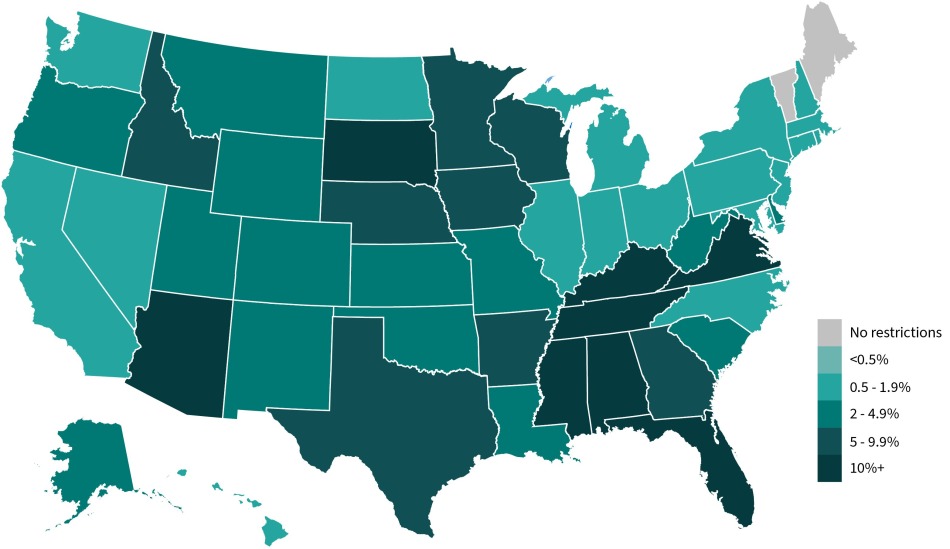
The Importance of Civic Engagement
The restoration and exercise of voting rights for individuals with felony convictions are critical components of a healthy democracy. Beyond the legal and procedural aspects, the ability to vote empowers individuals, fosters civic responsibility, and contributes to a more inclusive society. For those who have completed their sentences, regaining the franchise is often seen as a significant step in their reintegration into the community and a recognition of their restored rights as citizens. In Oklahoma, the ongoing evolution of laws surrounding felony disenfranchisement reflects a broader societal dialogue about rehabilitation, justice, and the fundamental right to participate in the democratic process. Understanding these rights and the processes for exercising them is not just a matter of civic duty, but a testament to the enduring principles of representation and enfranchisement.
LifeOutOfTheBox is a participant in the Amazon Services LLC Associates Program, an affiliate advertising program designed to provide a means for sites to earn advertising fees by advertising and linking to Amazon.com. Amazon, the Amazon logo, AmazonSupply, and the AmazonSupply logo are trademarks of Amazon.com, Inc. or its affiliates. As an Amazon Associate we earn affiliate commissions from qualifying purchases.