
The question “How many died in Boston Bombing?” immediately brings to mind one of the most tragic days in modern Boston history. On April 15, 2013, the festive atmosphere of Patriots’ Day and the annual Boston Marathon was shattered by two explosions near the finish line on Boylston Street. This act of terror irrevocably changed the lives of hundreds and left an indelible mark on the city and the nation. While the numbers tell a stark story of loss, they also serve as a testament to the resilience and unwavering spirit of a community that rallied together under the rallying cry of “Boston Strong.”
Understanding the events of that day, the immediate aftermath, and the enduring legacy is crucial not only for historical accuracy but also for any visitor seeking to grasp the full depth of Boston’s character. This article delves into the tragic toll of the Boston Bombing, explores how the city responded and healed, and discusses how visitors today can respectfully engage with this poignant chapter in Boston’s narrative, integrating themes of travel, landmarks, and local culture.
The Tragic Day: April 15, 2013
The morning of April 15, 2013, began like any other Patriots’ Day in Boston. Thousands of runners, many having trained for months, embarked on the 26.2-mile journey from Hopkinton to the finish line in Copley Square. Spectators lined the streets, cheering on participants, celebrating athletic achievement, and enjoying the vibrant spring weather. The Boston Marathon is not just a race; it’s a beloved tradition, a symbol of perseverance, and a festive gathering that unites the city.
However, at 2:49 PM, the joy turned to horror. Two homemade bombs, fabricated from pressure cookers, detonated just 12 seconds apart near the finish line. The explosions sent shockwaves through the crowd, instantly transforming a scene of triumph into one of chaos, terror, and unimaginable suffering. First responders, medical personnel, and even ordinary citizens immediately rushed to aid the wounded, demonstrating courage and selflessness in the face of immense danger. The sounds of cheers were replaced by screams, sirens, and the heartbreaking realization that a joyous event had been targeted by an act of senseless violence.
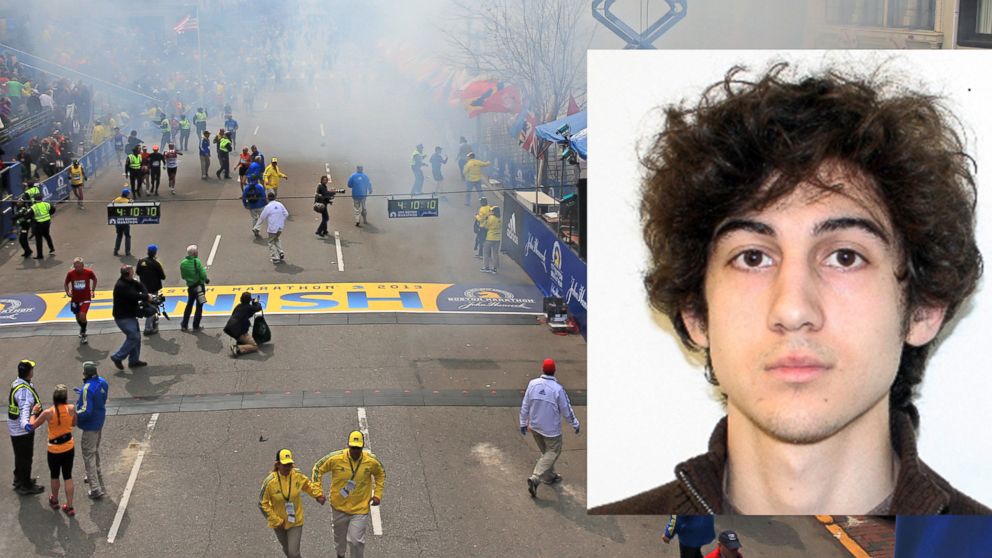
The perpetrators, brothers Tamerlan and Dzhokhar Tsarnaev, had planted their devices amidst the unsuspecting crowds, aiming to inflict maximum casualties and spread fear. Their actions sparked an unprecedented manhunt that gripped the entire United States and showcased the collaborative efforts of local, state, and federal law enforcement agencies. This period of intense uncertainty, culminating in a city-wide lockdown, etched itself into the collective memory of Boston residents and beyond.
The Immediate Toll
In the immediate aftermath of the explosions, the focus was on rescue and aid. Ambulances, police vehicles, and emergency personnel swarmed Boylston Street. The city’s world-class medical institutions, including Brigham and Women’s Hospital, Beth Israel Deaconess Medical Center, and Boston Medical Center, rapidly mobilized to treat the more than 260 injured individuals. Many sustained devastating injuries, including traumatic amputations, shrapnel wounds, and severe burns, requiring extensive medical care and long-term rehabilitation. The sheer scale of the injuries tested the limits of the city’s emergency response, but the coordinated effort saved countless lives.
Amidst the chaos, three innocent spectators tragically lost their lives at the scene:
- Krystle Campbell: A 29-year-old restaurant manager from Medford, Massachusetts, who was watching the race with a friend.
- Lu Lingzi: A 23-year-old graduate student from China, studying at Boston University, who was observing the race with a friend.
- Martin Richard: An 8-year-old boy from Dorchester, Massachusetts, who was at the finish line with his family. His iconic peace poster, held years before the bombing, became a powerful symbol in the aftermath.
These three individuals represent the direct and immediate civilian fatalities of the Boston Bombing. Their lives were cut short in an instant, leaving behind families and friends devastated by their loss. Their stories became central to the city’s mourning and subsequent healing process, embodying the human cost of the attack.
The Manhunt and Its Cost
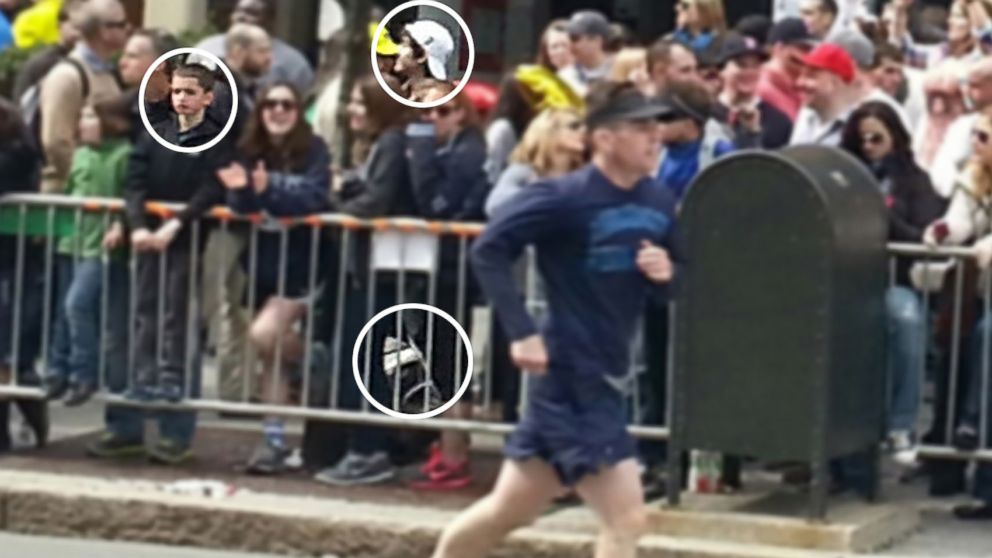
The tragedy of April 15, 2013, extended beyond the immediate blast sites. In the days following the bombing, a massive investigation was launched by the FBI and numerous law enforcement agencies. On April 18, 2013, the FBI released images of the two suspects, identified as Tamerlan and Dzhokhar Tsarnaev, leading to a tense and widespread manhunt.
The events took another tragic turn late on the night of April 18, when Massachusetts Institute of Technology (MIT) Police Officer Sean Collier was ambushed and fatally shot by the Tsarnaev brothers in Cambridge, Massachusetts. Officer Collier, a 27-year-old dedicated public servant, was simply doing his duty when he encountered the suspects. His death added another layer of grief and a profound sense of injustice to the unfolding tragedy. His sacrifice highlighted the courage of law enforcement personnel who put their lives on the line to protect their communities.
The manhunt intensified dramatically in the early hours of April 19, leading to a dramatic shootout in Watertown, Massachusetts, between the Tsarnaev brothers and police. During this confrontation, Tamerlan Tsarnaev was killed, and Dzhokhar Tsarnaev escaped, prompting an unprecedented lockdown of Boston and surrounding communities. Residents were advised to shelter in place, businesses closed, and public transportation halted, as thousands of law enforcement officers scoured neighborhoods in search of the remaining suspect.
The lockdown eventually led to the capture of Dzhokhar Tsarnaev later that evening, found hiding in a boat in a Watertown backyard. While his capture brought a collective sigh of relief, the immediate human toll of the entire sequence of events stands at four lives lost: the three civilians at the Boston Marathon finish line and MIT Officer Sean Collier. It’s also worth noting that Boston Police Department Officer Dennis Simmonds died a year later from head injuries sustained during the Watertown shootout, a loss often associated with the tragedy, bringing the total to five in a broader context of the event’s repercussions.

The Aftermath and A City United
In the wake of the attacks, Boston and the world watched in disbelief and sorrow. Yet, from the ashes of tragedy, an extraordinary display of unity, compassion, and strength emerged. The city’s response became a powerful narrative of collective resilience, demonstrating how a community can come together to heal, rebuild, and honor those who were lost or injured. The term “Boston Strong” quickly transcended a mere slogan, becoming a global symbol of defiance against terror and a testament to the human spirit.
The aftermath was characterized by an outpouring of support, both locally and internationally. Fundraisers were organized, volunteers offered their time and resources, and messages of solidarity poured into Massachusetts. This period of recovery also highlighted the critical role of organizations like Spaulding Rehabilitation Hospital, which became a beacon of hope for many of the survivors facing daunting physical and psychological challenges. The journey of these survivors, their courage in adapting to life-altering injuries, and their determination to reclaim their lives, continue to inspire.
Boston Strong: A Symbol of Resilience
The phrase “Boston Strong” originated spontaneously in the immediate aftermath of the bombings and quickly became the unifying mantra for the city and its supporters. It encapsulated the unwavering spirit of a community that refused to be defined by an act of terror. This motto represented not just the resilience in the face of adversity, but also the deep sense of civic pride, mutual support, and determination to overcome tragedy.
One of the most remarkable aspects of the “Boston Strong” movement was the creation of One Fund Boston. Established just days after the attack by then-Governor Deval Patrick and then-Mayor Thomas Menino, One Fund Boston raised over $80 million through donations from individuals and organizations worldwide. This fund provided direct financial assistance to the victims and their families, helping with medical expenses, prosthetics, rehabilitation, and long-term care. The efficiency and transparency of One Fund Boston set a new standard for disaster relief efforts, ensuring that those most affected received tangible support.
The annual Boston Marathon itself became a powerful symbol of this resilience. The race returned in 2014 with increased security, but also with an even greater sense of purpose and defiance. Runners and spectators alike embraced the event with renewed vigor, transforming it into a celebration of life, community, and the enduring power of sport. The sight of thousands crossing the finish line on Boylston Street in the years that followed has been a poignant reminder that while the city remembers, it also moves forward, stronger than ever.
Remembering the Victims
The healing process in Boston has always been intertwined with remembering those who were lost and honoring those who were injured. Memorials and tributes have been established throughout the city to ensure that the victims’ stories are never forgotten and that the lessons of that day continue to resonate. These places of remembrance serve as solemn reminders of the human cost of violence, while also celebrating the lives that were lived and the community spirit that prevailed.
The most prominent tribute is the Boston Marathon Memorial, situated near the sites of the explosions on Boylston Street in Copley Square. Dedicated in 2019, the memorial features two contemplative structures designed with granite stones and bronze accents, marking the exact locations of the blasts. These subtle yet powerful markers incorporate light and water features, creating a space for reflection and remembrance. Each structure is surrounded by flowering trees, symbolizing life and renewal, and benches invite visitors to pause and contemplate.
Additionally, the Martin Richard Foundation was established in memory of 8-year-old Martin Richard. The foundation is dedicated to promoting peace, justice, and community engagement, inspired by Martin’s message of “No more hurting people. Peace.” His family’s tireless efforts have transformed their personal tragedy into a legacy of positive change, influencing countless lives through their charitable work. Similarly, MIT created a permanent memorial, the Garden of Remembrance, for Officer Sean Collier on its campus, a place for quiet reflection and to honor his bravery and sacrifice. These memorials are not just stones and plaques; they are living testaments to the enduring impact of those lost and the enduring strength of the communities that cherish their memory.
Visiting Boston: A Journey of Remembrance and Renewal
For travelers and tourists visiting Boston today, understanding the legacy of the 2013 bombings offers a deeper perspective on the city’s character and the resilience of its people. While Boston is renowned for its rich history, revolutionary landmarks like the Freedom Trail, and vibrant cultural scene, it is also a city that has faced profound challenges and emerged with an even stronger sense of community. Engaging with this aspect of Boston’s recent history can be a meaningful part of any travel experience.
When exploring Boston, visitors will find that the spirit of “Boston Strong” is woven into the fabric of daily life. It can be seen in the unwavering support for local sports teams, the bustling energy of neighborhoods like the Seaport District, and the warm hospitality of its residents. The city seamlessly blends its storied past with a dynamic present, offering a unique blend of historical reverence and contemporary vibrancy. From world-class museums and educational institutions to diverse culinary experiences and beautiful green spaces like Boston Common, Boston offers a myriad of attractions that reflect its multifaceted identity.
The Boston Marathon Memorial and Copley Square
A visit to the Boston Marathon Memorial in Copley Square is a significant and reflective experience. This area is not only the historical finish line of the Boston Marathon but also a prominent cultural hub, home to the iconic Boston Public Library and Trinity Church. When approaching the memorial, visitors are encouraged to do so with respect and a sense of quiet contemplation. The memorial’s design encourages reflection on the lives lost and the courage displayed on that day. It stands as a powerful reminder that even in the face of profound tragedy, beauty and hope can emerge.
Beyond the memorial, Copley Square itself is a bustling area offering numerous attractions. Travelers can explore the architectural marvels surrounding the square, perhaps visit the Prudential Center for panoramic city views, or simply enjoy the vibrant atmosphere. The juxtaposition of the solemn memorial with the everyday rhythm of city life underscores Boston’s determination to heal and thrive without forgetting its past. Many visitors choose to run or walk a portion of the Boston Marathon course on Boylston Street, a path that has become hallowed ground, to honor the victims and experience the sense of unity and endurance that defines the event.
Engaging with Boston’s Spirit
Beyond specific memorials, engaging with Boston’s spirit means appreciating its deep sense of community and civic pride. This can be done in various ways that align with the themes of travel and local culture:
- Attend a local event: From neighborhood festivals to community gatherings, participating in local events offers a glimpse into the city’s strong communal bonds.
- Support local businesses: Boston’s vibrant local economy, especially around areas like Boylston Street, was deeply impacted by the lockdown and the bombings. Supporting these businesses is a way to contribute to the city’s continued prosperity and resilience.
- Learn about philanthropic efforts: Many organizations continue the work inspired by the events of 2013, such as the Martin Richard Foundation. Learning about their missions can deepen one’s understanding of Boston’s enduring commitment to peace and community.
- Explore Boston’s diverse neighborhoods: From the historic charm of Beacon Hill to the lively atmosphere of the North End, each neighborhood contributes to the rich tapestry of Boston’s identity, showcasing its blend of historical significance and modern dynamism.
- Visit the MIT campus: While primarily an academic institution, the MIT campus is also home to the Garden of Remembrance dedicated to Officer Sean Collier, offering another space for quiet reflection on the broader impact of the events.
Ultimately, visiting Boston after learning about the Boston Bombing becomes more than just a sightseeing trip; it becomes a journey into the heart of a city that transformed tragedy into triumph. It’s an opportunity to witness firsthand the strength of the human spirit, the power of community, and the enduring legacy of “Boston Strong.” The number of lives lost that day remains a poignant reminder of vulnerability, but the city’s response is an inspiring testament to its unwavering resilience and ability to heal, remember, and continue to thrive.
LifeOutOfTheBox is a participant in the Amazon Services LLC Associates Program, an affiliate advertising program designed to provide a means for sites to earn advertising fees by advertising and linking to Amazon.com. Amazon, the Amazon logo, AmazonSupply, and the AmazonSupply logo are trademarks of Amazon.com, Inc. or its affiliates. As an Amazon Associate we earn affiliate commissions from qualifying purchases.