
Understanding the time zone of a destination is a fundamental aspect of travel planning, impacting everything from flight schedules and hotel check-ins to the timing of local events and the simple ability to coordinate with those back home. For many, the question of which time zone a particular state or region observes can be a point of confusion, especially when geographical boundaries don’t perfectly align with established time zones. This is particularly true for states that occupy transitional positions, or those that have historically observed different time zones. Such is the case with Oklahoma.
While the continental United States is divided into four primary time zones – Eastern, Central, Mountain, and Pacific – the precise boundaries can sometimes lead to inquiries about specific states. This article aims to definitively address the question of whether Oklahoma is in Eastern Time.
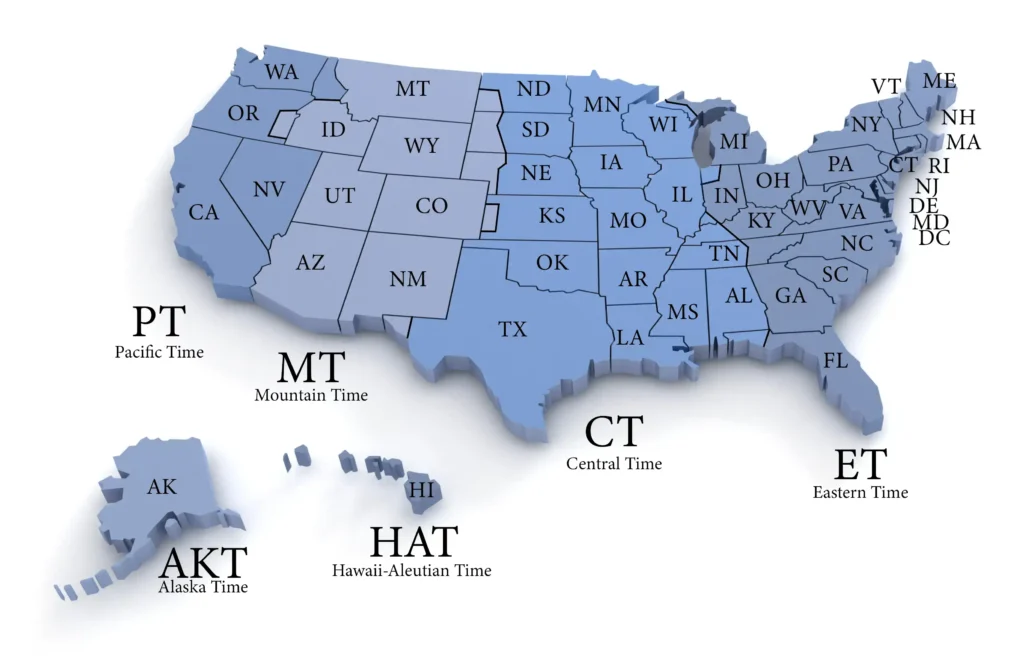
Oklahoma’s Time Zone Classification
To directly answer the question: No, Oklahoma is not in the Eastern Time zone. The vast majority of the state, including its largest cities like Oklahoma City and Tulsa, observes Central Time. This classification places Oklahoma alongside a significant portion of the Midwest and South, aligning its clock with cities such as Chicago, Dallas, and Houston.
The adoption of time zones in the United States has a history tied to the development of the railroad system in the late 19th century. Before standardized time zones, each town and city often set its own local time, leading to considerable confusion and logistical challenges for long-distance travel and communication. The establishment of standard time zones by railroads in 1883, and later by federal law in 1918, aimed to bring order to this temporal chaos.
The Central Time Zone Explained
The Central Time Zone (CT) is the second easternmost of the four main time zones in North America. It covers approximately one-third of the continental United States, stretching from the western Great Lakes to the Gulf Coast. It is observed by states that lie geographically between the Eastern Time Zone and the Mountain Time Zone.
During the summer months, many areas observing Central Time implement Daylight Saving Time (DST), shifting their clocks forward by one hour. This period is then referred to as Central Daylight Time (CDT). When DST is not in effect, the zone reverts to Central Standard Time (CST). Oklahoma observes Daylight Saving Time, so its local time will be CDT for a significant portion of the year.
Historical Context of Oklahoma’s Time Zone
While Oklahoma is now firmly within the Central Time Zone, its history with time zones is not entirely without nuance. Prior to the widespread adoption of federal time zone legislation, different regions within what is now Oklahoma experienced varied local times. Following the establishment of federal time zones, the state was officially divided. A small portion of the westernmost part of the state, primarily the panhandle and adjacent areas, was historically in the Mountain Time Zone.
However, this division proved inconvenient for commerce and daily life. In 1930, the U.S. Congress passed legislation that moved the entire state of Oklahoma into the Central Time Zone. This decision aimed to simplify timekeeping for the state and its residents, aligning them with their neighboring states in the Central Time Zone for ease of business and travel. This remains the official time zone for Oklahoma today.
Implications for Travelers to Oklahoma
Understanding that Oklahoma operates on Central Time is crucial for any traveler planning a visit. This knowledge impacts a variety of logistical considerations, ensuring a smoother and more enjoyable experience.
Flight and Transportation Schedules
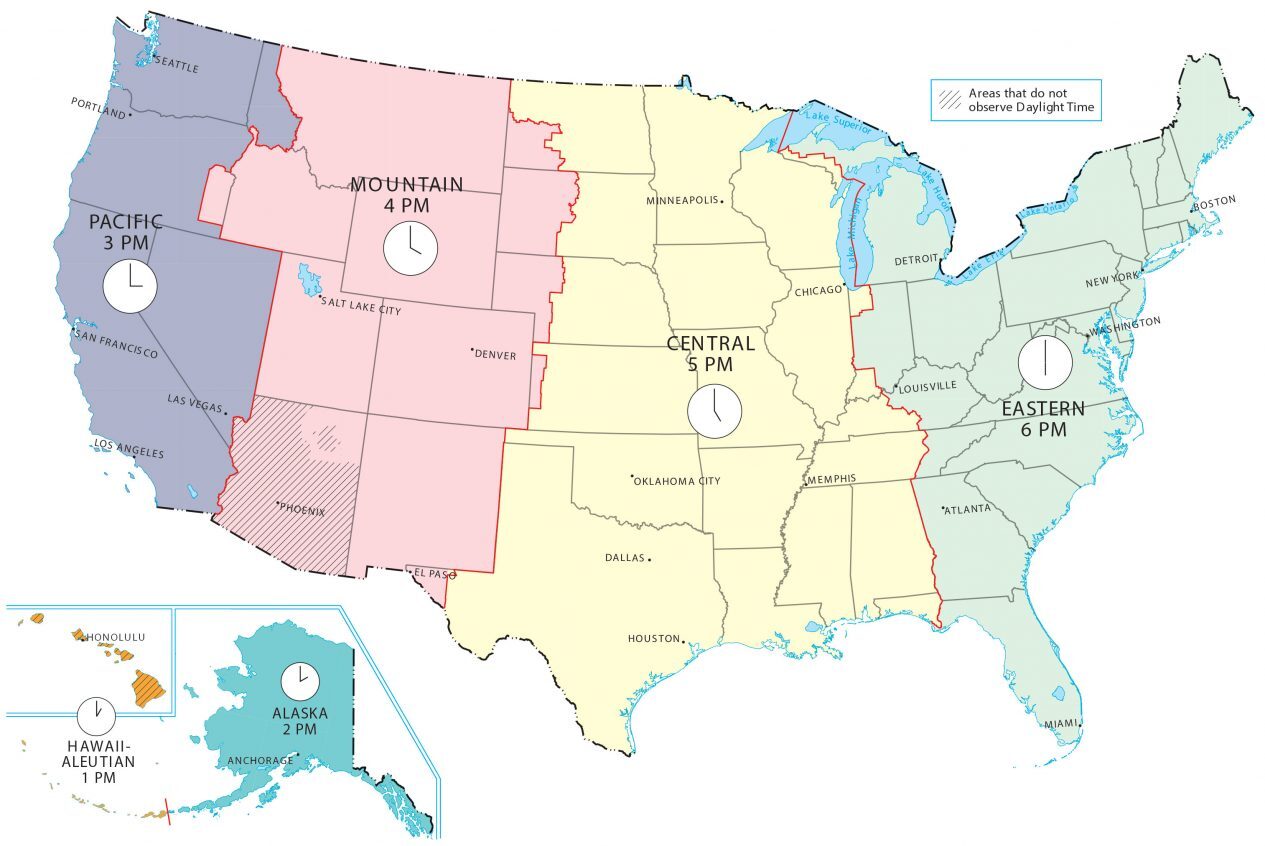
When booking flights into or out of airports like Will Rogers World Airport in Oklahoma City or Tulsa International Airport, all departure and arrival times will be listed in Central Time. If you are traveling from a different time zone, such as Pacific Time or Mountain Time, it is essential to make the necessary mental adjustment. For instance, a flight departing Los Angeles (PST) at 10:00 AM and arriving in Oklahoma City at 4:00 PM will be arriving at 4:00 PM Central Time. Remember to factor in the time difference when calculating travel duration. Similarly, train schedules and bus routes operating within Oklahoma will adhere to Central Time.
Accommodation and Activities
When booking hotel rooms at properties like the Embassy Suites by Hilton Oklahoma City Downtown or exploring attractions such as the Oklahoma Aquarium or the National Cowboy & Western Heritage Museum, opening and closing times will be published in Central Time. This applies to tours, museum exhibits, restaurant reservations, and any other scheduled activity. Confirming the local time zone of your destination is always a wise practice to avoid any misunderstandings or missed appointments. If you have pre-booked activities or tours that require a specific arrival time, double-check that you have accounted for the three-hour difference if traveling from the West Coast or the one-hour difference from the Mountain Time Zone.
Communication and Coordination
For those traveling for business or coordinating with friends and family back home, understanding the time difference is vital for effective communication. If you are calling someone in the Eastern Time Zone, remember they will be two hours ahead of you. For example, if it is 10:00 AM in Oklahoma City (Central Time), it is 12:00 PM (noon) in New York City (Eastern Time). Conversely, if you are speaking with someone in the Mountain Time Zone, they will be one hour behind you. This awareness is particularly important when scheduling phone calls, virtual meetings, or simply checking in with loved ones.
Exploring Oklahoma’s Attractions in Central Time
Oklahoma offers a diverse range of attractions that travelers can explore, all operating within the Central Time Zone. From the vibrant cultural scene of its cities to the natural beauty of its landscapes, planning your itinerary with the correct time zone in mind will enhance your journey.
Urban Experiences
In Oklahoma City, visitors can immerse themselves in history at the Oklahoma City National Memorial & Museum, a poignant tribute to the victims of the 1995 bombing. The museum’s visiting hours are listed in Central Time, typically opening mid-morning and closing in the late afternoon. The Bricktown Entertainment District, with its canals, restaurants, and entertainment venues, buzzes with activity well into the evening, all according to Central Time.
Tulsa offers a rich cultural tapestry, from the art deco architecture of its downtown to the world-class Philbrook Museum of Art. Many performances at the Tulsa Performing Arts Center begin in the early evening, around 7:00 PM or 7:30 PM Central Time. For those interested in aviation history, the Tulsa Air and Space Museum & Planetarium provides fascinating exhibits, with its operational hours also keyed to Central Time.
Natural Wonders and Outdoor Activities
Beyond the urban centers, Oklahoma boasts significant natural beauty. The Wichita Mountains Wildlife Refuge, located in southwestern Oklahoma, offers opportunities for hiking, wildlife viewing, and exploring unique geological formations. While the refuge itself doesn’t have strict “opening” and “closing” times in the traditional sense, visitor centers and ranger stations will adhere to Central Time for their operational hours. Sunrise and sunset times, which are crucial for planning outdoor excursions, are also based on the local Central Time.
The state’s numerous lakes, such as Lake Texoma and Grand Lake o’ the Cherokees, are popular for boating, fishing, and swimming. Marinas and campgrounds around these recreational areas will operate on Central Time, influencing boat rentals, campsite check-in, and store hours. Planning your arrival and departure times for these activities, whether it’s a morning fishing trip or an evening campfire, should always be done with Central Time in mind.

Conclusion: Navigating Oklahoma with Confidence
In conclusion, Oklahoma is definitively situated within the Central Time Zone. This is a critical piece of information for any traveler, ensuring that all aspects of your trip—from arrival and accommodation to activities and communication—are planned with accuracy. Understanding and respecting the local time zone is a fundamental element of responsible and enjoyable travel. By confirming that Oklahoma observes Central Time, you can navigate your journey with greater ease and confidence, fully immersing yourself in the experiences this diverse state has to offer.
LifeOutOfTheBox is a participant in the Amazon Services LLC Associates Program, an affiliate advertising program designed to provide a means for sites to earn advertising fees by advertising and linking to Amazon.com. Amazon, the Amazon logo, AmazonSupply, and the AmazonSupply logo are trademarks of Amazon.com, Inc. or its affiliates. As an Amazon Associate we earn affiliate commissions from qualifying purchases.