
Navigating the weather of any destination is a crucial element of planning a successful trip. For Oklahoma, a state often characterized by its dramatic skies and shifting atmospheric conditions, understanding its weather patterns is paramount to experiencing its rich tapestry of attractions, from the rolling prairies to the vibrant urban centers. This guide delves into the nuances of Oklahoma’s climate, providing insights that will empower travelers to pack wisely, plan activities effectively, and make the most of their visit, whether they are drawn to the historical charm of Tulsa or the metropolitan energy of Oklahoma City.
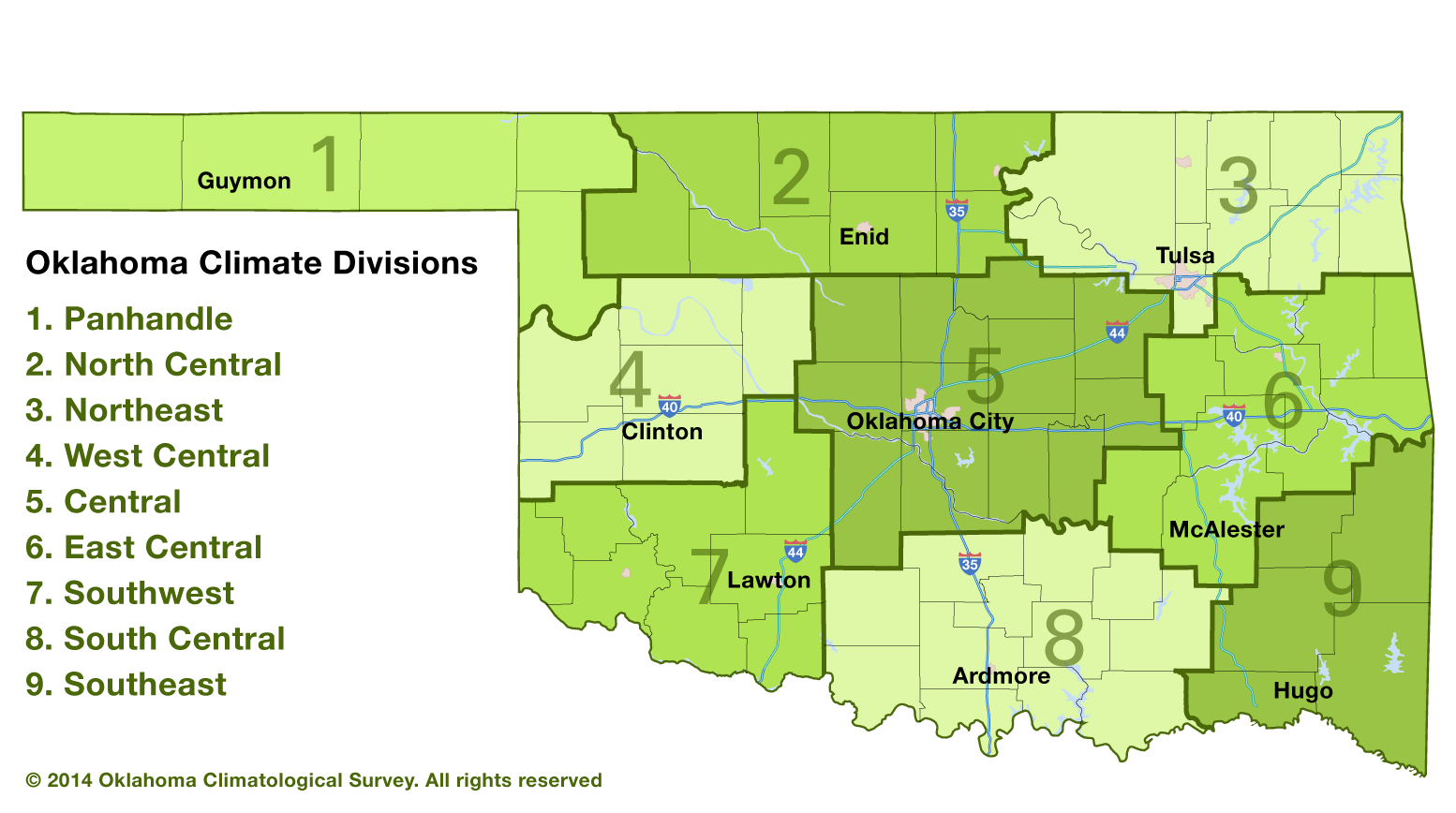
Understanding Oklahoma’s Diverse Climate Zones
Oklahoma’s geographical position in the heart of the United States places it at a climatic crossroads, influenced by air masses from the Gulf of Mexico, the Rocky Mountains, and the Canadian prairies. This strategic location results in a climate that is generally characterized by extremes, with hot summers, mild winters, and significant variability throughout the year. The state can be broadly divided into several climatic regions, each with its own subtle variations.
The Plains and Prairies: A Canvas of Extremes
Western and central Oklahoma, encompassing vast stretches of prairie and farmland, experiences a more continental climate. Here, temperatures can swing dramatically between day and night, and across seasons. Summers are typically hot and dry, with frequent periods of intense heat. Winters, while generally mild, can bring occasional cold snaps with freezing temperatures and snowfall, particularly in the Panhandle region. This area is also prone to drought conditions, which can impact the landscape and agricultural activities.
The Ouachita Mountains: A Greener, Wetter Microclimate
Southeastern Oklahoma, dominated by the scenic Ouachita Mountains, presents a different climatic profile. This region receives more precipitation than the western parts of the state, leading to lush forests and a more humid atmosphere. Summers here are still warm, but the increased rainfall can offer a slight respite from the dryness found elsewhere. Winters are generally milder, with less frequent and less severe freezing temperatures. This region is a haven for nature lovers, offering opportunities for hiking and exploring natural beauty.
Seasonal Breakdown of Oklahoma Weather
Understanding Oklahoma’s weather on a seasonal basis is key to planning any travel or outdoor activities. Each season brings its own set of characteristics, opportunities, and challenges for visitors.
Spring: A Symphony of Transition and Potential Unpredictability
Spring in Oklahoma is a season of dramatic transformation. As winter’s chill recedes, the state bursts into bloom, with wildflowers dotting the landscape and trees regaining their leaves. Temperatures begin to climb, offering pleasant conditions for exploring cities like Oklahoma City or visiting attractions like the Oklahoma Aquarium. However, spring is also the most volatile weather season in Oklahoma.
The Season of Storms
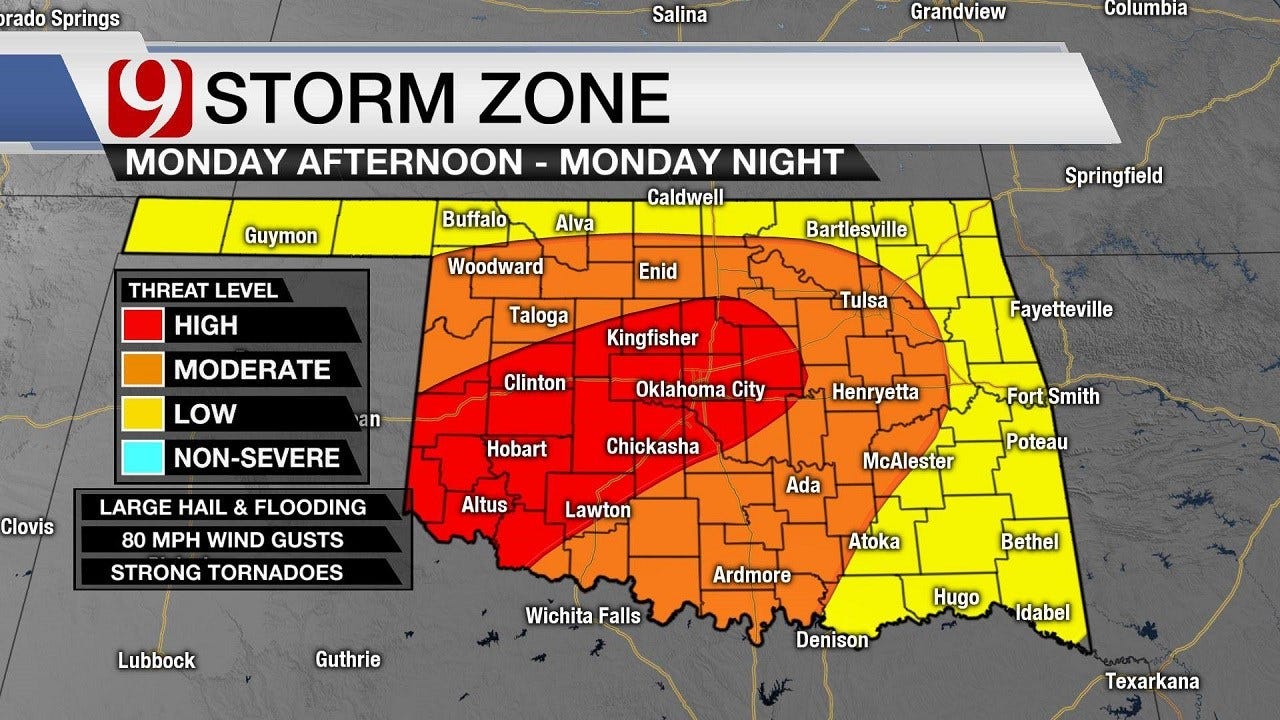
This period is notorious for its severe weather, particularly thunderstorms, high winds, and the potential for tornadoes. The convergence of warm, moist air from the south and cooler, dry air from the north creates a fertile ground for storm development. Visitors during spring should stay informed about weather forecasts and heed any warnings issued by local authorities. This is particularly important for those planning outdoor excursions in rural areas or visiting natural landmarks like Wichita Mountains Wildlife Refuge.
Summer: The Reign of Heat and Sunshine
Summers in Oklahoma are characterized by sustained heat and ample sunshine. From June through August, temperatures regularly exceed 90°F (32°C) and can frequently reach triple digits. Humidity levels can also be high, making the heat feel more oppressive. This is an ideal time for indoor activities, exploring museums in Tulsa such as the Philbrook Museum of Art, or enjoying the air-conditioned comforts of various resorts and hotels.
Outdoor Pursuits in the Heat
Despite the heat, outdoor activities are still possible, especially during the early morning or late evening. Water parks, lakes like Lake Texoma, and shaded park areas offer opportunities for recreation. Hydration is paramount during Oklahoma summers, and travelers should always carry plenty of water and wear light, breathable clothing.

Autumn: A Crisp and Colorful Respite
Autumn, from September to November, is often considered the most pleasant season to visit Oklahoma. The oppressive summer heat begins to dissipate, replaced by crisp, cool air and lower humidity. Temperatures are generally mild and comfortable, ideal for exploring the state’s many attractions without the discomfort of extreme heat or cold.
Fall Foliage and Festivals
The fall colors in Oklahoma can be spectacular, particularly in the eastern part of the state where deciduous trees are abundant. Parks and scenic drives offer breathtaking views of vibrant reds, oranges, and yellows. This season also coincides with numerous harvest festivals, farmers’ markets, and cultural events across the state, providing a delightful opportunity to immerse oneself in local traditions and enjoy the bounty of the season. It’s a perfect time for a road trip through the countryside or a visit to charming towns like Medicine Park.
Winter: A Season of Mildness with Occasional Chills
Oklahoma winters are generally mild, with average daytime temperatures often hovering in the 40s and 50s Fahrenheit (4-15°C). Snowfall is not typically heavy or prolonged, especially in the southern half of the state. Freezing temperatures are common, particularly at night, and occasional ice storms can occur, which can make driving hazardous.
Winter Activities and Precautions
While not a prime destination for winter sports, Oklahoma does offer opportunities for enjoying the cooler months. Cozying up in a lodge, visiting indoor attractions, or enjoying the crisp air on a brisk walk are popular pastimes. For those traveling during winter, it’s essential to pack warm layers, including a coat, hat, and gloves, and to remain aware of weather advisories, especially concerning ice and potential road closures. The holidays also bring a special charm to cities like Oklahoma City and Tulsa, with festive decorations and events.
Preparing for Oklahoma’s Unique Weather Phenomena
Beyond the general seasonal patterns, Oklahoma is known for specific weather phenomena that travelers should be aware of.
The Oklahoma “Windy” Reputation
Oklahoma’s nickname, the “Sooner State,” is often accompanied by its reputation for being windy. The open plains and lack of significant topographical barriers allow prevailing winds from the south and west to sweep across the state. This constant breeze can be a welcome relief during hot summer days but can also make windy conditions a factor for outdoor activities year-round. It’s advisable to secure any loose items when outdoors, and to be prepared for windblown dust or debris during particularly strong gusts, especially in the western parts of the state.
Tornado Alley: Awareness and Preparedness
Oklahoma is famously situated within “Tornado Alley,” a region that experiences a high frequency of tornadoes. While the most active tornado season is typically spring, twisters can occur at any time of year. Visitors should be aware of local weather alerts and understand what to do in the event of a tornado warning. Most hotels and public buildings in Oklahoma are equipped with designated storm shelters. It is wise to familiarize yourself with the location of these shelters upon arrival at your accommodation. Staying informed through local news and weather services is crucial for safety during severe weather events.
Heat Waves and Cold Snaps
As mentioned, Oklahoma can experience extreme temperature fluctuations. Prolonged periods of 100°F+ (38°C+) heat are common in the summer, requiring vigilance regarding heatstroke and dehydration. Conversely, winter can bring sudden cold snaps, with temperatures dropping well below freezing, often accompanied by wind chills that make it feel even colder. Appropriate clothing and hydration (or staying warm and hydrated in winter) are always recommended.
Conclusion: Embracing Oklahoma’s Dynamic Weather
Oklahoma’s weather is a dynamic and integral part of its identity, shaping its landscapes, its culture, and the experiences of its visitors. While it presents challenges, particularly during the spring storm season and the summer heat, understanding these patterns allows for informed planning and preparation. From the vibrant colors of autumn to the potential for dramatic skies, Oklahoma’s weather offers a unique and often spectacular backdrop to its many attractions. By packing appropriately, staying informed, and embracing the state’s energetic climate, travelers can ensure a rewarding and memorable journey through the Sooner State.
LifeOutOfTheBox is a participant in the Amazon Services LLC Associates Program, an affiliate advertising program designed to provide a means for sites to earn advertising fees by advertising and linking to Amazon.com. Amazon, the Amazon logo, AmazonSupply, and the AmazonSupply logo are trademarks of Amazon.com, Inc. or its affiliates. As an Amazon Associate we earn affiliate commissions from qualifying purchases.