
The population of Oklahoma is a dynamic figure, constantly evolving and reflecting the state’s growth, economic shifts, and demographic trends. Understanding this population is crucial for comprehending the state’s cultural landscape, economic development, and the evolving needs of its residents. While specific numbers fluctuate, the general trajectory and characteristics of Oklahoma’s population offer significant insights for anyone interested in its future.
Demographics and Growth Trends
The most recent U.S. Census Bureau estimates provide the most authoritative data on Oklahoma’s population. As of recent estimates, the population hovers around 4 million individuals. This places Oklahoma as the 28th most populous state in the United States. This mid-tier ranking suggests a state of considerable size and influence, yet one that is not among the most densely populated.
Historical Growth Patterns
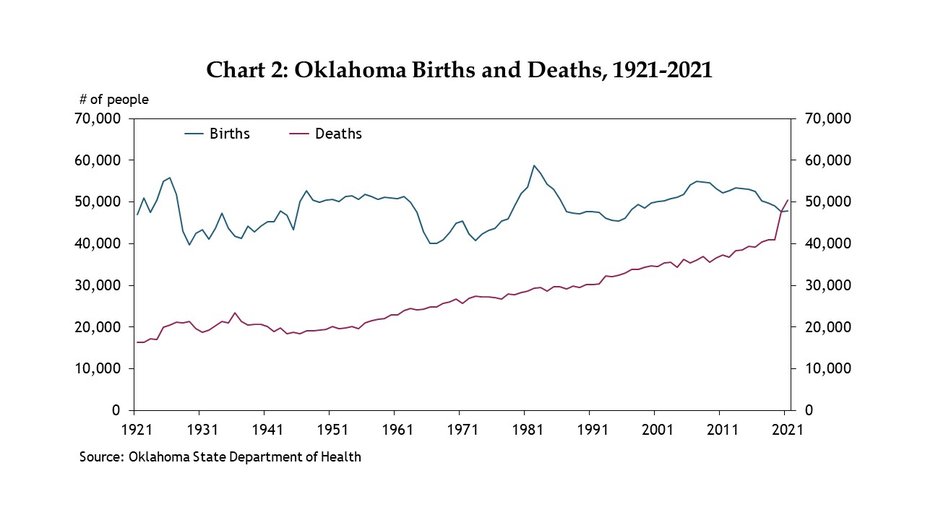
Oklahoma’s population growth has been characterized by periods of significant expansion, particularly in the post-World War II era, fueled by industrial development and agricultural prosperity. More recently, the state has experienced steady, albeit sometimes modest, growth. This growth is often driven by a combination of natural increase (births exceeding deaths) and net migration (more people moving in than out). The energy sector, particularly oil and natural gas, has historically played a significant role in attracting new residents, especially to areas like Oklahoma City and Tulsa. However, the state has also been working to diversify its economy, attracting industries in aerospace, biotechnology, and manufacturing, which in turn influence population distribution and growth.
Age and Ethnic Composition
The age demographics of Oklahoma mirror many other American states, with a notable presence of younger generations alongside a growing senior population. Understanding the age distribution is key for planning social services, healthcare, and educational institutions. The state’s ethnic makeup is also diverse and evolving. While historically the population has been predominantly white, there has been a significant increase in the Hispanic and Asian populations in recent decades. Furthermore, Oklahoma has a substantial Native American population, with numerous federally recognized tribes calling the state home. This rich indigenous heritage is a defining characteristic of the state’s cultural tapestry.
Rural vs. Urban Distribution
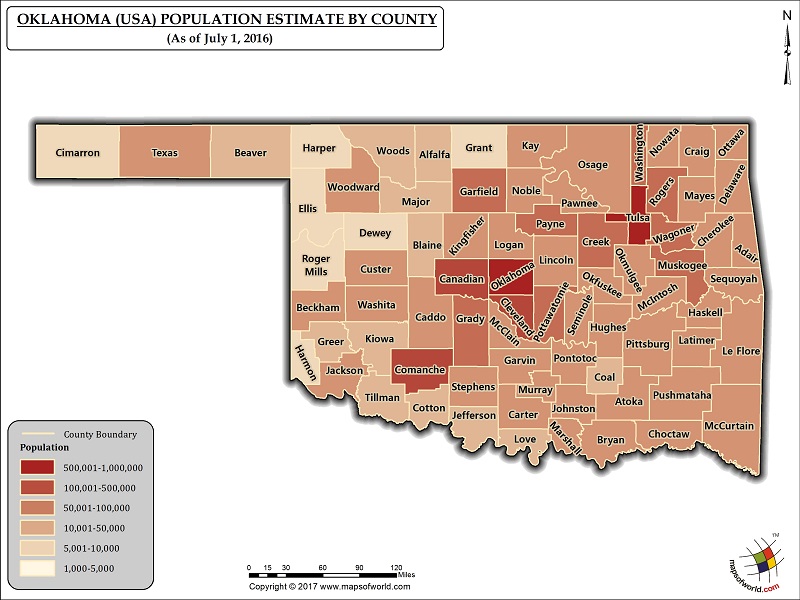
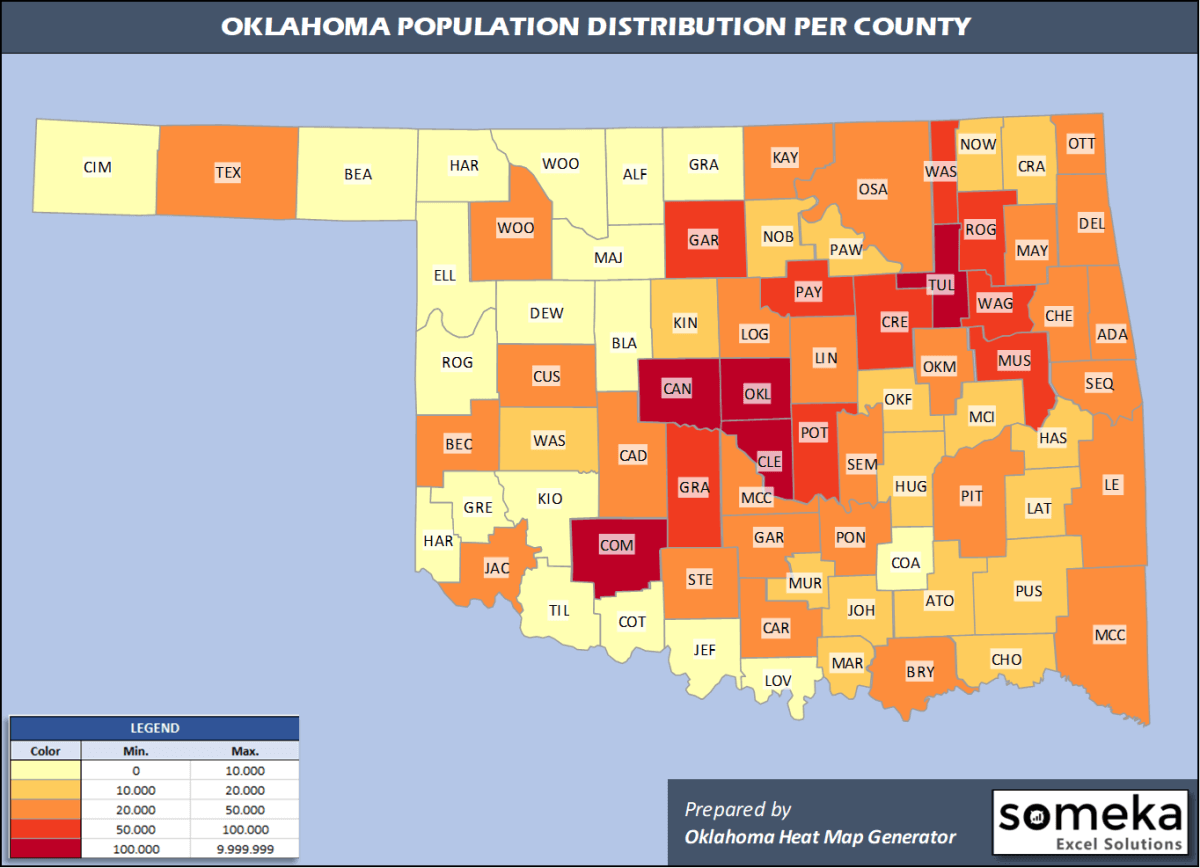
Oklahoma exhibits a pattern common to many Western and Midwestern states, with a significant portion of its population concentrated in urban centers, while large geographical areas remain sparsely populated. The two largest metropolitan areas, Oklahoma City and Tulsa, are economic and cultural hubs, drawing in residents from surrounding regions. Oklahoma City, the state capital and largest city, continues to grow, attracting businesses and individuals. Tulsa, known for its art deco architecture and vibrant arts scene, also experiences consistent population increases. The remaining population is spread across numerous smaller cities and rural communities, many of which are heavily influenced by agriculture or specialized industries.
Factors Influencing Population Dynamics
Several key factors contribute to the ebb and flow of Oklahoma’s population, shaping its demographic profile and influencing its economic and social development. These factors are interconnected and often respond to broader national and global trends.
Economic Opportunities
The availability of jobs is arguably the most significant driver of population movement. Oklahoma has historically relied on its robust energy sector, which has a cyclical nature impacting employment and migration patterns. Periods of high oil prices often lead to an influx of workers, while downturns can result in out-migration. In recent years, diversification efforts have broadened the economic base, attracting professionals in fields such as healthcare, aerospace, and technology. These new industries offer different employment opportunities and can attract a different demographic of residents. The cost of living in Oklahoma, generally lower than in many coastal states, also serves as an attractive factor for individuals and families seeking economic stability.
Education and Innovation
The presence of reputable educational institutions and a burgeoning innovation ecosystem can significantly influence population growth, particularly among younger, educated demographics. Universities like the University of Oklahoma in Norman and the University of Tulsa are centers of learning and research, attracting students who may choose to remain in the state after graduation. Investments in research and development, coupled with a supportive environment for startups and established tech companies, are crucial for drawing in skilled workers and fostering a vibrant intellectual community. Cities that successfully cultivate these sectors often see a more sustainable and diverse form of population growth.
Quality of Life and Amenities
Beyond economic prospects, the quality of life plays a vital role in attracting and retaining residents. This encompasses a wide range of factors, including access to affordable housing, good schools, healthcare facilities, recreational opportunities, and cultural attractions. Oklahoma offers a diverse array of natural beauty, from the Wichita Mountains National Wildlife Refuge to the Ozark Mountains, providing ample opportunities for outdoor enthusiasts. The state’s major cities boast growing culinary scenes, performing arts centers, and sporting events, such as Oklahoma City Thunder basketball games, contributing to a dynamic urban lifestyle. For those seeking a more relaxed pace, the numerous lakes and vast open spaces offer a different, yet equally appealing, way of life.
Understanding the Significance of Oklahoma’s Population
The population of Oklahoma is more than just a number; it is a reflection of the state’s history, its present challenges, and its future aspirations. Understanding these demographics allows for more informed planning and strategic development across various sectors.
Economic Planning and Development
For businesses and policymakers, population data is indispensable for strategic planning. Knowing the size, age distribution, and skill sets of the workforce helps in identifying labor needs and developing targeted economic development initiatives. For instance, an aging population may necessitate an increased focus on healthcare services and retirement communities, while a growing young population requires robust educational and job training programs. Understanding the geographic distribution of the population also informs decisions about infrastructure development, such as transportation networks, utility expansion, and the placement of new businesses and services.
Social Services and Infrastructure
The needs of Oklahoma’s residents are directly tied to its population. Healthcare systems, educational institutions, and public services must be scaled and adapted to meet the demands of the current and projected population. The state’s diverse ethnic composition also requires cultural sensitivity and targeted programs to ensure equitable access to services for all residents. Urban areas with high population density will have different infrastructure needs than rural communities, requiring a nuanced approach to resource allocation and development.
Cultural and Political Landscape
The people of Oklahoma shape its unique cultural identity and its political discourse. The historical influence of Native American tribes, the waves of migration from various parts of the country, and the ongoing demographic shifts all contribute to the state’s rich and complex cultural fabric. Understanding who lives in Oklahoma, where they come from, and their diverse perspectives is essential for appreciating its social dynamics and for fostering an inclusive and representative society. The political landscape is also significantly influenced by the population’s distribution and its evolving demographic characteristics.
In conclusion, the population of Oklahoma is a multifaceted subject, encompassing demographic trends, economic influences, and social characteristics. As the state continues to grow and evolve, staying informed about its population dynamics will be key to unlocking its full potential and ensuring a prosperous future for all its residents.
LifeOutOfTheBox is a participant in the Amazon Services LLC Associates Program, an affiliate advertising program designed to provide a means for sites to earn advertising fees by advertising and linking to Amazon.com. Amazon, the Amazon logo, AmazonSupply, and the AmazonSupply logo are trademarks of Amazon.com, Inc. or its affiliates. As an Amazon Associate we earn affiliate commissions from qualifying purchases.