
Understanding the nuances of sales tax is a crucial aspect of navigating the economic landscape of any state, and for visitors and businesses alike, knowing the ins and outs of Oklahoma’s sales tax system is paramount. This tax, levied on the sale of goods and certain services, plays a significant role in funding public services across the Sooner State. Whether you’re planning a vacation to Oklahoma City, a business trip to Tulsa, or considering setting up a new venture, grasping the state and local components of this tax is essential for budgeting and compliance. This guide delves into the intricacies of sales tax in Oklahoma, providing clarity for all types of travelers and residents.
The Foundation: State Sales Tax in Oklahoma
At its core, Oklahoma’s sales tax is a consumption tax. The state government imposes a base rate that applies to most retail sales. This rate is subject to change by legislative action, so staying informed about current percentages is always advisable. The revenue generated from this state-level tax is a vital source of funding for a wide array of public services, including education, infrastructure development, and public safety initiatives that benefit every resident and visitor.
Understanding the Rate Structure
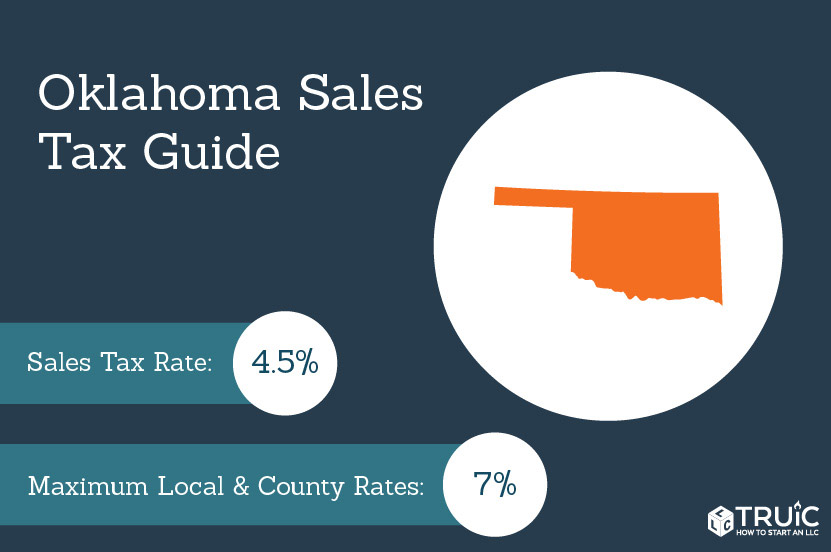
The Oklahoma state sales tax rate is a set percentage determined by the state legislature. This rate is then added to any applicable local taxes, creating a combined tax rate that can vary significantly depending on the specific location within the state. For instance, a purchase made in a smaller town might have a different combined tax rate than one made in a larger metropolitan area. This variability is a key characteristic of the Oklahoma sales tax system and underscores the importance of being aware of the jurisdiction where a transaction takes place.
What is Taxable?
Generally, most tangible personal property sold at retail is subject to sales tax in Oklahoma. This includes items such as clothing, electronics, furniture, and vehicles. Beyond tangible goods, certain services are also taxable. The list of taxable services can be extensive and may evolve over time. Common examples include:
- Telecommunications services: This can encompass landline, mobile, and internet services.
- Lawn care and landscaping services: Work performed on residential or commercial properties.
- Security services: Both alarm system monitoring and physical security guard services.
- Certain repair and remodeling services: Depending on the nature of the work and the property involved.
- Admissions to amusement, entertainment, and recreational facilities: This covers tickets to events, movie theaters, and theme parks.
It’s important to note that exemptions do exist. Certain essential goods, like most groceries (though prepared foods are typically taxed), and services vital to public welfare may be exempt from sales tax. Businesses are responsible for understanding these exemptions to ensure accurate tax collection and remittance.
Exemptions and Special Cases
Oklahoma provides specific exemptions to mitigate the tax burden on certain necessities or to encourage particular economic activities. For travelers, understanding these can lead to savings. Some common exemptions include:
- Groceries: Unprepared food items intended for home consumption are typically exempt.
- Prescription medications: Essential healthcare items are usually not taxed.
- Items purchased for resale: Businesses that purchase goods to sell to their own customers do not pay sales tax on those initial purchases.
- Certain agricultural items: Equipment and supplies used in farming may be exempt.
- Manufacturing exemptions: Specific equipment used in the manufacturing process might qualify for exemptions.
Furthermore, there are provisions for tax-exempt organizations, such as registered non-profits, which can purchase goods and services without paying sales tax, provided they present the proper exemption documentation.
The Layered Approach: Local Sales Taxes in Oklahoma
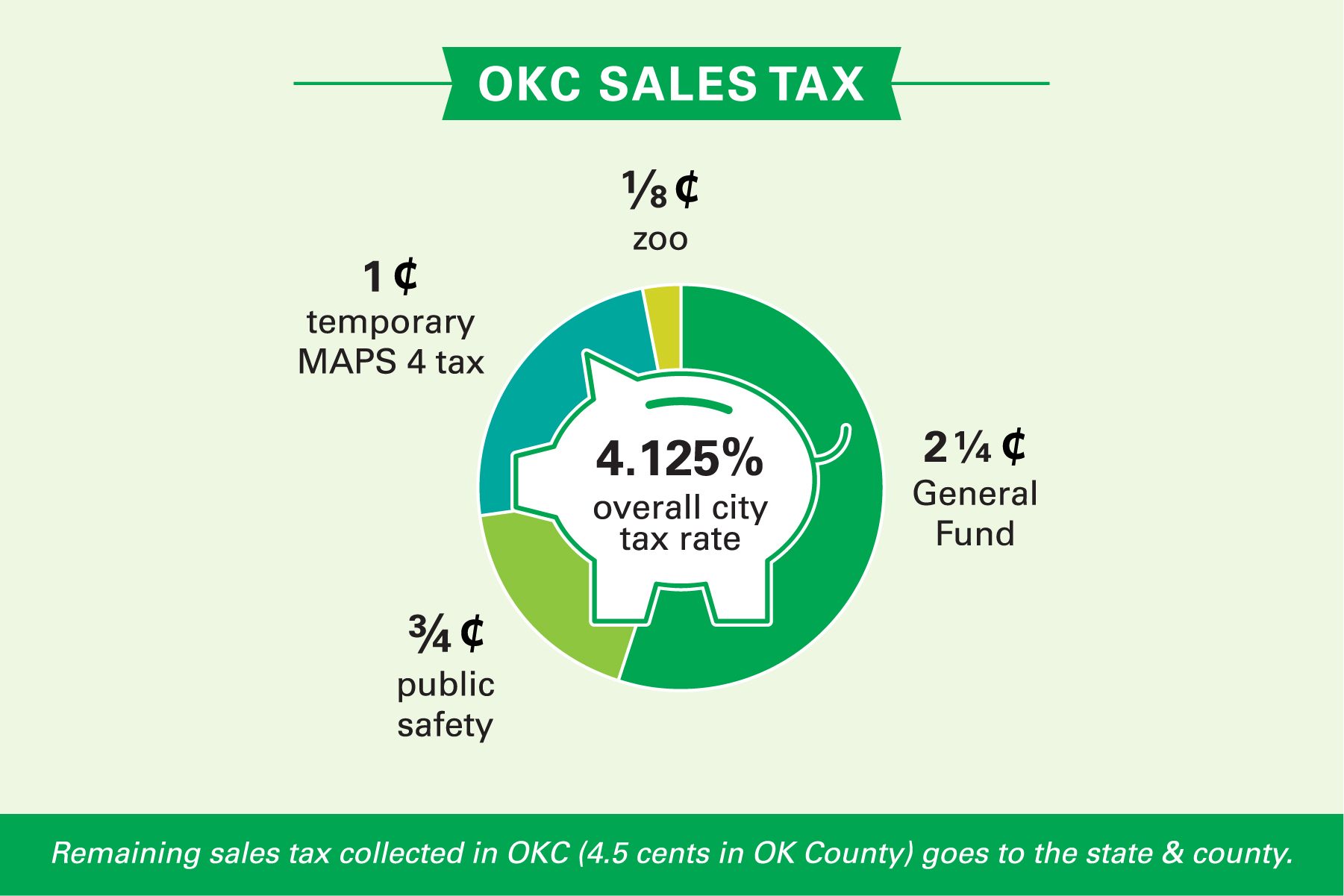
Beyond the state sales tax, Oklahoma operates on a local option system for sales taxes. This means that counties, cities, and even special districts have the authority to levy their own sales taxes, which are then added to the state tax. This is why the combined sales tax rate can vary so dramatically from one locality to another.
County and City Taxes
Each county and incorporated city within Oklahoma can impose its own sales tax. These local taxes are often enacted to fund specific local projects, such as road improvements, school districts, public safety services, or local economic development initiatives. For example, a tourist visiting Broken Bow might encounter a different combined sales tax rate than someone in Norman. This makes it essential for businesses operating across different municipalities to meticulously track tax rates for each jurisdiction.
Special District Taxes
In addition to county and city taxes, special districts can also levy sales taxes. These districts are often created to fund specific services that benefit a defined geographic area, such as public transportation, parks and recreation, or fire protection. Understanding the potential for multiple layers of local taxation is vital for accurate pricing and budgeting.
Impact on Consumers and Businesses
For consumers, the cumulative effect of state and local sales taxes means that the price of goods and services can differ significantly based on location. This can influence purchasing decisions, especially for larger items. For businesses, the complexity of managing multiple tax rates across various jurisdictions is a significant operational challenge. Accurate record-keeping, point-of-sale systems capable of handling varying rates, and regular updates on local tax ordinances are indispensable for compliance and avoiding penalties. The Oklahoma Tax Commission provides resources and guidance for businesses to navigate these complexities.
Navigating Sales Tax for Travelers
For those exploring Oklahoma, understanding sales tax is less about compliance and more about budgeting and awareness. The most straightforward impact is on the final price of goods purchased. When you’re browsing souvenir shops in Oklahoma City, dining at a restaurant in Tulsa, or booking a stay at a resort in the Ozarks, the sales tax will be factored into your total bill.
Tips for Smart Shopping
- Be Aware of the Local Rate: While not always explicitly advertised, you can usually find information about local sales tax rates online or by asking at a local business. This can help you anticipate your total cost.
- Consider Online vs. In-Person: For some items, comparing the total cost (including tax) of purchasing online versus in a brick-and-mortar store in Oklahoma can be beneficial, though it’s important to also factor in shipping costs and potential out-of-state use tax obligations if purchasing from a vendor without a physical presence in Oklahoma.
- Exemptions for Tourists (Limited): Unlike some states that offer tourist-specific tax refunds, Oklahoma generally does not have a broad sales tax refund program for international or out-of-state tourists on general purchases. However, specific exemptions, like those for certain food items or medications, would still apply regardless of residency.
Accommodation and Tourism Taxes
When you book a hotel, motel, or vacation rental, you’ll typically encounter not just the state and local sales taxes, but also potentially other lodging-specific taxes. These can include:
- Lodging Occupancy Tax: This is a tax levied specifically on the rental of transient accommodations. It’s often set at the city or county level and is used to promote tourism and fund local hospitality initiatives.
- Tourism Promotion Taxes: Some areas may impose additional taxes specifically earmarked for tourism marketing and development.
These additional taxes, when combined with the general sales tax, can significantly increase the overall cost of accommodation. It’s always wise to check the total rate when booking to avoid surprises. For example, a stay at the Omni La Mansión del Rio in San Antonio (though not in Oklahoma, this is an example of lodging taxes) would include state, city, and potentially hotel-specific taxes. Similarly, a visit to The Skirvin Hilton Oklahoma City would be subject to the combined rates in Oklahoma City.
Staying Compliant: For Businesses and Event Organizers
For businesses operating within Oklahoma, or those planning events that involve sales, understanding and adhering to sales tax regulations is not optional. Compliance is critical to avoid audits, penalties, and legal issues.
Registration and Permits
Any business that sells taxable goods or services in Oklahoma must register with the Oklahoma Tax Commission and obtain a sales tax permit. This permit authorizes the business to collect sales tax from customers.
Filing and Remitting Taxes
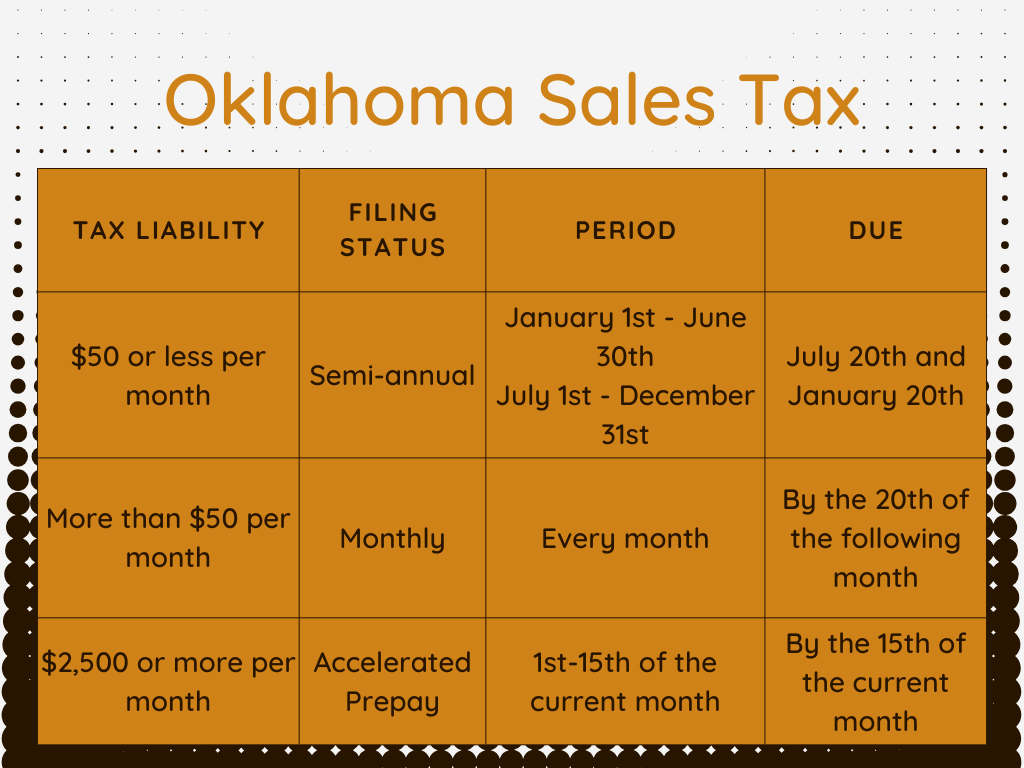
Registered businesses are responsible for collecting sales tax from their customers and remitting it to the state and relevant local authorities on a regular basis, typically monthly or quarterly. The Oklahoma Tax Commission provides various methods for filing and payment, including online portals. Accurate record-keeping of all sales, taxes collected, and taxes remitted is essential.
Special Events and Temporary Sales
Organizers of special events, such as festivals, concerts, or temporary markets, where vendors will be selling goods, often have specific responsibilities. They may need to ensure that all participating vendors are properly permitted and collecting sales tax, or in some cases, the event organizer may be responsible for collecting and remitting tax on behalf of all vendors. This is particularly relevant for events held at venues like the Cox Business Convention Center in Tulsa.
Conclusion: The Economic Fabric of Oklahoma
Sales tax in Oklahoma is a multifaceted system, comprising a state-level foundation and a complex layer of local options. For travelers, it’s an important consideration for budgeting purchases and understanding the total cost of accommodation and attractions. For businesses, it’s a core operational requirement demanding careful attention to detail, accurate record-keeping, and consistent compliance. By understanding the structure, rates, taxable items, and exemptions, individuals and businesses can navigate the economic landscape of the Sooner State with greater confidence and efficiency.
LifeOutOfTheBox is a participant in the Amazon Services LLC Associates Program, an affiliate advertising program designed to provide a means for sites to earn advertising fees by advertising and linking to Amazon.com. Amazon, the Amazon logo, AmazonSupply, and the AmazonSupply logo are trademarks of Amazon.com, Inc. or its affiliates. As an Amazon Associate we earn affiliate commissions from qualifying purchases.