
When contemplating a journey through the heartland of the United States, the state of Oklahoma often conjures images of wide-open prairies, rich history, and vibrant communities. Among its many noteworthy urban centers, one city stands out for its sheer scale and influence. Understanding the largest city in Oklahoma is not just an exercise in geography; it’s a gateway to exploring the state’s cultural epicenter, economic engine, and a hub for diverse travel experiences.
This exploration delves into what defines “largest” in an urban context, examines the primary contender, and highlights the compelling reasons why this city deserves a prominent spot on any traveler’s itinerary. From its historical roots to its modern-day allure, the largest city in Oklahoma offers a multifaceted destination for those seeking both adventure and insight.
Defining “Largest”: Population vs. Land Area
The designation of a city as “largest” can be interpreted in a few ways, each offering a different perspective on its significance and scale. While population is the most common metric, land area also plays a role in understanding a city’s physical footprint and potential for expansion.
Population: The Human Element
When most people inquire about the largest city, they are typically referring to the number of residents. Population figures provide a direct measure of a city’s density, its labor force, its market size, and its overall influence within a state and region. A higher population often correlates with a greater diversity of services, cultural institutions, entertainment options, and a more dynamic urban environment. This metric reflects the sheer number of people who call a place home, contributing to its unique character and daily life.
Land Area: The Physical Expanse
Alternatively, “largest” can refer to the geographical area a city encompasses. Land area is a measure of the physical space controlled by a municipality. A city with a large land area might include significant undeveloped or suburban regions, suggesting room for growth or perhaps a more spread-out urban design. While not as directly indicative of human activity as population, land area can influence urban planning, transportation infrastructure, and the availability of green spaces. For the purposes of understanding urban centers as destinations, population typically remains the more relevant and impactful indicator of size and significance.
Oklahoma City: The Sooner State’s Metropolitan Heart
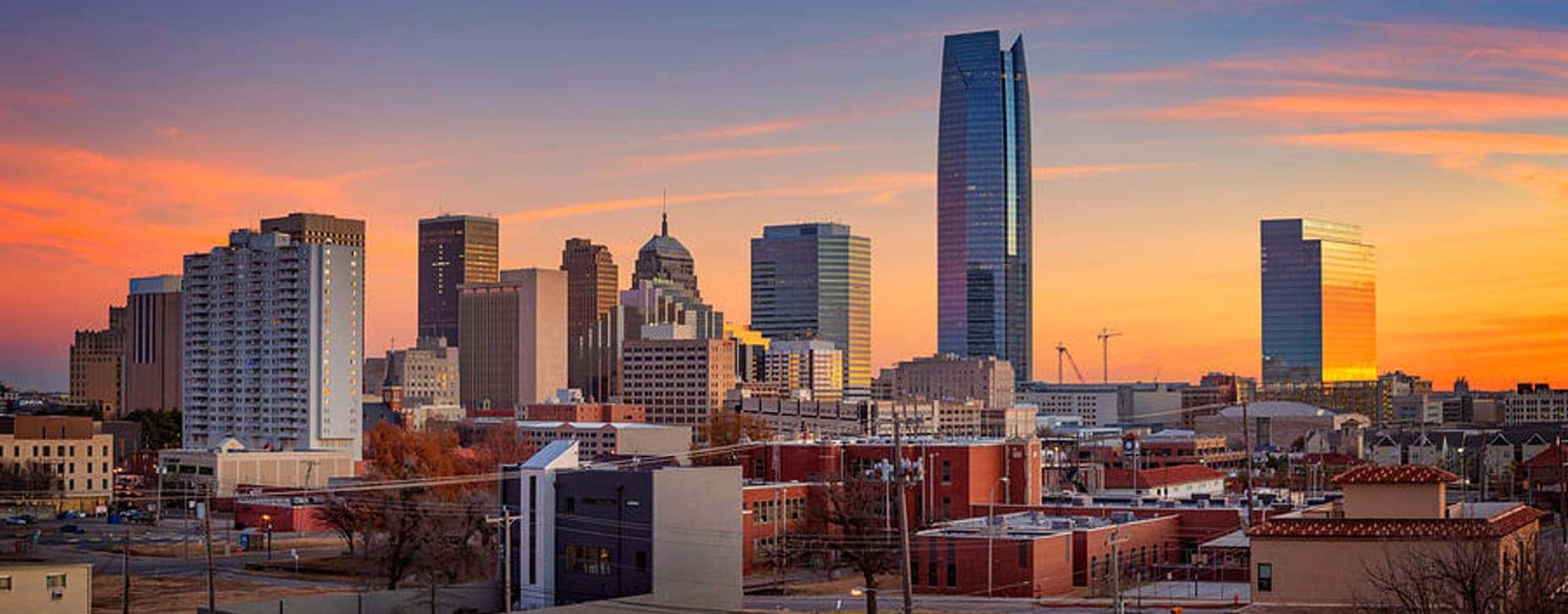
Without a doubt, Oklahoma City reigns supreme as the largest city in Oklahoma. Sprawling across a significant portion of central Oklahoma, it serves as both the state capital and its most populous urban center. Its considerable population and expansive land area make it the undisputed leader in terms of scale.
A Rich Tapestry of History
The story of Oklahoma City is deeply intertwined with the history of Oklahoma itself. Its origins trace back to the Land Run of 1889, a pivotal event in the state’s development where previously unassigned lands were opened for settlement. Thousands of settlers, known as “boomers,” converged on the territory, and Oklahoma City was established in a single day through a remarkable act of entrepreneurial spirit and rapid organization. This “boomtown” genesis is a foundational element of its identity.
Over the decades, Oklahoma City has evolved from its frontier roots into a modern metropolis. Its growth has been fueled by various industries, including oil and gas, agriculture, and increasingly, technology and diverse business sectors. The city has faced its share of challenges, most notably the devastating Oklahoma City bombing in 1995, an event that profoundly impacted its residents but also showcased their remarkable resilience and determination to rebuild.
Economic Powerhouse and Innovation Hub
As the capital, Oklahoma City is the administrative and political center of the state. Its economy is robust and diversified, with major sectors including energy, aerospace, biosciences, and logistics. The presence of significant corporations, a growing startup scene, and a skilled workforce makes it an attractive location for business and investment. This economic vitality translates into a vibrant urban landscape with a wide array of professional opportunities and a steady influx of new residents and ideas.
The city’s downtown area has undergone significant revitalization, transforming into a modern commercial and cultural hub. Modern skyscrapers stand alongside historical architecture, reflecting its continuous evolution. The Bricktown Entertainment District, once a warehouse district, has been reimagined as a premier destination for dining, entertainment, and nightlife, featuring canals, restaurants, and event venues. This transformation exemplifies the city’s commitment to progress and its ability to reinvent itself while honoring its past.
A Thriving Cultural and Recreational Scene

Beyond its economic and historical significance, Oklahoma City offers a rich cultural tapestry and a plethora of recreational activities that cater to diverse interests. The city boasts a thriving arts scene, with institutions like the Oklahoma City Museum of Art, home to an impressive collection of Chihuly glass, and the Civic Center Music Hall, which hosts performances by the Oklahoma City Philharmonic and touring Broadway shows.
For sports enthusiasts, Oklahoma City is home to the Oklahoma City Thunder of the National Basketball Association (NBA), drawing significant crowds and contributing to the city’s energetic atmosphere. The presence of a major professional sports team underscores its status as a significant metropolitan area.
Families and outdoor enthusiasts will find plenty to enjoy as well. The Myriad Botanical Gardens, with its iconic Crystal Bridge Tropical Conservatory, provides a lush urban oasis. The Oklahoma River has been transformed into a world-class recreational corridor, offering opportunities for kayaking, rowing, and public events. The National Cowboy & Western Heritage Museum offers a deep dive into the history and art of the American West, a crucial part of Oklahoma’s identity.
Exploring the Nuances: Beyond the Largest City
While Oklahoma City undeniably holds the title of the largest, it’s important to acknowledge other significant urban centers in Oklahoma that contribute to the state’s overall appeal and offer distinct travel experiences.
Tulsa: A City of Art Deco and Culture
Often considered the cultural capital of Oklahoma, Tulsa stands as the state’s second-largest city. Known for its stunning Art Deco architecture, Tulsa boasts a vibrant downtown district filled with beautifully preserved buildings from the 1920s and 30s. The city is also a haven for the arts, home to the Philbrook Museum of Art and the Woody Guthrie Center, celebrating the legacy of the legendary folk musician. Its thriving culinary scene and lively music venues add to its unique charm.
Norman: A Hub of Education and Academia
Located just south of Oklahoma City, Norman is the third-largest city and a significant center of education and research, primarily due to being the home of the University of Oklahoma. This university presence infuses the city with a youthful energy and a strong cultural pulse. Norman offers a more laid-back atmosphere than its larger neighbors, with a charming downtown area featuring independent shops, bookstores, and restaurants, all contributing to its distinct identity as a vibrant college town.
Planning Your Visit to Oklahoma’s Largest City
For travelers drawn to the energy and scale of Oklahoma City, a well-planned visit can unlock a wealth of experiences. Understanding the city’s layout, its diverse neighborhoods, and its key attractions is essential for maximizing your exploration.
Navigating Oklahoma City: Getting Around and Staying
Oklahoma City is a car-dependent city, so renting a vehicle is often the most convenient way to explore its various districts and attractions spread across its considerable land area. However, the downtown area and Bricktown are quite walkable, and public transportation options, including the EMBARK bus system, are available. Ride-sharing services are also prevalent.
Accommodation options in Oklahoma City are plentiful, ranging from luxury hotels in the downtown core to more budget-friendly options in the surrounding suburbs. Popular areas to stay include the revitalized downtown district, offering proximity to business centers and attractions, and Bricktown, known for its entertainment venues and vibrant nightlife. Many hotels offer amenities catering to both business and leisure travelers, ensuring a comfortable stay.

Must-See Attractions and Experiences
A visit to Oklahoma City would be incomplete without experiencing its most iconic landmarks and cultural institutions:
- Oklahoma City National Memorial & Museum: A profoundly moving tribute to the victims, survivors, and rescuers of the 1995 bombing. The memorial’s outdoor symbolic area and the accompanying museum offer a powerful and reflective experience.
- Bricktown Entertainment District: Explore the revitalized canal system, enjoy water taxis, dine at a diverse array of restaurants, and experience the lively entertainment scene.
- Myriad Botanical Gardens: A beautiful urban oasis featuring a striking conservatory, outdoor gardens, and walking paths, perfect for a serene escape.
- National Cowboy & Western Heritage Museum: Immerse yourself in the art, history, and culture of the American West.
- Oklahoma City Zoo: A well-regarded zoo offering a variety of animal exhibits and family-friendly activities.
- Stockyards City National Historic District: Experience the authentic Old West with its livestock auctions, Western wear shops, and classic restaurants.
By understanding that Oklahoma City is the largest city in Oklahoma, travelers gain a crucial insight into the state’s primary hub of activity, culture, and opportunity. It’s a city with a compelling past, a dynamic present, and a promising future, offering a rich and rewarding destination for any visitor.
LifeOutOfTheBox is a participant in the Amazon Services LLC Associates Program, an affiliate advertising program designed to provide a means for sites to earn advertising fees by advertising and linking to Amazon.com. Amazon, the Amazon logo, AmazonSupply, and the AmazonSupply logo are trademarks of Amazon.com, Inc. or its affiliates. As an Amazon Associate we earn affiliate commissions from qualifying purchases.