
The Avian Ambassador of the Sooner State
The vast and diverse landscapes of Oklahoma are home to a rich tapestry of wildlife, from the rolling prairies to the Ozark Highlands. Among its most cherished natural inhabitants is the state bird, a creature whose presence has become synonymous with the identity and spirit of the Sooner State. Understanding the significance of this avian ambassador offers a unique lens through which to appreciate Oklahoma’s natural heritage and cultural narratives. The choice of a state bird is rarely arbitrary; it often reflects deeply held values, historical connections, or prominent ecological roles. In Oklahoma, this symbol is the Scissortail Flycatcher, a bird celebrated for its distinctive beauty and spirited nature. Its official designation as the state bird in 1951 marked a formal recognition of its importance in the state’s ecosystem and its appeal to the people of Oklahoma. This designation encourages a deeper appreciation for local biodiversity and fosters a sense of pride in the natural world that defines the region. Exploring the Scissortail Flycatcher’s characteristics, habitat, and symbolic meaning provides a window into the soul of Oklahoma, connecting its residents and visitors alike to its wilder, more vibrant side.
Unveiling the Scissortail Flycatcher: A Jewel of the Skies
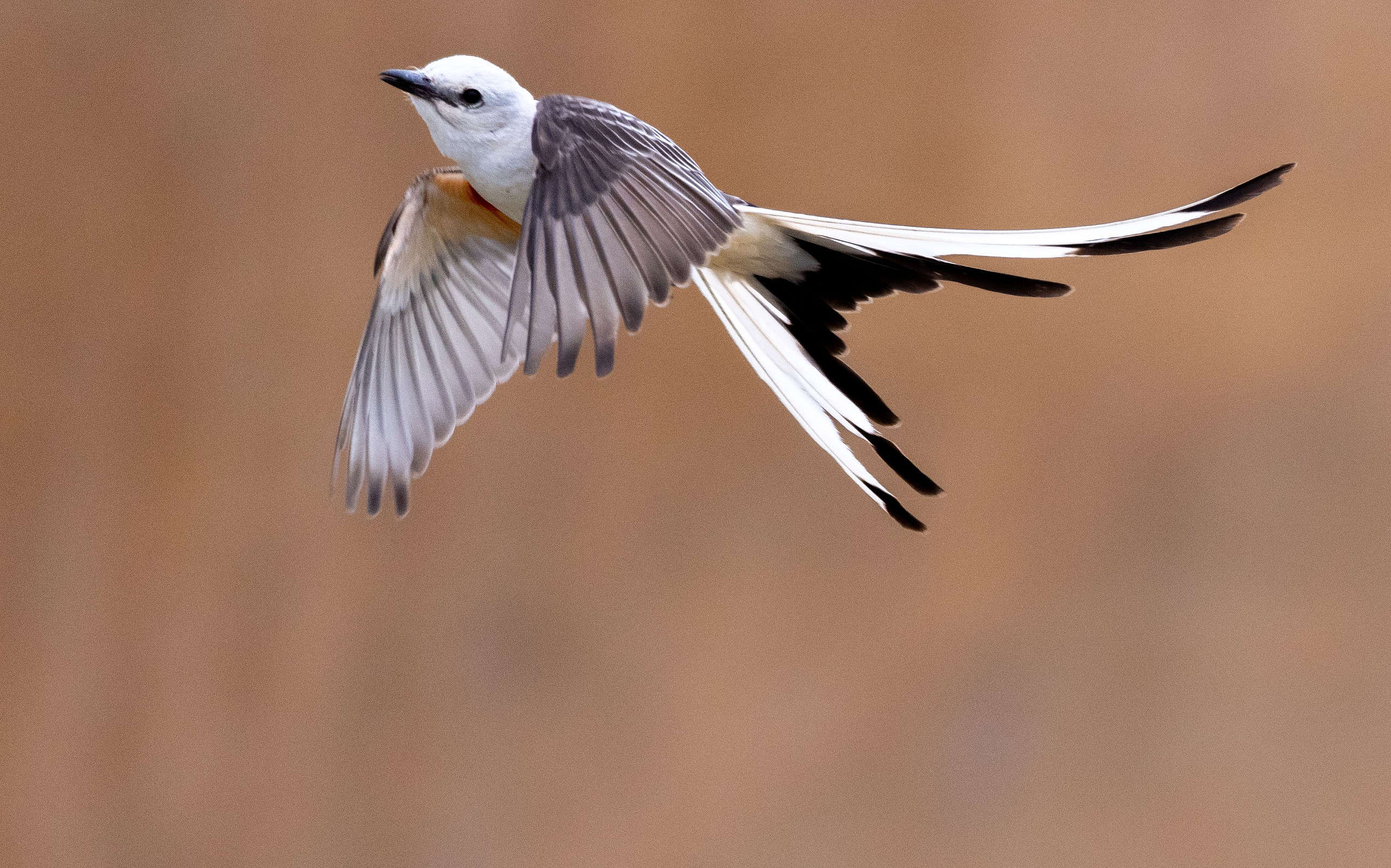
The Scissortail Flycatcher (Tyrannus forficatus) is a striking bird, immediately recognizable by its elegant appearance and acrobatic flight. Its most distinguishing feature, from which it derives its name, is its remarkably long, deeply forked tail. In flight, this tail, which can be up to twice the length of the bird’s body, appears to “scissor” open and shut, creating a mesmerizing aerial display. The tail feathers are typically black on the outer edges and white in the center, adding to the visual drama.
Beyond its remarkable tail, the Scissortail Flycatcher boasts a vibrant plumage. Its back and wings are a dusky gray, contrasting with a creamy white breast and belly. The crown of its head often displays a delicate rosy or pinkish hue, especially pronounced during the breeding season, adding another splash of color. Its bill is relatively short and broad, an adaptation for its aerial insectivorous diet, and its eyes are dark and keen, reflecting its predatory prowess.
Physical Characteristics and Adaptations
The physical attributes of the Scissortail Flycatcher are finely tuned to its lifestyle. The long, deeply forked tail is not merely decorative; it plays a crucial role in its aerial agility, allowing for rapid turns and dives as it pursues flying insects. This aerodynamic advantage is essential for its hunting strategy. Its broad, flattened bill is perfect for snatching insects out of the air, a technique known as “sallying.” The bird typically perches on prominent locations such as fence posts, utility wires, or scattered trees, patiently waiting for an insect to fly within striking distance. Once a target is spotted, it launches into a swift, darting pursuit.
Diet and Foraging Behavior
As an insectivore, the Scissortail Flycatcher plays a vital role in controlling insect populations. Its diet primarily consists of grasshoppers, crickets, beetles, moths, and other flying insects. During the warmer months, it is a common sight to see these birds actively foraging over open grasslands, pastures, and agricultural fields. Their hunting flights are often characterized by quick, sharp turns and impressive aerial maneuvers. While primarily insectivorous, they may occasionally consume small fruits or berries, particularly during the fall migration. The efficiency and ubiquity of their foraging behavior contribute significantly to the ecological balance of Oklahoma’s natural environments.
Breeding and Nesting Habits
The breeding season for the Scissortail Flycatcher typically spans from spring to late summer. During this period, males engage in elaborate courtship displays, involving aerial acrobatics and vocalizations to attract females. Once a pair bond is formed, they construct a nest, often in shrubs, trees, or even on man-made structures like outbuildings or under bridges. The nest is a sturdy cup-shaped structure, meticulously built from twigs, grasses, and other plant materials, often lined with softer materials such as feathers or animal hair. Females usually lay between three to seven eggs, which are incubated by both parents. Both male and female birds share the responsibility of feeding the hatchlings, continuing their diligent work in nurturing the next generation of these remarkable birds.
The Scissortail Flycatcher’s Habitat and Distribution
The Scissortail Flycatcher is a bird of open country, thriving in environments that provide ample perching opportunities and access to insect prey. Its preferred habitats are those characterized by grasslands, savannas, prairies, pastures, and open woodlands. These areas offer the necessary perches from which to hunt and open skies for aerial foraging.
Geographic Range and Migration Patterns
The Scissortail Flycatcher is primarily a bird of North America. Its breeding range extends across much of the central and southern United States, with Oklahoma being a central and vital part of this territory. They are also found in parts of southern Kansas, Texas, Arkansas, and Louisiana. As the seasons change, the Scissortail Flycatcher undertakes a significant migration. Following the breeding season, they travel south to wintering grounds in Mexico and Central America. Their return to Oklahoma in the spring is a sure sign of the changing seasons and the return of warmer weather, a welcome sight for many residents. This migratory pattern underscores their adaptability and the expansive ecological connections they maintain.
Importance in Oklahoma’s Ecosystem

Within Oklahoma, the Scissortail Flycatcher is more than just a beautiful bird; it is an integral component of the state’s natural heritage. Its role as an insectivore helps to regulate populations of various insects that could otherwise become pests. The presence of healthy Scissortail Flycatcher populations is often an indicator of a healthy grassland ecosystem, making them a valuable sentinel species for environmental conservation efforts. Their iconic presence also contributes to the aesthetic and cultural richness of the state, enhancing the experience of those who live in or visit Oklahoma.
Symbolism and Cultural Significance
The designation of the Scissortail Flycatcher as the official state bird of Oklahoma transcends mere ornithological classification; it imbues the bird with deep cultural and symbolic meaning. This honor reflects the bird’s striking beauty, its resilient spirit, and its intrinsic connection to the natural landscapes that define the Sooner State. The bird’s energetic flight and distinctive tail have captivated imaginations for generations, making it a beloved emblem.
The Bird’s Inspiring Features
The Scissortail Flycatcher’s captivating physical characteristics have long inspired admiration. Its extraordinary tail, described as “scissoring” through the air, is a testament to nature’s artistry and engineering. This visual spectacle, combined with the bird’s vibrant coloration and agile aerial maneuvers, makes it a symbol of grace, freedom, and vitality. The rosy blush on its crown, particularly noticeable during breeding displays, adds a touch of subtle beauty, representing the delicate yet resilient spirit of life. Its tireless pursuit of insects symbolizes industriousness and a commitment to its role within the ecosystem.
Adoption as the State Bird
On June 23, 1951, the Scissortail Flycatcher was officially declared the state bird of Oklahoma. This legislative act recognized the bird’s widespread presence and its cherished status among the state’s residents. The selection process often involves public input and aims to choose a species that is representative of the state’s natural environment and identity. The Scissortail Flycatcher, with its undeniable charm and prominent role in the state’s avian population, was a natural and fitting choice. This designation serves to raise awareness about conservation and to foster a sense of pride in Oklahoma’s unique natural heritage.
Scissortail Flycatchers in Art, Literature, and Local Lore
The Scissortail Flycatcher has found its way into various facets of Oklahoma’s cultural landscape. Artists often depict its graceful flight in paintings and sculptures, capturing its ephemeral beauty. Its distinctive appearance has also been incorporated into local crafts and decorative items, serving as a constant reminder of the state’s natural treasures. While not as frequently documented in extensive literary works as some other state symbols, its presence is felt in regional poetry, prose, and folklore, where it often symbolizes the untamed spirit of the plains and the joy of open spaces. Its visual impact is undeniable, making it a familiar and beloved figure in the state’s collective consciousness.
Experiencing the Scissortail Flycatcher in Oklahoma
For visitors and residents alike, encountering the Scissortail Flycatcher in its natural habitat is a rewarding experience. The state’s diverse landscapes offer numerous opportunities to observe this beautiful bird in action. Understanding where and when to look can significantly enhance the chances of a memorable sighting.
Prime Locations for Birdwatching
The Scissortail Flycatcher is a common sight throughout much of Oklahoma, particularly in the western and central regions characterized by open prairies and ranchland. Areas like the Tallgrass Prairie Preserve near Pawhuska offer expansive grasslands ideal for spotting these birds. State parks such as Lake Thunderbird State Park and Osage Hills State Park also provide suitable habitats. Driving along rural roads, especially those lined with fence posts and scattered trees, is often the best way to find them actively foraging. Look for them perched conspicuously, surveying their surroundings.
Best Times for Observation
The Scissortail Flycatcher is most active during the daylight hours. The spring and summer months, from April through August, are ideal for observing them as they are present for breeding and nesting. During these times, their territorial displays and aerial courtship dances are more pronounced. Early morning and late afternoon often offer the best viewing conditions, as the light is softer, and the birds are frequently foraging. During their migration, both spring arrivals and fall departures can provide opportunities for sightings in a wider range of locations as they pass through.

Conservation Efforts and Appreciation
The continued presence of the Scissortail Flycatcher in Oklahoma is a testament to ongoing conservation efforts. While generally not considered endangered, habitat loss and degradation can pose threats to their populations. Supporting organizations dedicated to grassland preservation and being mindful of bird-friendly practices in outdoor activities can help ensure their future. Observing these birds respectfully, without disturbing their natural behavior, is crucial. The Oklahoma Department of Wildlife Conservation plays a vital role in monitoring and protecting the state’s wildlife, including its beloved state bird. Appreciating the Scissortail Flycatcher means recognizing its ecological importance and cherishing its presence as a symbol of the wild beauty of Oklahoma.
LifeOutOfTheBox is a participant in the Amazon Services LLC Associates Program, an affiliate advertising program designed to provide a means for sites to earn advertising fees by advertising and linking to Amazon.com. Amazon, the Amazon logo, AmazonSupply, and the AmazonSupply logo are trademarks of Amazon.com, Inc. or its affiliates. As an Amazon Associate we earn affiliate commissions from qualifying purchases.