
As the vibrant hues of summer begin to soften and a crispness enters the air across Oklahoma, a subtle yet significant change occurs in its natural soundscape. The frantic, jewel-toned flashes and the distinct hum that has accompanied sunny days for months begin to dwindle. For avid birdwatchers and nature enthusiasts, this signals the imminent departure of one of the state’s most captivating aerial acrobats: the hummingbird. Understanding the timing of their migration is key to fully appreciating their fleeting presence and planning your own encounters with these remarkable creatures.
Understanding Hummingbird Migration Patterns
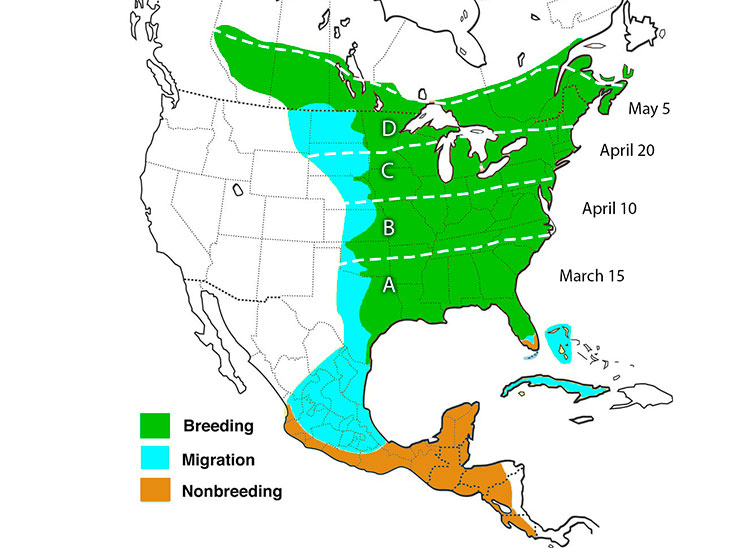
Hummingbirds are renowned for their incredible migratory journeys, traversing thousands of miles between their breeding grounds and wintering territories. Oklahoma, situated in the central United States, serves as a vital corridor and, for some species, a crucial breeding area. The state’s diverse habitats, from the rolling prairies of the west to the dense woodlands of the Ouachita Mountains, provide ample nectar sources and suitable nesting sites during the warmer months.

The departure of hummingbirds from Oklahoma is not a singular event but rather a gradual process dictated by several factors. Primarily, the shortening days and dropping temperatures act as the ultimate biological cues, signaling that it is time to move south to warmer climates where food sources remain abundant. The availability of nectar-rich flowers also plays a critical role. As native wildflowers and garden blooms begin to fade in late summer and early fall, hummingbirds will seek out areas that still offer a reliable buffet.
The Main Travelers: Ruby-throated Hummingbirds
The most common hummingbird species found in Oklahoma during the breeding season is the Ruby-throated Hummingbird (Archilochus colubris). These small, energetic birds arrive in early spring, typically in March, to breed. Their southward migration begins in earnest as summer wanes. While some individuals might linger into early October, the vast majority of Ruby-throated Hummingbirds will have departed by the end of September. This is because their wintering grounds are primarily in Mexico and Central America, requiring a significant journey.
Other Species and Their Timelines
While Ruby-throated Hummingbirds dominate the Oklahoma landscape, other species can occasionally be seen, particularly during migration periods. These may include species like the Rufous Hummingbird, which is a more western species but can sometimes pass through Oklahoma on its way to or from its wintering grounds in Mexico. The exact timing for these less common visitors can be more variable, but they generally follow similar migratory triggers related to daylight hours and food availability.
Timing Your Departure Observation
For those who wish to witness the tail end of the hummingbird season in Oklahoma, the window of opportunity narrows significantly in the latter half of September. Even into the first week of October, it’s possible to spot a few stragglers, especially if feeders are maintained with fresh nectar. However, these are often younger birds or those that may have been delayed for various reasons.
The peak departure period is generally considered to be between the last two weeks of September and the first week of October. By mid-October, the likelihood of seeing hummingbirds becomes quite slim. It’s important to remember that this is a general guideline, and year-to-year variations can occur based on weather patterns. A particularly warm autumn might extend their stay slightly, while an early cold snap can hasten their departure.
The Role of Food Availability
The availability of nectar is a powerful driver for hummingbird migration. As the summer bloom fades, many of the hummingbird’s favorite flowers, such as bee balm, cardinal flower, and salvias, will have completed their flowering cycle. Even if the weather remains mild, a lack of food will compel them to seek out more bountiful regions. This is why continuing to provide nectar in feeders can be beneficial, not only for observing the last of the season’s visitors but also for providing a crucial energy boost for those still preparing for their long flight.
Preparing for Their Absence
Observing hummingbirds is a rewarding experience, and their departure can leave a void for enthusiasts. However, their absence also signals the transition to a different phase of the year, with its own unique natural spectacles. Many people find solace in preparing their gardens for the fall and winter, planting bulbs that will bloom in the spring, thus ensuring a vibrant return for these feathered jewels.

Where to Observe Hummingbirds in Oklahoma
While this article focuses on their departure, understanding where to best observe them during their stay can provide context for their migration patterns. Several areas in Oklahoma are particularly known for hummingbird activity.
Natural Habitats
The Ouachita Mountains region in southeastern Oklahoma offers a rich tapestry of native flora that attracts hummingbirds. Areas with dense forests and open glades provide diverse nectar sources throughout the spring and summer. Similarly, the Tallgrass Prairie Preserve in northeastern Oklahoma, managed by The Nature Conservancy, supports a wide array of wildflowers that are magnets for these tiny birds. State parks such as Beavers Bend State Park and Robbers Cave State Park are also excellent locations for spotting hummingbirds amidst their natural surroundings.
Urban Oases
Beyond natural preserves, many urban and suburban gardens across Oklahoma become vibrant hummingbird havens, especially when feeders are strategically placed and hummingbird-friendly plants are incorporated. Cities like Tulsa and Oklahoma City have numerous parks and residential areas where diligent observation can yield rewarding sightings. The key is to plant flowers that bloom sequentially throughout the season, providing a continuous food source. Popular choices include salvia, petunias, impatiens, and honeysuckle.
Encouraging Hummingbirds and Facilitating Their Journey
For those who enjoy the presence of hummingbirds, there are several ways to support them during their stay and aid their migratory journey. This is particularly relevant as their departure date approaches.
Feeding Strategies
The most common method of attracting hummingbirds is through nectar feeders. A simple solution of four parts water to one part granulated white sugar is ideal. It is crucial to avoid red dyes, honey, or artificial sweeteners, as these can be harmful to hummingbirds. Feeders should be cleaned regularly to prevent the growth of mold and bacteria, which can sicken the birds. As the season winds down, some people opt to continue feeding into October. While this can attract late migrants, it’s also important to consider the overall ecosystem. Once the majority of hummingbirds have migrated, you can begin to slowly reduce feeding, or clean and store feeders until spring.
Creating a Hummingbird-Friendly Landscape
Planting native flowers is the most sustainable way to support hummingbirds. These plants provide not only nectar but also insects, which are a vital source of protein, and suitable places for nesting and perching. In Oklahoma, consider planting:
- Cardinal Flower (Lobelia cardinalis): Its brilliant red blooms are a hummingbird favorite.
- Bee Balm (Monarda spp.): Offers a profusion of tubular flowers that attract hummingbirds.
- Salvia (Salvia spp.): Many varieties, especially red and purple ones, are highly attractive.
- Columbine (Aquilegia spp.): Delicate flowers that provide a sweet nectar reward.
- Trumpet Vine (Campsis radicans): A vigorous climber with large, trumpet-shaped flowers.
By diversifying your garden with a variety of native plants that bloom at different times, you can ensure a steady food supply from spring through fall, supporting hummingbirds during their entire stay and providing a vital refueling station as they prepare for their immense migratory undertaking.
The End of an Era, The Promise of Return
The departure of hummingbirds from Oklahoma marks a poignant yet natural transition in the state’s seasonal rhythm. By understanding their migration patterns and the factors that influence their timing, nature lovers can better appreciate these fleeting visitors. Whether you are observing them in the wild heart of the Ouachita Mountains or in your own backyard, the sight of these energetic gems is a precious experience. As the last hum fades and the tiny wings beat their way south, we are left with the anticipation of their vibrant return, a testament to the enduring cycles of nature. Planning your garden and maintaining feeders thoughtfully can ensure that Oklahoma remains a welcoming haven for these extraordinary creatures year after year.
LifeOutOfTheBox is a participant in the Amazon Services LLC Associates Program, an affiliate advertising program designed to provide a means for sites to earn advertising fees by advertising and linking to Amazon.com. Amazon, the Amazon logo, AmazonSupply, and the AmazonSupply logo are trademarks of Amazon.com, Inc. or its affiliates. As an Amazon Associate we earn affiliate commissions from qualifying purchases.