
Oklahoma, a state celebrated for its diverse agricultural heritage and distinct four-season climate, presents unique opportunities for both seasoned and novice gardeners. Among the most rewarding crops to cultivate is the humble onion. While seemingly straightforward, understanding the optimal planting times for onions in Oklahoma is crucial for a bountiful harvest. This guide delves into the intricacies of onion planting across the Sooner State, considering its varied microclimates and the specific needs of different onion varieties.
Understanding Oklahoma’s Planting Seasons
Oklahoma’s climate is characterized by hot summers, cold winters, and unpredictable spring and fall weather. This variability directly impacts agricultural practices, including when to sow seeds or transplant sets. For onions, success hinges on planting them during periods that allow for proper root development before extreme temperatures set in. The state experiences distinct planting windows for cool-season crops like onions, with early spring and late fall being the most significant.

Spring Planting: The Primary Window
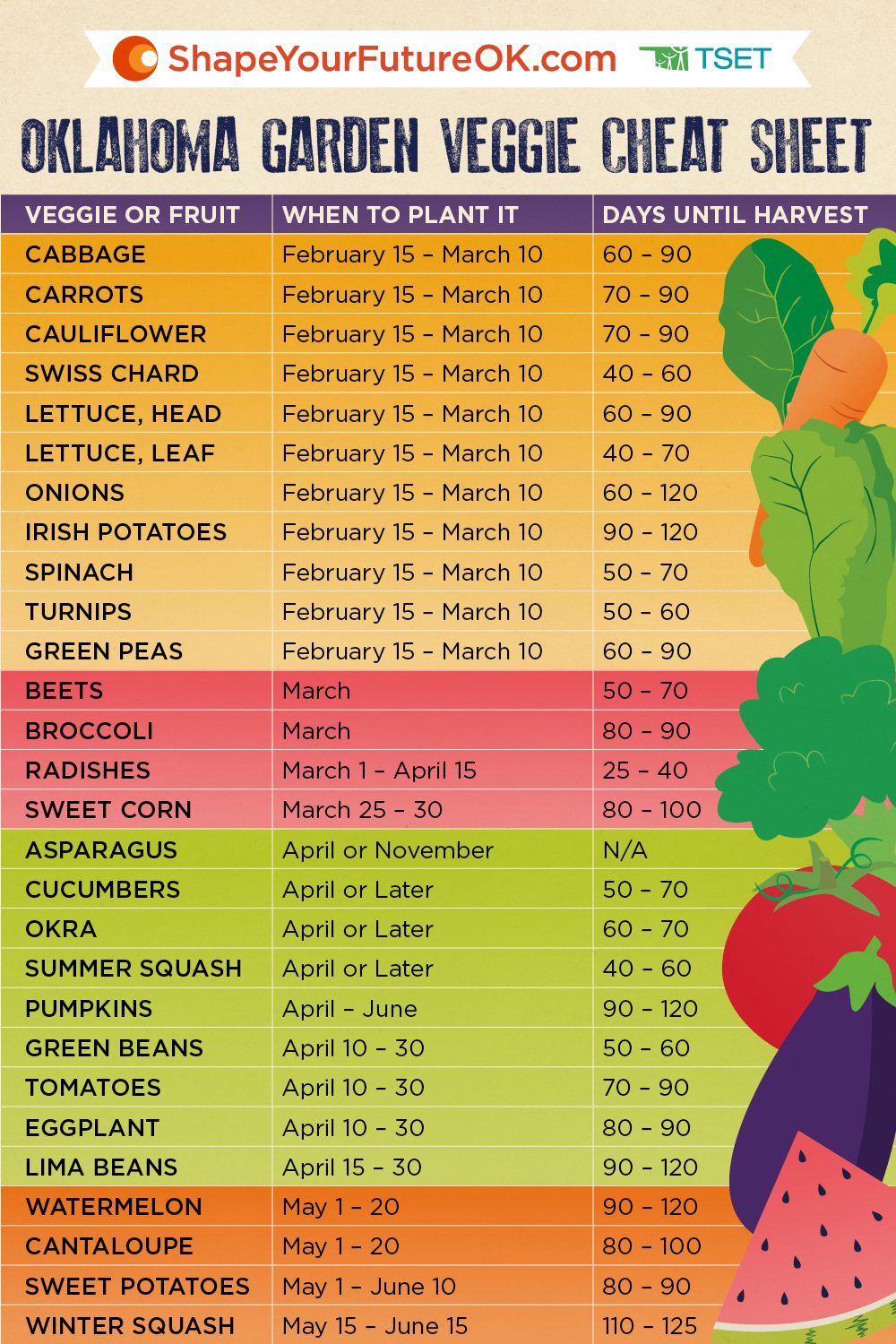
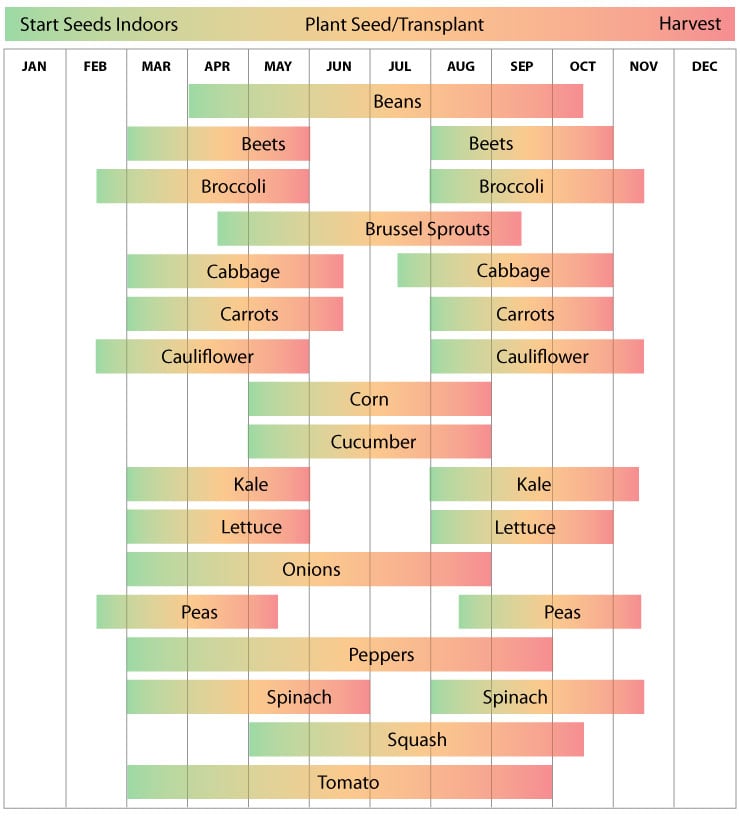
The most common and widely recommended time to plant onions in Oklahoma is in the early spring. This period typically falls between late February and early April. The goal is to get the onions established before the intense heat of summer arrives, allowing them to mature and bulb effectively.
Factors Influencing Spring Planting Timing:
- Soil Temperature: Onions prefer cool soil to initiate root growth. While they can tolerate some frost, planting too early when the soil is still frozen or waterlogged can lead to rot or stunted growth. Aim for soil temperatures consistently above 40°F (4°C).
- Last Frost Date: While onions are somewhat frost-tolerant, transplanting them too early before the danger of a hard freeze has passed can damage young plants. Knowing your region’s average last frost date is essential. For much of Oklahoma, this occurs in mid-to-late March, but it can vary significantly from the Panhandle to the southeastern corners of the state.
- Variety of Onion: Different onion varieties have slightly different optimal planting times.
- Short-day onions are best suited for southern climates like Oklahoma and are typically planted in late winter or very early spring. These varieties require fewer hours of daylight to form bulbs and are often planted as sets or transplants.
- Intermediate-day onions can also perform well in Oklahoma, with planting often coinciding with the main spring window.
- Long-day onions are generally less successful in Oklahoma’s latitude and are better suited for northern regions. If attempting long-day varieties, earlier spring planting is usually preferred.
Planting Methods in Spring:
- Onion Sets: These are small, immature onion bulbs grown the previous season. They are the easiest and most common method for home gardeners. Sets can be planted directly into the ground as soon as the soil is workable in late February or early March.
- Transplants (Seedlings): Started indoors or purchased from nurseries, onion transplants offer a head start. They should be planted after the risk of a hard freeze has passed, typically in March. Ensure the roots are spread out when planting.
- Direct Seeding: Starting onions from seed directly in the garden is possible but requires more patience and a longer growing season. Seeds are typically sown in late fall for overwintering or very early spring for a later harvest. Success with direct seeding in spring is more likely in milder Oklahoma winters.
Fall Planting: An Overwintering Strategy
In many parts of Oklahoma, a successful strategy for growing onions involves fall planting, often referred to as overwintering. This method is particularly effective for short-day onion varieties, which are well-suited to the state’s climate.
When to Plant in Fall:
The ideal time to plant onion sets or transplants for overwintering in Oklahoma is from mid-September through November. The goal is to plant early enough for the onions to establish a good root system before the ground freezes but late enough that they do not begin significant top growth, which could be damaged by winter cold.
Benefits of Fall Planting:
- Early Harvest: Onions planted in the fall and overwintered can provide an earlier harvest in late spring or early summer, often before spring-planted onions are ready.
- Larger Bulbs: Overwintering can sometimes lead to larger bulb development.
- Reduced Pest and Disease Pressure: By getting a head start, fall-planted onions may avoid some of the pest and disease issues that can plague crops planted in warmer spring soils.
Considerations for Fall Planting:
- Variety Selection: As mentioned, short-day varieties are crucial for successful overwintering in Oklahoma.
- Mulching: Applying a layer of mulch (straw, shredded leaves) after planting can help protect the roots from extreme cold and prevent heaving of the bulbs due to freeze-thaw cycles.
- Drainage: Ensure the planting area has excellent drainage, as prolonged exposure to cold, wet soil can lead to rot. Raised beds can be beneficial.
- Mild Winters: Oklahoma’s winters can vary. While generally cold enough to slow growth, exceptionally mild winters might encourage some top growth, which can be susceptible to frost damage. Conversely, unusually harsh winters could damage overwintering onions.
Regional Variations within Oklahoma
Oklahoma is a large state with diverse climatic conditions, leading to slight variations in optimal planting times.
Northern Oklahoma (e.g., Enid, Ponca City)
This region experiences colder winters and a potentially later last frost date.
- Spring Planting: Generally, planting should lean towards the later end of the early spring window, from mid-March to early April. Direct seeding for overwintering might require careful timing to avoid excessive fall growth.
- Fall Planting: Mid-September to early October is often the prime window for planting sets or transplants for overwintering.
Central Oklahoma (e.g., Oklahoma City, Norman)
This area has a more moderate climate with a generally earlier last frost date.
- Spring Planting: The window opens a bit earlier, from late February through late March.
- Fall Planting: Planting for overwintering can extend slightly later, into mid-October.
Southern Oklahoma (e.g., Lawton, Ardmore)
This region benefits from warmer temperatures and an earlier last frost date.
- Spring Planting: Planting can begin as early as mid-February and extend through mid-March.
- Fall Planting: The overwintering window is more flexible, with planting possible from mid-September through early November.
Eastern Oklahoma (e.g., Tulsa, Muskogee)
Eastern Oklahoma often receives more rainfall and has varied soil types.
- Spring Planting: Similar to Central Oklahoma, late February through late March is typical. Attention to soil drainage is particularly important here.
- Fall Planting: Overwintering planting is best done from mid-September to mid-October.
Tips for Successful Onion Planting in Oklahoma
Beyond timing, several other factors contribute to a successful onion harvest in Oklahoma.
Soil Preparation: The Foundation of Growth
Onions thrive in well-drained, fertile soil rich in organic matter.
- pH Level: Onions prefer a slightly acidic to neutral soil pH, ideally between 6.0 and 7.0. A soil test can determine your pH and nutrient levels.
- Amendments: Incorporate compost or well-rotted manure into the soil before planting to improve fertility and drainage.
- Fertilization: Onions are heavy feeders. Before planting, incorporate a balanced fertilizer. Side-dress with nitrogen-rich fertilizer during the growing season, especially as bulbing begins, but avoid excessive nitrogen late in the season, which can hinder bulb formation.
Watering and Drainage: A Delicate Balance
Proper watering is critical, especially during the bulbing stage.
- Consistency: Maintain consistent moisture, particularly in the spring and early summer. Aim for about 1 inch of water per week, either from rainfall or irrigation.
- Reduce Watering: As onions approach maturity and the tops begin to yellow and fall over, gradually reduce watering to allow the bulbs to cure and prevent rot.
- Drainage: As emphasized for fall planting, excellent drainage is non-negotiable. Onions are susceptible to root and bulb rot in waterlogged conditions.
Weed Control: Competition is the Enemy
Weeds compete for nutrients, water, and sunlight, significantly impacting onion yield and bulb size.
- Early and Frequent Weeding: Keep the onion patch free of weeds, especially when the plants are young.
- Mulching: A layer of mulch can help suppress weeds while retaining soil moisture and moderating soil temperature.
Variety Selection for Oklahoma
Choosing the right onion variety is paramount for success in Oklahoma’s climate.
- Short-Day Varieties: These are the most reliable for Oklahoma. They require 10-12 hours of daylight to form bulbs and are ideal for both spring and fall planting. Examples include ‘Texas 1015Y’, ‘Yellow Spanish’, and many Creole types.
- Intermediate-Day Varieties: These might also perform well, requiring 12-14 hours of daylight. They can be a good option for spring planting.
- Long-Day Varieties: Generally not recommended for Oklahoma, as they require 14-16 hours of daylight, which the state’s latitude doesn’t consistently provide for optimal bulbing.
Harvesting and Curing
Knowing when to harvest and how to cure your onions properly is the final step to ensuring a long storage life.
- Harvesting: Onions are typically ready for harvest when the tops begin to yellow and fall over. Gently loosen the soil around the bulbs and pull them by hand or with a garden fork.
- Curing: After harvesting, allow the onions to dry in a warm, dry, well-ventilated area for 1-2 weeks. Do not cure them in direct sunlight. The necks should be completely dry and the outer skins papery. Once cured, trim the roots and tops, leaving about an inch of the neck. Store cured onions in a cool, dry, dark place with good air circulation.
By understanding Oklahoma’s unique climate, selecting appropriate varieties, and adhering to best practices for soil preparation, watering, and weed control, gardeners can look forward to a rewarding onion harvest. Whether opting for a direct spring planting or the strategic overwintering of fall-sown bulbs, timing remains the cornerstone of successful onion cultivation in the Sooner State.
LifeOutOfTheBox is a participant in the Amazon Services LLC Associates Program, an affiliate advertising program designed to provide a means for sites to earn advertising fees by advertising and linking to Amazon.com. Amazon, the Amazon logo, AmazonSupply, and the AmazonSupply logo are trademarks of Amazon.com, Inc. or its affiliates. As an Amazon Associate we earn affiliate commissions from qualifying purchases.