
Oklahoma’s climate, with its distinct seasons and sometimes unpredictable weather patterns, presents a unique set of considerations for home gardeners and agricultural enthusiasts alike. Among the most anticipated crops of the autumn season are pumpkins, iconic symbols of fall harvest festivals and Halloween traditions. For those cultivating these impressive gourds in the Sooner State, timing is everything. Understanding the optimal planting window is crucial for ensuring a bountiful crop that matures in time for carving or baking. This guide delves into the specifics of when to plant pumpkins in Oklahoma, taking into account regional variations and the plant’s life cycle.
Understanding Pumpkin Growth Cycles
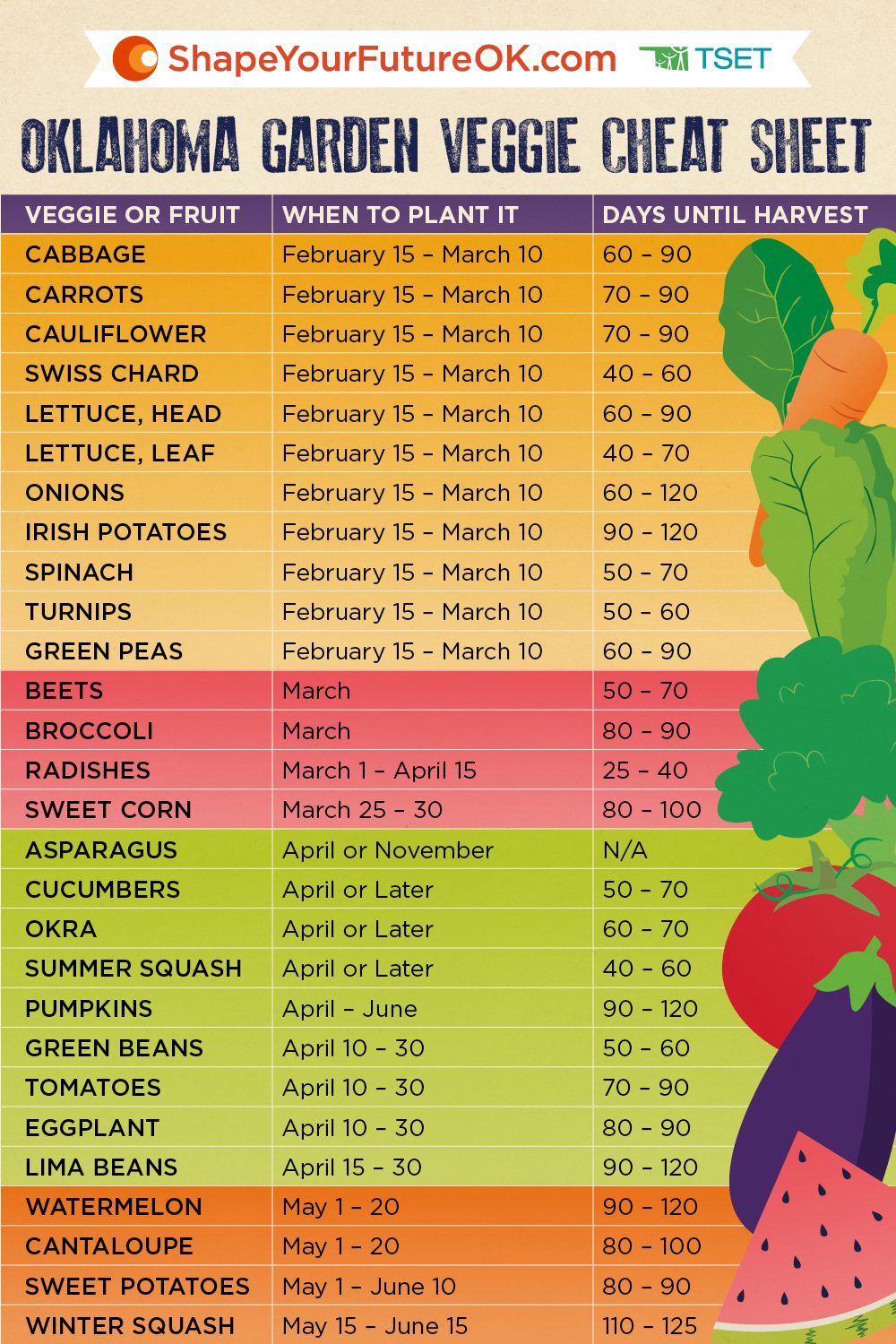
Pumpkins, botanically classified as a type of squash within the Cucurbita pepo species, are warm-season annuals. They require a long growing season, typically between 90 and 120 days, to reach full maturity. This duration is a critical factor when determining the ideal planting time, especially in a state like Oklahoma that experiences significant temperature fluctuations.
Seed Germination and Early Development
Pumpkin seeds germinate best in warm soil, with optimal temperatures ranging from 70°F to 95°F (21°C to 35°C). They are highly sensitive to frost, both during germination and throughout their growth. A late spring frost can severely damage or kill young seedlings, setting back the entire growing season. Conversely, planting too late in the season might not allow enough time for the pumpkins to mature before the first autumn frost arrives.
Fruiting and Maturation
Once established, pumpkin vines grow rapidly, producing large leaves that help shade the soil and retain moisture. The plants will eventually produce male and female flowers. Pollination is essential for fruit development. After successful pollination, small pumpkins begin to form and will continue to grow throughout the summer and early autumn. The skin of a mature pumpkin will be firm and difficult to puncture with a fingernail, and its color will deepen to its characteristic hue. The vine may begin to dry out as the fruit ripens.
Oklahoma’s Climate Considerations
Oklahoma is known for its diverse climate zones, ranging from the more temperate eastern regions to the drier western panhandle. This geographic variability influences planting schedules. Generally, the state experiences hot summers and cold winters, with a critical period for warm-season crops occurring between the last spring frost and the first fall frost.
Last Spring Frost Dates
The most critical determinant for planting pumpkins outdoors in Oklahoma is the average date of the last spring frost. For much of the state, this typically falls between mid-March and late April. However, it’s advisable to consult local agricultural extension offices or reputable gardening resources for the precise last frost date in your specific region. Planting before the danger of frost has completely passed is a gamble that rarely pays off. Waiting a week or two after the average last frost date provides an added layer of security.
Soil Temperature
Even after the threat of frost has diminished, soil temperature remains a vital factor. Pumpkin seeds and young plants need consistently warm soil to thrive. Ideal soil temperatures for planting pumpkin seeds directly outdoors are at least 65°F (18°C), and ideally closer to 70°F (21°C). Cold, wet soil can lead to seed rot and stunted growth. Gardeners can use a soil thermometer to check temperatures before sowing seeds.
First Fall Frost Dates
The flip side of the planting calendar is the first fall frost. For Oklahoma, this typically occurs between mid-October and early November, depending on the region. Pumpkin varieties have different maturity dates, so it’s essential to select a variety that will ripen within the available frost-free days. For example, smaller, faster-maturing varieties might be planted later than larger, long-season types. A general rule of thumb is to plant pumpkin seeds outdoors about 100 to 120 days before your average first fall frost date.
Optimal Planting Windows by Region
While a general guideline exists, the vastness of Oklahoma necessitates a more nuanced approach to planting times.
Eastern Oklahoma
Eastern Oklahoma, including areas around Tulsa and Muskogee, generally experiences earlier last spring frosts and later first fall frosts compared to the western parts of the state. This extended warm season allows for a slightly earlier planting window.
- Direct Sowing: In this region, direct sowing pumpkin seeds outdoors can typically begin in early to mid-April, once the soil has warmed sufficiently and the danger of frost has passed.
- Starting Indoors: For an earlier start, seeds can be started indoors about 3-4 weeks before the last expected frost. Transplant seedlings outdoors carefully after the last frost.
Central Oklahoma
Central Oklahoma, encompassing areas like Oklahoma City and Norman, falls into a transitional zone. The planting window here is slightly later than in the east.
- Direct Sowing: Mid-April to early May is generally the safest period for direct sowing pumpkin seeds outdoors.
- Starting Indoors: Similar to the east, indoor starting is an option, with transplanting occurring in late April or early May.
Western Oklahoma
Western Oklahoma, characterized by a drier climate and more extreme temperature swings, often has a later last spring frost and an earlier first fall frost.
- Direct Sowing: Planting directly into the ground is best delayed until late April or early May, once the soil is reliably warm and all frost risk has subsided.
- Starting Indoors: Indoor seed starting offers a distinct advantage for western gardeners, allowing seedlings to be transplanted in early May, maximizing the available growing period.
Strategies for Successful Pumpkin Cultivation
Beyond simply selecting the right planting date, several practices can enhance the success of your pumpkin harvest in Oklahoma.
Soil Preparation
Pumpkins are heavy feeders and require fertile, well-drained soil. Incorporating generous amounts of compost or well-rotted manure into the planting area a few weeks before sowing seeds is highly beneficial. Raised beds can improve drainage, which is particularly useful in areas prone to heavy rainfall. The ideal soil pH for pumpkins is between 6.0 and 6.8.
Variety Selection
Choosing the right pumpkin variety is paramount for success in Oklahoma. Consider the “days to maturity” listed on seed packets and match it to your region’s frost-free growing season.
- Early Maturing Varieties (75-90 days): ‘Early Giant’, ‘Spooktacular’, ‘Small Sugar’ are good options if you are in western Oklahoma or prefer a quicker harvest.
- Mid-Season Varieties (90-100 days): ‘Jack-o’-Lantern’, ‘Big Max’ are popular choices that offer a good balance of size and maturity time.
- Late Maturing Varieties (100-120+ days): ‘Atlantic Giant’ and other exceptionally large varieties require the longest growing season and are best suited for eastern and central Oklahoma with careful planning.
Watering and Mulching
Consistent moisture is critical, especially during the flowering and fruiting stages. Water deeply and regularly, aiming for about 1-2 inches of water per week, more during hot spells. Applying a thick layer of organic mulch (straw, shredded leaves, or compost) around the base of the plants helps retain soil moisture, suppress weeds, and keep the developing pumpkins clean and off the bare soil.

Pest and Disease Management
Pumpkins can be susceptible to pests like squash bugs and vine borers, and diseases like powdery mildew. Regular monitoring of plants is essential. Companion planting, crop rotation, and using organic pest control methods can help mitigate these issues. Ensuring good air circulation by spacing plants appropriately also reduces the risk of fungal diseases.
By adhering to these guidelines and observing your local conditions, you can significantly increase your chances of a spectacular pumpkin harvest in Oklahoma, ensuring a festive and flavorful autumn.
LifeOutOfTheBox is a participant in the Amazon Services LLC Associates Program, an affiliate advertising program designed to provide a means for sites to earn advertising fees by advertising and linking to Amazon.com. Amazon, the Amazon logo, AmazonSupply, and the AmazonSupply logo are trademarks of Amazon.com, Inc. or its affiliates. As an Amazon Associate we earn affiliate commissions from qualifying purchases.