
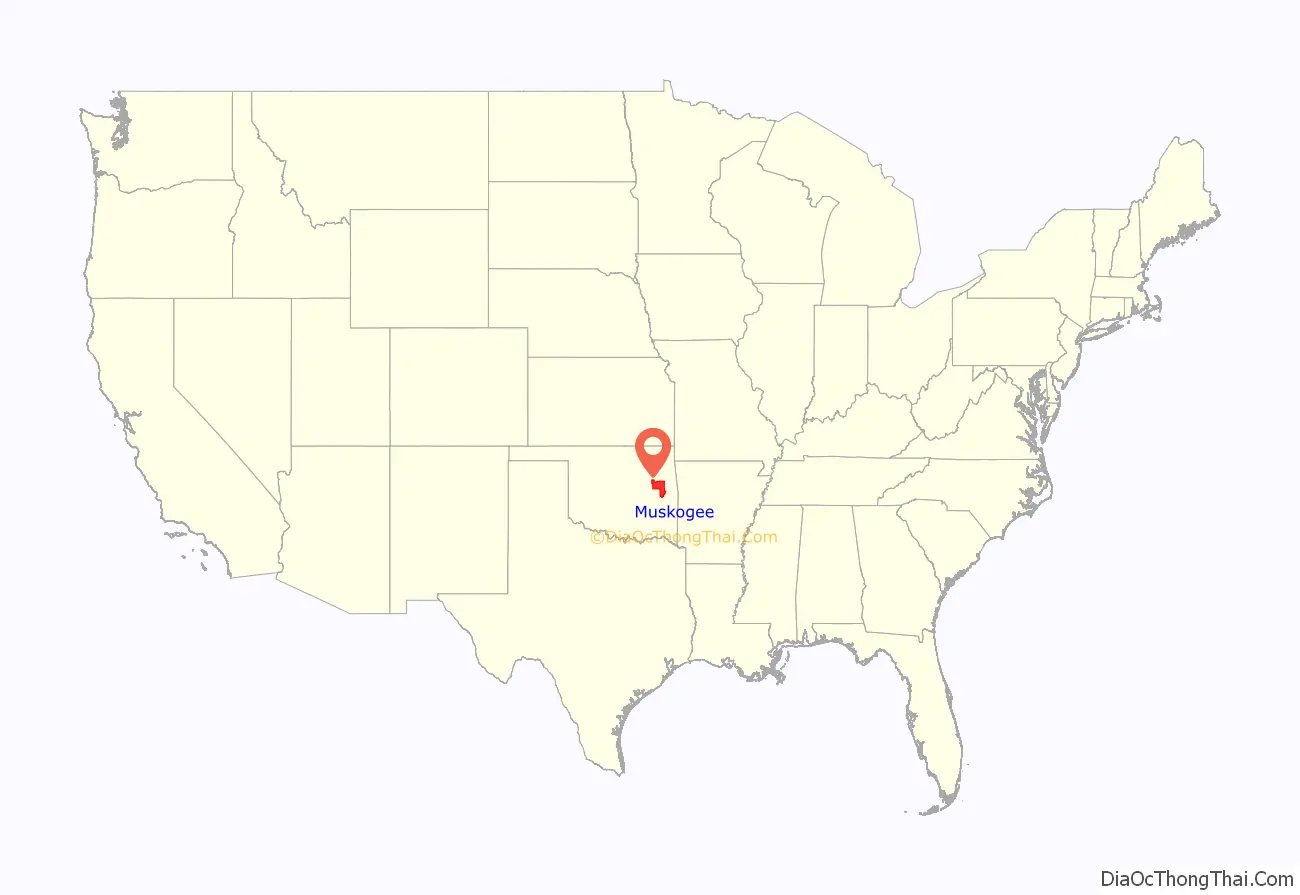
Muskogee, Oklahoma, a city rich in history and nestled in the heart of the American heartland, often sparks curiosity for those venturing through the Sooner State. Its name, derived from the Muscogee Creek Nation, hints at a deep connection to Indigenous heritage, a theme that resonates throughout its narrative. Located in Eastern Oklahoma, approximately 45 miles south of Tulsa and 120 miles east of Oklahoma City, Muskogee serves as a vital hub for commerce, culture, and exploration within the region. This guide delves into the geographical and cultural landscape of Muskogee, unveiling its significance and the attractions that make it a worthwhile destination.

Geographical Positioning and Regional Significance
Muskogee’s location is a key factor in its historical development and its current role in Oklahoma. Situated at the confluence of the Arkansas River and the Illinois River, the city has long benefited from its proximity to vital waterways. This strategic placement historically facilitated trade and transportation, contributing to its growth as a significant settlement in the late 19th and early 20th centuries. Today, the city is a central point within the Muskogee Metropolitan Statistical Area, serving as an economic and cultural anchor for surrounding communities.
Transportation Networks
The accessibility of Muskogee is enhanced by a robust network of transportation routes. U.S. Highway 69 runs directly through the city, connecting it to major north-south arteries across the state. State Highway 164 also provides crucial east-west access. For those traveling by air, the Davis Field Airport (MKO) offers general aviation services, while the larger international airports in Tulsa and Oklahoma City are within a reasonable driving distance for commercial flights. This well-connected infrastructure makes Muskogee an approachable destination for both regional and national visitors.
Natural Surroundings
The landscape around Muskogee is characterized by rolling hills, fertile river valleys, and a verdant natural beauty that defines much of Eastern Oklahoma. The presence of numerous lakes and rivers in the vicinity, including the nearby Fort Gibson Lake, offers abundant opportunities for outdoor recreation, such as boating, fishing, and hiking. This scenic environment contributes to the quality of life for residents and provides appealing natural attractions for visitors.
Historical Roots and Cultural Identity
The identity of Muskogee is deeply intertwined with its historical significance, particularly its role in the development of Oklahoma as a state and its enduring connection to Native American tribes. The city’s very name is a testament to this heritage, referencing the Muscogee (Creek) people who played a pivotal role in the region’s history.
Indigenous Heritage
Muskogee was established during the Indian Removal era, becoming a center for the Muscogee (Creek) Nation. The city served as the capital of the Creek Nation for a period, and its historical narrative is inseparable from the resilience and cultural contributions of the Indigenous peoples who call this land home. This heritage is celebrated and preserved through various institutions and events, offering visitors a profound glimpse into the rich tapestry of Native American history and culture.
Development as a Key Settlement
Following the Land Run of 1889 and the subsequent statehood of Oklahoma in 1907, Muskogee rapidly grew as a commercial and industrial center. Its strategic location, coupled with agricultural development and the discovery of natural resources, propelled its expansion. The city became known for its robust economy, including significant railroad activity and a thriving port on the Muskogee (McClellan-Kerr) Navigation System, a vital component of the Arkansan River waterway.
Key Attractions and Experiences
Muskogee offers a diverse array of attractions that cater to history enthusiasts, nature lovers, and families alike. The city’s commitment to preserving its past while embracing its present provides a compelling visitor experience.
Exploration of Historical Sites
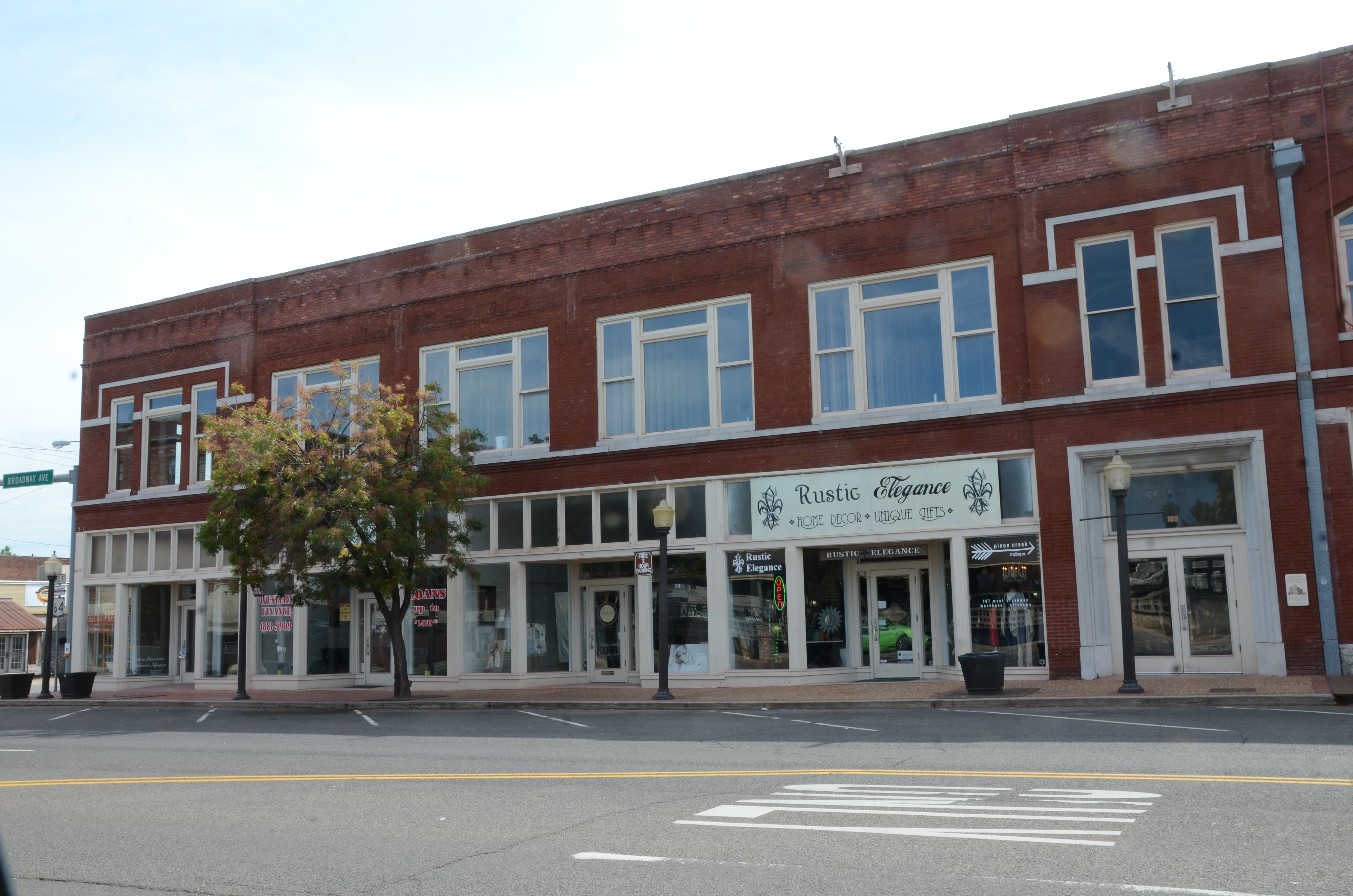
- Five Civilized Tribes Museum: This premier institution stands as a cornerstone for understanding the history, culture, and traditions of the Cherokee, Chickasaw, Choctaw, Creek, and Seminole Nations. Housed in the historic Agency House, the museum offers extensive exhibits, artifacts, and educational programs that shed light on the complex and enduring legacy of these tribes.
-
Oklahoma Music Hall of Fame: Celebrating the rich musical heritage of Oklahoma, this hall of fame pays tribute to the artists, songwriters, and musicians who have made significant contributions to various genres of music. Interactive exhibits and memorabilia provide an engaging journey through the state’s musical landscape.
-
National Tsa-La-Gi Apiary: This unique site offers a fascinating look into the beekeeping traditions of the Cherokee people. Visitors can learn about the importance of bees in agriculture and culture, and perhaps even sample some local honey.
Outdoor Recreation and Natural Wonders
-
Fort Gibson Lake: A short drive from Muskogee, this expansive reservoir is a paradise for outdoor enthusiasts. Popular activities include camping, swimming, fishing for bass and crappie, and boating. Several parks and recreational areas surround the lake, offering picnic spots and hiking trails with scenic views.
-
Honor Heights Park: This beautifully landscaped urban park is renowned for its vibrant display of flowers, particularly during the spring blooming season. It is home to the annual Renaissance Faire, which draws visitors from across the region. The park also features walking trails, playgrounds, and a charming lake, making it a perfect spot for a leisurely afternoon.
-
River Country Fun Park: For family fun, this amusement park offers a variety of rides, attractions, and entertainment options. It’s a great place for children to enjoy a day of excitement and laughter.
Experiencing Local Culture and Cuisine
Muskogee’s local culture is a delightful blend of its historical influences and its modern, friendly atmosphere. The community takes pride in its heritage, and this is often reflected in local events, festivals, and culinary offerings.
-
Dining: While specific restaurant recommendations are subject to change and personal taste, Muskogee offers a range of dining experiences, from casual diners serving classic American comfort food to establishments featuring regional specialties. Expect to find hearty meals, often influenced by the agricultural bounty of Oklahoma.
-
Community Events: Throughout the year, Muskogee hosts various community events, including farmers’ markets, holiday celebrations, and cultural festivals. Checking the local events calendar upon arrival can reveal opportunities to engage with the local community and experience its unique spirit.
Planning Your Visit
Understanding where Muskogee is located is the first step in planning a memorable visit. Its accessibility, combined with its rich history and abundant attractions, positions it as a compelling destination for those seeking an authentic Oklahoma experience.
Best Time to Visit
The ideal time to visit Muskogee largely depends on your interests. Spring (March to May) offers pleasant weather and the spectacular blooming of flowers at Honor Heights Park. Summer (June to August) is ideal for water activities at Fort Gibson Lake and other outdoor pursuits, though it can be hot. Autumn (September to November) provides cooler temperatures and beautiful fall foliage, making it perfect for exploring historical sites and enjoying outdoor adventures. Winter (December to February) is generally milder than in many parts of the United States, offering a quieter experience for those who prefer fewer crowds.
Accommodation Options
While Muskogee may not boast large luxury resorts, it offers a comfortable range of accommodation options to suit different budgets and preferences. Visitors can find well-maintained chain hotels offering standard amenities, as well as potentially local motels and bed-and-breakfast establishments that provide a more personalized touch. Proximity to attractions like the Five Civilized Tribes Museum and downtown Muskogee should be a consideration when choosing lodging. Booking in advance, especially during local event seasons or peak travel times, is always advisable.
Getting Around Muskogee
Once you arrive in Muskogee, having a vehicle is highly recommended for exploring the city and its surrounding attractions, especially for reaching natural areas like Fort Gibson Lake. While a small downtown area might be walkable, many key sites are spread out. Car rental services are typically available at major airports like Tulsa if you are flying in. Local taxi services or rideshare options may also be available within the city, though their availability and frequency might vary.
In essence, Muskogee, Oklahoma, is more than just a dot on the map. It is a destination steeped in a profound history, a vibrant cultural present, and a natural beauty that invites exploration. Its strategic location, coupled with its commitment to preserving its unique heritage, makes it a significant and enriching stop for any traveler journeying through the American Midwest.
LifeOutOfTheBox is a participant in the Amazon Services LLC Associates Program, an affiliate advertising program designed to provide a means for sites to earn advertising fees by advertising and linking to Amazon.com. Amazon, the Amazon logo, AmazonSupply, and the AmazonSupply logo are trademarks of Amazon.com, Inc. or its affiliates. As an Amazon Associate we earn affiliate commissions from qualifying purchases.