
The state of Oklahoma is a captivating destination nestled within the heartland of the United States. Often described as a crossroads of America, its geographical position imbues it with a unique blend of cultural influences and diverse landscapes. Understanding its location is the first step to unlocking the rich tapestry of experiences it offers to travelers, history enthusiasts, and those seeking an authentic glimpse into the American spirit.
Geographical Positioning and Borders
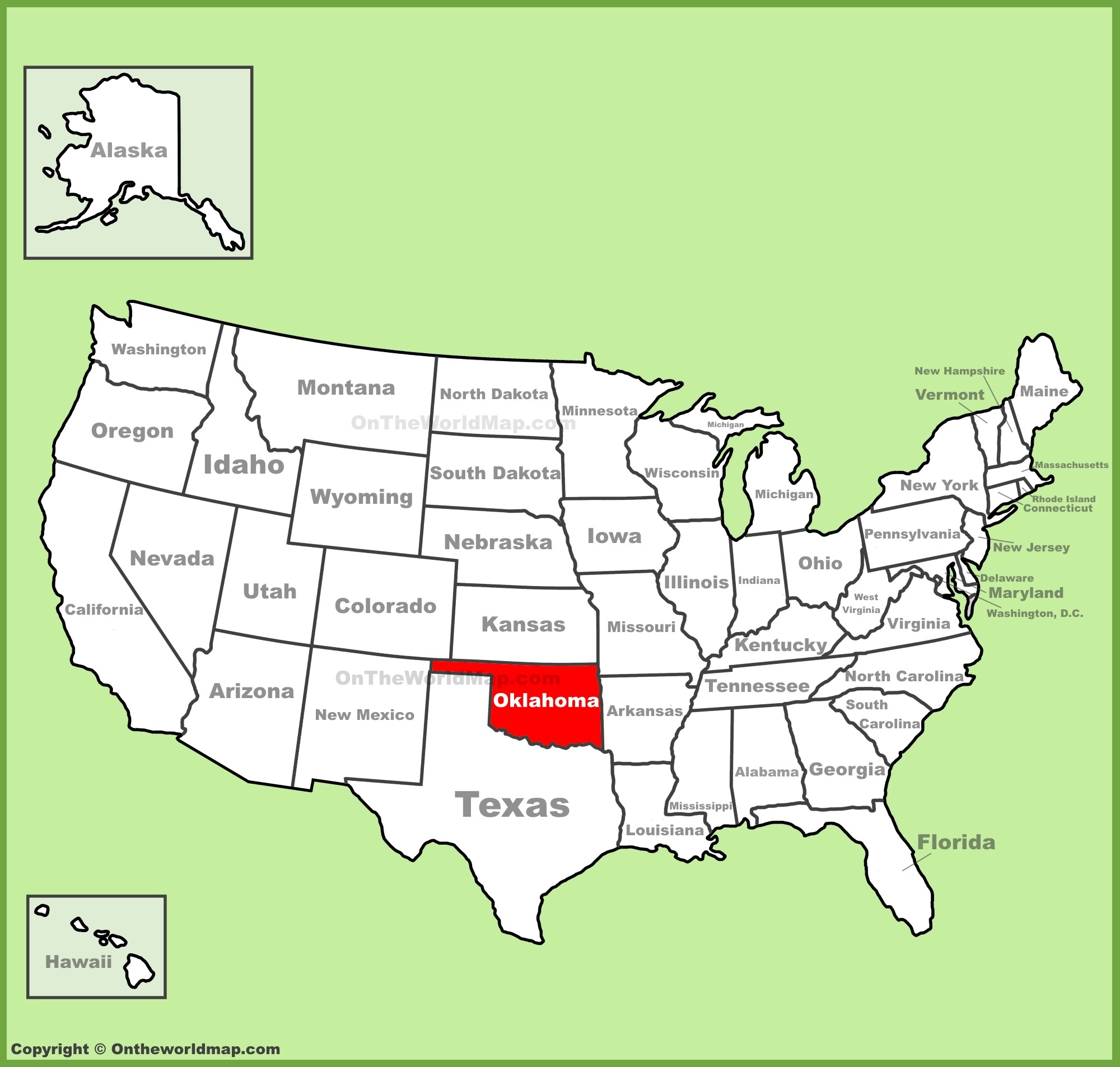
Oklahoma occupies a significant portion of the southwestern plains of the United States. It is strategically situated at the confluence of several major physiographic regions, including the Great Plains, the Ozark Mountains, and the Ouachita Mountains, contributing to its varied terrain. The state is bordered by six other states, each lending a distinct character to its surroundings and history.
Northern Neighbors
To the north, Oklahoma shares a border with Kansas. This shared boundary lies predominantly along the 37th parallel north latitude. The influence of the Great Plains is palpable in this region, characterized by rolling prairies and agricultural lands. Travelers entering Oklahoma from Kansas will notice a subtle shift in the landscape, often marked by the transition from the flatter expanses of Kansas to the more undulating topography that characterizes much of northern Oklahoma.
Eastern Frontiers
The eastern border of Oklahoma is defined by two states: Missouri to the northeast and Arkansas to the east. The border with Arkansas is particularly notable, largely following the course of the Red River for a considerable stretch before deviating. This eastern region is where the influence of the Ozark and Ouachita Mountains becomes more pronounced. Visitors will find denser forests, rolling hills, and a more humid climate compared to the western parts of the state. This area is rich in natural beauty, offering opportunities for hiking, fishing, and exploring the unique ecosystems found in these mountainous terrains.
Southern Reach
The southern boundary of Oklahoma is primarily with Texas. This extensive border is largely defined by the Red River, a significant geographical feature that has played a crucial role in the region’s history and development. The relationship between Oklahoma and Texas is a complex one, marked by shared cultural threads and historical connections, particularly concerning the cattle industry and early settlement patterns. This southern region often exhibits a semi-arid to arid climate, with landscapes that transition into the high plains.
Western Plains
To the west, Oklahoma shares its border with New Mexico. This western edge of the state lies in the high plains region, characterized by vast expanses of grasslands and a drier climate. The influence of the New Mexico desert landscape is felt here, with geological formations and vegetation that reflect this arid environment. This area is often associated with ranching and wide-open spaces, offering a stark contrast to the eastern mountainous regions. Finally, to the northwest, a small portion of Oklahoma’s border touches the southeastern corner of Colorado.
Key Cities and Regional Characteristics
The location of Oklahoma not only defines its borders but also influences the distribution and character of its major urban centers and the diverse regions within the state.
The Oklahoma City Metropolitan Area
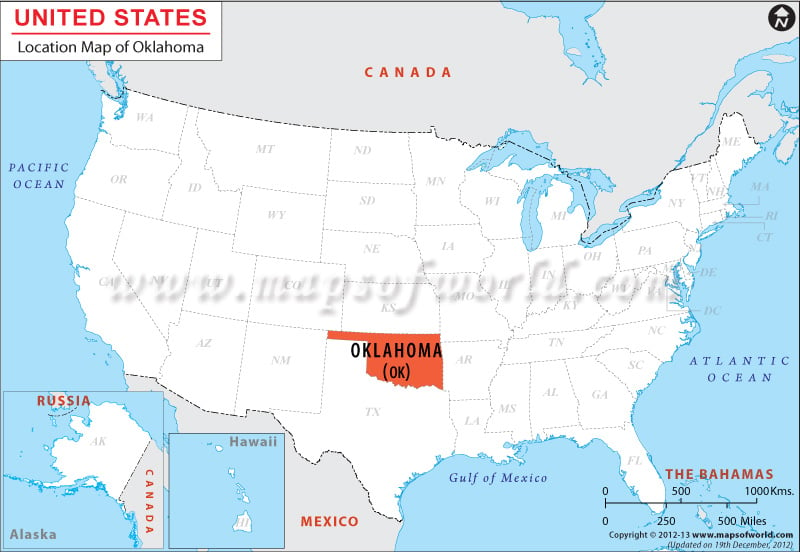
The capital and largest city, Oklahoma City, is centrally located in the state. Its position in the heart of Oklahoma makes it a hub for transportation, commerce, and culture. The metropolitan area, which includes suburbs like Edmond and Norman (home to the University of Oklahoma), benefits from its proximity to the agricultural heartland and its role as a nexus for energy industries. The landscape around Oklahoma City is predominantly prairie, with the North Canadian River flowing through its core.
Tulsa and the Green Country
In the northeastern part of the state, the city of Tulsa stands as the second-largest urban center. Often referred to as the “Green Country,” this region is characterized by its rolling hills, abundant forests, and lakes, a stark contrast to the western plains. Tulsa sits near the foothills of the Ozark Mountains and boasts a rich history tied to the oil industry and a vibrant arts and culture scene. Its location provides access to outdoor recreational opportunities and a distinct geographical identity within Oklahoma.
Southern Oklahoma and the Red River Valley
Southern Oklahoma, particularly the areas bordering Texas along the Red River, exhibits a more arid climate and a landscape shaped by ranching and agriculture. Cities like Lawton are situated in this region, close to natural attractions such as the Wichita Mountains National Wildlife Refuge. This area is also historically significant, with connections to Native American history and the legacy of the Chickasaw and Comanche Nations.
Western Oklahoma: The Panhandle and High Plains
The westernmost part of Oklahoma is dominated by the Panhandle, a narrow strip of land extending westward and bordering New Mexico, Colorado, and Kansas. This region is part of the High Plains and is characterized by vast, flat expanses, a semi-arid climate, and a strong agricultural and ranching heritage. Towns such as Guymon serve as regional centers in this sparsely populated but geologically rich area, known for its unique geological formations and connection to the windswept prairies.
A Crossroads of Culture and History
The geographical location of Oklahoma has profoundly shaped its history and cultural identity. Situated at the intersection of various geographical and cultural zones, it has historically served as a gateway and a meeting point for diverse peoples and traditions.
Native American Heritage
Oklahoma is often called the “Native American Capital of the Nation.” Its location in the path of westward expansion led to many Native American tribes being forcibly relocated to the territory. This historical reality has left an indelible mark on the state’s culture and landscape. Today, numerous federally recognized tribes call Oklahoma home, and their heritage is celebrated in museums, cultural centers, and throughout the state’s public life. The geographical distribution of these tribes often reflects historical settlement patterns dictated by the land and its resources.
The American Frontier and Settlement
The strategic location of Oklahoma also placed it at the heart of the American frontier. The famous Oklahoma Land Rushes, particularly the Land Run of 1889, dramatically illustrates the state’s role in westward expansion. Settlers poured into the territory, drawn by the promise of land, shaping the demographics and development of its towns and cities. This period cemented Oklahoma’s identity as a place of opportunity and resilience.
Economic Geography
The diverse geography of Oklahoma, from its oil-rich underground to its fertile plains and mountainous eastern regions, has dictated its economic development. The presence of significant oil and gas reserves has made it a key player in the energy sector, with major operations concentrated in areas like Tulsa. Agriculture remains vital, with wheat, cattle, and cotton being significant exports, particularly in the western and southern plains. The natural beauty of its eastern regions also supports a growing tourism industry, highlighting the economic impact of its varied landscapes.
In conclusion, understanding the location of Oklahoma is to understand its soul. It is a state defined by its borders, its diverse geographical features, and the rich history that has unfolded at this crossroads of America. From the rolling prairies of the west to the forested hills of the east, Oklahoma offers a unique and rewarding travel experience, deeply rooted in its geographical and historical context.
LifeOutOfTheBox is a participant in the Amazon Services LLC Associates Program, an affiliate advertising program designed to provide a means for sites to earn advertising fees by advertising and linking to Amazon.com. Amazon, the Amazon logo, AmazonSupply, and the AmazonSupply logo are trademarks of Amazon.com, Inc. or its affiliates. As an Amazon Associate we earn affiliate commissions from qualifying purchases.