
As the summer months approach, many Oregonians and visitors alike begin to anticipate the vibrant displays that often accompany celebrations. For those planning to host their own festivities or simply enjoy the spectacle, a crucial question arises: “Are fireworks legal in Oregon?” The answer, however, is not a simple yes or no. Oregon’s laws surrounding fireworks are complex, varying significantly by jurisdiction and the type of firework. Understanding these nuances is essential for safe and legal enjoyment, ensuring that your celebrations remain memorable for all the right reasons, without unintended legal repercussions. This guide will delve into the intricacies of Oregon’s fireworks regulations, providing clarity for residents and tourists looking to engage with this popular form of pyrotechnic amusement.
Understanding Oregon’s Fireworks Legislation
Oregon’s approach to fireworks is characterized by a tiered system, distinguishing between “dangerous fireworks” and “consumer fireworks.” This distinction is paramount, as it dictates what is permissible and what is strictly prohibited across the state.
Dangerous Fireworks vs. Consumer Fireworks
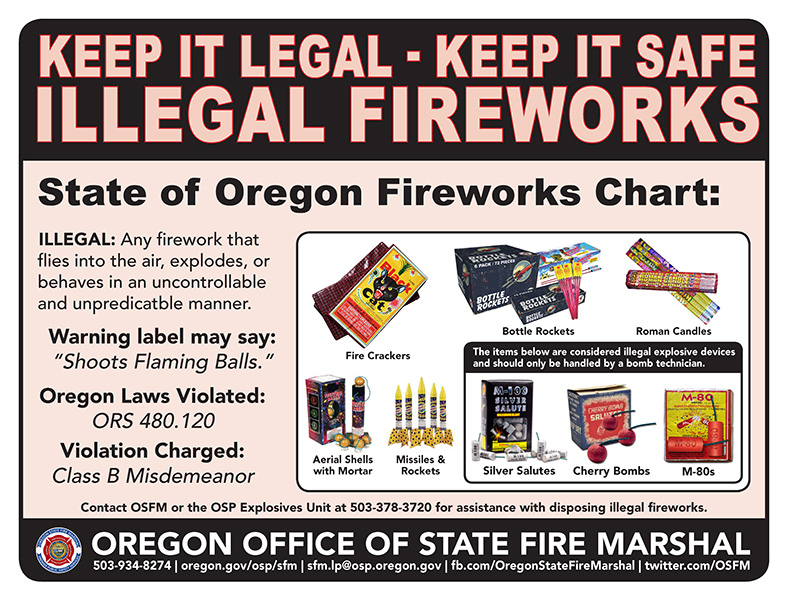
Dangerous fireworks are broadly defined as explosive fireworks designed to produce visible or audible effects through combustion, deflagration, or detonation. This category encompasses a wide array of pyrotechnic devices, including but not limited to:
- Aerial bombs: Devices that explode in the air.
- Artillery shells: Similar to aerial bombs, often launched from a mortar tube.
- Missiles: Fireworks that fly through the air.
- M-80s and cherry bombs: High-explosive devices not intended for consumer use.
- Firecrackers: Though some smaller varieties may be regulated differently, larger or more potent firecrackers fall under this designation.
- Roman candles that explode: Candles that produce a burst of sparks or flames.
- Shells and mortars: Kits designed to launch explosive projectiles.
- Jokes and snakes that explode: Devices that create a puff of smoke or a small explosion.
Possession, sale, and use of dangerous fireworks are illegal statewide in Oregon for individuals without a proper license or permit. This is a critical point for anyone considering purchasing or setting off fireworks.
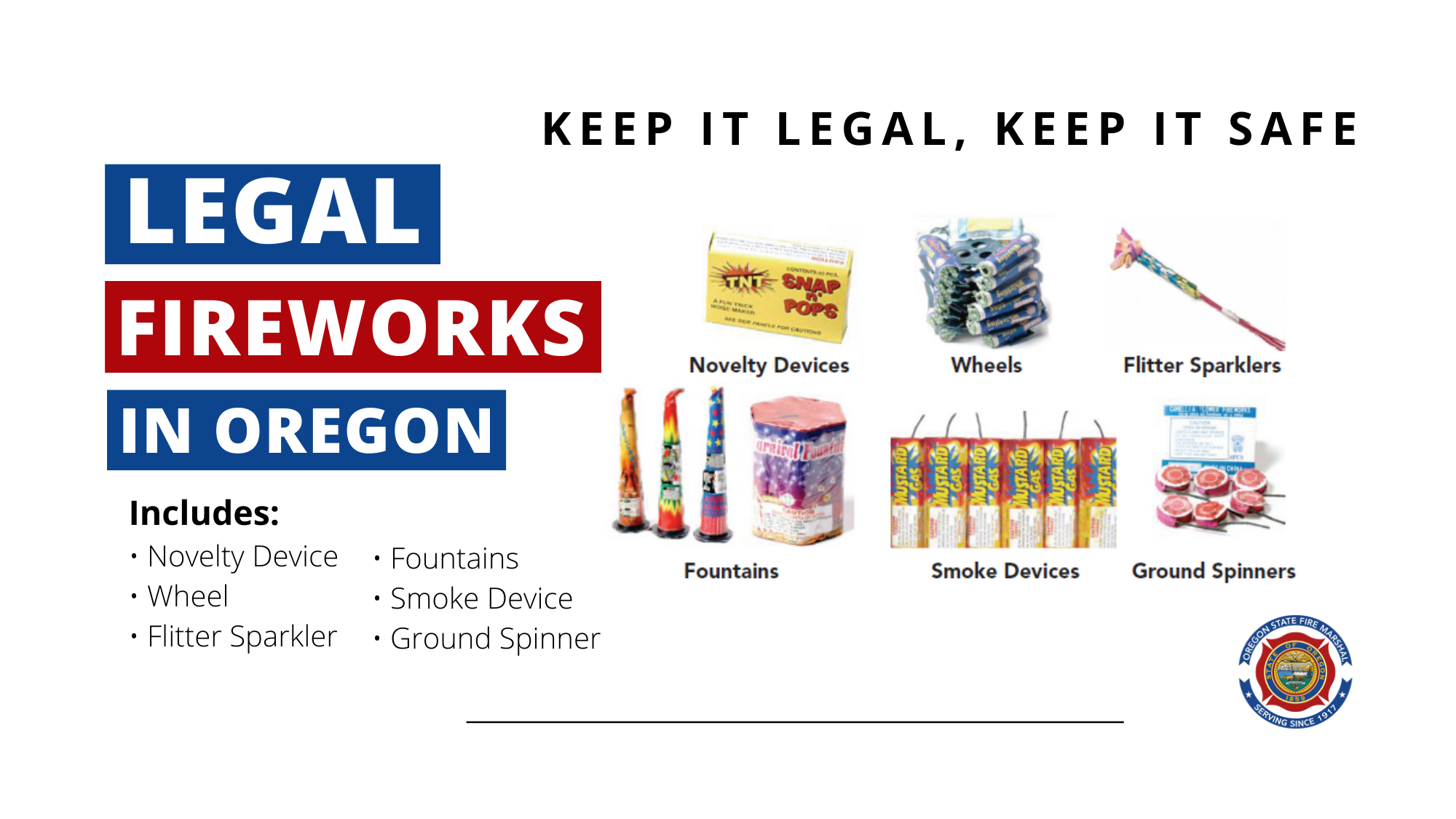
Consumer fireworks, conversely, are defined by Oregon Revised Statute (ORS) 480.110 as fireworks that do not explode or project projectiles into the air. These are typically the less powerful, ground-based devices that are often legally available for purchase during specific periods. Examples of consumer fireworks include:
- Fountains: Devices that emit showers of sparks.
- Sparklers: Handheld sticks that produce sparks.
- Wheels: Fireworks that spin and emit sparks.
- Party poppers and snakes: Small novelty items that produce minimal effects.
- Small firecrackers that are not classified as “dangerous.”
The legality of consumer fireworks is further influenced by local ordinances, making it imperative to check with the specific city or county.
State Preemption vs. Local Control
Oregon law grants the State Fire Marshal the authority to regulate fireworks. However, the state also allows cities and counties to enact stricter regulations, or even to ban outright the sale and use of even consumer fireworks within their boundaries. This means that while a certain type of firework might be legal to purchase and possess under state law, it could be prohibited in your specific town or county. This local control is a significant factor in determining legality.
Navigating Local Ordinances and Seasonal Sales
The legality of consumer fireworks in Oregon is often tied to specific dates and locations. Understanding these temporal and geographical restrictions is vital for anyone planning to purchase or use fireworks.
The “Open Season” for Consumer Fireworks
Generally, the sale of consumer fireworks in Oregon is permitted only during a specific window leading up to and including the Fourth of July holiday. This period typically runs from late June through July 4th. Outside of this designated sales period, the sale of consumer fireworks is illegal.
However, the use of consumer fireworks is often even more restricted. While state law might permit possession, many cities and counties have placed outright bans on the use of consumer fireworks, even during the legal sales period. This is primarily driven by concerns over fire safety, especially in drier climates or during periods of high fire risk.
Cities and Counties with Stricter Regulations
Numerous cities and counties across Oregon have chosen to prohibit the use of all fireworks, including consumer fireworks, within their jurisdictions. These prohibitions are often put in place due to the increased risk of wildfires, particularly in urban-interface areas or during hot, dry summer conditions.
Examples of common restrictions include:
- Outright bans: Some municipalities ban all fireworks, including sparklers and fountains, year-round or during specific fire danger periods.
- Designated use areas: In rare instances, a locality might permit fireworks only in designated, controlled areas, though this is uncommon for consumer fireworks.
- Time restrictions: Even where permitted, there may be specific hours during which fireworks can be used.
Key Takeaway: It is absolutely critical to verify the specific fireworks regulations for the city and county where you intend to purchase or use fireworks. This information is typically available on the official websites of the city government, county government, or local fire department. For example, if you are visiting or residing in the Portland metropolitan area, you would need to check the specific ordinances for the City of Portland and any surrounding incorporated cities like Beaverton or Gresham, as well as Multnomah County. Similarly, if your plans take you to the coast, checking the rules for cities like Cannon Beach or Lincoln City is essential.
Safety First: Responsible Fireworks Usage
Even where fireworks are legal, safety must be the paramount concern. Fireworks, even consumer-grade ones, can cause serious injuries and significant property damage if not handled responsibly. Adhering to safety guidelines is not just a recommendation; it’s a vital part of ensuring that your celebrations remain enjoyable and incident-free.
Essential Safety Precautions
- Know the law: Before purchasing or lighting any firework, ensure you understand your local ordinances and the classification of the firework you possess. Illegal fireworks can lead to fines and other legal penalties.
- Purchase from licensed vendors: Only buy fireworks from licensed and reputable dealers. This ensures that the products meet safety standards and are legal for sale. Avoid purchasing fireworks from unlicensed individuals or unverified online sources.
- Adult supervision: Never allow children to handle or ignite fireworks. An adult should always supervise the use of fireworks.
- Clear, open space: Light fireworks in a clear, open area away from buildings, vehicles, dry grass, trees, and other flammable materials. A minimum distance of 25 feet is often recommended, but larger clearances are better.
- Water nearby: Keep a bucket of water or a garden hose readily accessible to extinguish fireworks that have not ignited or to douse spent fireworks.
- Never relight duds: If a firework fails to ignite, do not attempt to relight it. Wait at least 20 minutes, then soak it thoroughly in water.
- Proper disposal: After use, soak all spent fireworks in water overnight before disposing of them in a metal trash can. Never place them in a regular trash bin while still hot.
- Sparkler safety: Even seemingly harmless sparklers can reach extremely high temperatures (upwards of 1,200 degrees Fahrenheit). Supervise children closely, keep them at arm’s length, and ensure they do not wave them near others. Dispose of them properly by soaking in water.
- Be considerate of others: Be mindful of neighbors, pets, and individuals who may be sensitive to loud noises or smoke. Excessive or late-night fireworks can be disruptive and distressing.
The Role of Fire Departments and Emergency Services
Local fire departments and emergency services play a crucial role in public safety, especially during firework seasons. They are on the front lines responding to incidents related to fireworks, which can range from small brush fires to significant structural damage and personal injuries. By understanding and adhering to fireworks laws and safety guidelines, you help alleviate the burden on these essential services and contribute to a safer community for everyone. In many areas, including larger cities like Eugene or Salem, fire officials often issue advisories and warnings about fireworks use during periods of elevated fire risk.
Alternatives to Personal Fireworks Displays
For those who discover that personal fireworks are not legal in their area, or who prefer a safer, more spectacular experience, there are many excellent alternatives. Oregon offers a variety of public fireworks displays and other celebratory events that provide fantastic entertainment without the risks associated with personal use.
Professional Public Displays
Many cities and towns across Oregon host professional fireworks displays on or around the Fourth of July. These events are put on by licensed pyrotechnicians and are typically held in safe, designated areas, often with expansive viewing opportunities.
- Major City Celebrations: Larger cities often feature significant fireworks shows. For instance, Portland has historically hosted prominent displays, though the format and location can vary year to year. Other cities like Medford and Bend also typically offer public celebrations.
- Community Events: Smaller towns and communities often organize their own celebrations, which can provide a more intimate and family-friendly atmosphere. These are excellent opportunities to experience local traditions and enjoy a festive outing.
- Viewing Locations: Parks, waterfront areas, and open fields are common viewing locations for public fireworks. It’s advisable to check local event listings for specific details on dates, times, and recommended viewing spots.

Other Festive Activities
Beyond fireworks, many areas offer a range of other activities to celebrate holidays and special occasions.
- Concerts and Festivals: Numerous towns host summer concerts, music festivals, and community fairs that coincide with holiday weekends, offering entertainment for all ages.
- Parades: Many communities hold traditional Fourth of July parades, featuring local organizations, marching bands, and festive floats.
- Barbecues and Picnics: Gathering with friends and family for outdoor meals is a classic way to celebrate. Many parks and recreational areas provide facilities for such gatherings.
- Scenic Tours and Attractions: Visiting local attractions, enjoying a scenic drive through the Oregon Coast or exploring the Columbia River Gorge can be a wonderful way to spend time during holiday weekends.
By opting for public displays and alternative activities, you can ensure a safe, enjoyable, and legally compliant celebration in Oregon, allowing everyone to appreciate the spirit of festivity without compromising on safety or breaking local laws.
LifeOutOfTheBox is a participant in the Amazon Services LLC Associates Program, an affiliate advertising program designed to provide a means for sites to earn advertising fees by advertising and linking to Amazon.com. Amazon, the Amazon logo, AmazonSupply, and the AmazonSupply logo are trademarks of Amazon.com, Inc. or its affiliates. As an Amazon Associate we earn affiliate commissions from qualifying purchases.