
Oregon has long been a pioneer in progressive drug policy, and the question of magic mushroom legality is a complex one, intertwined with shifting regulations and evolving public perception. For travelers, understanding the nuances of psilocybin laws is crucial to avoid unintended legal entanglements. This guide delves into the current legal status of magic mushrooms in Oregon, exploring the initiatives, the practical implications for visitors, and the broader context of psychedelic decriminalization and therapeutic use.
Understanding Oregon’s Psychedelic Landscape
Oregon’s journey towards a more open approach to psychedelics has been marked by significant legislative action. The state is at the forefront of a national conversation about the potential therapeutic benefits of psilocybin, the psychoactive compound found in magic mushrooms. This progressive stance has led to a unique legal environment that differs from many other jurisdictions.

Measure 109: Oregon’s Psilocybin Services Act
In November 2020, Oregon voters overwhelmingly approved Measure 109, which legalized psilocybin for therapeutic use in a regulated, supervised setting. This landmark legislation did not, however, decriminalize or legalize psilocybin for recreational use. Instead, it established a framework for licensed service providers to administer psilocybin-assisted therapy to adults 21 years and older.
The implementation of Measure 109 has been a gradual process. The Oregon Health Authority has been tasked with developing rules and regulations for licensing psilocybin service centers, training facilitators, and ensuring product safety. This includes protocols for preparation, administration, and post-session integration. The goal is to create a safe and controlled environment where individuals can explore the potential benefits of psilocybin under professional guidance.
Key Provisions of Measure 109
- Therapeutic Use Only: Psilocybin is only permitted for therapeutic purposes within licensed service centers.
- Age Restriction: Individuals must be 21 years or older to access psilocybin services.
- Supervised Administration: Psilocybin can only be administered by licensed facilitators in a controlled setting.
- No Home Cultivation or Sale: Measure 109 does not permit individuals to grow, possess, or sell psilocybin mushrooms for personal use.
- Regulatory Oversight: The Oregon Health Authority is responsible for licensing and overseeing all aspects of the psilocybin service program.
The development and rollout of these services are ongoing. As of now, licensed psilocybin service centers are beginning to open across the state, offering a new avenue for mental health treatment and personal exploration for eligible Oregon residents.
The Legal Status for Travelers and Non-Residents
For individuals visiting Oregon, the legal landscape surrounding magic mushrooms becomes even more critical to understand. While the state has moved towards therapeutic legalization, this does not extend to casual or recreational use, nor does it create an open-access environment for non-residents to partake in the regulated services.
Accessing Psilocybin Services
Under Measure 109, access to psilocybin services is restricted to individuals who are 21 years of age or older and are residents of Oregon. This residency requirement is a significant barrier for tourists and visitors. The program is designed as a state-regulated healthcare service, and as such, eligibility is typically tied to state residency for the purpose of accessing such services.
This means that while licensed psilocybin service centers may exist within Oregon, a traveler from another state or country will likely not be able to legally access these services. The intention of the legislation is to provide a controlled therapeutic option for Oregon residents, not to create a destination for psychedelic tourism.
Possession and Recreational Use
Crucially, the legalization under Measure 109 does not extend to the decriminalization or recreational legalization of psilocybin mushrooms. Possession of psilocybin mushrooms outside of the regulated therapeutic framework remains illegal under state and federal law. This means that carrying or consuming magic mushrooms for personal recreational use, even within Oregon, can still lead to legal consequences.
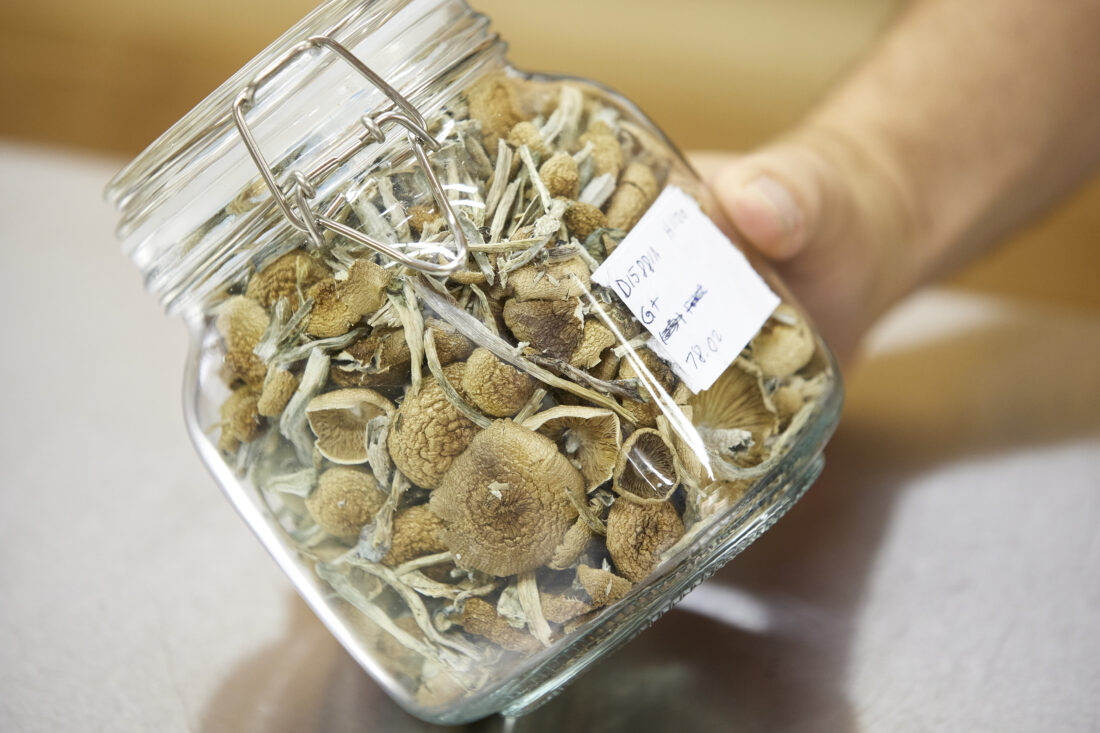
Federal law, which classifies psilocybin as a Schedule I controlled substance, continues to apply, and state laws are generally preempted by federal law in such matters. While Oregon has taken steps to regulate therapeutic use, this does not alter the federal prohibition.
Implications for Travel and Tourism
The current legal status of magic mushrooms in Oregon has direct implications for how travelers might approach this topic. It underscores the importance of responsible and informed travel, especially when exploring destinations with evolving drug policies.
Avoiding Legal Pitfalls
For visitors, the primary concern should be to avoid any activities that could lead to legal trouble. This means refraining from purchasing, possessing, or consuming psilocybin mushrooms outside of the highly regulated, licensed therapeutic settings that are currently only accessible to Oregon residents. Engaging with any form of unregulated psilocybin use could result in criminal charges, fines, and a potential impact on future travel plans.
It is advisable for travelers to familiarize themselves with the specific laws of any destination they visit, particularly concerning substances that may have differing legal statuses across jurisdictions. Oregon is a state that offers a wide array of attractions, from the vibrant city life of Portland to the natural beauty of the Oregon Coast and the Columbia River Gorge. Focusing on these legal and widely accessible tourist experiences will ensure a safe and enjoyable trip.
The Broader Context of Psychedelic Tourism
While Oregon has not opened the door to recreational psychedelic tourism, the global conversation around psychedelics is shifting. Countries and regions are increasingly exploring the potential of psilocybin for both therapeutic and spiritual well-being. For example, places like Jamaica and parts of Mexico are often cited in discussions about psychedelic experiences due to more relaxed local regulations or established spiritual practices.
However, it is vital to approach such discussions with caution and a thorough understanding of local laws and cultural norms. The development of a legitimate and ethical psychedelic tourism industry is still in its nascent stages, and a significant distinction exists between regulated therapeutic access and unregulated or potentially exploitative practices. Travelers interested in such experiences should prioritize safety, legality, and informed consent above all else.
The Future of Psilocybin in Oregon and Beyond
The legislative actions taken in Oregon represent a significant step in the broader movement towards acknowledging and exploring the potential benefits of psychedelics. As the implementation of Measure 109 progresses, and as more research emerges, the legal and social landscape surrounding psilocybin is likely to continue evolving.
Ongoing Research and Potential Expansion
The therapeutic potential of psilocybin is being investigated for a range of conditions, including depression, anxiety, PTSD, and addiction. As more clinical trials yield positive results, there may be increased pressure for broader legalization or decriminalization efforts in other states and at the federal level.
Oregon serves as a crucial case study, providing real-world data on the implementation of a regulated psilocybin service model. The experiences and outcomes from Oregon will undoubtedly inform future policy decisions across the United States and potentially internationally.

Ethical Considerations and Responsible Exploration
As the conversation around psychedelics expands, so too does the importance of ethical considerations. Ensuring equitable access, preventing exploitation, and fostering a culture of informed consent are paramount. For travelers, this translates to a responsibility to engage with any discussions or potential experiences related to psychedelics with a deep respect for the law, cultural context, and personal well-being.
While Oregon has opened a regulated pathway for therapeutic psilocybin use, it is not a destination for recreational magic mushroom tourism. Travelers seeking to experience the beauty and offerings of Oregon can do so by focusing on its many legal attractions, from its stunning national parks to its vibrant culinary scene and unique cultural experiences. Understanding the precise legal framework is key to a safe and law-abiding visit.
LifeOutOfTheBox is a participant in the Amazon Services LLC Associates Program, an affiliate advertising program designed to provide a means for sites to earn advertising fees by advertising and linking to Amazon.com. Amazon, the Amazon logo, AmazonSupply, and the AmazonSupply logo are trademarks of Amazon.com, Inc. or its affiliates. As an Amazon Associate we earn affiliate commissions from qualifying purchases.