
Navigating the complex world of homeowner associations (HOAs) and their potential regulations can be a challenging endeavor, especially when considering the establishment of a small business within a residential community. In Oregon, the question of whether a homeowner’s association can regulate a daycare is a nuanced one, touching upon property rights, community living, and state-specific laws. Understanding the legal framework and practical considerations is crucial for both HOA boards seeking to maintain community standards and individuals aspiring to operate a licensed childcare facility. This exploration delves into the legal landscape, common HOA concerns, and strategies for resolution, all within the context of Oregon and its unique approach to these matters.

The Legal Framework: State Laws Versus HOA Covenants
The ability of an HOA to regulate a daycare facility is primarily determined by the interplay between state laws and the specific covenants, conditions, and restrictions (CC&Rs) of the association. In Oregon, as in many other states, the licensing and operation of daycare facilities are governed by state agencies that prioritize child safety and welfare. These state regulations often preempt certain local or HOA rules that could unduly burden or prohibit the operation of a licensed childcare provider.
State Licensing Requirements
In Oregon, the Department of Early Learning & Family Support (DELFS) oversees the licensing of childcare facilities, including small family daycares and larger centers. DELFS has established comprehensive standards related to health, safety, staffing ratios, facility requirements, and curriculum. These standards are designed to ensure a safe and nurturing environment for children. A key aspect of these state regulations is their broad applicability; they are intended to apply to all licensed childcare providers, regardless of whether they operate in a purely residential setting or are subject to HOA governance.
HOA Covenants, Conditions, and Restrictions (CC&Rs)
HOAs derive their authority from CC&Rs, which are legally binding documents that homeowners agree to abide by when purchasing property within the association. These CC&Rs typically outline rules regarding property use, architectural standards, noise levels, parking, and the operation of businesses within the community. While CC&Rs can be quite comprehensive, their enforceability is not absolute. They cannot conflict with state or federal laws.
Preemption and Reasonable Restrictions
The central legal question often hinges on whether an HOA’s restrictions effectively “preempt” state law or if they are considered an impermissible burden on a licensed business. In many jurisdictions, including Oregon, state laws that govern specific industries, such as childcare, are considered to hold a higher authority than private contractual agreements like HOA CC&Rs. This means that an HOA generally cannot enact rules that directly prohibit or make it impossible to operate a legally licensed daycare facility, especially if the facility meets all state safety and operational requirements.
However, this does not mean HOAs have no say. While a complete ban is likely unenforceable, HOAs can often impose “reasonable” restrictions that do not unduly interfere with the daycare’s operation. These might include rules related to:
- Signage: Limiting the size and placement of daycare signs to maintain neighborhood aesthetics.
- Parking: Requiring adequate off-street parking to prevent congestion on neighborhood streets.
- Noise: Enforcing reasonable quiet hours, though this must be balanced against the inherent nature of young children.
- Traffic: Establishing guidelines for pickup and drop-off times to minimize disruption.
- Exterior Appearance: Ensuring the property remains well-maintained and consistent with neighborhood standards.
The key term here is “reasonable.” A restriction that is arbitrary, overly burdensome, or designed to effectively eliminate the daycare will likely be challenged successfully.
Common HOA Concerns and Their Resolution
When a homeowner proposes to operate a daycare, HOAs often raise concerns that stem from a desire to protect the community’s character, safety, and property values. Understanding these concerns and proactively addressing them can lead to a more harmonious coexistence.
Impact on Neighborhood Character and Safety
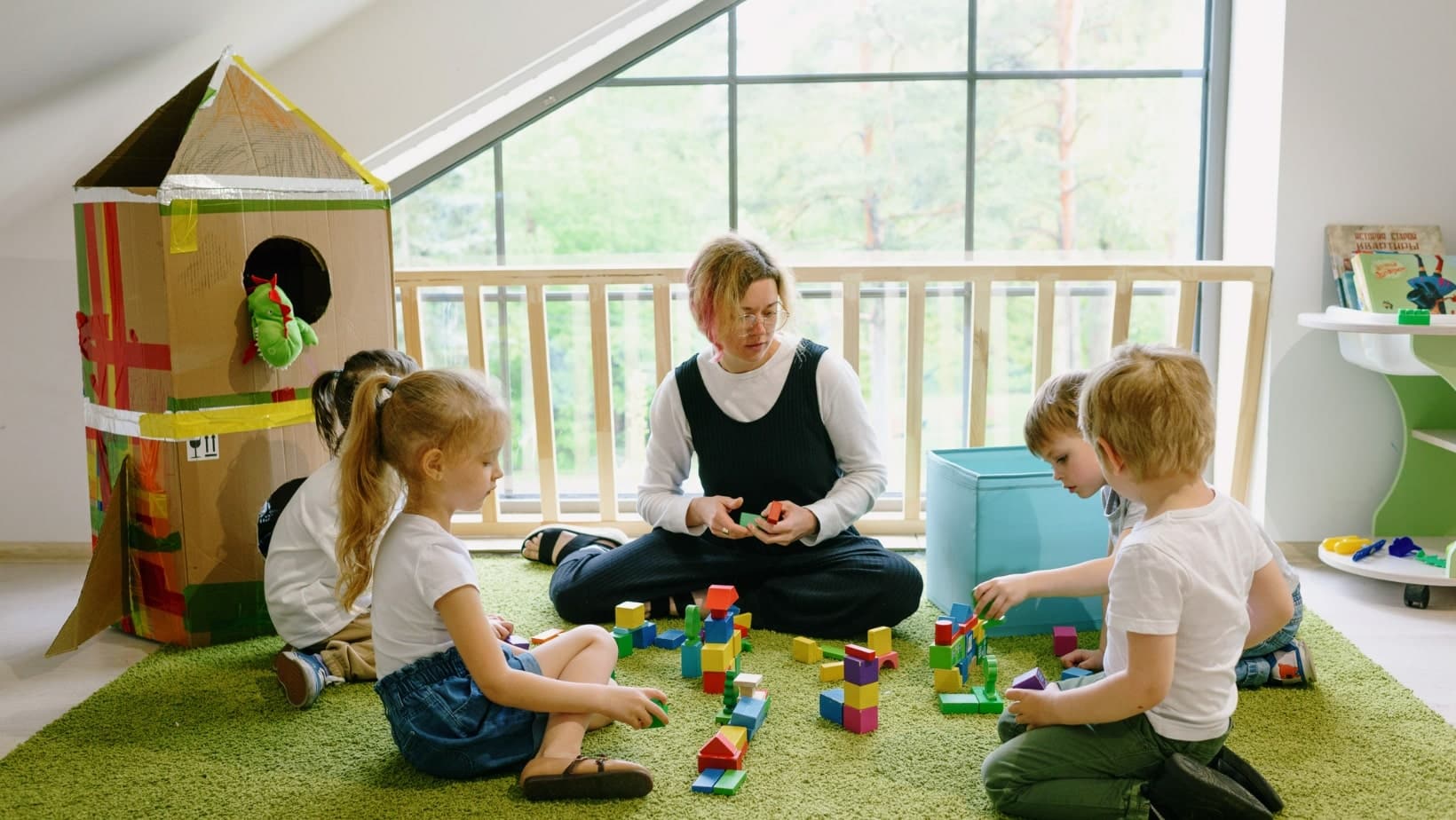
One of the most frequent concerns is the perceived impact on the neighborhood’s residential character. HOAs may worry that a daycare will transform a single-family home into a commercial establishment, leading to increased traffic, noise, and a greater number of people entering and leaving the property regularly. Safety is also a paramount concern, with questions arising about the supervision of children, potential security vulnerabilities, and liability.
- Addressing Traffic and Parking: A daycare operator can demonstrate a commitment to minimizing traffic impact by developing a clear traffic management plan. This plan could outline designated drop-off and pick-up zones, staggered arrival and departure times for parents, and a commitment to ensuring all vehicles are parked legally and without obstructing traffic or driveways. If the HOA has concerns about parking capacity, the operator might propose modifications to the property, such as creating additional designated parking spaces if feasible and permitted by local zoning.
- Mitigating Noise: While eliminating all noise from children is impossible, operators can implement strategies to minimize disruptions. This might include designating indoor play areas for certain activities, ensuring outdoor playtimes are within reasonable hours, and educating parents about being mindful of noise levels when arriving and departing. HOAs can also be reassured by the fact that state licensing requires adequate supervision, which inherently addresses safety concerns.
- Maintaining Property Values: The concern that a daycare might negatively impact property values is common. However, well-managed, licensed daycares often do not have a detrimental effect. In fact, in some areas, the availability of quality childcare can be seen as a valuable community amenity. Operators can emphasize their commitment to maintaining the exterior appearance of their home and property, adhering to HOA aesthetic guidelines, and ensuring the property remains in good condition.
Insurance and Liability
Another significant concern for HOAs is liability. They may worry that the presence of a daycare will increase the association’s overall liability or that an incident at the daycare could lead to lawsuits that impact the entire community.
- Operator’s Responsibility: It is crucial for the daycare operator to carry adequate liability insurance specifically for their business operations. This insurance is separate from homeowner’s insurance and is designed to cover accidents or injuries that occur on the premises during daycare hours. Operators should be prepared to provide proof of this insurance to the HOA.
- HOA’s Role: Generally, an HOA’s liability is limited to its own operations and common areas. The presence of a licensed business operating within a private residence, provided it adheres to all regulations and HOA rules, is unlikely to automatically transfer liability to the HOA. However, it is always prudent for HOAs to consult with their legal counsel to understand their specific exposure.
Seeking Harmony: Collaboration and Negotiation
The most constructive approach to resolving potential conflicts between HOAs and aspiring daycare operators is through open communication, collaboration, and a willingness to find common ground.
Proactive Communication
Before even formally applying to operate a daycare, an individual considering this venture should engage in proactive communication with the HOA board. This allows for an early understanding of potential concerns and provides an opportunity to present a well-thought-out plan for addressing them.
- Presenting a Business Plan: A detailed business plan can be invaluable. This plan should outline the proposed operational hours, number of children to be cared for (often limited by state licensing and zoning), staffing, safety protocols, insurance coverage, and specific strategies for managing traffic, parking, and noise.
- Highlighting Compliance: Emphasizing adherence to all Oregon state licensing requirements can instill confidence in the HOA board. Demonstrating that the operation will meet or exceed all mandated safety and operational standards is a strong argument against arbitrary restrictions.
Understanding HOA Governing Documents
Thoroughly reviewing the HOA’s CC&Rs and bylaws is essential. This review will reveal specific clauses that might be relevant and help identify potential areas of conflict or common ground. It’s also important to understand the HOA’s enforcement procedures and decision-making processes.
Engaging with Local Zoning Officials
In parallel with HOA discussions, it’s critical to ensure the proposed daycare complies with local Oregon zoning ordinances. Many cities and counties have specific regulations regarding home-based businesses, including childcare. Obtaining the necessary permits and licenses from local authorities is a prerequisite for operation and can also serve as a point of reference when discussing feasibility with the HOA. Local zoning approvals often reinforce the legitimacy of the business and its compliance with community standards.

Seeking Mediation or Legal Counsel
If direct communication and negotiation prove difficult, or if the HOA proposes restrictions that seem unreasonable or legally questionable, seeking mediation or legal counsel may be necessary. A neutral third-party mediator can help facilitate discussions and find mutually agreeable solutions. For more complex disputes, an attorney specializing in HOA law or real estate law in Oregon can provide guidance on rights and responsibilities.
In conclusion, while an HOA in Oregon may have the right to impose reasonable regulations on a daycare operating within its community, these regulations cannot outright prohibit or unduly burden a legally licensed childcare facility. The key lies in balancing the HOA’s legitimate interests in maintaining neighborhood standards with the operator’s right to run a licensed business, all within the framework of Oregon’s laws and regulations. Open communication, a clear understanding of responsibilities, and a commitment to compliance are paramount for a successful outcome.
LifeOutOfTheBox is a participant in the Amazon Services LLC Associates Program, an affiliate advertising program designed to provide a means for sites to earn advertising fees by advertising and linking to Amazon.com. Amazon, the Amazon logo, AmazonSupply, and the AmazonSupply logo are trademarks of Amazon.com, Inc. or its affiliates. As an Amazon Associate we earn affiliate commissions from qualifying purchases.