
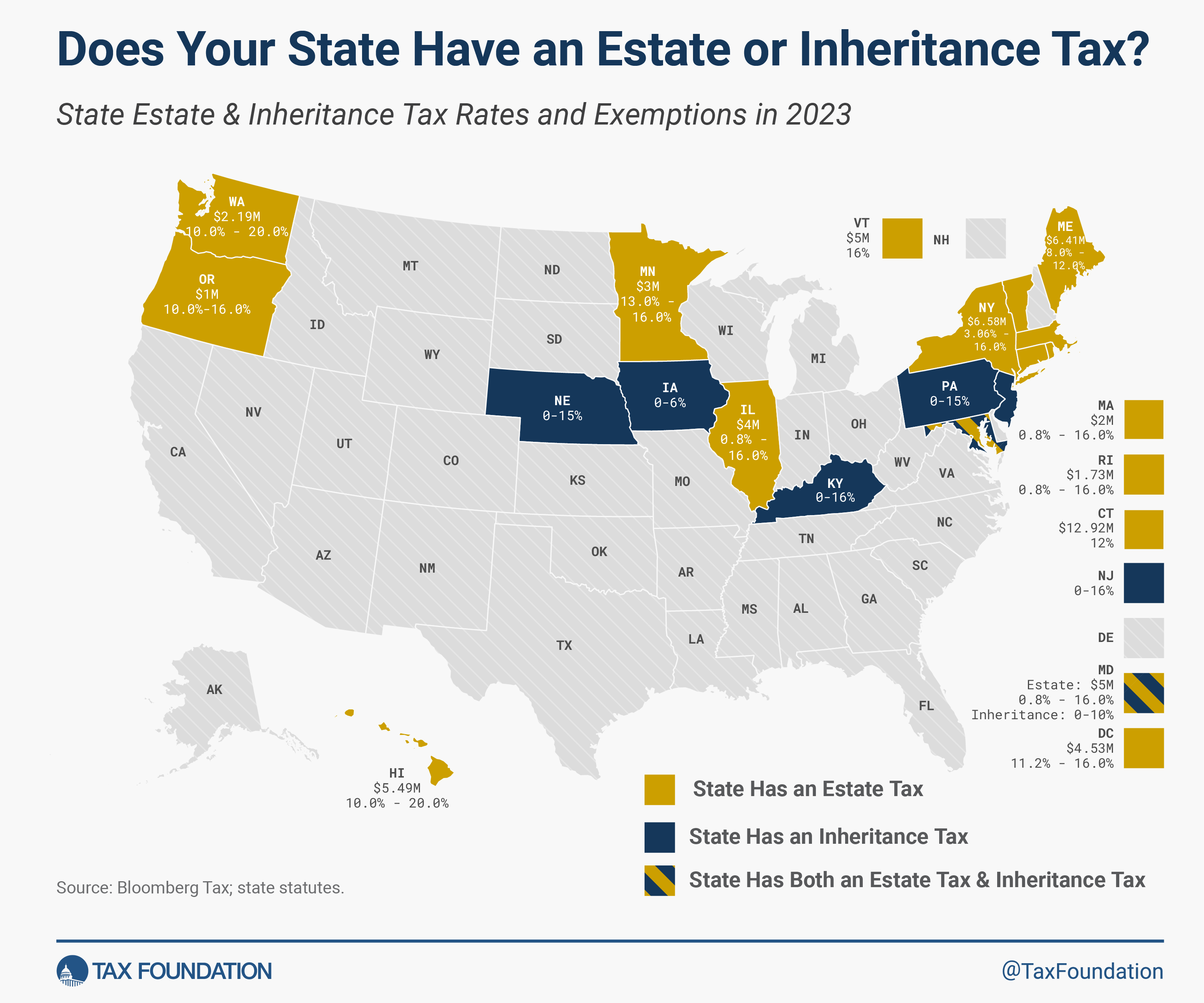
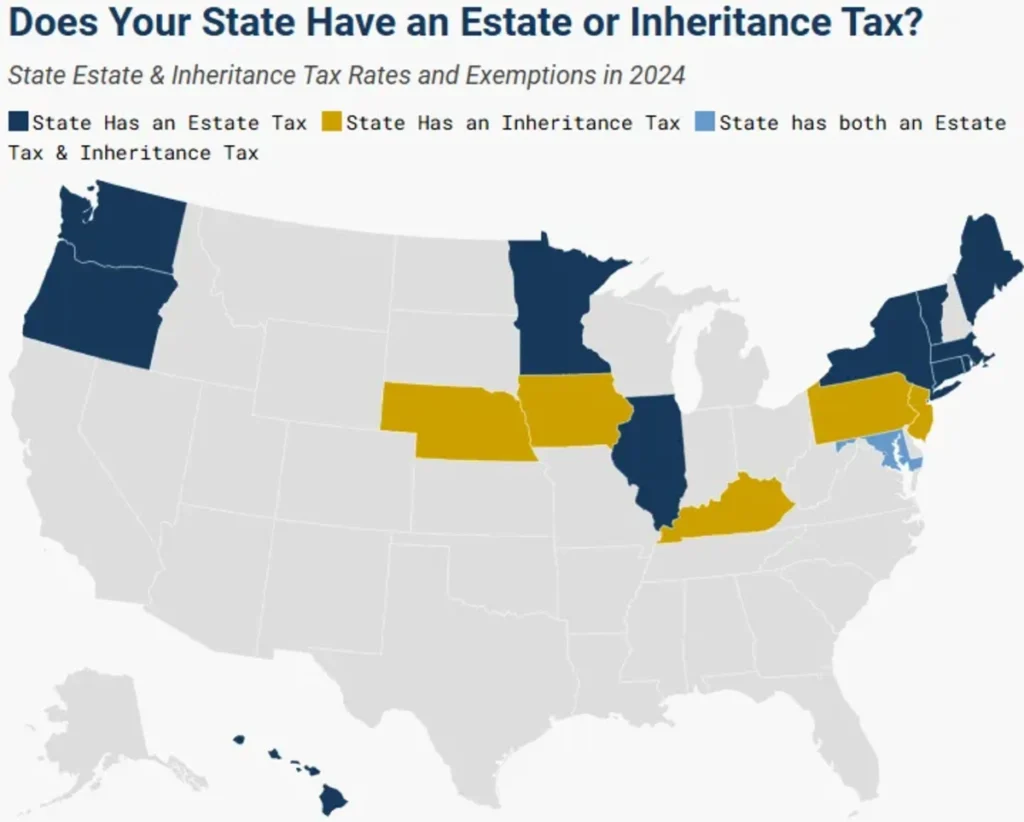
Navigating the financial intricacies of estate planning can be a complex undertaking, particularly when considering state-specific legislation. For those with assets or property within the Beaver State, understanding Oregon’s tax landscape is crucial for ensuring a smooth transfer of wealth to beneficiaries. While many states have moved away from imposing estate or inheritance taxes, Oregon remains one of the few that does. This distinction can significantly impact the net value of an estate that passes to heirs, making a thorough understanding of the rules paramount.
The primary concern for many individuals is the Oregon estate tax. Unlike an inheritance tax, which is levied on the beneficiaries, an estate tax is imposed on the deceased person’s total estate before distribution. This means that the tax liability rests with the estate itself, and it is the executor’s responsibility to calculate and remit the tax. The existence of this tax in Oregon necessitates careful planning to potentially mitigate its impact.
Understanding the Oregon Estate Tax Threshold
A key factor in determining whether an estate is subject to tax is the applicable exemption threshold. Oregon’s estate tax applies only to estates that exceed a certain value. This exemption amount is periodically reviewed and can be adjusted by the legislature. For a considerable period, Oregon’s estate tax exemption has been set at a level that means only larger estates are subject to taxation. This is a common feature in states that maintain an estate tax, as it aims to exempt smaller estates that might otherwise create a significant burden for grieving families.
The Current Exemption Amount
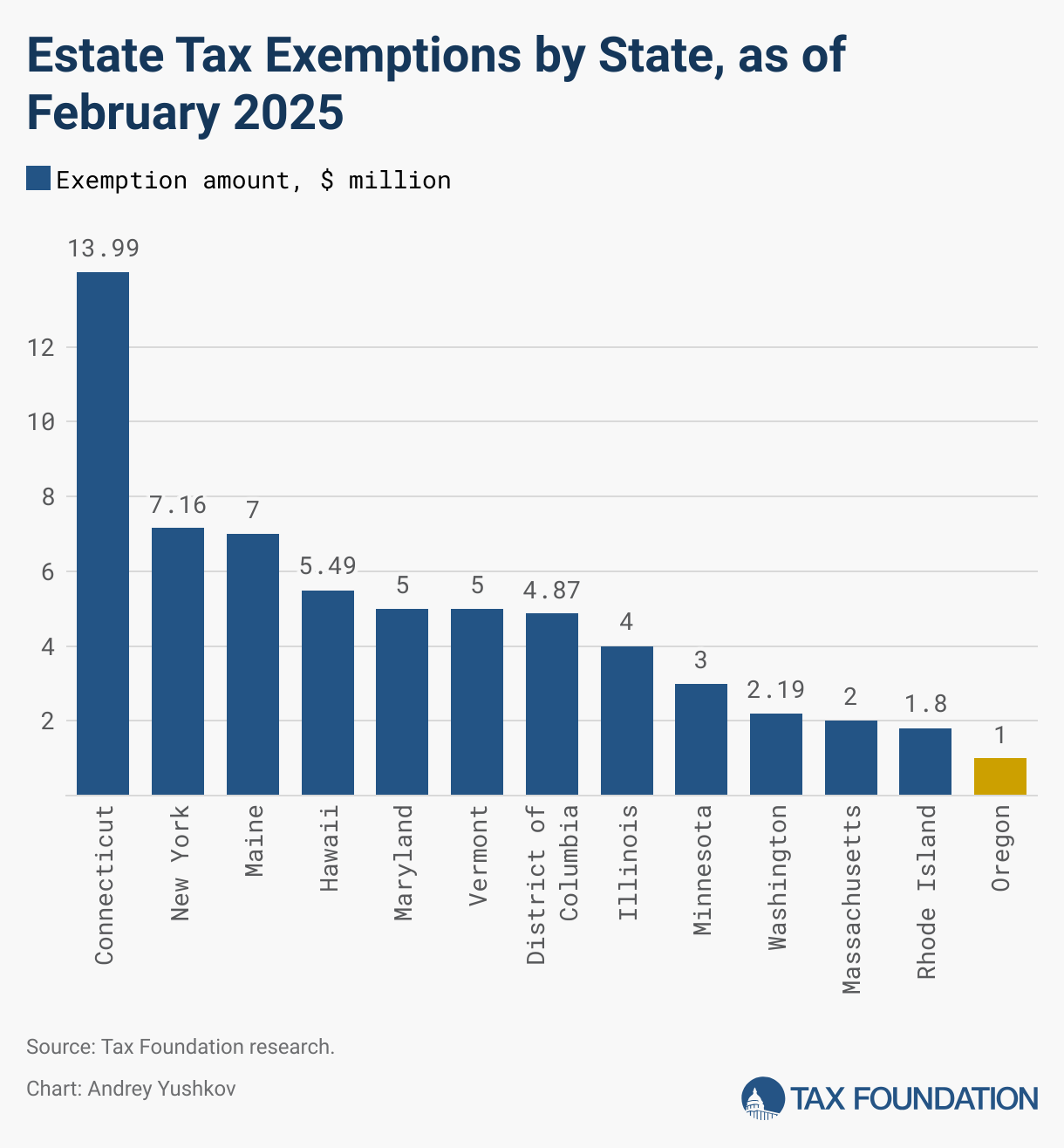
The specific dollar amount of the exemption is critical information for estate planning. As of recent legislative updates, the Oregon estate tax exemption stands at $1 million. This means that if the total value of the taxable estate is less than $1 million, no Oregon estate tax will be due. This threshold applies to the net value of the estate, after accounting for certain deductions and allowable expenses.
What Constitutes a Taxable Estate?
Determining the total value of a taxable estate involves a comprehensive accounting of all assets owned by the decedent at the time of their death. This includes, but is not limited to:
- Real Property: This encompasses all land and buildings, including primary residences, vacation homes, and any investment properties located within Oregon. The fair market value of these properties at the date of death is used for valuation.
- Personal Property: This category includes tangible assets such as vehicles, jewelry, furniture, artwork, and collectibles. Intangible personal property, such as stocks, bonds, mutual funds, bank accounts, and retirement accounts, also forms a significant part of the estate’s value.
- Business Interests: Ownership stakes in businesses, whether sole proprietorships, partnerships, or corporations, are valued and included.
- Life Insurance Proceeds: In many cases, life insurance proceeds payable to the estate or a trust that is part of the taxable estate are included in the gross estate.
- Gifts Made Within Three Years of Death: Under certain circumstances, gifts made by the decedent within three years of their death may be brought back into the taxable estate for Oregon estate tax purposes.
It is important to note that the valuation of these assets can be complex and may require professional appraisals, especially for unique or high-value items.
How the Oregon Estate Tax is Calculated
If an estate’s value exceeds the $1 million exemption threshold, it becomes subject to Oregon’s estate tax. The tax is calculated using a progressive tax rate schedule. This means that the tax rate increases as the taxable value of the estate increases.
The Progressive Tax Rate Schedule
Oregon’s estate tax rates are applied to the amount of the estate that exceeds the $1 million exemption. The rates are tiered, with lower portions of the taxable amount taxed at lower rates and higher portions taxed at higher rates. The top marginal tax rate in Oregon for estate taxes is currently 16 percent, applied to taxable estates exceeding $1.5 million.
Calculating the Net Taxable Estate
Before applying the tax rates, certain deductions can be subtracted from the gross estate to arrive at the net taxable estate. These deductions are crucial for reducing the overall tax liability. Common deductions include:
- Funeral Expenses: Costs associated with the funeral and burial or cremation.
- Administration Expenses: Legal fees, accounting fees, executor fees, and other costs incurred in managing and settling the estate.
- Debts of the Decedent: Any outstanding mortgages, loans, or other legitimate debts owed by the deceased.
- Marital Deduction: If assets pass to a surviving spouse, these assets may qualify for an unlimited marital deduction, effectively removing them from the taxable estate.
- Charitable Deduction: Bequests made to qualified charities are also deductible.
The calculation process involves:
- Determining the gross value of all assets.
- Subtracting allowable deductions to arrive at the net taxable estate.
- If the net taxable estate exceeds $1 million, the amount over $1 million is subject to the progressive tax rates.
Planning Strategies to Mitigate Oregon Estate Tax
Given the existence of an estate tax, proactive planning is essential for individuals with estates that may approach or exceed the exemption threshold. Several strategies can be employed to reduce or eliminate Oregon’s estate tax liability.
Gifting Strategies
One of the most effective ways to reduce the size of an estate is through lifetime gifting. Oregon does not have a separate gift tax, and federal gift tax exclusions can be utilized. By transferring assets to beneficiaries during one’s lifetime, individuals can reduce the total value of their taxable estate at death. The annual federal gift tax exclusion allows a certain amount to be gifted each year to any individual without incurring gift tax or using up one’s lifetime gift tax exemption. For 2023, this annual exclusion is $17,000 per recipient.
Trusts
Various types of trusts can be utilized as estate planning tools to manage and transfer assets while minimizing tax consequences.
Irrevocable Trusts
Irrevocable trusts, once established, cannot be easily altered or revoked. Assets transferred into an irrevocable trust are generally considered removed from the grantor’s taxable estate. This can be particularly useful for transferring appreciating assets, such as business interests or investment portfolios.
Revocable Living Trusts
While revocable living trusts do not, by themselves, reduce the taxable estate, they offer significant benefits in terms of avoiding probate. Probate is the legal process of administering a will, which can be time-consuming, costly, and public. Assets held in a revocable trust bypass probate, allowing for a more efficient distribution to beneficiaries. However, for estate tax purposes, assets in a revocable trust are still considered part of the grantor’s estate.
Spousal Lifetime Access Trusts (SLATs)
For married couples, SLATs can be a sophisticated planning tool. One spouse creates an irrevocable trust for the benefit of the other spouse, and potentially other beneficiaries. The assets transferred to the trust are removed from the grantor’s estate. The benefiting spouse can often access the trust assets, providing a measure of financial security.
Life Insurance Planning
Life insurance can play a dual role in estate planning. While the proceeds of life insurance owned by the decedent are typically included in their taxable estate, strategies can be employed to remove these proceeds. This often involves using an irrevocable life insurance trust (ILIT). An ILIT can own a life insurance policy, and upon the insured’s death, the death benefit is paid to the trust, not the estate. The trustee can then distribute the funds to the beneficiaries, free of estate tax.
Business Succession Planning
For owners of closely held businesses, succession planning is critical. This can involve gifting business interests, selling them at a discount, or restructuring the business ownership to minimize estate tax liability. Detailed valuation of the business is essential for effective planning.
Beyond the Estate Tax: Other Considerations
While the Oregon estate tax is a primary concern, it’s not the only financial consideration for estate planning.
Federal Estate Tax
It is crucial to remember that Oregon has its own estate tax regime that operates independently of the federal estate tax. The federal estate tax applies to much larger estates, with a high exemption amount ($12.92 million per individual in 2023). Most estates will not be subject to federal estate tax. However, for individuals with very substantial assets, both federal and Oregon estate taxes could apply. Planning must consider both levels of taxation.
Inheritance Tax
Unlike some other states, Oregon does not have an inheritance tax. This means that beneficiaries are not taxed on the value of the assets they inherit. The tax burden, if any, falls solely on the estate.
Probate Process
As mentioned earlier, assets that pass through a will are subject to probate. Even if an estate is below the estate tax threshold, probate can still be a costly and time-consuming process. Utilizing trusts and other non-probate transfer methods can streamline the distribution of assets to heirs and reduce administrative burdens.
Professional Advice
Given the complexities of estate tax laws and planning strategies, seeking advice from qualified professionals is highly recommended. Estate planning attorneys, financial advisors, and CPAs specializing in estate and gift tax matters can provide tailored guidance based on an individual’s specific financial situation and goals. They can help assess the potential estate tax liability, explore various planning options, and ensure that all legal and financial requirements are met.
In conclusion, while Oregon does impose an estate tax on estates exceeding $1 million, a comprehensive understanding of the rules and the implementation of sound estate planning strategies can help mitigate its impact. Proactive measures, such as strategic gifting, the use of trusts, and careful consideration of asset titling, can ensure that a greater portion of an individual’s wealth is preserved and passed on to their loved ones as intended.
LifeOutOfTheBox is a participant in the Amazon Services LLC Associates Program, an affiliate advertising program designed to provide a means for sites to earn advertising fees by advertising and linking to Amazon.com. Amazon, the Amazon logo, AmazonSupply, and the AmazonSupply logo are trademarks of Amazon.com, Inc. or its affiliates. As an Amazon Associate we earn affiliate commissions from qualifying purchases.