
The persistent presence of COVID-19 continues to influence travel decisions, and for those planning a visit to Oregon, understanding the current landscape is paramount. While the acute phase of the pandemic has largely subsided, navigating travel in a post-peak world requires informed awareness of local conditions, public health guidance, and the experiences of both residents and visitors. This analysis aims to provide a comprehensive overview of COVID-19’s current impact in Oregon, focusing on aspects relevant to prospective travelers and the tourism industry.
Understanding the Current COVID-19 Situation in Oregon
Oregon, like many states, has moved towards managing COVID-19 as an ongoing public health concern rather than an emergency. This shift in strategy is reflected in public health reporting and recommended practices. While widespread testing mandates and extensive lockdowns are no longer the norm, understanding key metrics and trends remains crucial for a safe and enjoyable trip.
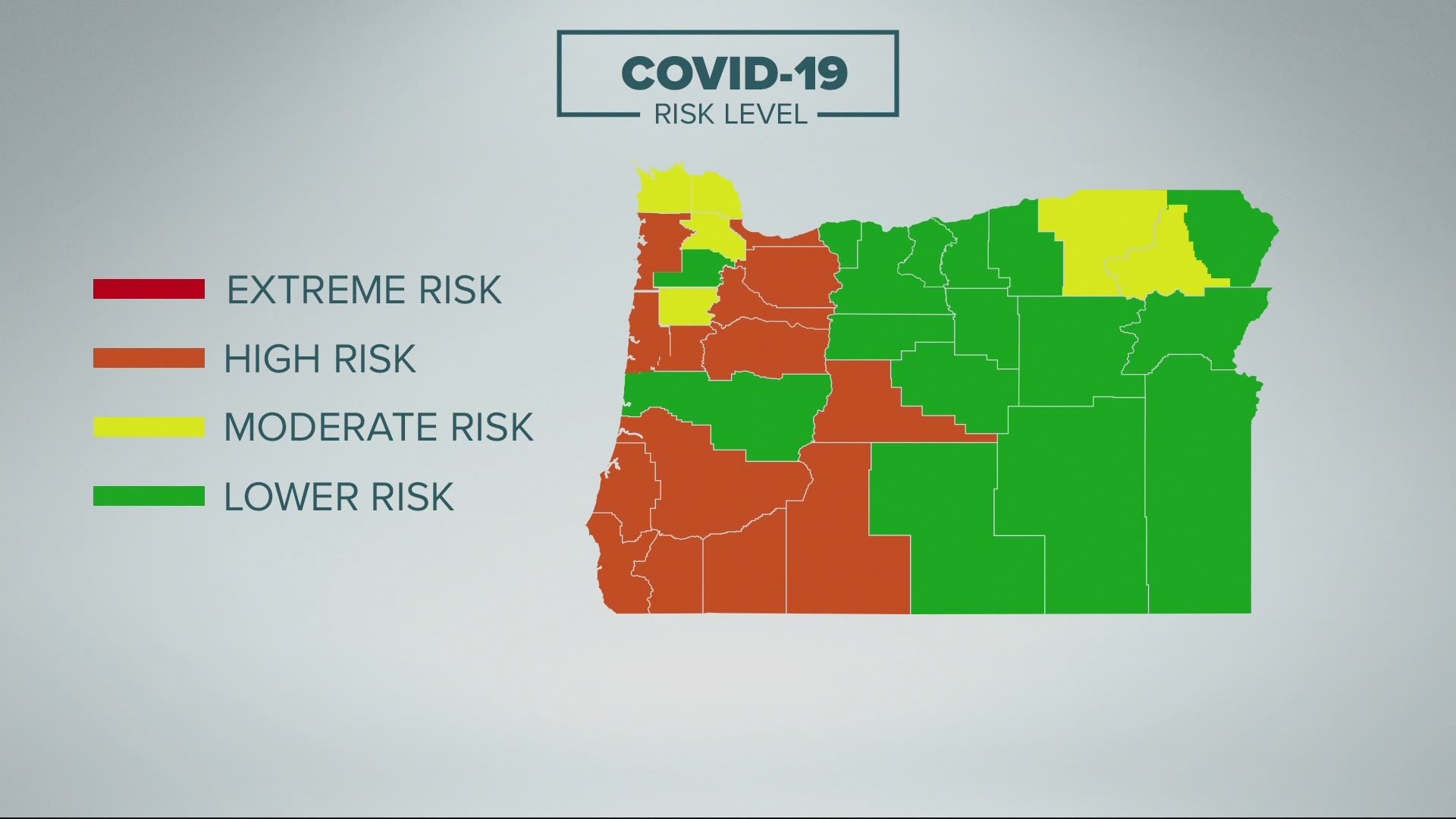
Key Metrics and Reporting
The Oregon Health Authority (OHA) remains the primary source for official COVID-19 data. While the frequency and detail of reporting have evolved, key indicators still provide valuable insights:
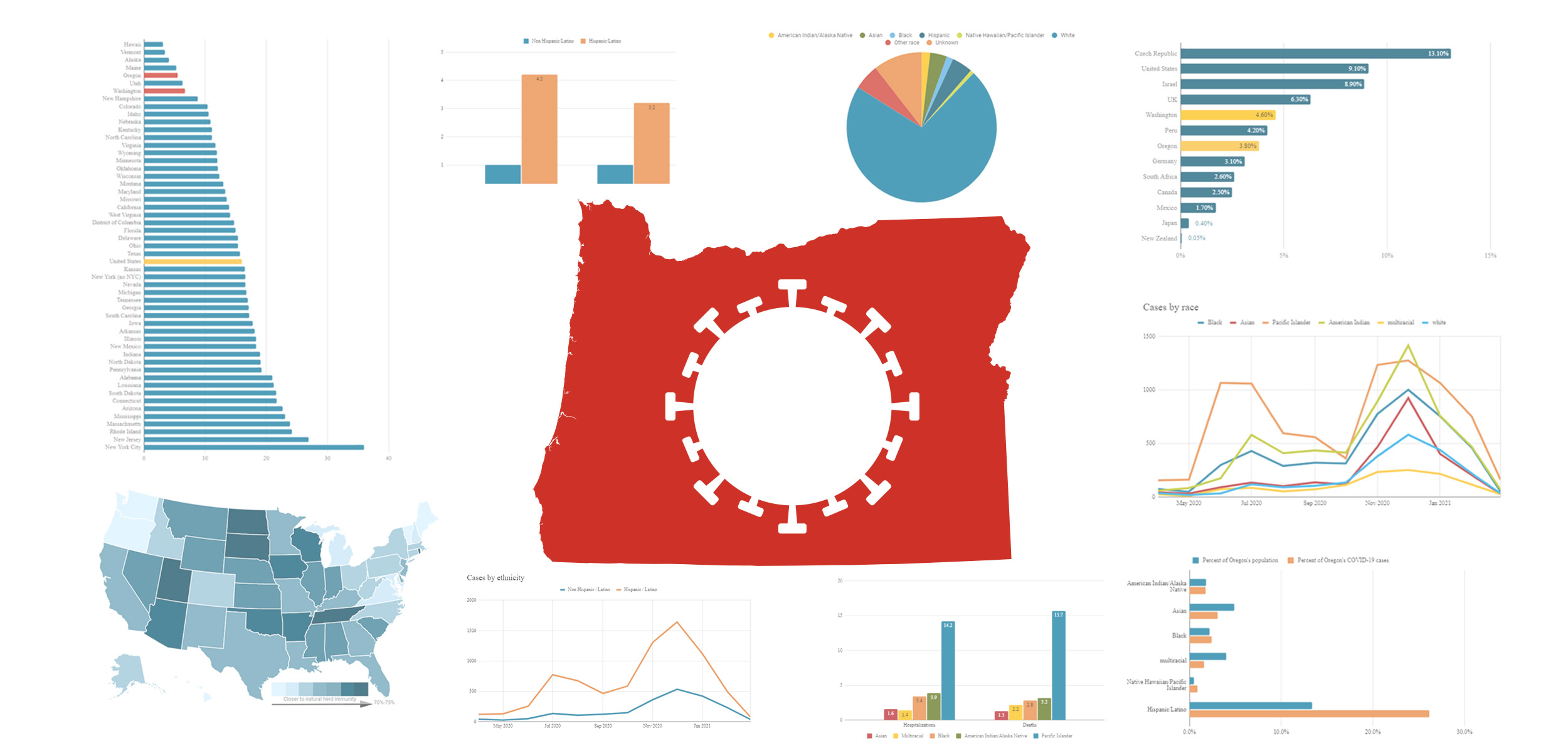
- Case Counts: While daily case counts are less emphasized, weekly or bi-weekly summaries offer a sense of community transmission levels. These numbers, often reported on the Oregon Health Authority website, can indicate whether cases are trending up, down, or remaining stable in different regions of the state. Travelers might consider these figures when planning visits to specific cities or counties.
- Hospitalizations: Hospitalization rates are a more critical indicator of the severity of the pandemic’s impact. A surge in COVID-19 related hospital admissions can strain healthcare systems and may influence local health recommendations or capacity for non-essential services. The OHA typically reports on this metric.
- Wastewater Surveillance: This innovative method provides an early warning system for rising COVID-19 levels in communities, as viral material can be detected in wastewater before individuals even know they are infected. Data from wastewater surveillance can offer a more real-time picture of community transmission.
- Vaccination and Booster Rates: Understanding vaccination and booster uptake within the state and specific regions can provide context for community immunity and potential risk levels. Higher vaccination rates can correlate with a lower likelihood of severe illness and hospitalization.
Regional Variations
It is essential to recognize that COVID-19 trends can vary significantly across Oregon. Larger metropolitan areas like Portland may see different patterns compared to more rural or coastal communities such as Bend or Cannon Beach. Travelers researching specific destinations should consult local county health department advisories, if available, for the most granular information. Factors such as population density, tourism levels, and local public health infrastructure can all influence regional trends.
Impact on Travel and Tourism in Oregon
The lingering effects of COVID-19 have reshaped the travel and tourism landscape, influencing everything from operational protocols to traveler expectations. Oregon’s vibrant tourism sector has adapted, but awareness of these changes is beneficial for visitors.
Operational Adjustments by Tourism Businesses
Many hotels, restaurants, and attractions across Oregon have adopted enhanced cleaning protocols and may continue to offer contactless options.
- Accommodations: Hotels, from luxury resorts like The Allison Inn & Spa in Willamette Valley to charming inns in Ashland, have prioritized guest safety. While many restrictions have been lifted, some establishments might still offer options for spaced seating, enhanced sanitization, or digital check-in/check-out services. It’s advisable to check a specific hotel’s policies on their website or by calling directly.
- Dining: Restaurants, particularly those in popular tourist hubs like Portland and along the Oregon Coast, continue to balance indoor and outdoor dining options. Reservations are often recommended, especially for popular establishments, to ensure availability and manage capacity.
- Attractions and Activities: Museums, art galleries, national parks, and outdoor adventure providers have largely returned to pre-pandemic operating models. However, some may still have capacity limits for certain exhibits or tours, or recommend pre-booked tickets. Popular natural attractions like Crater Lake National Park and Multnomah Falls continue to attract visitors, and it’s always wise to check their official websites for any alerts or advisories.
Traveler Considerations and Recommendations

For travelers to Oregon, a proactive approach to health and safety is still a prudent strategy.
- Stay Informed: Before and during your trip, monitor updates from the Oregon Health Authority and local health departments for your specific destination.
- Personal Protective Measures: While mandates are rare, consider wearing a mask in crowded indoor settings if you are at higher risk or simply feel more comfortable doing so. Good hand hygiene remains a cornerstone of preventing illness.
- Vaccination Status: Ensure you are up-to-date with your COVID-19 vaccinations and boosters. This offers the best protection against severe illness.
- Plan Ahead: Book accommodations, tours, and popular restaurant reservations in advance, especially if traveling during peak seasons. This not only secures your spot but can also help businesses manage their capacity effectively.
- Respect Local Guidance: Be mindful of any local advisories or recommendations you encounter in the communities you visit.
Navigating Oregon’s Natural and Cultural Attractions Safely
Oregon’s appeal lies in its diverse natural beauty and rich cultural tapestry. While COVID-19’s direct impact on these experiences has diminished, understanding how to engage with them responsibly is key.
Outdoor Recreation
Oregon is renowned for its vast opportunities for outdoor exploration, from the dramatic Oregon Coast to the majestic Cascade Mountains and the high desert of Eastern Oregon.
- National and State Parks: Parks like Oregon Caves National Monument & Preserve, Mount Hood National Forest, and numerous state parks offer incredible hiking, camping, and sightseeing. Generally, these outdoor spaces have remained open with minimal restrictions. However, popular trailheads or viewpoints can become crowded. Visiting during off-peak hours or on weekdays can enhance the experience and minimize potential exposure.
- Water Activities: Whether it’s kayaking on the Willamette River near Salem, surfing at Pacific City, or exploring the Columbia River Gorge, water-based activities are a major draw. Group sizes on guided tours may still be managed by operators, and it’s wise to inquire about their specific protocols.
Urban Exploration and Cultural Experiences
Oregon’s cities and towns offer unique cultural immersion, from the vibrant arts scene in Portland to the historic charm of Astoria.
- Museums and Galleries: Institutions like the Portland Art Museum and smaller regional museums have resumed full operations. Visitors may find that timed entry tickets are still an option or recommendation to manage crowds.
- Performing Arts: Theaters and music venues have largely reopened. Checking performance schedules and ticketing policies is advised.
- Culinary Scene: Oregon’s food and drink scene is a significant draw, from farm-to-table restaurants to craft breweries and wineries in the Willamette Valley. Many restaurants now offer online ordering for takeout, and reservations are highly recommended for dining in.
Future Outlook and Preparing for Your Oregon Trip
As Oregon continues to adapt to the evolving nature of COVID-19, the focus for travelers should be on informed planning and responsible enjoyment. The state’s commitment to public health, combined with the resilience of its tourism sector, ensures that Oregon remains a compelling destination.
Public Health Evolution
The transition to managing COVID-19 as an endemic disease means that public health guidance will likely continue to adapt. Staying abreast of recommendations from the Centers for Disease Control and Prevention (CDC) and the Oregon Health Authority is essential. This includes understanding current recommendations regarding vaccinations, testing, and isolation if you become ill while traveling.
Traveler Responsibility
Ultimately, a safe and enjoyable trip to Oregon hinges on individual responsibility. By staying informed, practicing good hygiene, and being considerate of local communities and businesses, travelers can contribute to a positive experience for everyone. The allure of Oregon’s landscapes, from the rugged coastline to the fertile valleys and dramatic mountains, remains as strong as ever. The current COVID-19 situation, while requiring awareness, should not deter exploration of this remarkably diverse and welcoming state. The key is to travel with information and intention, ensuring that your visit is both memorable and mindful.
LifeOutOfTheBox is a participant in the Amazon Services LLC Associates Program, an affiliate advertising program designed to provide a means for sites to earn advertising fees by advertising and linking to Amazon.com. Amazon, the Amazon logo, AmazonSupply, and the AmazonSupply logo are trademarks of Amazon.com, Inc. or its affiliates. As an Amazon Associate we earn affiliate commissions from qualifying purchases.