
Navigating the legal complexities of divorce can feel overwhelming, especially when you are experiencing significant personal upheaval. Understanding the process for filing for divorce in Oregon is the first crucial step toward resolution. This guide aims to demystify the procedure, outlining the essential requirements, steps, and considerations involved in initiating a divorce case within the Beaver State. While this article provides comprehensive information, it is vital to remember that this should not substitute professional legal advice from a qualified attorney.
Understanding the Grounds and Residency Requirements for Divorce in Oregon
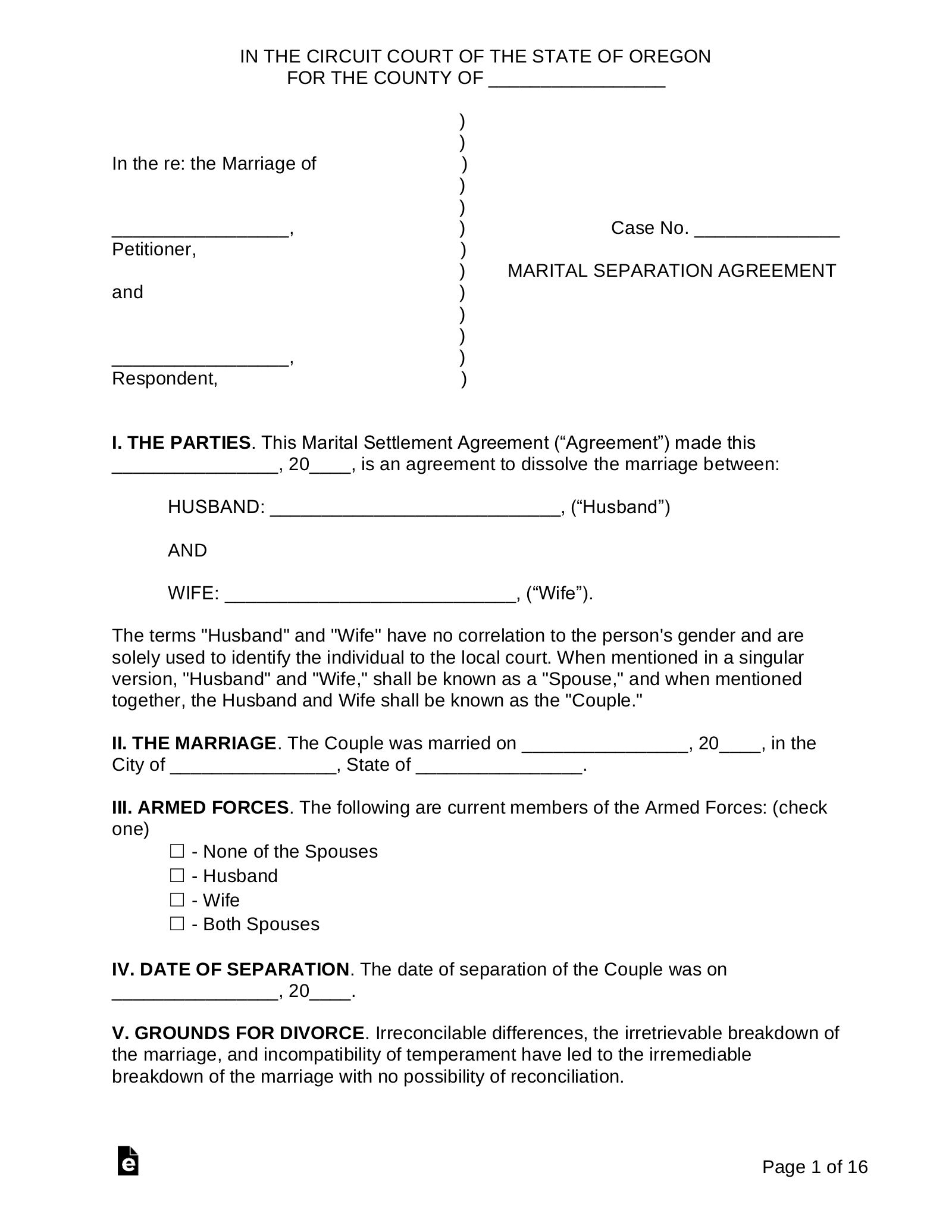
Before embarking on the divorce filing process, it is essential to meet certain criteria established by the state. Oregon operates under a no-fault divorce system, meaning you do not need to prove wrongdoing by your spouse. The sole ground for divorce is “irreconcilable differences between the parties.” This simplifies the process by removing the need for contentious accusations and focusing instead on the dissolution of the marriage itself.
Residency Requirements
To file for divorce in Oregon, at least one spouse must have resided in the state for a minimum of six months immediately preceding the filing of the divorce petition. Furthermore, at least one spouse must have lived in the county where the divorce is being filed for at least 30 days prior to filing. These residency requirements ensure that Oregon courts have jurisdiction over the marriage dissolution. If these requirements are not met, you may need to wait until you fulfill them or consider filing in another state where you meet the residency criteria.
Types of Divorce Proceedings
Oregon recognizes two primary types of divorce proceedings:
- Uncontested Divorce: This occurs when both spouses agree on all major issues, including the division of property, child custody, child support, and spousal support. Uncontested divorces are typically faster, less expensive, and less emotionally taxing.
- Contested Divorce: This arises when spouses cannot agree on one or more significant issues. Contested divorces often involve negotiation, mediation, and potentially court hearings or a trial to resolve disputes.
The path you take will significantly influence the timeline and complexity of your divorce.
The Divorce Filing Process: Step-by-Step
Initiating a divorce in Oregon involves filing specific legal documents with the appropriate court. The process, while structured, requires careful attention to detail.
Step 1: Preparing the Necessary Documents
The initial document you will need to file is typically called a “Petition for Divorce” (or similar title, depending on the specific court form). This document formally requests the court to grant a divorce and outlines basic information about the marriage, including:
- Names and addresses of both spouses.
- Date and place of marriage.
- Names and birthdates of any children born of the marriage.
- A statement that the residency requirements have been met.
- The grounds for divorce (irreconcilable differences).
- The relief sought, such as division of property, child custody arrangements, support, etc.
Along with the Petition, you will likely need to file a Summons, which officially notifies your spouse that a divorce action has been filed against them. Depending on your circumstances, additional forms may be required, such as a Uniform Support Declaration, financial affidavits, or proposed parenting plans if children are involved. These forms are generally available through the Oregon Judicial Department website or from the county courthouse.
Step 2: Filing the Documents with the Court
Once the documents are completed, they must be filed with the Circuit Court in the county where you or your spouse resides and meets the 30-day residency requirement. You will need to pay a filing fee at the time of submission. Fee waivers may be available for individuals who demonstrate financial hardship. The clerk of the court will stamp your documents with the filing date and assign a case number.
Step 3: Serving Your Spouse
After filing, your spouse must be formally notified of the divorce action through a legal process called “service of process.” This ensures that your spouse is aware of the divorce and has an opportunity to respond. Service can typically be accomplished in several ways:

- Personal Service: A sheriff’s deputy or a private process server personally delivers copies of the filed documents to your spouse.
- Waiver of Service: If your spouse is cooperative, they can sign a “Waiver of Service” form, acknowledging receipt of the documents and waiving formal personal service. This can expedite the process.
- Substituted Service or Service by Publication: In situations where your spouse cannot be located, the court may allow alternative methods of service.
It is crucial to follow the correct service procedures as outlined by Oregon law. Improper service can lead to delays or dismissal of your case.
Step 4: Spouse’s Response
Once served, your spouse typically has 30 days to file a formal response with the court. This response, often called an “Answer,” will indicate whether they agree with the terms of the Petition and what their position is on the various issues. If your spouse fails to respond within the allotted time, you may be able to proceed with a “default judgment,” where the court grants the divorce based on your Petition’s requests.
Step 5: Negotiation, Mediation, or Litigation
If your spouse files an Answer and there are disagreements on key issues, the next phase involves resolving those disputes. This can take several forms:
- Negotiation: Spouses and their attorneys (if represented) can directly negotiate the terms of the divorce settlement.
- Mediation: A neutral third-party mediator can help facilitate discussions and guide you and your spouse toward a mutually agreeable resolution. Mediation is often encouraged in Oregon divorce cases, especially when children are involved.
- Litigation: If negotiations and mediation fail, the case will proceed to litigation, involving court hearings and potentially a trial where a judge will make decisions on unresolved matters.
Step 6: Finalizing the Divorce
Once all issues are resolved, either through agreement or court order, a final judgment of divorce will be prepared and submitted to the court for approval. This document legally dissolves the marriage and outlines all final terms regarding property division, child custody, support, and any other relevant matters. Once signed by the judge, the divorce is final.
Key Considerations in the Divorce Process
Beyond the procedural steps, several critical aspects require careful consideration to ensure a fair and equitable outcome.
Division of Marital Property and Debts
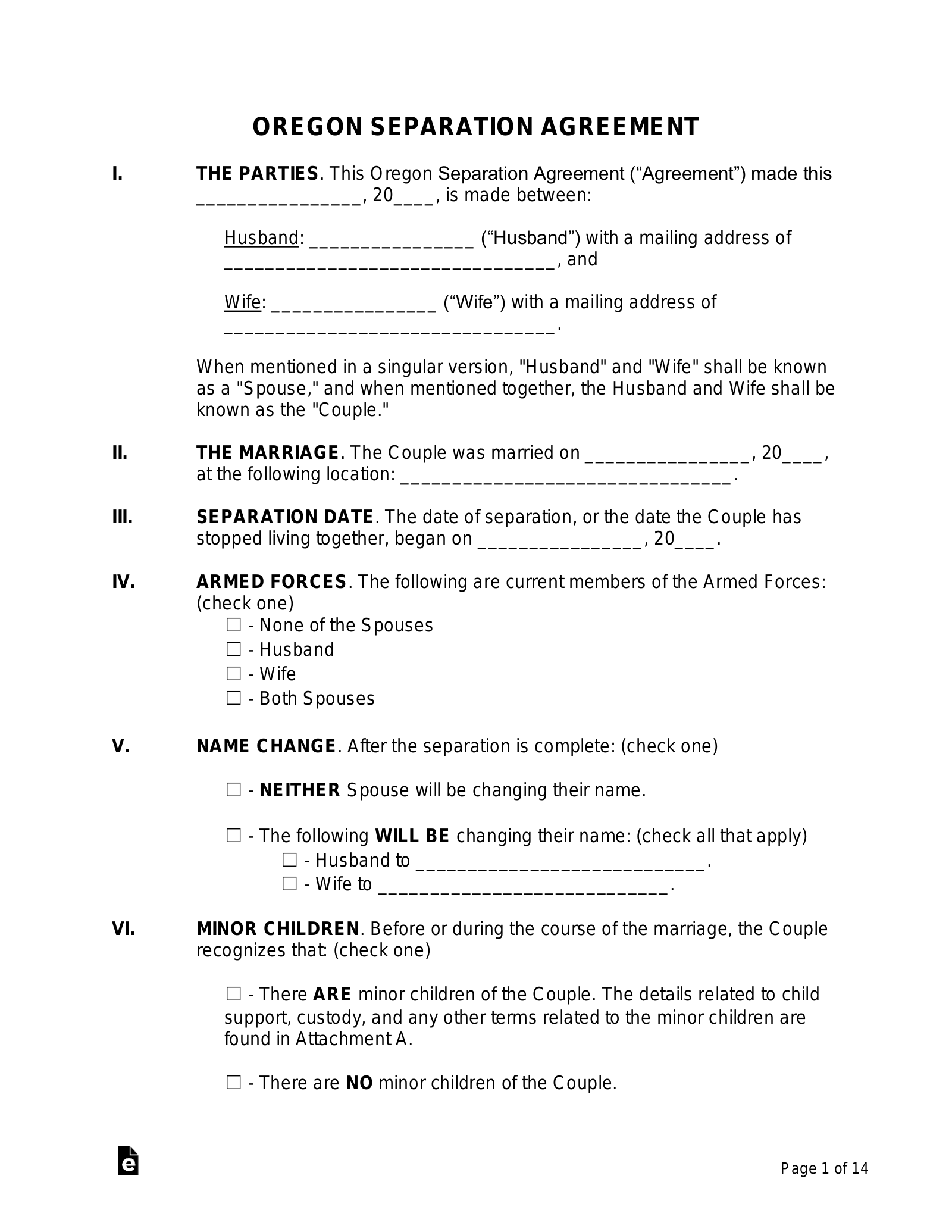
Oregon is an equitable distribution state, meaning marital property and debts acquired during the marriage will be divided fairly, though not necessarily equally. Marital property generally includes assets and debts accumulated by either spouse from the date of marriage until the date of separation. This can encompass real estate, bank accounts, investments, vehicles, retirement funds, and even personal belongings. Separate property, typically assets owned before the marriage or received as gifts or inheritance during the marriage, is generally not subject to division. A thorough inventory of all assets and debts is essential for a fair division.
Child Custody and Support
If minor children are involved, determining custody and support arrangements is paramount. Oregon courts prioritize the best interests of the child when making custody decisions. This involves considering factors such as the child’s wishes (depending on their age and maturity), the ability of each parent to provide care, and the child’s relationship with each parent. Custody can be awarded as either joint legal custody (where parents share decision-making) or sole legal custody (where one parent makes major decisions). Physical custody arrangements also vary, determining where the child will primarily reside.
Child support is calculated based on Oregon child support guidelines, which take into account each parent’s income, the number of children, and the custody arrangement. Both parents have a legal obligation to support their children financially.
Spousal Support (Alimony)
Spousal support, often referred to as alimony, may be awarded to one spouse to help them maintain a standard of living comparable to that enjoyed during the marriage. Factors considered by the court when determining spousal support include the length of the marriage, the financial needs of each spouse, their ability to pay, their age and health, and the contributions of each spouse to the marriage, including domestic contributions. Spousal support can be temporary, rehabilitative, or long-term, depending on the circumstances.
Legal Representation
While it is possible to represent yourself in a divorce, often referred to as proceeding “pro se,” it is highly recommended to seek legal counsel from a qualified divorce attorney in Oregon. Attorneys can provide invaluable guidance, ensure your rights are protected, and navigate the complex legal landscape effectively. They can assist with document preparation, negotiation, and representation in court, ultimately leading to a more favorable and efficient resolution.
Understanding the steps and considerations outlined in this guide will equip you with the knowledge needed to approach the divorce process in Oregon with greater confidence. Remember that each divorce is unique, and consulting with legal professionals is essential for tailored advice and representation.
LifeOutOfTheBox is a participant in the Amazon Services LLC Associates Program, an affiliate advertising program designed to provide a means for sites to earn advertising fees by advertising and linking to Amazon.com. Amazon, the Amazon logo, AmazonSupply, and the AmazonSupply logo are trademarks of Amazon.com, Inc. or its affiliates. As an Amazon Associate we earn affiliate commissions from qualifying purchases.